
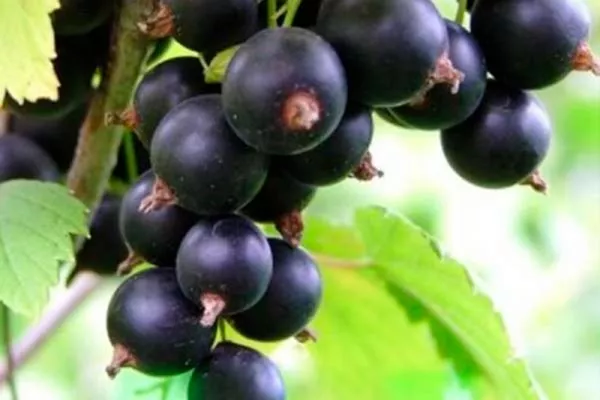
Venus is the name of a classic blackcurrant variety with a mid-season ripening season. Gardeners love it for its large fruits, dessert-like flavor, high bush productivity, and resistance to adverse weather and fungal infections.
History of selection
| Name | Ripening period | Disease resistance | Size of berries |
|---|---|---|---|
| Venus | Average | High | Large |
| Bredtorp | Early | Average | Average |
| Dove Seedling | Late | Low | Small ones |
A variety of currant was developed by Russian scientists at the beginning of the second millennium. The author is V.S. Ilyin, a researcher at the South Ural Research Institute of Fruit and Vegetable Growing and Potato Growing. To create the new variety, he crossed the following species:
- Bredthorpe currants;
- with Dove Seedling.
In 2004, after successfully passing variety testing, Venus was added to the state register of the Russian Federation.
Appearance of the bush
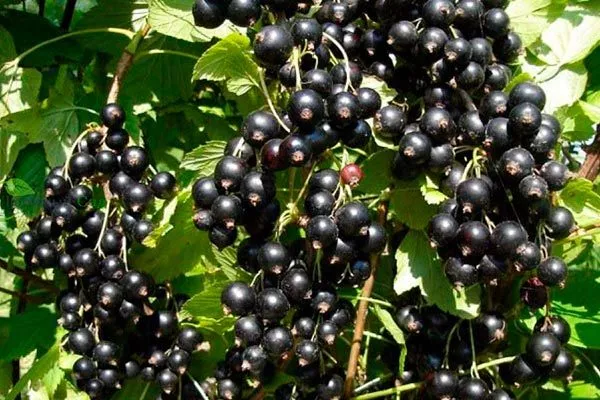
Plants of this variety are medium-sized and moderately spreading. They are distinguished by the following external features:
- medium thickness;
- shoots: light green in color, medium thick, distinguished by their curved shape and lack of pubescence, with a pinkish coating in the upper third;
- Foliage: green, medium or large in size, five-lobed with a serrated edge, with a moderately wrinkled surface on which there is no fuzz, slightly shiny, concave in the area of the midribs, having a deep notch at the base;
- Flowers: medium-sized, with matte petals of a light pink color, collected in brushes of 7-11 pieces.
Characteristics of berries
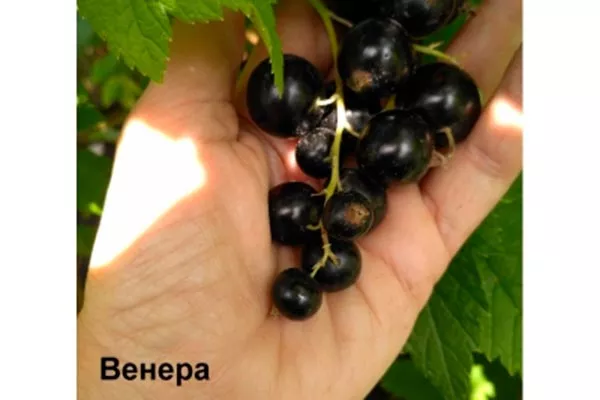
Venus fruits ripen in clusters no longer than 7 cm. Each cluster contains 7 to 11 berries: beautiful and large (weighing 2.2-5.7 g), round, and glossy black. The skin covering them is thin. When removed from the branch, they are dry.
Taste qualities
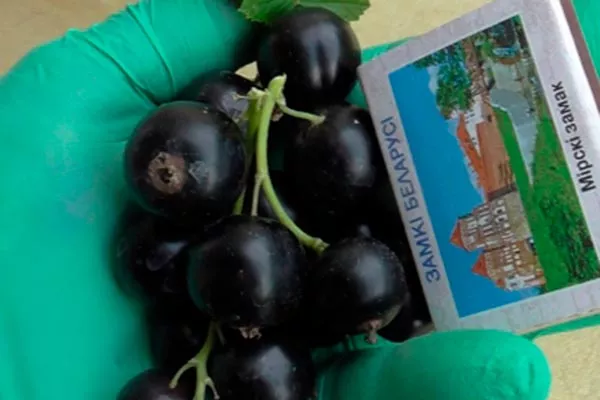
The flesh of the Venus fruit is juicy, aromatic, and very sweet. The sourness typical of currants is practically imperceptible. The flavor is considered dessert-like. This variety has the highest tasting score—5 points.
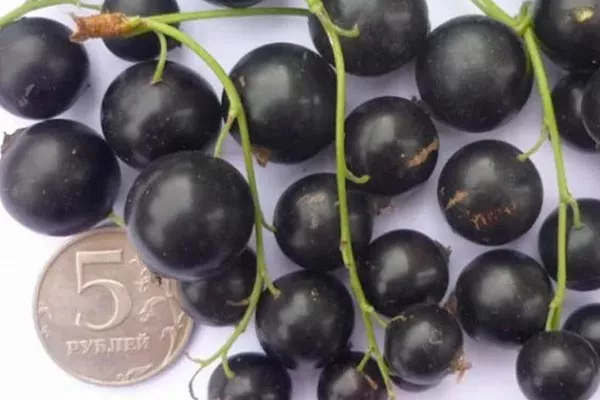
The excellent taste of this variety's harvest is due to its balanced chemical composition. Its nutrient content is as follows:
- sugars - 7.2%;
- titratable acids - 2.9%.
Characteristics
Study the technical characteristics of the variety and other useful information about it before planting Venus black currant in your garden.
Beneficial properties
The berry harvest is not only delicious but also rich in nutrients beneficial to the human body. The fragrant black fruits are rich in the following beneficial components:
- vitamins (C, A, E, K, P, group B);
- minerals (potassium, phosphorus, calcium, magnesium, iron, selenium, zinc, manganese, silicon, cobalt, copper);
- pectins and tannins;
- antioxidants and especially anthocyanins;
- essential oils, etc.
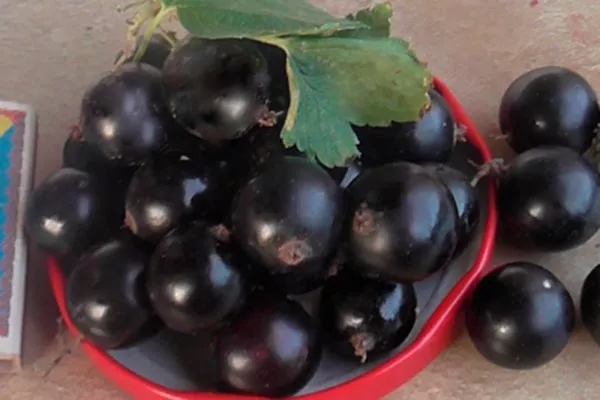
Venus berries are a storehouse of vitamin C. 100 g of their pulp contains 95.0 mg of ascorbic acid. Eating them raw will provide you with numerous health benefits:
- acceleration of metabolism;
- improving visual acuity;
- reduction of intraocular pressure;
- relief of the inflammatory process;
- lowering blood pressure;
- strengthening the heart muscle;
- increasing the elasticity of blood vessels;
- reducing the level of bad cholesterol in the blood;
- removal of toxins, heavy metals and radionuclides from the body;
- strengthening of bone tissue;
- improving memory;
- solution to the problem of dry skin;
- stimulating digestion;
- toning the body;
- removal of excess fluid, relief from swelling;
- reducing the risk of occurrence and development of cancer, atherosclerosis, Parkinson's and Alzheimer's diseases;
- strengthening the immune system;
- relief of nervous tension;
- getting rid of insomnia.
Blackcurrants are beneficial for those with a cold or recovering from an illness. They have antibacterial, anti-inflammatory, analgesic, and antipyretic properties. They are also a good preventative for flu and acute respiratory infections, as they boost the body's resistance to infection.
Avoid eating fresh Venus berries if you have any health problems:
- stomach ulcers;
- acute gastritis (with the hyperacid type of the disease, it is not advisable to eat currants even in a state of remission, since it increases the acidity of gastric juice);
- pancreatitis;
- hepatitis;
- hypotension;
- thrombophlebitis and varicose veins;
- individual intolerance to the product.
Scope of application of berries
The Venus berry variety is versatile in its uses. The berries are most often eaten fresh to maximize their health benefits. They are also added to various summer desserts, smoothies, and cocktails.
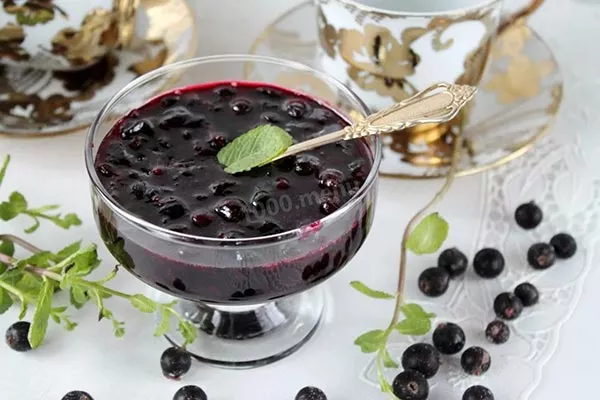
Housewives also use black currants for culinary purposes:
- jam, preserves, compote, jelly, kissel, pastille, and berry syrup are made from it;
- they make wine, tincture, and cordial;
- used as a filling for pies, cakes, muffins and other sweet confectionery products;
- frozen for the winter;
- canned;
- dry.
Young leaves of this berry plant also have culinary uses. They are added to dietary salads. They can be used to make delicious summer kvass, as an additive in vegetable preserving, and as a substitute for tea leaves (when dried).
Ripening and fruiting
Venus is a mid-season variety. Bushes of this variety begin bearing fruit early, producing their first berries the following year after planting.
They can't boast of their fruits ripening all at once. Gardeners harvest the crop in 2-3 stages, beginning in the first half of August.
Productivity
The bushes of this variety are characterized by good productivity. Their yields are as follows:
- each adult plant produces from 2.5 kg to 5 kg of tasty and healthy berries;
- With industrial cultivation of Venus, farmers obtain from 7,000 kg to 17,000 kg of fruit from 1 hectare of currant planting.
Growing regions
The variety is approved by the state registry for cultivation in the Ural region; it is perfectly adapted to the local climate. Gardeners also successfully cultivate it in other regions of the country, as well as in Belarus and Ukraine.
Self-fertility and the need for pollinators
Venus plants are characterized by good self-pollination, with an autonomous fruiting rate of 56.3%. When grown in a plot with other currant varieties, they produce even higher yields.
Resistance to adverse climatic conditions
This berry variety is renowned for its excellent winter hardiness. With proper insulation, its bushes can withstand temperatures down to -35°C during the cold season. They also withstand other adverse weather conditions:
- heat;
- drought.
How to plant currants in a plot?
The Venus berry variety requires careful planting. Proper planting is crucial to how quickly the seedling will root, grow, and begin bearing fruit.
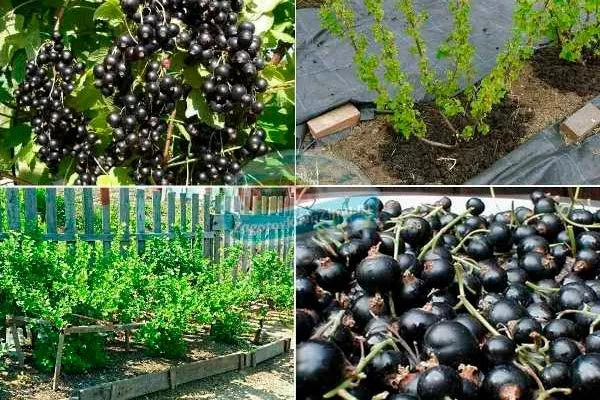
Timing of planting operations
Plant Venus bushes in your garden in early September or late March. If you prefer spring planting, wait until the temperature warms up to 10-15°C. Make sure the threat of frost has passed.
Selecting a location and preparing the seedling
To plant currants, select a spot in the garden that meets the following requirements:
- characterized by a flat surface or a slight slope;
- well-lit by the sun, light partial shade is acceptable;
- located in the southern or southwestern part of the site;
- protected from gusts of wind and drafts;
- with groundwater levels of 1.5 m or more;
- with well-structured and well-drained soil, sod-podzolic or loamy, fertile, with a neutral or slightly acidic reaction.
- ✓ The presence of 3-5 healthy roots at least 15 cm long.
- ✓ No signs of diseases or pests on shoots and leaves.
- ✓ The seedling should be 1-2 years old for better survival.
Before planting garden crops, you'll need to improve the soil fertility in the selected area. Add the following fertilizers as you dig:
- rotted manure - 3-4 kg/1 sq. m;
- potassium sulfate - 20 g/sq.m. m;
- Superphosphate - 34 g/sq. m.
Venus seedlings also require pre-planting treatment. Soak their roots in a growth stimulant solution (Epin, Heteroauxin, Zircon) for a couple of hours.
Technological process of planting a plant
Dig holes in the area designated for currant planting. They should be 0.5 x 0.5 m in size and 0.3-0.5 m deep. Space the holes at least 1.5 m apart, and the rows at least 1.5 m apart.
Partially fill the planting holes by layering the following substances:
- organic matter (humus, compost);
- a mixture of superphosphate (20 g per 1 hole) and wood ash;
- black soil.
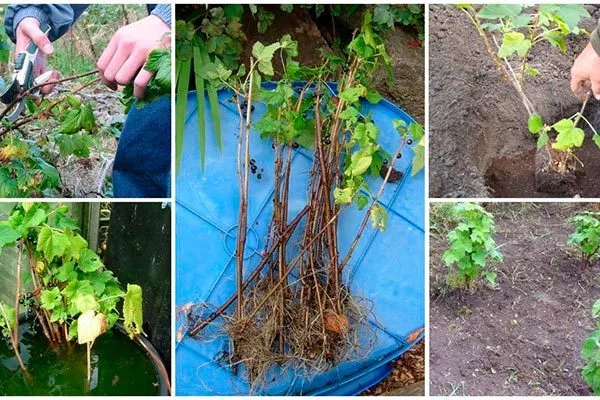
Then water them generously and leave them for 1-2 weeks. After this time, begin planting currants. Follow these step-by-step instructions:
- Place the seedling in the hole at a 45-degree angle. Place it 4 cm deeper than it was in the mother plant to encourage intensive root and shoot growth.
- Cover the roots with fertile soil mixed with peat and compost (2:1:1). Tamp it down lightly.
- Water the plant using 5 liters of water.
After 14-20 days of planting, add soil under the bushes. Make sure their root collars remain 5-7 cm deep. Mulch the soil with peat, humus, or sawdust. Prune the shoots to leave 2-3 buds on each.
Nuances of caring for the variety
The Venus blackcurrant is a variety that requires careful care. With strict adherence to proper cultivation practices, its bushes are disease-free, thrive, and produce a bountiful harvest of large, delicious berries.
Regularity of watering
The varietal variety of the crop tolerates drought well, but a lack of moisture causes a decline in its yield and a deterioration in the quality of the fruit.
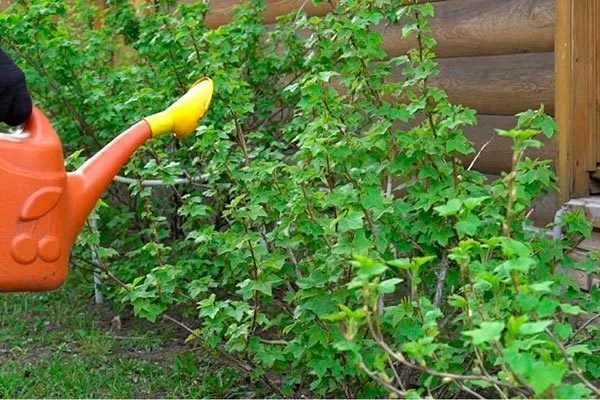
Provide your currant planting with regular watering to prevent such complications. During the season, moisten the soil under the Venus bushes four times, following the following schedule:
- in early June;
- at the beginning of July;
- in September;
- in November.
Use at least 20-30 liters of water per plant. Use water that has been warmed in the sun and allowed to settle. Watering too cold, as well as overwatering, can lead to diseases in berry plants.
What and how to feed the bushes?
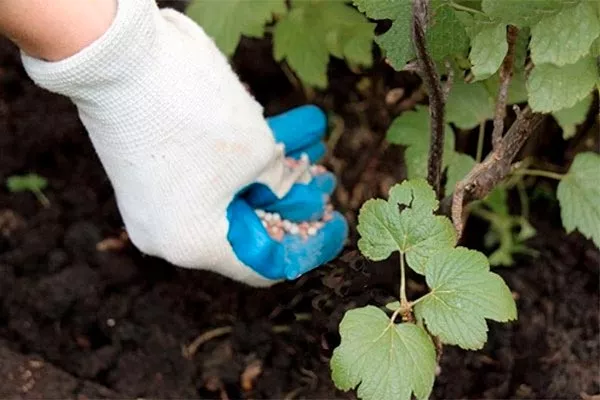
If the seedlings were transplanted into well-fertilized garden soil, they won't need fertilizing until they reach fruiting age. Fertilize them several times per season. Follow the nutrient application schedule:
- First feeding Plant during the bud swelling phase. Water the plants with liquid nitrogen solutions, such as a urea solution (20 g of solution per 10 liters of water). Use 20 liters of nutrient solution per plant.
For organic matter, use humus diluted with water (1:10) or bird droppings (1:15). The application rate is 15-20 liters per plant. - Second time Fertilize blackcurrant bushes before flowering (in April or May). Use a nitrophoska solution (50 g per 10 liters of water). Use 10 liters of the liquid solution per bush.
- Third time Spray the foliar surface with a nutrient solution. Time foliar feeding to coincide with the flowering phase of the bushes. This will ensure increased crop yield. Use ready-made complex micronutrient fertilizers: Humate + 7 Microelements, Uniflor Micro, Micro Mix.
Loosening and mulching the beds
After watering and rain, carry out the following care procedures:
- loosening the soil under berry bushes;
- weeding;
- mulching.
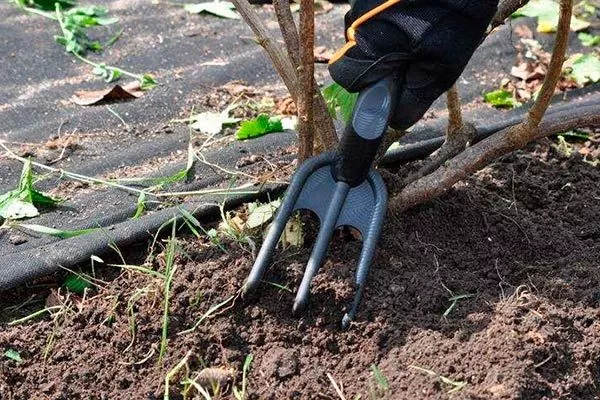
They will ensure rapid access of moisture and air to the currant roots. Remove weeds to prevent the risk of infection from the bushes' parasites and infections.
Cover the soil with a layer of organic mulch (5-10 cm thick). This will help retain moisture and suppress the growth of harmful weeds.
Pruning: formative, sanitary, rejuvenating
Carry out the procedure for the first time when planting a currant bush, shortening all strong and thick shoots to 3-4 buds and removing all thin/stunted branches.
Train the bush during the first five years of its life. Leave no more than 14-15 main shoots on a mature plant. For a six-year-old plant, perform rejuvenation pruning.
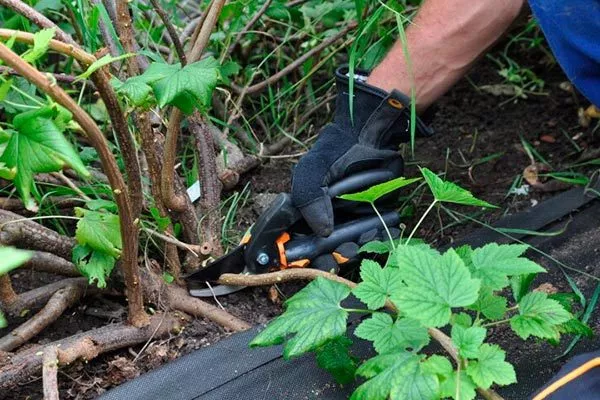
Carry out the sanitary procedure within the following timeframes:
- early spring (cut out all frozen shoots that thicken the branches);
- in the autumn, after harvesting (completely remove old, diseased, dry, broken and deformed branches, combat the thickening of currant plantings).
Pouring and hardening of bushes
In early spring (the first ten days of March), experienced gardeners practice watering blackcurrants with boiling water. This procedure is considered a simple and environmentally friendly method of protecting garden crops from diseases and pests. It improves the health of the bushes, hardens them, and strengthens their immune system.
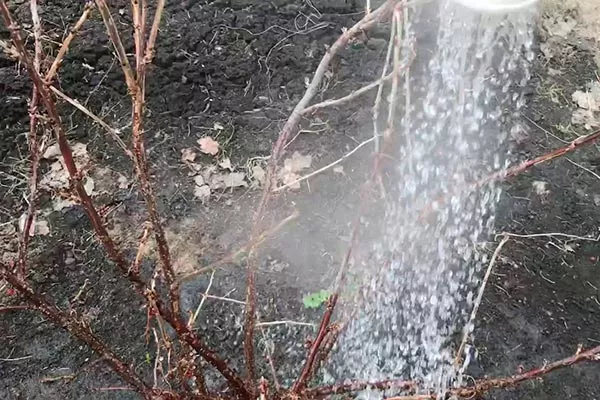
Perform the manipulation before the awakening of the plants of Venus, observing the rules:
- use water heated to +80°C;
- make sure that the weather forecast does not predict severe frosts after the event;
- the buds should already begin to swell;
- Quickly pour hot water over each shoot on the bush, using a watering can with a diffuser tip.
Preventive treatments
The Venus variety boasts strong immunity. Its bushes are resistant to many diseases that affect garden plants:
- powdery mildew;
- anthracnose;
- rust.
However, they are susceptible to septoria and bud mite attacks. Don't neglect preventative measures to avoid this problem and preserve the health of your blackcurrants, as well as your harvest. Begin treatment at the first sign of infestation.
Septoria leaf spot (white spot) is a common infection that causes small spots with a brown border to appear on leaves. These spots later develop into small dark spots. The foliage gradually begins to dry out and fall off. To combat the disease, follow these steps:
- remove and burn all dry and infected leaves;
- Spray the planting with a solution of copper sulfate or copper oxychloride (40 g of substance per 10 liters of water).
To prevent currant plantations from being affected by septoria, they should be treated with the following preparations:
- Bordeaux mixture with a concentration of 1% (carry out 4 sprayings per season: before budding, after flowering, 14 days after the second procedure, after harvesting);
- manganese sulfate in the form of a weak aqueous solution (water the soil under the bushes and spray the leaves with it).
Gardeners can identify damage to garden crops by bud mites by greatly swollen buds and small whitish spots on leaf blades and branches.
To prevent pest attacks on currant crops, they plant beds with the following garden plants near them:
- garlic;
- onions.
If you can't protect your bushes from the pest infestation, cut off all affected shoots. Remove them from the garden and burn them. Spray the plantings at the beginning of flowering with a garlic infusion (150 g of crushed garlic mixed with 10 liters of water).
Shelter for the winter
Venus currant is a frost-hardy crop. To ensure successful wintering of the bushes in harsh climates, properly prepare them for the cold season. This includes the following steps:
- pruning;
- top dressing with complex mineral compositions;
- mulching the tree trunk circle with organic matter: sawdust, hay, humus, grass (layer thickness - at least 5 cm);
- insulating plants with agrofibre and spruce branches.
How to propagate currant bushes?
Gardeners can propagate new Venus currant plants in several ways: cuttings, layering, and divisions. Choose the method that's most convenient for you.
By cuttings
Start propagating your garden plant using hardened cuttings in the fall. Complete the procedure before October 10th. Follow these steps:
- Select healthy and strong shoots from the bush that are 2-3 years old.
- Take cuttings from them. Length – 12 cm. Each one must have 5-6 buds.
- Tear off all their leaves.
- Place the cuttings deep into pre-fertilized soil at an angle, leaving a couple of buds above the surface.
- Cover the planting until spring. Use spunbond or polyethylene as a covering material.
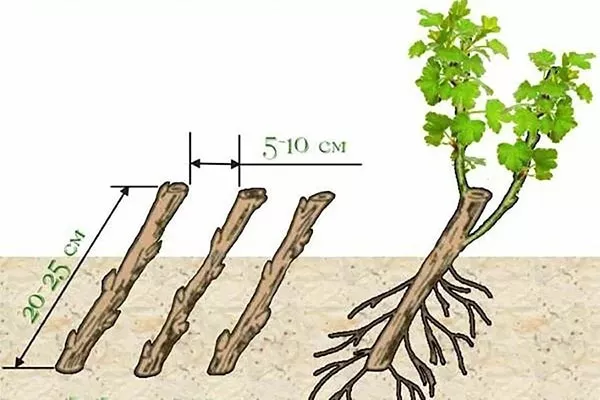
By spring, the seedlings will take root, and in the fall you can transplant them to a new location in your garden.
Green cuttings are also suitable for propagating currants. Take them from the bush in late May or early June, after new growth appears. Follow these steps:
- Take two-year-old healthy shoots. Cut them into cuttings, leaving 2–3 cm of wood at the bottom of each.
- Deepen the planting material into the ground to the height of the wood.
- Water the planting. Cover it with a layer of mulch.
By autumn, the seedlings will develop a root system and will increase in growth.
Layering
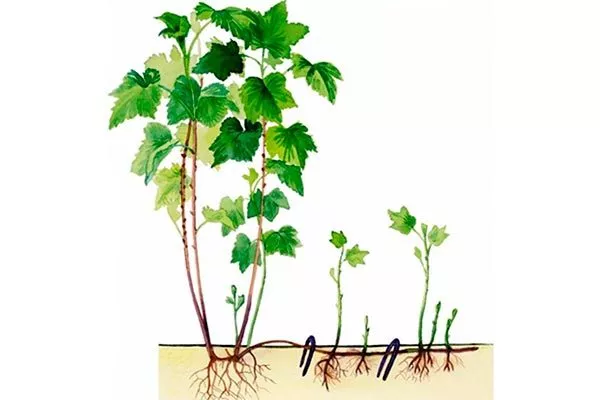
This method allows you to obtain blackcurrant seedlings within one year. Use it in early spring. Follow these step-by-step instructions:
- Select a strong, two-year-old shoot from the bush, growing at an angle.
- Bend it down to the ground. Press its center into a hole 10-12 cm deep, leaving 20-30 cm of the top above the ground. Secure the layering.
- Water it regularly throughout the growing season. By autumn, it will have developed roots and 2-3 branches.
- Separate the resulting new plant from the mother bush and transfer it to a permanent location in your garden.
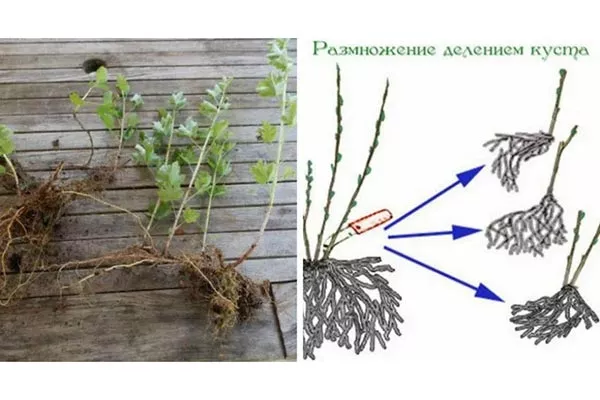
By dividing the bush
Propagate the Venus blackcurrant in spring or fall. Follow these steps:
- Dig up the bush.
- Divide it into pieces. Each division should have developed roots and an above-ground part.
- Trim off old and diseased branches and rotted roots from the planting material. Shorten young branches to 20-30 cm. Sprinkle the cuts with crushed charcoal.
- Plant the cuttings in pre-prepared holes. Water the plants.
Pros and cons
Domestic gardeners consider the Venus garden variety a superb variety in every respect, well-suited for both amateur and commercial cultivation. It boasts numerous advantages:
- self-pollination;
- early fruit bearing;
- good yield;
- drought and frost resistance;
- large size of berries;
- their dessert taste;
- the presence of healing properties;
- universal purpose of the crop;
- high resistance to anthracnose and powdery mildew.
Among the disadvantages of the variety, gardeners point out the susceptibility of currant bushes to septoria and attacks by bud mites.
Reviews
Venus is a popular classic blackcurrant variety, beloved by gardeners for its abundant and consistent fruiting, large berries, sweet flavor, and rich vitamin content. The berries are most often eaten fresh as a healthy summer dessert, and are also used to make treats such as jam, marmalade, and marmalade.