
Valentina is a unique golden currant variety that combines high yield, excellent flavor, and decorative appeal. Its medium-sized bushes are resistant to frost, heat, and most diseases, making them versatile for a variety of regions. With proper planting and careful cultivation, this crop will yield abundant fruit.
Description of the variety and history of origin
This variety was created by crossing the Black Giant and Ariadne's Gift varieties. Breeders L. S. Sankin, V. S. Salykova, and I. P. Kalinina, working at the Federal Altai Scientific Center for Agrobiotechnology, worked on its creation. In 2007, the crop was approved for use.
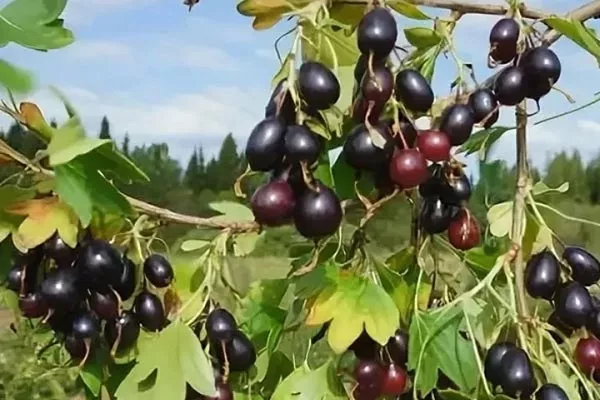
Distinguishing characteristics of Valentina:
- Bush - Medium-sized, reaching a height of 2.5-3 m. The form is moderately spreading, the shoots are thin, straight, brown in color, matte and without pubescence.
- Leaves - Three-lobed, medium-sized, smooth and matte, with a rich green color. The teeth along the edges of the leaf blade are short, sharp, and not curved.
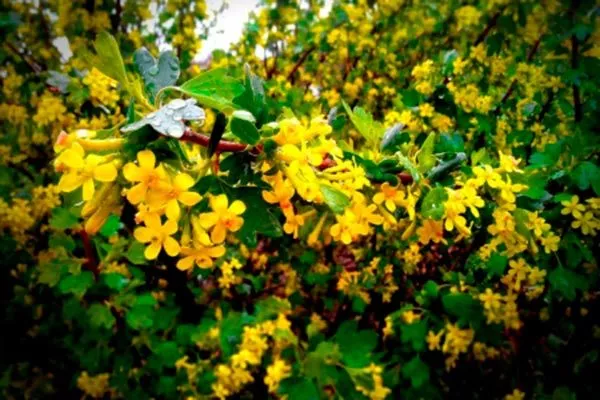
- Flowers – They are tubular in shape and bright yellow in color. The center is dominated by a corolla, which can be reddish or greenish.
- Berries - They are black in color, have a round-oval shape, and weigh about 1.4 g. The skin is of medium thickness, and the flesh is dense, juicy, and aromatic.
- ✓ The berries have a high gelling capacity due to their pectin content.
- ✓ The bushes demonstrate resistance to frost and drought, but are sensitive to lack of moisture during the ripening period of the berries.
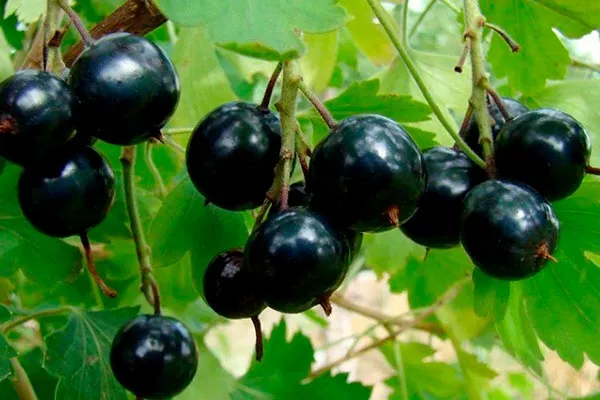
Thanks to their high pectin content, the fruits have excellent gelling properties. Ingredients:
- sugars – 10.2%;
- acids – 2.4%;
- vitamin C – 44.1 mg%;
- carotene – 5.2 mg%.
Characteristics of currants
This variety is considered a fast-growing, late-ripening variety. Its distinguishing feature is the uniform ripening of its berries, which significantly simplifies the harvesting process.
Other features:
- Valentina demonstrates high productivity, reaching 142 centners per 1 hectare.
- The crop is self-sterile, so cross-pollination with other currant species is required for fruiting.
- The bushes are frost and drought resistant, so they can be successfully grown in various climatic conditions.
The variety has strong immunity to most diseases and pests, but its resistance to red gall aphid is rated as average.
Application of Valentina
Golden currant is considered a versatile variety. Its berries are suitable for eating fresh, making desserts, compotes, jams, and juices. The fruits can be frozen, preserving their flavor and nutritional properties.
The leaves of this berry plant are widely used in folk medicine due to their high vitamin and microelement content. They are used to make decoctions and infusions that help with colds and strengthen the immune system.
Growing currants
Choose a sunny site protected from strong winds for planting seedlings. Light shade is acceptable, but for maximum yield, plant the bushes in well-lit beds.
The soil should be fertile, loose, and neutral or slightly acidic (pH 5-5.5). Stagnant areas are unsuitable, as overwatering can negatively impact the plant's root system.
- ✓ The soil pH level should be strictly within 5-5.5 for optimal nutrient absorption.
- ✓ The distance between bushes should be at least 1.5-2 m to prevent thickening and ensure sufficient air circulation.
Site preparation:
- 2-3 weeks before planting, dig the soil to a depth of 30-40 cm, remove weeds and roots of perennial plants.
- For each square meter, add 10-15 kg of rotted manure or compost, 200-300 g of wood ash, and 30-40 g of superphosphate. This will provide the seedling with the necessary nutrients.
- If the area is prone to stagnant water, provide a drainage system or plant the plant in a raised area.
Step-by-step instructions:
- Dig a hole 40-50 cm wide and deep. Leave at least 1.5-2 m between bushes to prevent them from becoming too dense.
- Pour a mixture of humus and fertile soil onto the bottom.
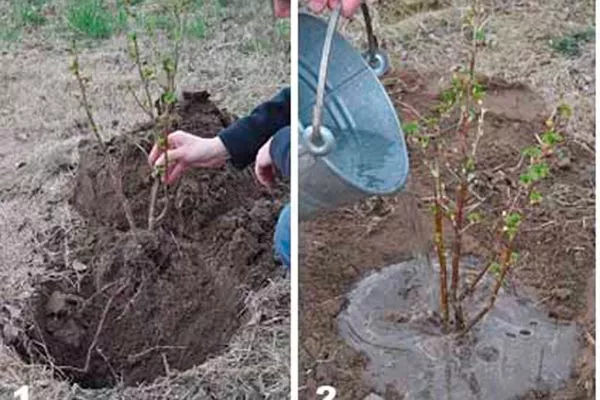
- Place the seedling in the hole at a 45° angle to encourage additional shoots. Place the root collar 5-7 cm below the soil level.
- Carefully cover the roots with soil, compacting it lightly so that there are no voids.
- Water the bush generously, using 10-15 liters of warm water.
- Mulch the tree trunk circle with a 5-7 cm layer of peat, compost or rotted sawdust to retain moisture.
- Trim the top shoots, leaving no more than 3-4 buds. This will help the plant root faster.
Proper crop care is the key to good future harvests. Follow standard agricultural practices:
- Watering. Currants require regular watering, especially during flowering, berry formation, and ripening. Water once every 7-10 days, depending on the weather. During dry periods, reduce the interval to every 5-7 days. Apply 20-30 liters of water per bush. Water into furrows or holes around the plants, avoiding drips on the leaves.
- Top dressing. For vigorous growth and a high yield, fertilize the seedling 3-4 times per season. Before bud break, apply nitrogen fertilizer (15-20 g of urea or ammonium nitrate). Before flowering, use organic matter (mullein infusion, bird droppings) or complex solutions (nitroammophoska).
During berry ripening, potassium (30-40 g potassium sulfate) and phosphorus (50 g superphosphate) fertilizers are effective. In the fall, after harvesting, fertilize with wood ash (200-300 g) or a complex fertilizer for berry crops. - Trimming. This procedure helps shape the bush, remove old and diseased branches, and stimulate new growth. In the spring, before bud break, prune away dry, damaged, and weak shoots. In the summer, after harvesting, prune branches that interfere with air circulation if necessary. In the fall, remove old shoots (over 5 years old), leaving 8-12 main shoots of varying ages.
- Soil care. Remove weeds regularly, as they compete with the plant for nutrients. After each watering, loosen the soil to a depth of 5-7 cm to improve oxygen access to the roots. Work gently near the root collar to avoid damaging the roots.
Apply mulch around the tree trunk with organic materials (peat, compost, humus, straw) to a depth of 5-7 cm. Mulch retains moisture, prevents weed growth, and improves soil structure. Apply this in the spring after the soil warms up, and renew it throughout the season.
Methods of reproduction
You can increase the number of seedlings at home yourself. There are several effective methods suitable for gardeners of varying experience levels. Each method has its own specific features, but all ensure successful rooting and development of new plants.
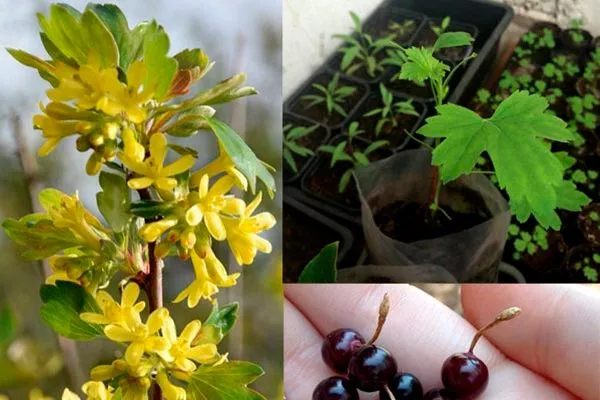
Popular propagation methods:
- By layering. In the spring, bend a healthy shoot toward the ground, secure it in a shallow furrow, and cover it with fertile soil. Regularly moisten and fertilize the rooting site throughout the season. In the fall or following spring, separate the rooted shoot from the mother plant and transplant it to its permanent location.
- Cuttings. In the fall or early spring, cut 15-20 cm long shoots with several buds. Place the cuttings in fertile soil at an angle, leaving the top bud above the surface. For successful rooting, ensure regular watering and cover.
Within a year, the plants will take root, after which you can transplant them to the site. - By dividing the bush. This method is used to rejuvenate the plant. Dig it up and divide it into several pieces, each with roots and shoots. Plant the divisions immediately in prepared holes.
Pros and cons
Gardeners choose the Valentina currant for its many benefits. It's important to research these before planting.
The plant doesn't have many negative qualities. Gardeners generally note its sensitivity to moisture stress during berry ripening, possible reduced yields when planted in shade, and the need for regular pruning to shape the bush.
Reviews
The Valentina currant is a popular variety that combines low maintenance and high yields. It attracts gardeners with its uniform ripening of berries, resistance to adverse conditions, and versatility. Standard care, including watering, fertilizing, and loosening, will help you achieve good yields.