
The Urozhaynaya currant variety is one of the most popular and sought-after among both experienced gardeners and novice berry bush growers. It boasts not only high productivity but also excellent flavor.
Description of the variety
This fruitful currant comes in both white and black varieties. It was bred in Russia and has established itself as one of the most popular varieties due to its resistance to adverse conditions and high yield.
General characteristics of the variety:
- Fruit ripens on both old and new shoots. Bushes begin bearing fruit in the second or third year after planting, although the first harvest is usually more modest.
- The variety has good frost resistance, withstanding temperatures down to -30°C. This makes it suitable for regions with harsh winters. The crop is drought-resistant, but lack of moisture and prolonged hot periods may reduce productivity.
Harvest is highly resistant to most common currant diseases, such as powdery mildew and anthracnose. However, in high humidity and poor ventilation, powdery mildew may occur, so preventative treatment is recommended.
| Method | Efficiency | Period of application |
|---|---|---|
| Fungicides | High | Before flowering and after harvest |
| Biopreparations | Average | All season |
| Folk remedies | Low | All season |
Types
The Harvest variety is represented by several varieties, including white and black currants. White currants have a milder flavor and lighter-colored berries, while black currants have a rich aroma and a sweet and sour taste.
| Name | Color of berries | Taste | Disease resistance |
|---|---|---|---|
| Black | Black | Sweet with a slight sourness | High |
| White | Light yellow | Sweet | Average |
Black
Blackcurrants of the Urozhaynaya variety have a rich, sweet flavor with a slight tartness. The fruits are rich in vitamin C and other beneficial nutrients.
Appearance of the bush
The bush has a semi-spreading form. Distinguishing characteristics:
- Escapes – They are colored reddish-brown, which gives the plant an attractive appearance.
- Leaves - large, leathery, dark green in color, which provides good protection from external influences.
- Brush – not long, each produces 4-5 berries, which makes harvesting easy.
The Urozhaynaya currant variety is characterized by high yields. Depending on growing conditions, a single bush can yield between 4 and 7 kg of berries.
Berries and their taste qualities
The fruits are black and small, weighing approximately 0.7 g each. They have a round shape and a sweet flavor, making them particularly attractive for processing.
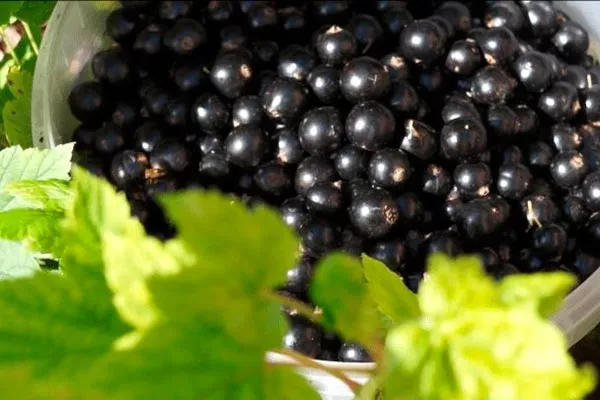
This variety boasts excellent flavor, making it ideal for making preserves, jellies, and marmalades. Urozhaynaya currant is an excellent choice for those who appreciate sweet berries with versatile culinary uses.
White
The plant is resistant to powdery mildew and bud mites, but is slightly susceptible to anthracnose. The variety is highly winter-hardy.
Appearance of the bush
The Urozhaynaya white currant variety is upright and slightly spreading, making it ideal for planting in small spaces. It begins bearing fruit in the second or third year after planting, ensuring a consistent harvest in subsequent years.
The clusters are medium-length (4-5 cm) with large berries that hang on the plant for a long time without falling off. This variety is characterized by high yields, reaching up to 8 kg per bush. This is a mid-late variety, with the fruits ripening after July 15th.
The shrub has excellent resistance to disease and frost, making it a good choice for growing in a variety of climatic conditions.
Berries and their taste qualities
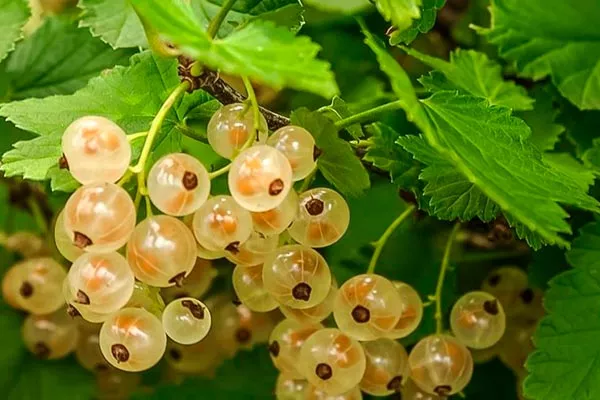
The berries are light yellow, translucent, with a characteristic sweetness and less pronounced acidity than blackcurrants. They're a good choice for those who prefer a milder flavor and want to use the fruit in desserts and drinks.
Care and cultivation
The crop prefers sunny, well-ventilated sites protected from strong winds. This is important for optimal growth and maintaining fruit quality.
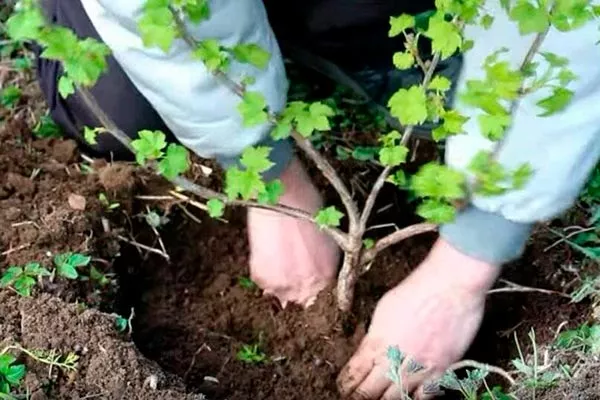
The best time for planting is spring, before the sap begins to flow, or autumn, 3-4 weeks before the onset of frost.
- ✓ The optimal soil acidity for the Urozhaynaya currant should be within the pH range of 6-7, which is not indicated in the article.
- ✓ To prevent powdery mildew, it is recommended to use not only fungicides, but also biological products based on Bacillus subtilis, which increases plant resistance without chemical exposure.
When planting Urozhaynaya currants, follow these recommendations:
- Prepare holes approximately 30-40 cm in diameter and depth. Add humus, compost, or phosphorus fertilizer to the bottom of the holes to provide the plants with the necessary nutrients.
- Place the seedlings so that the root collar is level with the soil or slightly buried (3-5 cm). After planting, thoroughly water the bushes.
- Currants require regular watering, especially during flowering and ripening. Apply water at the roots, avoiding drips on the leaves. Water once a week during hot summer days, and more frequently during dry periods.
- The plant responds well to organic and mineral fertilizers. In the spring, use nitrogen fertilizers to promote active growth, and during the fruiting period, apply phosphorus-potassium fertilizers to improve berry quality. Fertilize the bushes three times per season: in early spring, during flowering, and after harvest.
- Regular pruning helps maintain plant health and promotes a larger harvest. Remove old, damaged, and weak shoots, as well as branches growing inward. This will improve light and air circulation.
- To protect roots from overheating and excess moisture and prevent weed growth, mulch the soil. Use straw, sawdust, or compost.
- The fruitful variety is characterized by strong immunity, but for prevention, treat the bushes with fungicides or insecticides. Use folk remedies such as garlic or onion peel infusion.
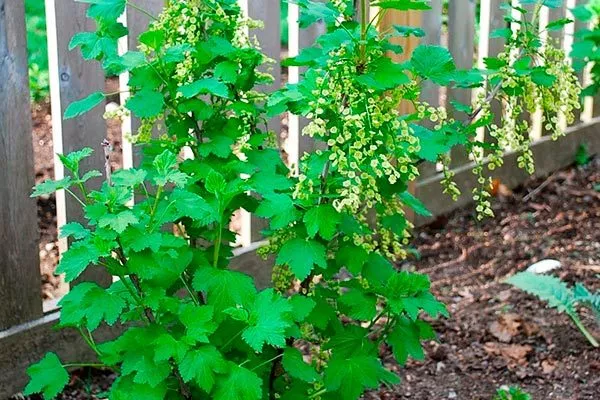
The plant is resistant to severe frosts, but in regions with cold winters, it is recommended to insulate young seedlings using non-woven material or by mulching the trunk circle with a layer of pine needles or straw.
Reviews
The Urozhaynaya currant is an easy-to-grow and highly productive variety that adapts well to a variety of climates and produces fruit vigorously throughout the season. It is popular for its disease resistance, high frost tolerance, and excellent berry flavor. Proper care will ensure a consistent and abundant harvest.