
Currants are easy to grow, hardy, and produce a good harvest in the second year after planting. Furthermore, currants contain beneficial vitamins (A, B, C), iodine, and coumarin. In this article, you'll learn how to care for currants in the spring, pest control, replanting, and propagation methods.
Features of currant care in spring
After winter, a busy time arrives for every gardener. This is a time of intense labor to ensure a bountiful harvest in the fall—the season of replanting, propagating, and fertilizing shrubs begins. The most important thing is to time the work correctly, between the plant's dormancy and the growing season.
In addition, we also recommend that you read the article, which will tell you about How to care for currant bushes in autumn.
Removing the cover after winter
During the winter, currant bushes are usually covered with plastic or other materials to prevent them from freezing in extremely low temperatures. If temperatures drop to -35 degrees Celsius, it is recommended to cover the bush with boards, straw, or pine needles.
In the spring, all materials, bricks, and pins used to secure the shelter to the ground are removed. The plant is straightened until it reaches its full length. If you laid the bush branches in special trenches or furrows, these should also be removed, and the plant should be returned to its normal appearance.
After removing the covering, the first step is to clean the area around the bush—remove mulch, fallen leaves, and any debris. Use a rake to collect fallen leaves, as they can harbor pests, which migrate to the bush itself when the weather warms up. Therefore, there should be no rotten leaves.
Watering
Currants thrive on water; natural rainfall is insufficient, so they need regular watering. It's especially important to avoid dryness during flowering, fruiting, and after harvest. One bush requires 20 liters of water per week, but avoid stagnant water.
- ✓ The water temperature for irrigation should not be lower than 18°C to avoid stressing the plant.
- ✓ Watering should be done early in the morning or late in the evening to minimize water evaporation.
Loosening
Loosening the soil is an important part of plant care. It helps control pests and is essential for removing weeds. It also helps oxygenate hardened soil. It should be done at least twice a year, in spring and fall. Fertilizer can be applied before loosening.
Mulching
This is a very good preventative measure against harmful insects and parasites. Mulch acts as a moisture reservoir during the summer and prevents pests from overwintering in plant roots during the cold season.
In winter, mulch freezes so much that it kills the insect pupae inside. It also prevents weeds from growing too much. Sawdust, hay, dry grass, bark, and dry manure are used as mulch. Learn more about soil mulching in this article.
Grass clippings and leaves are especially popular with gardeners; after decomposing, they become excellent fertilizer. Pine needles and bark contain large amounts of phytoncides, which repel pests.
Compost and manure protect the soil well from excess ultraviolet radiation and provide good aeration.
Fertilization
Healthy plants in good soil typically don't require additional feeding for the first two years. The first fertilizers can be applied in the third or fourth year of currant growth. Compost, humus, superphosphate, and ash are suitable for this purpose.
In the first weeks after warming, plants don't need fertilizer; they get all the nutrients they need from melted snow. Fertilization should be done a little later, until late May or early June.
Watch a video about fertilizing currants in the spring:
After the dry period begins, fertilizers are applied every 3-7 days, depending on the instructions for the product.
In early spring, nitrogen fertilizers are best for currants; apply them to the soil around the bushes. After flowering, organic matter such as manure, chicken manure, and other fertilizers can be used.
Weed control
No plant can thrive without weeds, as they suck all the nutrients and moisture from the soil. Regular control is essential.
Weeds are especially dangerous for young currant shoots, as they don't yet have the strength to resist them, and a lack of minerals and water will affect the development of the entire bush.
Weeds should not be allowed to appear at a distance of less than 0.5 m from the plant, but it is better if it is about 1-1.5 m.
Once the area has been cleared, you can plant currant-friendly plants. These include dill, garlic, celery, marigolds, calendula, and others. All of these are relatively easy to grow and thrive in any soil except sand.
It's important to remember that when fighting weeds, you shouldn't use special chemicals. Substances harmful to weeds will also be detrimental to currant bushes, especially young, immature bushes. Their damage can be so severe that they can even kill the shoots.
Pruning and tying bushes
Proper plant care includes mandatory pruning, sanitary maintenance, and bush-shaping. These should be performed at least once a year.
Sanitary pruning removes old, damaged, and diseased branches from the bush. Formative pruning removes excess, overhanging branches and shapes the currant bush into its proper shape.
The most productive branches are those 2-3 years old. Their tops should be pruned to encourage new shoots. Any excess growth is removed to ensure that the plant's energy is concentrated in strong, healthy parts rather than wasted on weak, diseased branches.
In the video below, a gardener shares his experience pruning currants in the spring:
Treatment against diseases and pests
No plant is completely resistant to all pests. Although currants are relatively easy to care for, they still require periodic disease and insect control. There are many preventative measures available, each tailored to the specific problem.
Fire treatment
Another pest control method is fire treatment. Normally, buds have a strong covering and are not harmed by short-term exposure to fire. This method is very effective against various insects and parasites.
It's best to carry out this treatment in early spring, in March, before the plant has fully emerged. Take a torch or gas burner, hold it at least 10 cm away from the branches, and run it up and down them several times.
Carry out the procedure with great care so as not to damage the plant.
Treatment with boiling water
Hot or boiling water treatment is the first step in combating pests. Regardless of the method you use, the first step is to spray the bush with hot water. This flushes out larvae and small insects burrowed under the bark and also kills many pathogenic bacteria.
To treat currants with boiling water, you can use the following recipe:
- add 10 aspirin tablets to a bucket of boiling water, stir well;
- pour the solution into a large watering can;
- thoroughly treat all branches of the bush with the solution;
- A bucket of solution should be enough for 2-3 medium bushes.
Adding copper sulfate to the water creates an excellent remedy against aphid larvae and powdery mildew. To do this, take 100 grams of copper sulfate and 10 liters of water. Mix and thoroughly spray the roots and branches of the currants. Repeat the treatment for several days.
Avoid watering the plant with boiling water; the temperature should be no higher than 80 degrees Celsius. Pour the hot water into a watering can and water each bush, keeping it 10 cm away from the branches.
The video below clearly demonstrates how to process currants in this manner:
Treatment with biological preparations
Biopreparations include products that contain active ingredients of plant origin, such as:
- Lepidocide– works well against moths, currant glassworms, and geometer moths. This product inhibits the reproduction of insects, preventing them from reproducing and causing them to die. The required air temperature for treatment is 15 degrees Celsius.
- Bitoxibacillin– affects the intestinal functions of parasites, preventing them from feeding and causing their death. Do not use during flowering and fruiting periods. The air temperature during spraying should be at least 17 degrees.
- TrichoderminThe active ingredient has an effect on pathogenic microbes. It is a safe product and can be used even during the fruiting period. It is effective at temperatures starting from 14 degrees Celsius.
Treatment with pesticides
Chemical pesticides are very effective in controlling pests, but many gardeners are wary of using them for fear of harming human health. There are specific pesticides for each type of pest, and they will be most effective if used according to the instructions.
In spring, during the period of mass butterfly emergence, currants are sprayed for the first time with Fufanon, Iskra-M, Kemifos, and other products. The second stage of treatment, during the budding period, is when products such as Actellic, Kinmiks, and Fufanon are beneficial.
If you suspect fungus on your bush, use Novosil, Epin, or Zircon as soon as the first leaves emerge. Repeat the treatment when the first flowers appear.
Folk remedies
There are many time-tested methods of pest control. They are quite effective and pose no harm to human or plant health. We'll discuss some of them below.
May is the blooming season for elderberries and lilacs. Currant blossoms also open at this time. Stick sprigs of these flowers into the center of the bush, and insects will be drawn to the stronger, more appealing scent.
An onion solution is also a good folk remedy. To prepare it, take 100 grams of garlic and onion, chop them, and add a bucket of water. Let it steep for 24 hours. Strain the solution and spray the branches. One bucket is enough for 2-3 bushes.
You can also use a solution of laundry soap or tar. Take 200 g of your chosen solution, grate it, and mix it with a bucket of water.
For folk remedies to have an optimal effect, you need to continue using them for at least 5 days in a row, and repeat the course again after the currants bloom.
Transplanting currants in spring
Experienced gardeners are of two minds: some believe that transplanting currants in early fall, before temperatures drop below freezing, will cause less stress to the plant than doing so in spring. Others believe it's better to transplant currants in spring, when the soil warms to 5-10 degrees Celsius.
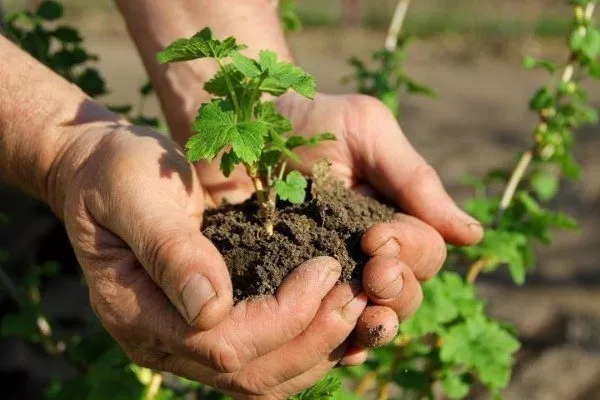
It's worth noting that severe winter frosts can harm immature, weak plants. Therefore, it's important to familiarize yourself with the specifics of spring currant transplanting:
- It's important to choose the right transplanting location. Most importantly, avoid planting currants in a dark spot. This plant thrives on sunlight; if it's not enough, the berry production decreases, and the bush weakens, becoming susceptible to various diseases and pest attacks. If the planting site is too damp, fungal diseases, such as brown spot, may develop. Currants need open, open space and plenty of sun.
- The soil for replanting shouldn't be too wet, otherwise the roots will quickly rot. Marshy areas and areas with shallow groundwater are not suitable for currants. Medium-moist black soil with some loam is best.
- Avoid planting currants in a "second tier" as they are too susceptible to fungal diseases. It's best to plant them separately from other plants.
- Red currants thrive in soil with some sand. If you don't have this, you can create your own by simply adding about 5 cm of crushed stone and 10-15 cm of sand to the soil.
By following these simple rules, you'll be able to get a good harvest of berries as early as next year. The bush will begin bearing fruit at full capacity in 2-3 years.
Propagation of currants in spring
If you decide to plant or propagate currant bushes in the spring, remember that these plants wake up quite early. You need to monitor the bush to ensure all procedures are completed before the growing season begins, otherwise you can seriously harm the plant. Also, choose your propagation method in advance.
Cuttings
Propagation by cuttings is very popular because it's very simple and cost-effective. For example, from a single bush, cuttings can produce 10, 20, or even 100 new plants.
Hardwood cuttings are usually taken in the spring and fall, while green cuttings can be used in the summer. Hardwood cuttings are shoots that are about a year old. Choose strong branches from healthy bushes. If you're taking cuttings in the spring, you can prepare the cuttings during the currant bush pruning season.
- ✓ The presence of at least three healthy buds on each cutting.
- ✓ No visible damage to the bark or signs of disease.
Pay attention to the size of the cuttings. They should be mature, at least 6 mm in diameter, and at least 15 cm long. The length of the shoot determines the amount of nutrients the plant needs during the adaptation period.
When forming cuttings, make a cut at the top, above the bud, using scissors or a knife; the distance from the bud should be about 1 cm. Make an oblique cut at the bottom, under the bottom bud.
Plant the cuttings in well-prepared holes filled with compost and manure. It's best to plant young shoots along a string 10-15 cm high. Leave at least 40 cm of space between the cuttings to make transplanting to their permanent location easier.
To help the cuttings adapt quickly, you can soak them in a growth stimulating liquid, leave them for 12-24 hours, and then place them in prepared soil.
Propagation by cuttings is a very simple process with good results; if done correctly, almost all shoots will take root. This method doesn't require much time or effort and will yield a good harvest within a year.
Layering
Another proven method for propagating currants is layering from the main bush. Its main advantage is its almost 100% survival rate.
This method can be used for any currant varietiesIt involves placing the cuttings in trenches created by the mother plant, which resemble sunbeams, and then covering them with soil.
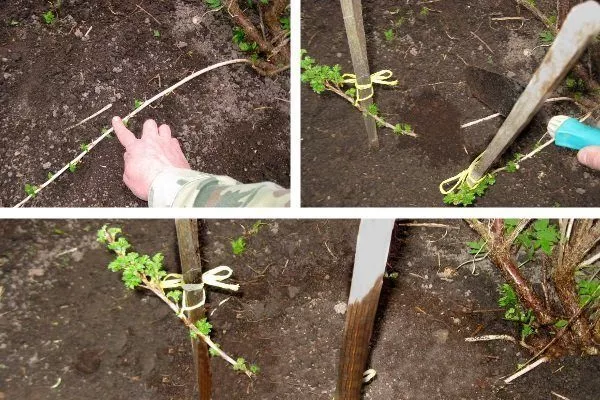
To secure the cuttings more securely, install wire or a stake in a V-shape. This will help the young plants adapt. After a year, when they have established themselves, the wire can be removed, and then the plants can be planted in their permanent location.
Features of currant care in different regions
Currant care requirements vary depending on climate, soil, rainfall, and many other factors. Here are some basic rules that remain consistent across regions:
- well-lit landing site;
- soil with moderate moisture;
- not too dense planting of bushes;
- timely watering and fertilization;
- preventing large numbers of weeds;
- fight against parasites and diseases;
- seasonal pruning.
In central Russia, pruning of bushes is usually carried out in February, in the Urals after all frosts - in late March, early April.
Pest control begins at different times in each region, depending on when insects emerge from the soil.
Plant feeding and fertilization depend on the soil and vary depending on the climate zone. Belarus has good soil, so fertilizing can be done every two years. In the Urals and Siberia, fertilizing is necessary every year.
Since any plant is subject to temperature changes and is very dependent on the weather, different varieties of currants, specially bred for a particular region, will grow well in each climate zone.
The following varieties are suitable for the Urals and Siberia:
- Pygmy;
- Nika;
- Annadi;
- Venus;
- Fun;
- Rachel;
- Lydia.
There are far fewer varieties for Belarus and Ukraine, as their warmer climates allow for the cultivation of a wide variety of other berries, such as strawberries, raspberries, and gooseberries. However, we will still list the varieties suitable for warm climates:
- Belarusian;
- Blueberry;
- Claudia;
- Pavlinka;
- Sanyuta;
- Lazy.
There are also differences in planting the bush seedlings. Ural varieties take root well in the fall and are more frost-resistant, while Belarusian varieties are best planted in the spring.
Currants don't tolerate being near apple trees, even if they're spaced 4-5 meters apart. The berry bush may stop growing and even produce fruit. Therefore, if you have many apple trees in your garden, you need to carefully consider where to plant them.
Common mistakes in grooming
The most common mistakes inexperienced gardeners make when growing currants are:
- Incorrectly chosen location for planting bushes.
- Shady areas are harmful for this plant – it bears less fruit and suffers from diseases and parasites.
- A location that's too exposed and hot, with scorching sun, can also cause scorched upper leaves, drying out of the tops, and poor yields. The best location is one where the bush remains shaded by a building, tree, or fence during the hottest part of the day.
- The gardener's reluctance to prune the bush in a timely manner. Initially, many believe that the larger and more spreading the bush, the more berries they will harvest. But if the currant bush grows too much, the light falls unevenly on the branches, the bush becomes wild, and the yield declines.
- Natural rainfall is insufficient for currants; they require regular watering. Water shortages are especially detrimental during periods of active growth, development, and reproduction.
Currants are a fairly easy-to-grow plant, and if you follow all the care recommendations, they will delight you with a bountiful harvest every year. To achieve this, simply follow the tips above.