
Titania currant is a reliable choice with good productivity, disease resistance, and the ability to tolerate adverse conditions. Despite some peculiarities, this crop is deservedly considered one of the best for growing in various climates. Regular care and proper agricultural practices will ensure a stable and tasty harvest.
Breeding history
This type of berry bush was developed by Swedish breeders back in 1970. Scientists used the Kajaanin Musta-Tamas and Dessertnaya Altayskaya varieties as their starting material. It was brought to Russia in the 1990s and quickly gained popularity.
Description of the bush and berries
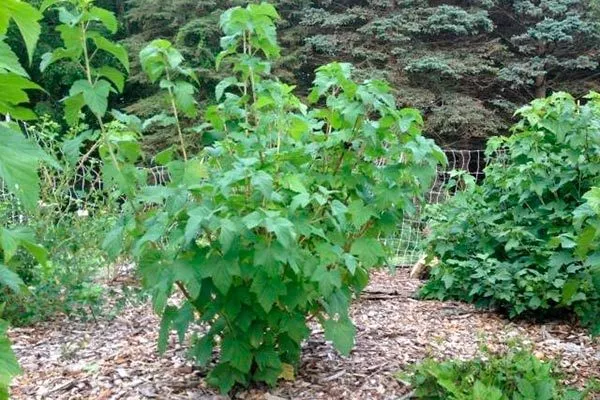
The plant is vigorous, reaching 1.4–1.5 m in height, densely covered with foliage, with strong, upright shoots. The crown is rounded, approximately 1.5 m in diameter. The leaves are large, bright green, and slightly wrinkled. The fruit clusters are long and dense, containing up to 20–23 berries.
Fruit characteristics:
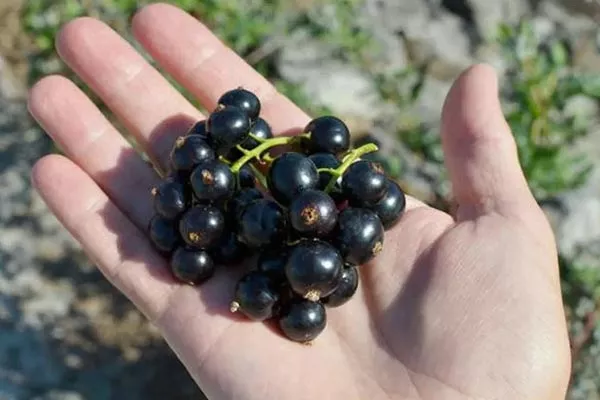
- Form - round, with uneven sizes: larger in the upper part of the bunch, smaller in the lower part.
- Weight - varies from 1.5 to 2.5 g, there are specimens weighing up to 3-4 g.
- Peel - glossy, black and dense, but easy to eat.
- Pulp – juicy, greenish, dense, without excessive wateriness.
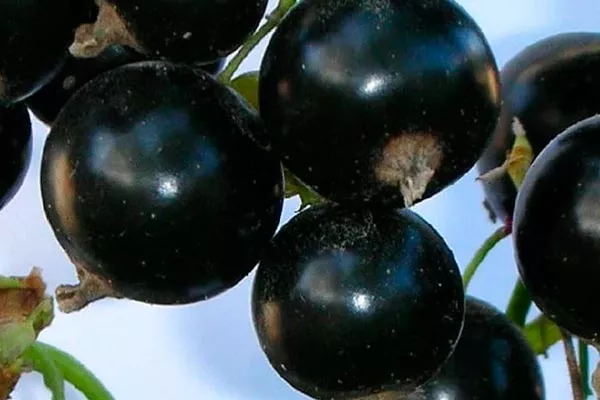
The sugar content in the berries reaches 6.6%, and vitamin C – 170 mg.
Characteristics of the variety
Titania is a currant variety with an early fruiting season. It boasts numerous varietal characteristics, making it highly prized by gardeners in our country.
Drought resistance, frost resistance
Characterized by high resilience: the bushes easily adapt to various climate conditions and tolerate extreme weather conditions. The plant can survive winter temperatures even below -34°C.
Even if a bush is damaged by spring frosts or a sudden cold snap after a thaw, the yield loss is only about 25% of the average. Gardeners note that the plant can bear fruit for decades, even in abandoned plots, without regular watering and pruning.
The dense, leafy shrub tolerates heat well, and its root system can withstand long periods of drought.
Productivity and fruiting
This variety is considered mid-early in terms of ripening time. Flowering begins in the second half of May, and the first fruits, at the technical maturity stage, appear 40 days later. Harvest begins in July and can last for more than a month.
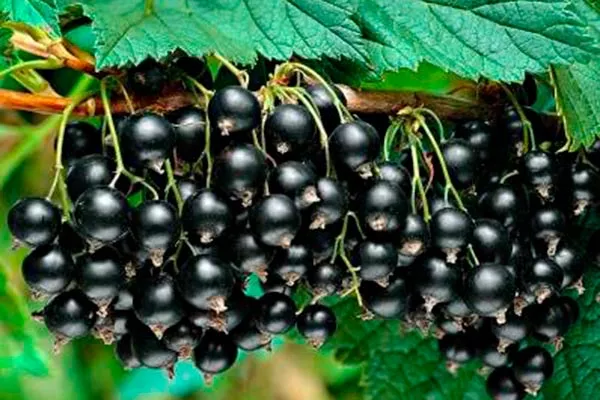
Ripe black berries are picked every 10 days, leaving the green ones on the branches to ripen further. Yield depends on care and the age of the plant and averages 2 kg per young bush. Trees 5 years and older yield around 8-10 kg of berries.
Taste characteristics
The fruits have a sweet and sour taste, with distinct wine notes and a characteristic currant aroma. They are firm and not watery. The variety received a high tasting score of 4.6 out of 5.
Application of fruits
Blackcurrant's tart flavor isn't to everyone's taste, but its classic wine-like aftertaste and rich aroma make it popular in the production of light alcoholic beverages, juices, syrups, confectionery, and canning. Currants freeze well and retain their flavor when dried.
The dense flesh and tough skin allow for mechanical harvesting. Thanks to its excellent shelf life (up to two weeks) and the ability to transport the berries over long distances, this variety is popular among farmers.
Self-fertility and the need for pollinators
Titania currant is self-fertile, capable of pollinating itself and does not require planting other varieties nearby.
Landing features
Proper seedling cultivation plays a key role in its future development and yield. It's important to select a suitable site and prepare it. The plant's future development directly depends on this process.
Landing dates and location
The optimal time to plant bare-root seedlings is autumn, but they can also be planted in early spring, before bud break. Container-rooted seedlings can be cultivated in both autumn and spring.
Blackcurrants grow well in slightly acidic, loose, fertile soils with good drainage. In heavy soils, add 10 kg of sand or limestone to the planting hole. Acidic, waterlogged, and clayey areas are not suitable for this crop.
For planting, choose level areas, avoiding lowlands, hills, swampy areas, and areas with stagnant water. The groundwater level should be no higher than 1 m. Titania thrives in full sun and partial shade.
Selection of planting material
Purchase currant seedlings from specialty stores or garden nurseries. For planting in open ground, choose one- or two-year-old plants with open or closed root systems.
The roots should be healthy, showing no signs of wilting, and the branches should be firm, with developed buds and no mechanical damage, at least 50 cm long. Choose plants with long branches, as they will be positioned diagonally in the planting hole, and the above-ground portion should be at least 15-20 cm long.
Site preparation
The crop requires good nutrition, so carefully prepare the site before planting. A month before planting, evenly cover the beds with:
- 10 kg of rotted compost or humus;
- 150 g nitroammophoska;
- 200 g of wood ash.
This amount of fertilizer is calculated for 1 square meter. After adding these components, loosen or dig up the beds.
Step by step process
If the necessary fertilizers weren't added in advance, add them directly to the planting hole. For one bush, you'll need:
- 1-1.5 kg of rotted manure;
- 10 g Superphosphate;
- 200 g of ash.
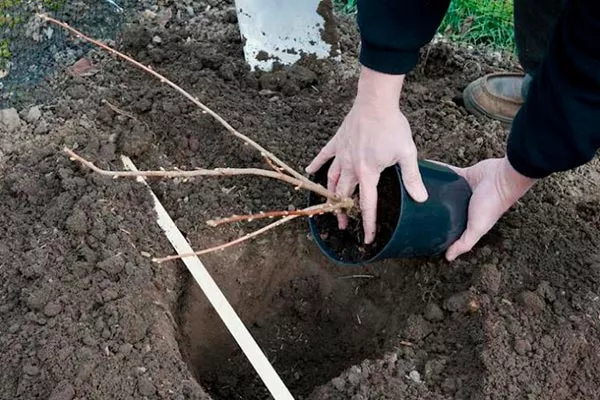
Landing algorithm:
- Dig a hole measuring 40x40x40 cm and fill the bottom with 10 liters of water.
- Place the seedling in the center at a 45-degree angle, burying the root collar 6 cm below the soil level.
- Carefully straighten the roots and cover with soil.
- Form a hole with sides around the bush and pour in 10 liters of warm water.
- Mulch the tree trunk circle with fresh soil, sawdust or peat.
Care
Caring for currants is no different from caring for other fruit and berry crops. It's important to keep the planting hole clean, regularly loosen the soil, remove suckers, and perform other standard agricultural practices. Yields depend on this.
Watering
Titania thrives in moisture but does not tolerate overwatering. With sufficient rainfall, supplemental irrigation is not necessary. If moisture is insufficient, perform three main waterings per season:
- during fruit formation;
- after harvest;
- before wintering.
Moisten the soil to a depth of 50 cm. Currant roots are located in the upper layers of soil, and if there is insufficient moisture, the root system develops poorly, weakening the bush.
Top dressing
For good growth and a bountiful harvest, provide your crop with adequate nutrition. Apply fertilizer according to the season:
- In the spring. Apply 30g of urea or other nitrogen-containing compound, dig in and moisten well.
- In autumn. Use 5 kg of humus, add 20 g of potassium sulfate and superphosphate.
Currants respond well to foliar feeding with complex fertilizers containing nitrogen, phosphorus, potassium, boron, and other micronutrients. When planting Titania in poor peat, sandy loam, and loamy soils, regularly feed the bushes with solutions of manure, bird droppings, and wood ash.
Trimming
Prune in late fall and early spring. During the first three years after planting, train the sapling to shape the bush. Each year, leave 4-6 of the strongest shoots and prune back the previous year's branches—they should have 3-4 buds. By the time the tree is four years old, it should have 16-25 branches.
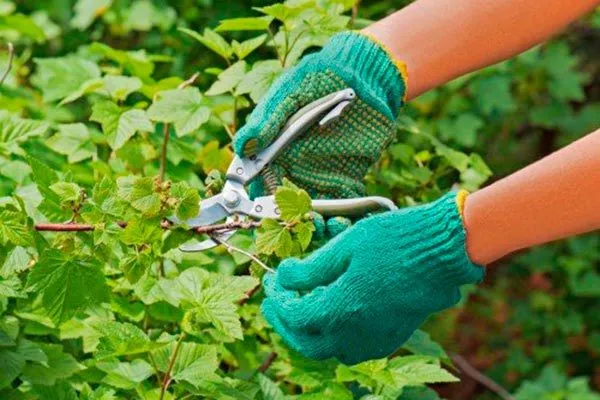
Perform sanitary pruning annually, removing damaged, dried, and diseased branches. Prune six-year-old shoots, including suckers. To improve branching, shorten three- to four-year-old shoots by three to four buds, and trim off the tips of last year's shoots.
Preparing for winter
Titania can withstand frosts down to -24°C, but lower temperatures can damage or kill the plant. To protect the bushes from frost damage in late autumn, provide winter protection.
In regions with relatively warm winters, do not cover the bushes, but cover the area around the trunk with wood chips or soil, creating a mulch layer at least 10 cm thick. In snowy and cold regions, bend the shoots to the ground and cover them.
Tie the shoots to a taut rope or weigh them down with a brick, but be careful not to damage the stems. Cover them with mulch or a thick layer of snow. Wrap them in agrofibre or special insulation material. Polyethylene and similar materials are not suitable.
Plant protection
Weak Titania bushes exposed to overwatering, drought, or lack of fertilizer can be susceptible to fungal diseases. Adherence to proper cultivation practices for this variety is crucial. To combat bud mites, use new-generation acaricides.
Blackcurrants, rich in vitamin C, pectin, and micronutrients, are known for their absorbent properties. They are easy to care for, and with proper watering and fertilizing, you can enjoy a healthy harvest year-round.
Diseases and pests
Titania is characterized by good resistance to powdery mildew, anthracnose, and various pests. The main threat is weakened plants, so ensure proper care.
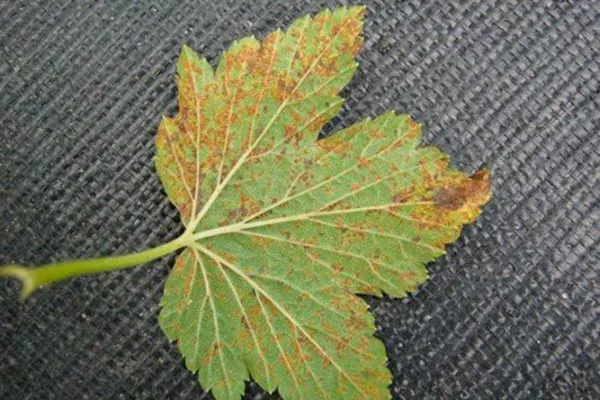
Possible difficulties:
| Disease/Pest | Signs | Processing period | Control measures |
| Anthracosis | A fungal disease. The bark loses its elasticity and cracks. Small bumps appear in the cracks, and the branches dry out. | Before bud break; 10 days after harvest. | Preparations Kuprozan, Phtalan according to the instructions. |
| Vein mosaic | A viral disease. In June, a bright yellow pattern appears around the veins on the leaves. | Early spring. | Bordeaux mixture 1%. |
| Terry | A viral disease. Sterile, abnormally shaped flowers appear, the petals elongate, turn lilac, and become double. The leaves elongate, turn dark green, and the scent disappears. | During the growing season. | Uproot and burn affected bushes. |
| Columnar rust | A fungal disease. Yellow spots appear on the upper side of the leaf, and orange growths with yellow or orange hairs appear on the lower side. | During bud break. | Bordeaux mixture 1% or Nitrafen. |
| Currant shoot gall midge | A small midge (3 mm). The larvae develop under the bark and feed on shoots. Signs: dark spots and cracks, drying of branches. | Budding period. | Use Karbofos and Rovikurt. Prune out damaged shoots and dig up the soil in the fall. Avoid mechanical damage. |
| Currant glasshouse | A butterfly (20 mm) with lilac and black scales. The larvae eat out the core of branches, causing them to wither or dry out after flowering. | Before the buds open. | Preparations Rovikurt, Karbofos. |
| Spider mite | The brown insect (0.4 mm) feeds on plant sap, causing light spots and discolored areas on the leaves. | Before bud break | Preparations Votafox, Apollo. |
Harvesting and storage
The fruits of the Titania currant ripen gradually, so harvest them 3-4 times during the summer. Despite the heavy bunches, the bushes withstand the weight well and do not break. Sort the harvested berries, remove any debris, and treat them if necessary.
If transporting or storing for a long time, do not wash the currants to avoid reducing their shelf life. They will stay fresh at temperatures between 1°C and 5°C for 14-16 days. For longer storage, freeze or dry the currants.
Reproduction
Gardeners successfully propagate currants at home. There are several ways to increase the number of seedlings in a plot:
- Cuttings. One of the most popular and simple methods. Take cuttings from one-year-old shoots 15-20 cm long, leaving 2-3 buds. Plant the cuttings at an angle, burying them two-thirds of the way into the soil. Loose, moist soil is best.
To speed up the rooting process, treat the cuttings with growth stimulants. Rooted plants usually thrive if the following conditions are met: adequate humidity and a temperature of 20 to 25°C. - Layers. Select strong currant shoots, bend them to the ground, and bury them in small holes. Roots will appear on the shoots where they touch the soil. In the fall or the following year, separate the shoots from the mother plant and transplant them to a new location. All varietal characteristics are preserved.
- Division. This propagation method is suitable for older currant bushes. Dig up the plant and divide it into several pieces, each with a root system and several strong shoots. Plant the resulting divisions in a prepared location.
- Sowing seeds. This method is less common because it doesn't always preserve varietal characteristics. Collect the seeds after the berries have ripened, remove the pulp, and then sow them in prepared soil, planting them 1-2 cm deep.
- Graft. This technique is used to improve varietal characteristics. Grafting is done onto rootstocks from other currant bushes or related plants (such as gooseberries). This is a more complex and labor-intensive process, requiring a certain level of expertise.
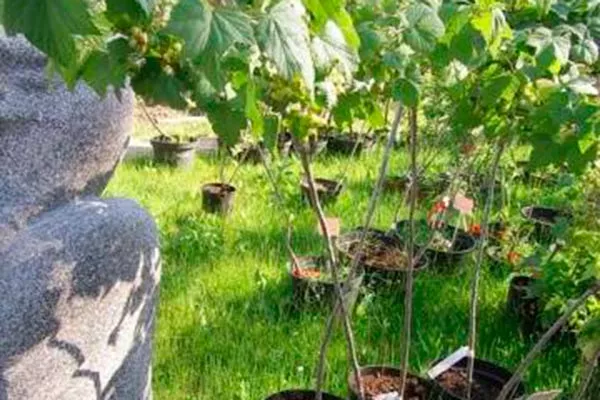
Each method has its own characteristics, but cuttings and layering remain the most popular methods of propagating Titania black currant.
Positive and negative qualities
Be sure to research the advantages and disadvantages of the crop before planting it in your garden. The variety's longevity underscores its many advantages:
Among the disadvantages of Titania, some gardeners note the discrepancy in berry size, relatively low sugar content, rapid formation of shoots, and dependence on regular watering and fertilizing to ensure a good harvest.
Reviews
Titania currant is a popular and sought-after variety, favored by gardeners who value not only a stable harvest but also resistance to disease and adverse weather conditions. It boasts numerous advantages, including winter hardiness, high drought tolerance, and the ability to transport the fruit without damage. Proper care is key.