
The Tatyana currant is a popular and sought-after variety, recognized by gardeners for its ease of cultivation, good productivity, and resistance to disease and adverse weather conditions. This variety combines many unique features and varietal characteristics, but requires proper care to achieve generous harvests.
Origin of the variety
Developed by scientists S. D. Elsakova and T. V. Romanova from the Federal Research Center of the N. I. Vavilov All-Russian Institute of Plant Genetic Resources, it received official approval for use in 2007.
Botanical description
The Tatyana currant is an excellent choice for lovers of berries with a delicate and refreshing flavor. Thanks to its high self-fertility, this variety is renowned for its excellent yields and consistent productivity.
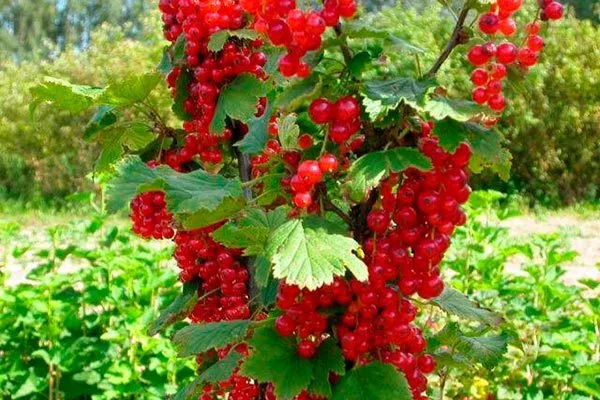
Peculiarities:
- Bush. The plant has a compact habit and slightly pubescent shoots. This vigorous shrub reaches a height of 150-200 cm. The branches are thick, straight, and beige. The leaves are large, green, three-lobed, finely serrated, matte, and leathery. The flowers are pale pink, about 1 cm in diameter.
- Berries. The fruits are round and uniform in shape. They have a deep red color and weigh between 0.5 and 0.8 g. The thick skin ensures the berries are highly resistant to transportation and long-term storage.
Characteristic
Reviews of this crop emphasize its high resistance to prolonged rains and strong winds. These adverse climatic conditions do not disrupt the fruit set process, allowing the variety to produce consistent and abundant harvests even in challenging years.
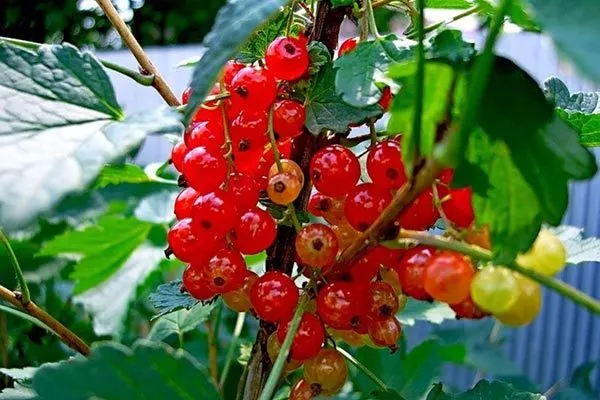
Key features:
- Drought resistance, frost resistance. Tatyana is not suitable for growing in arid southern regions, but is highly valued for its excellent winter hardiness in harsh climates. It easily withstands temperatures down to -50°C.
- Productivity. This variety is often chosen for its high productivity: on average, each bush yields about 5 kg of berries (16.5 tons per hectare). Even fully ripened fruits rarely fall off.
- Flowering, berry ripening time and fruiting. This is a mid-season variety. In the harsh northern climate, it bears fruit somewhat late. Full flowering begins between May 10th and May 31st, and in late spring can continue until early June.
Ovaries are formed within 14 days after flowering, and berries are harvested from the end of July to the beginning of September. - Taste qualities. The berries have a delicate sweet and sour flavor, but lack a distinct aroma. They contain 6.42% sugar, 3.01% acid, and 66.6 mg% vitamin C. The pulp is juicy, and the tasting score is 4.5 points.
- Transportability and shelf life. The berries withstand long-distance transport without loss of quality, and they also retain their freshness for extended periods under proper storage conditions. This makes the variety popular for both industrial cultivation and commercial sales.
- Does the bush need pollinators? Tatyana is a self-fertile variety, so it doesn't require pollinators to set fruit. However, planting other currant varieties nearby can increase fruit set and contribute to higher yields.
Scope of use
The berries are eaten fresh and used to make jams, preserves, marmalades, and desserts. Ingredients include:
- vitamins A, B1, B2, C, PP;
- carotene;
- sodium;
- potassium;
- calcium;
- magnesium;
- phosphorus;
- iron.
The fruits are suitable for freezing, allowing you to enjoy them during the winter.
Landing features
Shrubs must be properly planted in their permanent location. Following all recommendations will increase the plant's resistance to diseases and pests. Selecting high-quality seedlings and a suitable planting site is an important step.
Terms, conditions and selection of a suitable location
In the northern regions of the country, plant in late August or early September to allow the seedlings to take root before frost sets in. In the central and southern regions, begin planting in late September, as frosts arrive later in these areas.
Important nuances:
- Before planting the bushes, create favorable conditions for their successful rooting and growth. The optimal soil temperature is 12°C. If the temperature is lower, the roots may not take root. The ambient temperature should be between 15°C and 18°C.
- Consider humidity and light levels. Optimal planting sites are located on flat, well-drained areas. Groundwater shouldn't be too close to the soil surface or too deep—no more than 2 meters.
- The distance between bushes and protective structures or fruit trees should be 2-2.5 meters. The plants grow well in sunny areas but require protection from direct sunlight. Plant them near fruit trees or protective structures.
- ✓ The soil pH level should be strictly within 5.5-6.5 for optimal nutrient absorption.
- ✓ The depth of groundwater should not exceed 1.5 m to prevent root rot.
Selection and preparation of seedlings
Avoid purchasing plants with white coatings, red or purple spots, as these may indicate disease. Such seedlings will likely die within 3-4 months. The root system should be no longer than 30 cm. This will allow the roots to better adapt after planting.
Bushes aged 1-2 years are preferred. Young specimens have strong immunity and take root better in a new location.
Before planting, treat and prepare the seedlings for successful development:
- Immerse the plant in a weak solution of potassium permanganate. Leave it for 2 hours. This helps kill all bacteria and harmful microorganisms on the root surface.
- Trim long roots, leaving them at 30 cm in length.
- Dilute 300 ml of Kornevin in 10 liters of water. Place the plant roots in the resulting solution for 3-5 hours. After soaking, dry the seedlings thoroughly.
Once all preparation stages are completed, you can begin planting in a permanent location.
Landing algorithm
Two days before planting, fertilize the area with humus at a rate of 30 kg per square meter. After two days, dig the bed and water it with a small amount of water for better absorption – 20 liters per square meter. Add 300 ml of nitrophoska diluted in 10 liters of water. Spread the solution evenly around the perimeter of the area.
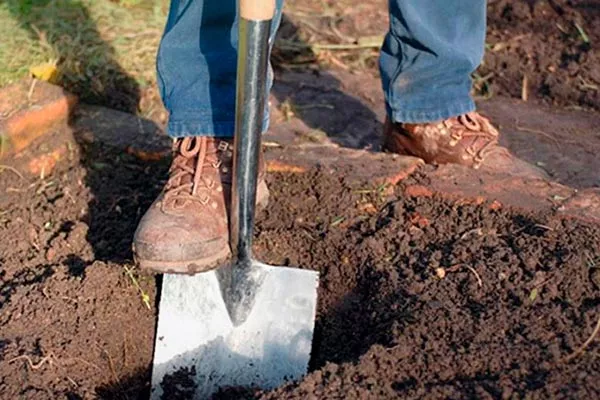
Red currants produce best in chernozem and loamy soils. If the soil in your region is sandy, add 50 kg of peat per square meter. The soil's pH should not exceed 6.
Step-by-step algorithm:
- Dig holes measuring 50x70 cm. Fertilize with a solution of Nitrophoska (100 g per 10 l of water).
- Place the seedling upright in the center of the prepared hole. Carefully straighten the roots so they don't form kinks. This will help improve the plant's survival rate.
- Cover with a layer of soil, spreading it evenly. Firm the soil to eliminate air pockets and ensure good root contact.
Water the seedling with 10 liters of water so that the soil absorbs the moisture well and the roots adapt to the new location.
Care
After planting your berry bushes, it's recommended to learn how to care for red currants. Following basic agricultural practices will ensure vigorous plant growth and abundant fruiting.
Top dressing
Fertilizer application plays a key role in the active development of crops. During the growing season, plants rapidly use nutrients from the soil, so it's important to regularly replenish them with mineral and organic fertilizers.
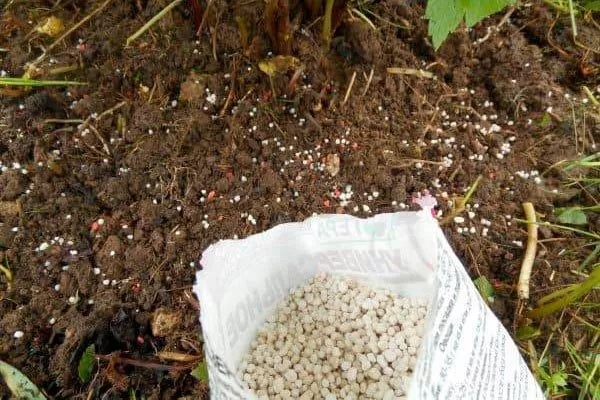
The main stages of fertilization include:
- Spring feeding. After the snow melts, add a mixture of compost, potassium sulfate, and superphosphate to the soil. Nitrogen-containing compounds are suitable for spring fertilization.
- Fertilizing before and after flowering. Before flowering, use urea (15 g per 1 sq. m) or ammonium nitrate (25 g per 1 sq. m). After flowering, feed the plants with liquid mullein or a solution of bird droppings.
- Autumn feeding. Add 100-120 g of superphosphate and 35-40 g of potassium chloride under each bush.
- In early spring, apply nitrogen fertilizer at a rate of 20 g per bush to stimulate growth.
- During the flowering period, add phosphorus-potassium fertilizers (15 g of superphosphate and 10 g of potassium sulfate per bush) to improve fruit set.
- After harvesting, apply organic fertilizers (rotted manure or compost) to restore soil fertility.
Watering
Red currants are moderately water-requiring crops. Their greatest need for moisture occurs during hot summers, especially after flowering, when the berries begin to ripen.
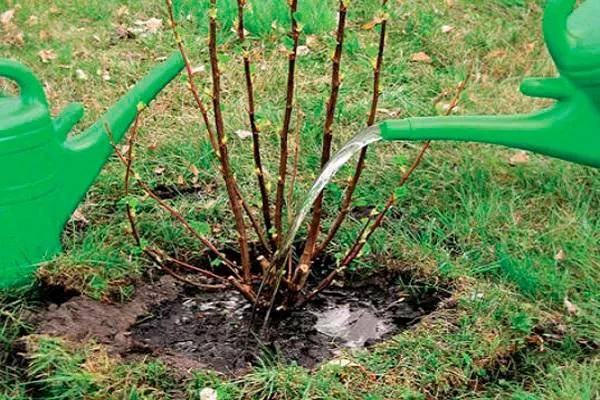
Water early in the morning or in the evening after sunset to allow the water to soak in and reach the roots. Mulch the area around the tree trunk to retain moisture.
Mulch not only helps maintain optimal moisture levels, but also reduces the need for loosening and weeding the soil.
Trimming
Tatyana's fruit buds form at the bases of young shoots and short growths on older branches. This ensures that the harvest is distributed evenly between young and old shoots. Unlike blackcurrants, the red variety requires little pruning.
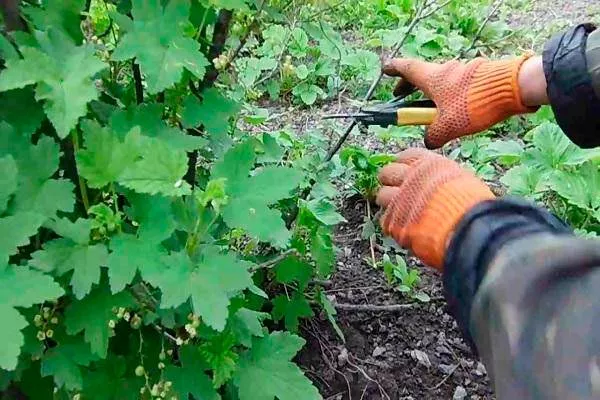
Follow these recommendations:
- It's optimal to leave 15-20 branches of varying ages on a single bush. To achieve this, keep 2-4 young shoots evenly spaced around the circumference each year after planting. Remove any remaining side shoots.
- When shaping the crown, prune damaged, dry, and unproductive branches. Old branches are easily identified by their dark bark.
Perform the main pruning in late fall or early spring. In summer, limit yourself to pinching the tips of young shoots.
Forming bushes on a trellis
Using a trellis in your garden increases yields, increases berry size, promotes uniform ripening, and facilitates pest control. Choose sunny locations for the structure, avoiding shady areas, such as along the property lines.
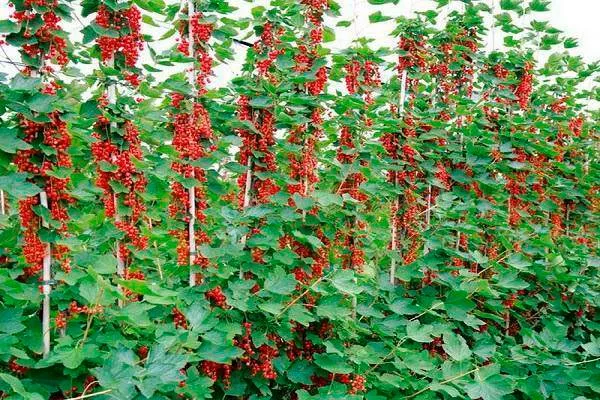
Make a trellis from various materials, installing three rows of wire at heights of 50, 100, and 150 cm. Plant the bushes under the trellis, 10 cm deeper than with a normal planting.
In the second year, select the strongest shoots and tie them to the wire. As the plant grows, prune the main branches regularly to prevent excessive growth. Gradually remove old branches, replacing them with new, strong shoots.
Formation of standard currants
When growing standard varieties, it's important to consider several important nuances. Follow these rules:
- Place the bushes at a distance of approximately 30 cm from each other.
- For seedlings, use cuttings with one bud at the top.
- Standard bushes can grow in one place and bear fruit for more than 15 years.
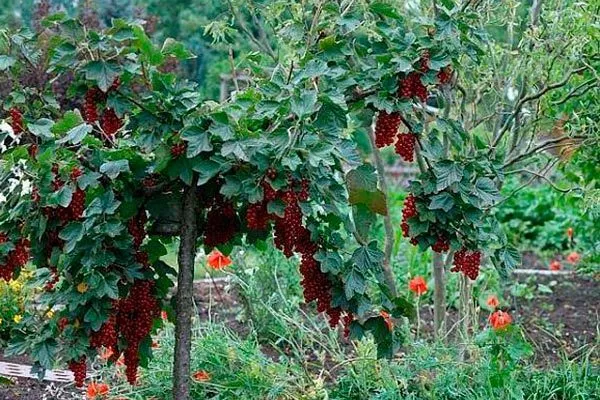
Shaping involves regularly removing excess side shoots and pinching the tips. Without basal shoots, yields can be significantly reduced.
Preparing for winter
The red currant variety Tatyana is highly winter-hardy and requires no additional cover. To protect the bushes during the winter, simply follow these steps:
- Mulching. Place a layer of mulch (fallen leaves, compost, or peat) up to 30 cm deep around the base of the bush. This will help retain heat in the root zone and prevent the soil from freezing.
- Autumn feeding. After the leaves have fallen, moisten the plants with a superphosphate solution (30-40 g per 10 liters of water). This will strengthen the root system and provide nutrients before winter.
- Snow protection. During the winter, don't remove snowdrifts around your bushes. Snow naturally protects the plant from severe frosts, creating an insulating layer.
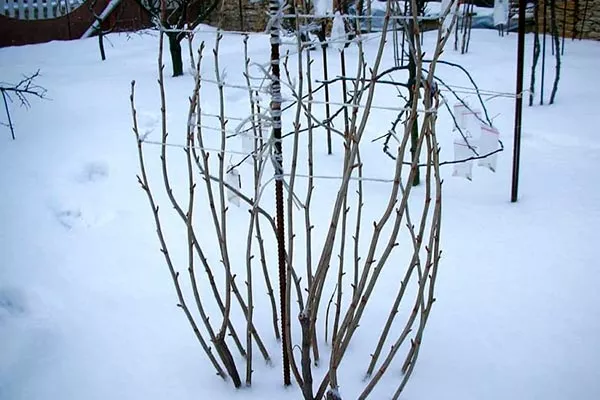
These measures will help maintain the health of currants and ensure abundant fruiting next season.
Methods of reproduction
There are several methods for increasing the number of seedlings in your garden. Choose the propagation method that best suits your needs:
- Dividing the bush. In the fall, dig up a mature plant with a well-developed root system. Remove old shoots and trim young shoots to 25 cm. Divide the plant into three sections using a sharp tool, such as an axe.
Make sure each section still has buds—without them, the bush won't bear fruit. Plant the resulting sections in 50-cm-deep holes, fill with soil, and water each with 10 liters of water. - Cuttings. Cut one-year-old shoots 15-25 cm long from a mature plant. Make the top cut 2 cm above the bud, and the bottom cut just below the bud. Plant the cuttings in the soil at an angle, deepening them 10-15 cm so that 3-4 buds remain above the ground.
Water the planting site and cover it with a layer of mulch. After a few months, the cuttings will develop roots and can be transplanted to their permanent location.
If necessary, learn about proper staking techniques to ensure healthy bushes and abundant fruiting. Each method has its own specifics, but guarantees success.
Diseases and pests
The Tatyana currant variety, despite its high resistance to diseases, can be susceptible to the following diseases: powdery mildew, white spot and anthracnose.
Preventive measures:
- Regular inspection of bushes for early detection of signs of damage.
- Compliance with agricultural practices, including proper planting and care.
- Treating plants with boiling water in spring to destroy larvae and pathogens.
Diseases and pests, their treatment:
- Powdery mildew. It manifests itself as a white coating on leaves and shoots. To control it, spray plants with Topaz (20 g per 5 liters of water). Dusting with wood ash (200 g) is also effective.
- White spot. Characterized by the appearance of brown spots on the leaves, which lighten in summer and develop a burgundy border. Treat with Bordeaux mixture (10 g per 10 liters of water).
- Anthracnose. Signs include small brown spots (1 mm) that enlarge and darken over time. Use a saturated solution of potassium permanganate to treat the condition.
- Aphid. To kill insects, use copper-containing products: Oxychom (50 g per 5 l of water) or Kinmiks (100 g per 10 l of water).
- Kidney moth. A lime solution (100 g per 10 l of water) is effective.
- Firefly. The drug Lepidocide (20 g per 4 liters of water) will help to combat the pest.
Treat against diseases and pests twice a month, observing safety rules.
Harvesting and storage
Harvest red currants gradually, as the berries ripen unevenly. Store the berries in small containers, no larger than 1 kg. Overloading can cause damage, juice leakage, and loss of marketability during transportation.
Storage conditions:
- Temperature: from +7°С to +15°С.
- Storage location: a cool room protected from sunlight.
- Shelf life: fresh – up to 3 months, in the freezer – 6-8 months, canned – 2-3 years.
Following these recommendations will help preserve the quality and appearance of the berries.
Pros and cons
Before planting Tatyana currants in your garden, carefully study their characteristics to avoid any potential problems in the future. This variety has many advantages:
Among the disadvantages, some gardeners note the relatively small size of the fruits and limited yield in the northern regions.
Reviews
The Tatyana currant is a reliable choice for those who value quality, ease of care, and a reliable harvest. Its low maintenance, disease resistance, and excellent flavor make it one of the best options for home gardens and commercial cultivation. With proper planting and care, it will reward you with a bountiful harvest of delicious and juicy berries.