
Thanks to systematic breeding, hundreds of varieties of currants—a valuable garden berry—exist today. Differing in characteristics from color and flavor to yield and bush appearance, all varieties produce fruit that is beneficial for the body. Every gardener can choose varieties to suit their tastes and those optimally suited to a specific climate zone.
| Name | Ripening period | Yield (kg per bush) | Fruit weight (g) |
|---|---|---|---|
| Summer resident | Early ripening | 1.5 | 2.2-5 |
| Nuclear | Average | 6 | 6 |
| Vetch | Mid-early | 6 | 0.5-0.8 |
| White Potapenko | Average | 1.8-2.3 | 0.5 |
| Dobrynya | Mid-season | 1.6 | 2.8-6 |
| Alexandrina | Mid-late | 1.8-3 | 0.9-1.2 |
| Exotica | Early | 3.5 | 3.5-5 |
| Red Andreychenko | Mid-season | 1.4 | 0.7 |
| Selechenskaya-2 | Early ripening | 2.8 | 3-5.5 |
| Green haze | Mid-late | 1.5 | 1.2-1.6 |
| Bagheera | Mid-late | 3.6 | 1-1.5 |
| Titania | Average | 1.6 | 1.5-2.5 |
| Red Cross | Mid-season | 2.8 | 0.8-1.3 |
| Nina | Early | 3-4 | 2-4 |
| Raisin | Early | 1.7-2 | 2-3.2 |
| White Fairy (Diamond) | Average | 4.6-5.2 | 0.6 |
| Akura | Early | 3.3 | 1.1 |
| Alga | Mid-season | 3.6 | 1.3 |
| Lazy person | Mid-late | 0.8-1 | 2.5-3.1 |
| Daughter | Mid-early | 4 | 1.2-2.3 |
| Emerald necklace | Mid-late | 2.9 | 1.1-1.2 |
| Valentinovka | Late | 2-3.3 | 0.5 |
| Irmen | Mid-early | 2.9 | 1.7-3.6 |
| Kalinovka | Mid-season | 2.7-2.8 | 2 |
| Beloved | Mid-season | 2 | 0.6-0.8 |
| Spherical | Mid-season | 3.5 | 1.6-2.8 |
| Extreme | Average | 1.8-2.1 | 4 |
| Yanzhai | Mid-season | 3.2 | 1.8-3.3 |
| Black pearl | Mid-season | 1.5-2 | 1.2-1.5 |
| Vologda | Mid-late | 3.7 | 1.7-3 |
| Pygmy | Average | 5.4 | 3-7.6 |
| Constellation | Early ripening | 2.5 | 1.2-1.5 |
| Minusinsk white | Average | 2.3-2.5 | 0.6 |
| Augusta | Mid-late | 2 | 3 |
| Blackamoor | Average | 1.8-1.9 | 1.3-1.5 |
| Altai late | Late | 1.5 | 1.2 |
| Openwork | Mid-season | 1.6 | 1.6-3 |
| A gift of summer | Late | 2.8 | 0.6-0.9 |
| Gross | Mid-early | 3.7 | 1.4-2.2 |
| Gulliver | Early ripening | 2 | 3.2 |
| Big Ben | Mid-early | 5-12 | 3.5 |
Summer resident
An early-ripening variety. Recommended for growing in moderately cold climates.
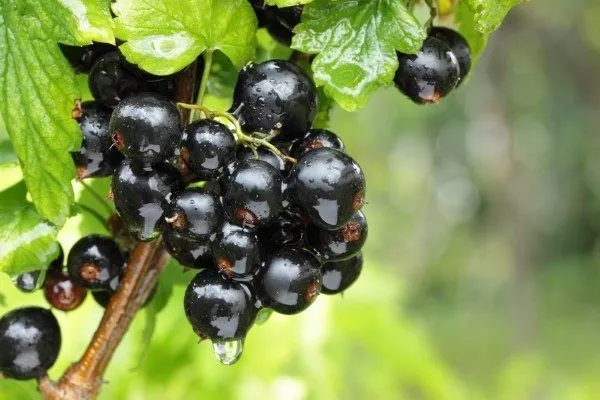
Description. The berries are blue-black, matte, and large—from 2.2 to 4-5 g. Sweet—9.4% sugar. The yield per bush is up to 1.5 kg. The maximum is 4-5 kg. The bushes are low-growing. The berries ripen unevenly. Rich in vitamin C—190 mg per 100 g. Flowering occurs in May, and the berries are harvested in the second half of July.
Pros:
- the variety is practically not afraid of kidney mites and fungal infections;
- self-fertility (ability to self-pollinate) – from 69%;
- frost resistance – can withstand temperatures down to -35°C.
Cons:
- demanding agricultural technology;
- fruits tend to fall off;
- poor response to drought;
- the branches, due to their low growth, bend towards the ground – they have to be supported;
- vulnerability to recurrent frosts – flowering bushes need to be protected;
- low transportability.
Nuclear
A frost-hardy variety with a mid-season ripening period. Noticeably large berries. Ideal for preserves.
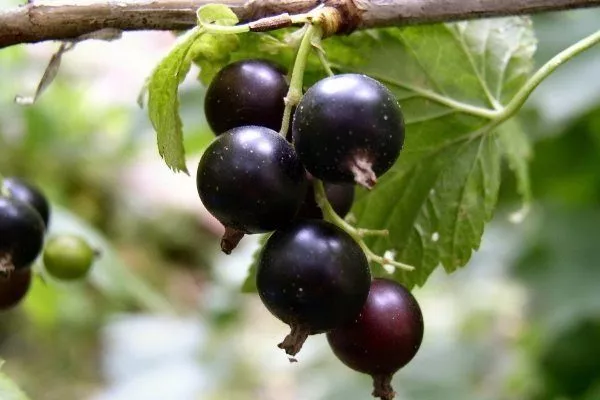
Description. Fruiting season begins in late July and ends in August. Berries are produced in clusters of 8-10, and large ones weigh up to 6 g. The berries have a thick skin. They are black and slightly shiny. The flavor is refreshingly tart. The seeds are large. One bush produces up to 6 kg of berries. Sugar content is 9%. They are rich in vitamin C – 96 mg per 100 g. The plant reaches a height of 1.5 m and spreads moderately.
Pros:
- resistance to bud mites and speckles;
- high winter hardiness;
- early ripening.
Cons:
- exhaustion of branches during fruiting – the plant requires annual rejuvenation;
- the bush ages quickly, with good care it is replaced after 6-7 years;
- berries of different sizes;
- may be affected by anthracnose;
- sourness.
Currant leaves have a pleasant, tart aroma. They are used in tea, in pickling vegetables, and as a medicinal herb.
Vetch
A mid-early variety characterized by high yields and cold resistance.
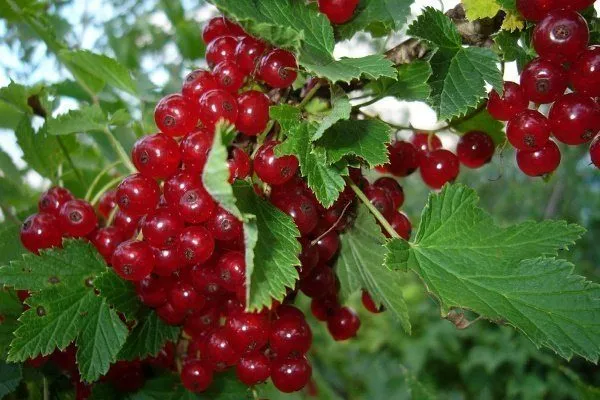
Description. Medium-sized bushes. Long clusters – up to 12 cm. Weight – 0.5-0.8 g. Ripe berries are uniform in size, purple-red. Sugar content – 7.9%. Vitamin C – 50 mg.
Pros:
- withstands extremely low temperatures;
- anthracnose resistance;
- impeccable taste of berries.
Cons: the berries are a bit small.
White Potapenko
Mid-early currant from Siberian breeders.
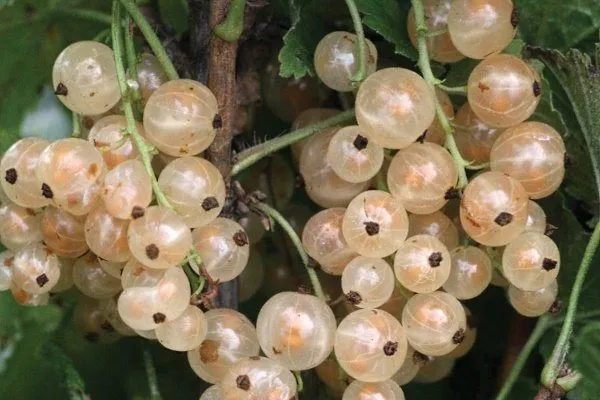
Description. Medium-sized bushes with a loose spread. The average cluster length is 4-5 cm. The fruits are small, weighing 0.5 g. The color is yellowish-white. Sugar content is up to 10.5%. Vitamin C content is 43 mg. One plant produces about 1 kg of berries.
Pros: very tasty berries and high winter hardiness.
Cons: low yield.
Dobrynya
This mid-season variety attracts gardeners and homesteaders with its very large berries. The flavor is classic currant.
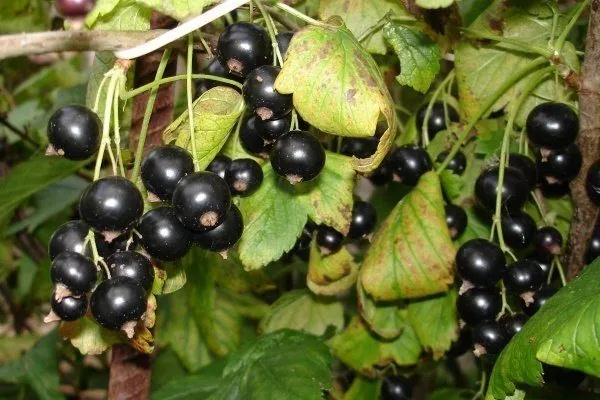
Description. The bushes are compact and medium-height. Berry weight is 2.9-6 g, with a maximum of 7 g. The berries are oval, black, and shiny. The skin is dense. The taste is sweet with a hint of tartness. Sugar content is 6.9%. Vitamin C is 200 mg per 100 g. Yield is 1.5-1.7 kg per bush.
Pros:
- tolerates drought and spring frosts;
- the harvest ripens quickly;
- resistance to powdery mildew and other fungi;
Cons: requires fertile soil and proper agricultural practices.
Alexandrina
A mid-late variety. The sweet berries are good for winter preserves. Can be grown in cold climates.
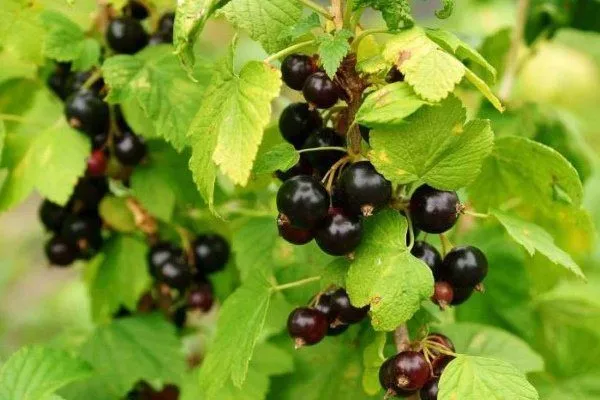
Description. The bushes are medium-sized, sparse, and slightly spreading. There are 5-7 berries per cluster, spaced sparsely. They weigh 1-1.2 g. They are round, black, and shiny. Sour.—Sweet taste. Sugar content: 12.2%. Vitamin C: 175 mg per 100 g. Yield: 1.8 to 3 kg per bush. Harvest: second half of July.
Pros:
- does not freeze;
- early pregnancy and self-fertility – 72%;
- resistant to powdery mildew, fungi, and mites;
- the excellent taste of the fruit is preserved after processing;
- transports well.
Cons: affected by terry leaf spot (a dangerous viral disease).
Exotica
An early, winter-hardy variety. The berries are sometimes larger than cherries.
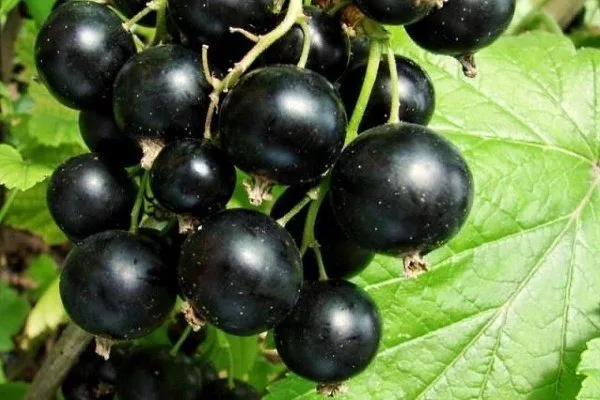
Description. The plants are vigorous and bushy. Each cluster bears 8-10 berries. They are shiny, round, and uniform in size. They weigh 3.5-5 g. They are black and thin-skinned. They have a sweet and sour taste, refreshing and aromatic. Sugar content is 8.9%. Vitamin C content is 197 mg per 100 g. Yield: from 3.5 kg.
Pros:
- rapid ripening;
- mechanization of harvesting;
- self-fertility – 54%;
- versatility – the berries are good fresh and in preserves;
- resistance to columnar rust and powdery mildew.
Cons:
- vulnerable to kidney mites;
- does not tolerate humidity - during the rainy season the fruits begin to rot;
- Due to the thin skin it is difficult to transport.
Red Andreychenko
Mid-season variety of Siberian selection.
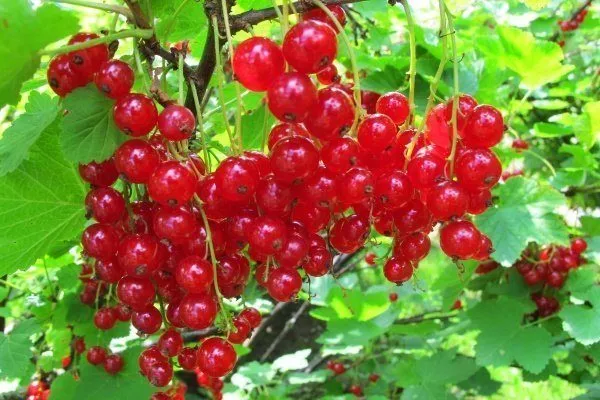
Description. Vigorous bushes – up to 1.5 m in height. Fruit weight – 0.7 g. Color – red. Long clusters – up to 8 cm. Sugar content – 6.8%. Vitamin C – 41 mg. Normal taste. One bush produces 1.4 kg of berries.
Pros:
- excellent winter hardiness;
- consistently high yields;
- precocity.
Cons: vulnerability to anthracnose.
Selechenskaya-2
An early-ripening variety, highly sought after by gardeners. Selechenskaya-2 is especially prized for its generous harvests.
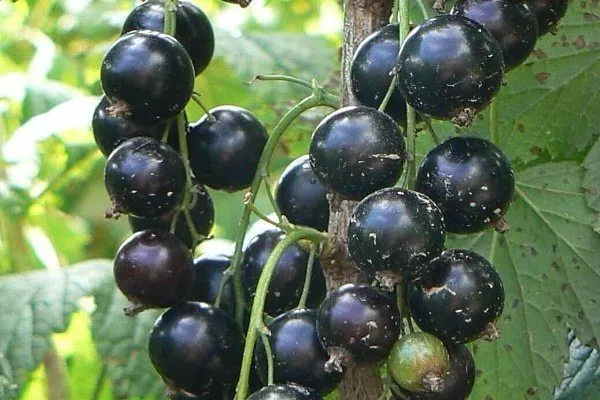
Description. The bushes are vigorous and upright. The clusters are long, holding 8 to 14 berries. The fruits are round and large, weighing 3-5.5 g. The fruit has a sweet flavor and is suitable for all purposes. Sugar content is 7.3%. Vitamin C is 160 mg/100 g. Yield is 2.8 kg per plant.
Pros:
- excellent yield;
- immunity to standard currant diseases;
- ripe berries do not fall for a long time;
- large and sweet berries.
Cons:
- If you don’t give the bushes proper care, the fruits become smaller;
- soil moisture control and requirements for its composition.
Green haze
Belongs to the mid-late variety category. It bears fruit well in all regions.
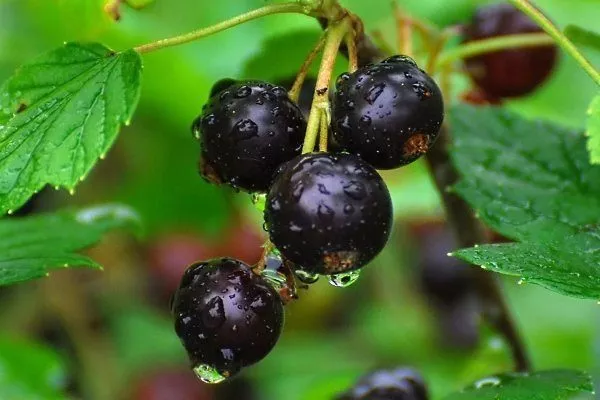
Description. Medium-sized, gently spreading plants. The cluster is 6-10 cm long and conical in shape. The fruits are medium to large, weighing 1.2-1.6 g. The black, shiny berries are round and have a sweet and sour taste. Sugar content is 12%. Vitamin C is 192 mg/100 g. Yield is 1.5 kg per bush.
Pros:
- the fruits are universal - they are eaten fresh, used for preparations, used to make all kinds of desserts, etc.;
- easily adapts to low temperatures and high humidity;
- large-fruited.
Cons: kidney mite infestation.
Bagheera
A mid-late variety. Suitable for almost all regions of Russia.
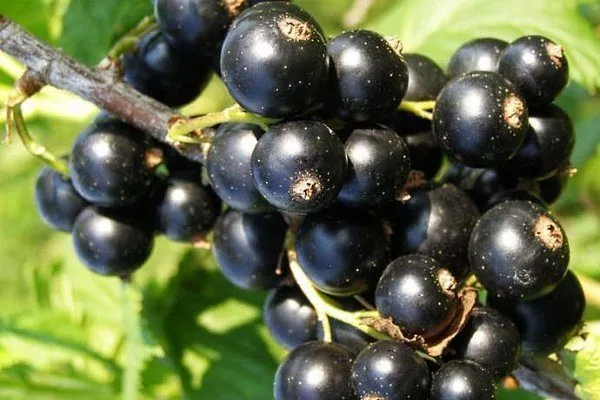
Description. The bushes are medium-height. Spreading is average. Clusters are 5-8 cm long. Berry weight is 1-1.5 kg. The berries are round and black. The flavor is sweet and sour. Versatile. Sugar content is 8-12%. Vitamin C content is 180 mg/100 g. Gardeners harvest up to 3.6 kg from one bush.
Pros:
- high yield;
- resistance to severe frosts and extremely high temperatures;
- rarely suffers from powdery mildew and bud mites;
- high commercial and taste characteristics;
- early pregnancy and self-fertility;
- stores and transports well;
- It is possible to harvest the crops mechanically.
Cons: insufficient resistance to powdery mildew and other fungal diseases.
Titania
A mid-season variety developed by Swedish breeders in the 1960s, Titania is an industrial variety.
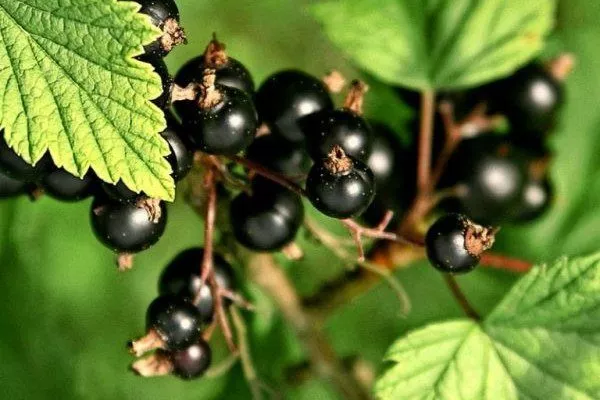
Description. Vigorous, upright bushes reach 1.5 m in height. The berries are round, black, and vary in size, weighing 1.5-2.5 g. They are borne on compact, long clusters of 20-24 berries. The flesh is green. The berries are sweet and sour. Yield: 1.6 kg per bush.
Pros:
- fruits with a rich taste, not watery;
- self-fertility;
- high transportability – due to dense pulp;
- suitable for mechanized harvesting;
- consistently high yields;
- withstands frosts down to -34°C;
- drought resistance;
- the fruits are eaten raw, they can be frozen and processed;
- exceptional resistance to disease.
Cons:
- uneven ripening;
- sour berries;
- The bushes quickly become overgrown.
Red Cross
A mid-season, self-fertile variety of American origin. It has been in existence since the 19th century.
Description. A medium-sized plant with medium-sized clusters (6-7 cm). Large, red fruits. Shape: round, slightly flattened. Weight: 0.8 to 1.3 g. Sugar content: 8.5%. Ascorbic acid: 35 mg/100 g. One bush produces up to 2.8 kg of berries.
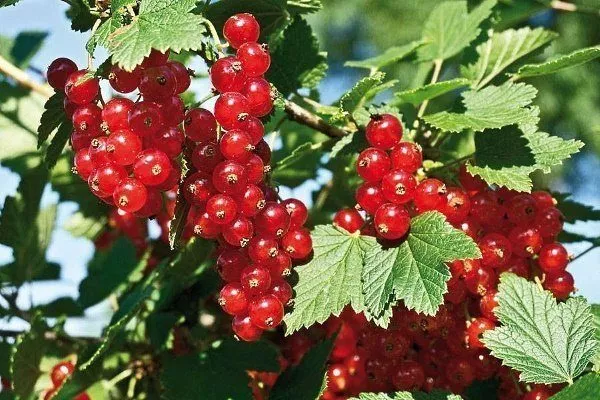
Pros:
- large-fruited;
- excellent berry taste.
Cons: unsatisfactory winter hardiness.
Nina
Ripening early, this variety is attractive for its large, sweet, and uniform fruits.
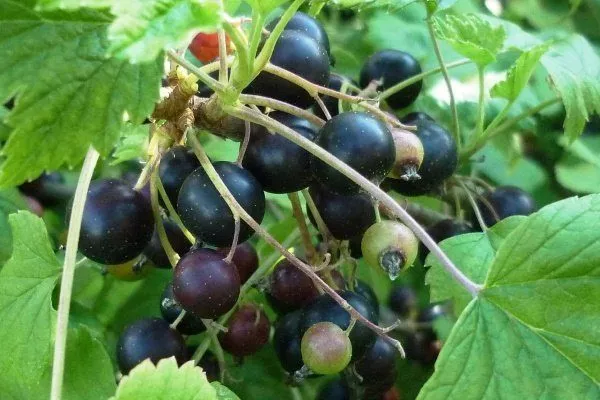
Description. The plant is medium-tall and bushy. It produces large, round, black berries, weighing 2-4 g. A single bush yields 3-4 kg of berries. With ideal care, it can yield up to 8 kg. The harvest begins in early July.
Pros:
- high quality characteristics of berries;
- simultaneous ripening of fruits;
- resistance to low temperatures;
- stable and high yields;
- easy propagation by cuttings.
Cons:
- insufficiently good transportability;
- vulnerability to terry and kidney mites.
Raisin
An early variety. Belongs to the large-fruited category.
Description. The bushes are medium-sized and upright. The fruits grow large – from 2 to 3.2 g. The berries are round, black, and matte. They are sweet, with a sugar content of about 9%. Vitamin C content is 192 mg. The yield per bush ranges from 1.7 to 2 kg.
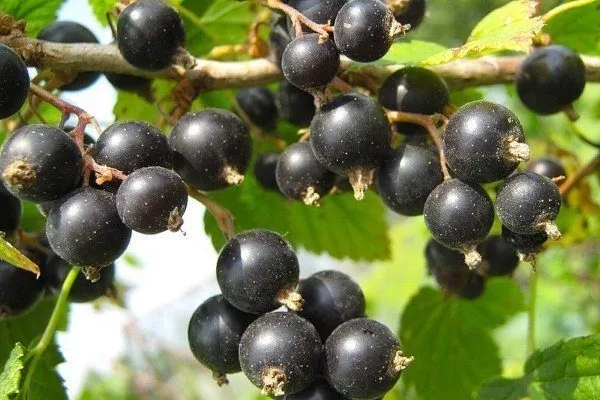
Once ripe, the berries of the raisin currant take a long time to fall to the ground. They even begin to dry out right on the bush, creating "raisins."
Pros:
- not afraid of extreme conditions – can withstand any extreme conditions – frost, drought, freezing;
- extremely sweet fruits;
- universal application;
- the berries stay on the bush for a long time;
- immunity to kidney mites and American powdery mildew;
- Care is simple - just follow the usual agricultural practices, water on time, and also monitor the shape of the bush, promptly removing old and weak shoots.
Cons: difficult rooting of cuttings.
White Fairy (Diamond)
Mid-season ripening. High-yielding, all-purpose variety.
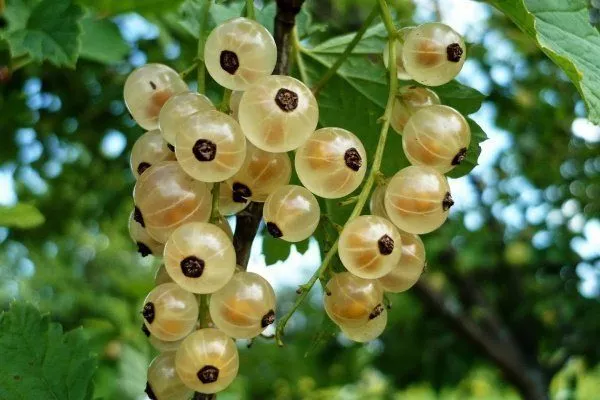
Description. Medium-sized bushes with a loose spread. The average cluster length is 8-9 cm. Berries are medium-sized, yielding 0.6 g. Color: white. Sugar content: up to 6.9%. Vitamin C: 43-45 mg. Yield: approximately 5.2 kg.
Pros:
- dessert taste of berries;
- consistently high yields.
Cons: bush density.
Akura
An early-ripening variety. It was developed in the Far East and is ideal for growing in this region.
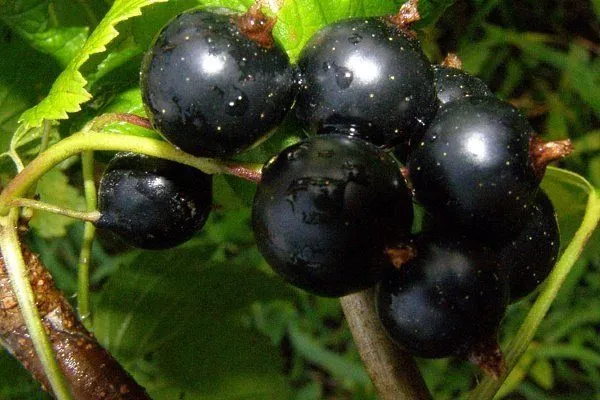
Description. The plants are medium-sized. The density of the fruit is average. The berries weigh 1.1 g. The fruits are uniform in size, spherical or oval. The color is bluish-black, with a waxy coating. Dry matter content is 13.5%. Vitamin C content is 157 mg per 100 g. The yield per bush is 3.3 kg.
Pros:
- tolerates harsh winters well;
- resistant to most diseases.
Cons: poor taste.
Alga
Mid-season, winter-hardy variety.
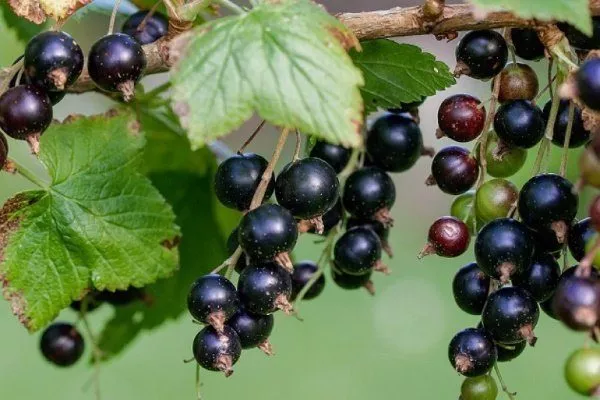
Description. The berries are black and shiny. They have a sweet and sour taste. Weight: 1.3 g. Sugar content: 8.3%. Vitamin C: 171 mg per 100 g. Yield per bush: 3.6 kg.
Pros:
- the versatility of the fruits – they are delicious fresh, and they also make excellent preserves;
- good immunity;
- tart taste.
Cons: susceptibility to fungi.
Lazy person
A mid-late variety. One of the leaders in terms of large-fruitedness.
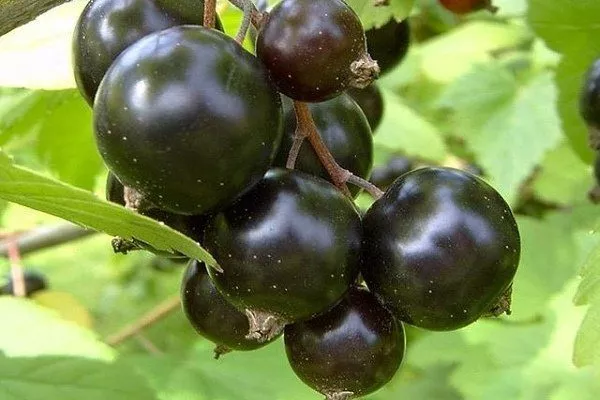
Description. The berries are brownish-black in color and weigh approximately 2.5-3.1 g. This is a large-fruited variety with sweet, sugar-rich berries. Sugar content is 8.3-8.8%. Vitamin C content is 117-157 mg per 100 g. Yields are lower than many other varieties: 0.8-1 kg per bush.
Pros:
- high taste characteristics;
- self-fertility – 45%;
- the variety is resistant to anthracnose, powdery mildew, and is rarely affected by spider mites;
- frost resistance – tolerates temperatures down to minus 34°C.
Cons:
- the berries differ from each other in size;
- ripe berries fall off;
- unstable harvests;
- poor transportability.
Daughter
A mid-early, winter-hardy variety. Widely zoned, it easily adapts to a variety of conditions.
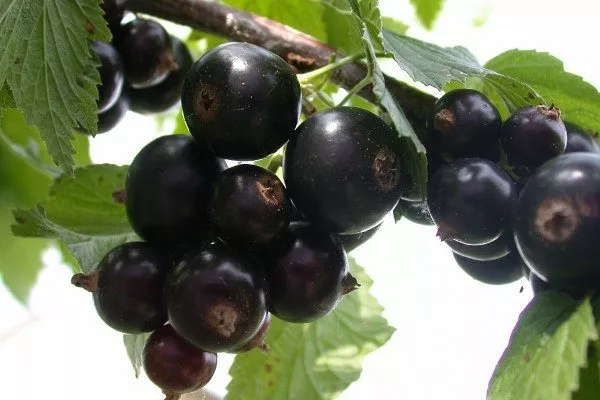
Description. The bushes are medium-sized. Spread and density are average. The berries are quite large, weighing from 1.2 to 2.3 g. The fruits are black, round, and sweet and sour. The yield is very high – up to 4 kg of berries can be harvested from a single bush. Sugar content is 7.5%. Vitamin C content is 160 mg per 100 g.
Pros:
- versatility;
- self-fertile variety;
- weight and taste of berries.
Cons: poorly resistant to powdery mildew.
Emerald necklace
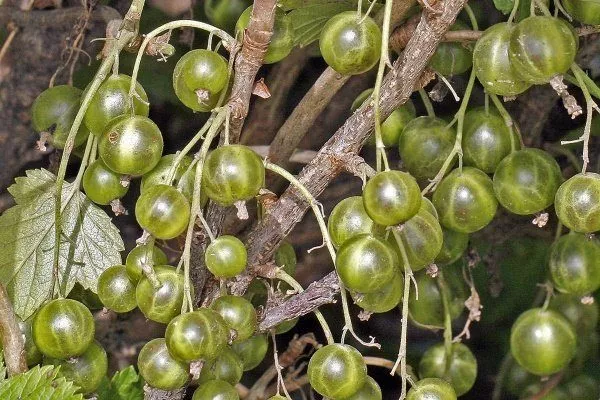
A mid-late ripening variety with berries that are distinguished by their greenish color. Green currants are not as popular as black or red currants. However, they have their advantages – they lack the distinctive aroma of black currants, which is not to everyone's taste.
Description. The bushes are medium-height. The spreading habit is average. The berries are round and uniform in size. They weigh 1.1 to 1.2 g. They are light yellow with an emerald tint. The taste is sweet and sour. Sugar content is 10.5%. Vitamin C is 158 mg per 100 g. Up to 2.9 kg can be harvested per bush.
Pros:
- self-fertility;
- stable harvests;
- resistance to many diseases.
Cons: The 'Emerald Necklace' variety has small fruit sizes.
Valentinovka
A late variety that will fully satisfy the need for fresh berries and is suitable for preserves.
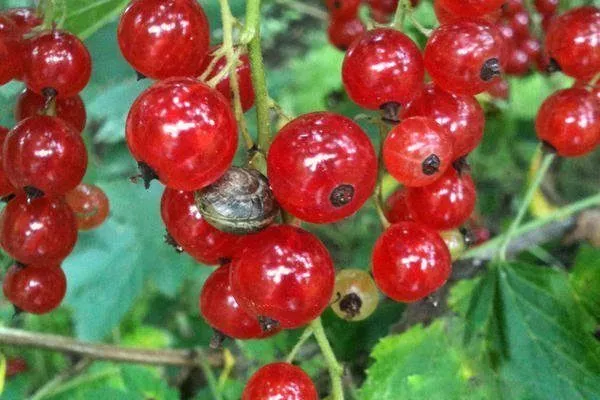
Description. Tall, upright plants with long, over 10 cm, clusters. The berries are round, red, and medium-sized, weighing up to 0.5 g. Sugar content is 6.5%. Ascorbic acid content is 49 mg/100 g. From 2 to 3.3 kg of berries are harvested annually.
Pros:
- frost resistance;
- self-fertility;
- resistance to powdery mildew;
- a lot of pectin – this has a positive effect on the quality of processed products.
Cons: the taste of the berries is mediocre.
Irmen
Mid-early ripening. This large-fruited variety was developed and zoned in Siberia. It allows for high yields in Siberian conditions.
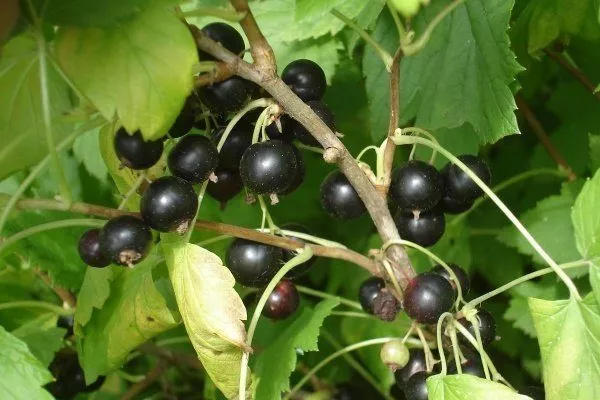
Description. Medium-sized plants. The shoots are curved. The fruits are quite large, weighing from 1.7 to 3.6 g. They are black in color and have a typical currant flavor—sweet with a hint of tartness. Yields up to 2.9 kg per bush. Vitamin C content is 188 mg per 100 g. Total sugar content is up to 17%.
Pros:
- an exceptionally winter-hardy variety;
- resistance to kidney mites.
Cons: vulnerability to speckles and septoria.
Kalinovka
This is a mid-season variety bred in Siberia. It is zoned for Siberia and is extremely winter-hardy.
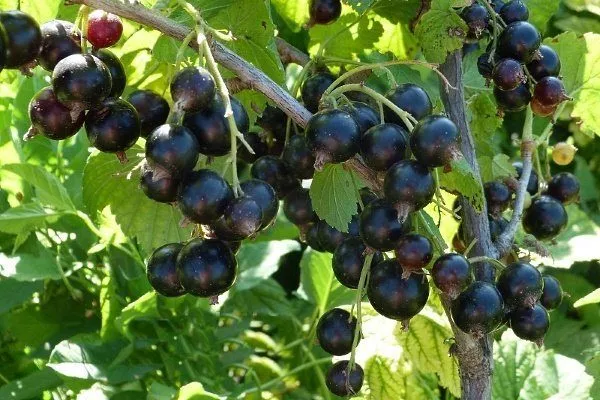
Description. A medium-height, spreading plant with an upright habit. The clusters are medium-length – 5-9 cm. The fruits are classic in appearance – round and black, with a dull sheen. The flavor is also standard – sweet and sour. This large-fruited variety produces berries weighing up to 2 g. One bush yields 2.7-2.8 kg.
Pros:
- excellent taste characteristics;
- drought resistance;
- do not wrinkle during transportation due to their dense skin;
- not afraid of powdery mildew.
Cons: may be affected by kidney mites.
Beloved
A mid-season, all-purpose variety developed by Belarusian breeders.
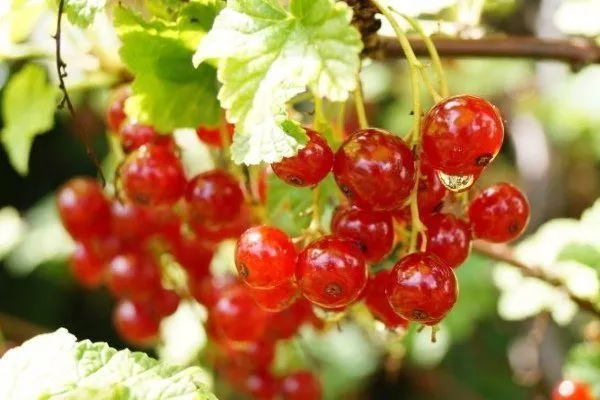
Description. Medium-sized, gently spreading bushes. Berry size is average—0.6-0.8 g. Color: bright red. Sugar content: 6%. Vitamin C: 30 mg/100 g. Yield: approximately 2 kg per bush.
Pros:
- bountiful harvests;
- self-fertility;
- tolerates frosts well.
Cons: afraid of leaf spot.
Spherical
Another mid-season variety bred in Siberia. Self-fertile, zoned for Siberian regions.
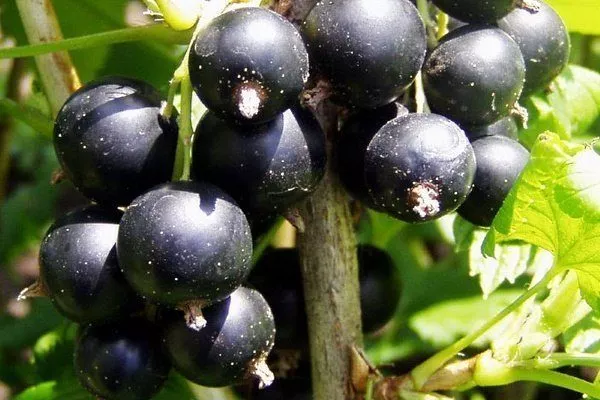
Description. The bushes are standard—medium height, dense, and spreading. The rounded fruits weigh approximately 1.6-2.8 g. The color is black. The skin is firm and peels off easily. The pulp is sweet and sour with a classic currant aroma. The clusters are up to 6 cm long. Sugar content is 7-10%, vitamin C – 164 mg per 100 g. Yield is approximately 3.5 kg.
Pros:
- self-fertility;
- the berries, once ripe, do not fall off for a long time;
- not afraid of powdery mildew;
- universal application;
- do not wrinkle during transportation;
- retain a good marketable appearance.
Cons: vulnerability to septoria.
Extreme
Mid-season ripening. Selected in Novosibirsk. Winter-hardy and large-fruited.
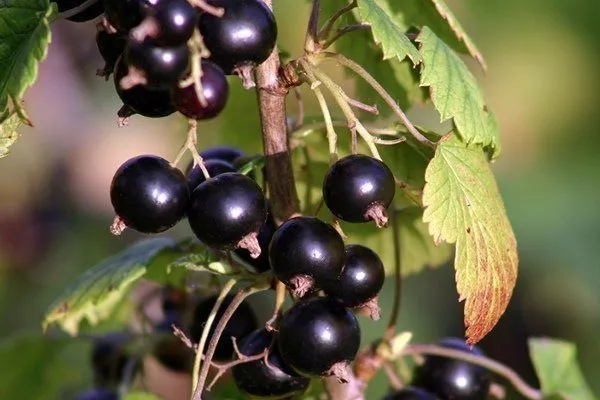
Description. Medium-sized bushes. Clusters are 8-12 cm long. Fruits are very large, reaching 4 g. All berries are of the same size. The color is black, slightly shimmering. Sugar content is 12%, vitamin C – 90 mg per 100 g. Yield: 18-2.1 kg.
Pros: rapid regeneration of plants.
Cons:
- the berries are bland in taste;
- the bushes are too spreading;
- affected by currant gall aphid.
Yanzhai
A mid-season variety developed by Buryat breeders.
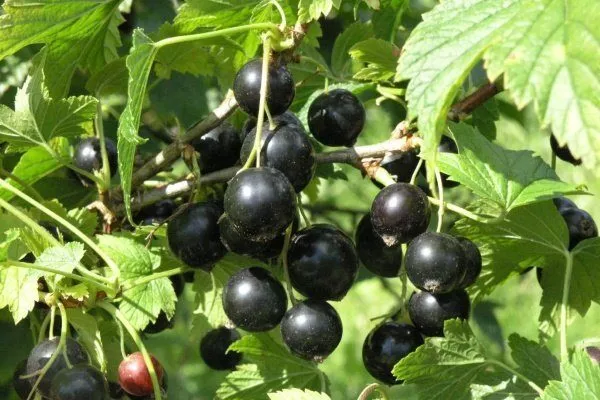
Description. The bushes are vigorous and medium-spreading. The clusters are 8-10 cm long. The berries weigh 1.8-3.3 g. They are black and glistening. The flavor is sweet and sour, delicate, and pleasantly fragrant. Sugar content is 9.5-10.9%, and vitamin C content is 155 mg per 100 g. Approximately 3.2 kg of berries are harvested annually.
Pros:
- versatility;
- the bushes can withstand very low winter temperatures;
- self-fertility;
- high taste characteristics of berries;
- The bud mite avoids this variety.
Cons: often affected by anthracnose.
Black pearl
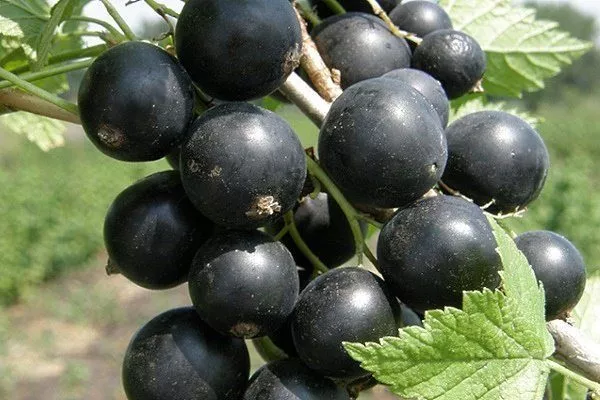
A mid-season variety. Gardeners note that the fruits of "Black Pearl" resemble blueberries in appearance. Many gardeners consider this variety outdated, but due to its many advantages, it remains popular.
Description. The bushes are medium-height – 1-1.3 m. The fruit weighs 1.2-1.5 g, sometimes up to 3 g. The berries are round, all the same size, and have an exquisite sweet and sour taste. The berries are black and shimmer like pearls. The skin is medium-thick. The seeds are large. It is distinguished by its high vitamin C content – 135 mg per 100 g. Sugars – 9%. Yields are 1.5-2 kg, sometimes up to 5 kg.
Pros:
- high taste characteristics;
- possibility of mechanized collection;
- does not wrinkle during transportation;
- resistant to bud mite and anthracnose;
- early-ripening variety with stable yields;
- Suitable for freezing;
- Ripe berries hang without falling off.
Cons:
- affected by powdery mildew;
- weak aroma;
- sour taste.
Vologda
A mid-late variety. It is grown in virtually all regions of Russia, from the central regions to the Far East.
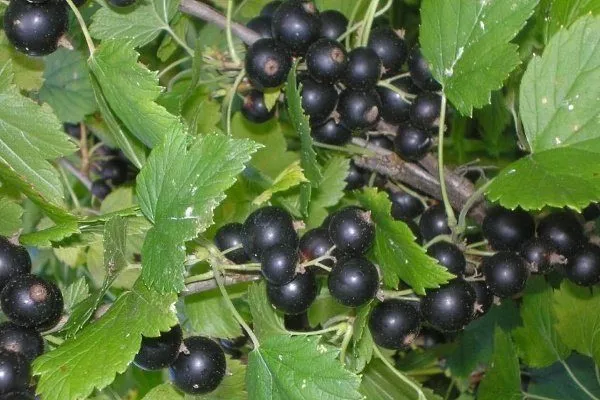
Description. The bushes are dense and spreading, with thickened shoots and long, 8-10 cm long, clusters. Large fruits weigh 1.7-3 g. The berries are round-oval, black, and sweet and sour. Sugar content is 8%, and ascorbic acid content is 138 mg/100 g. A single bush yields 3.7 kg.
Pros:
- resistance to fungal diseases;
- large-fruited;
- impeccable taste characteristics.
Cons: spreading of bushes.
Pygmy
Medium ripening time. Large-fruited variety with high yield.
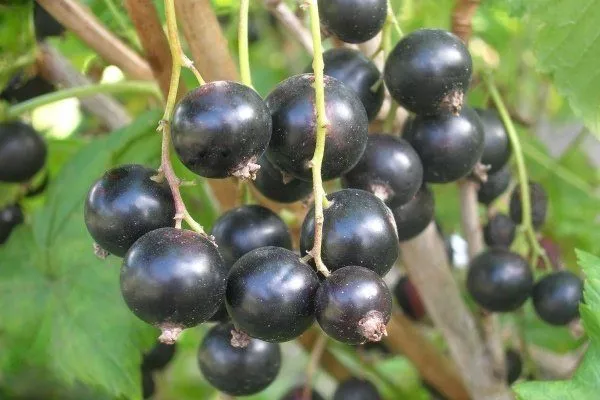
Description. The bushes are medium-dense, slightly spreading, and medium-sized. Clusters bear 5-10 berries. The berries are unusually large and spherical, weighing 3-7.6 g. The skin is thin and almost black. Sweet, with a sugar content of 9.4%. Yield: 5.4 kg per bush. Ascorbic acid content: 150 mg/100 g.
Unripe currants contain four times more vitamin C than ripe ones.
Pros:
- adaptation to extreme conditions – drought, frost, heat, rainy weather;
- consistently high yields;
- undemanding to growing conditions.
Cons:
- affected by kidney mites;
- uneven ripening;
- average resistance to septoria.
Constellation
Belongs to the early-ripening group. Zoned for the European part of the Russian Federation.
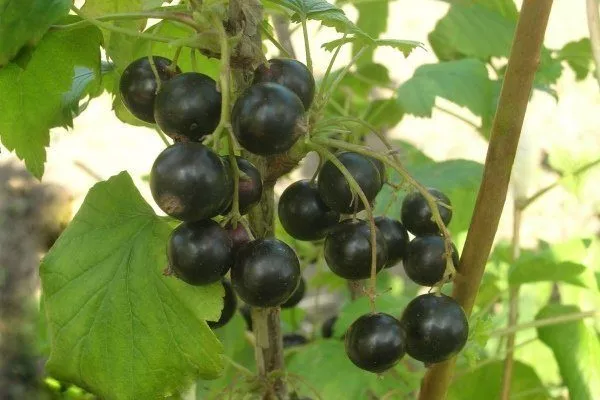
Description. The bushes are gently spreading and medium-sized. The clusters are medium-length – 4-5 cm. The black berries weigh 1.2-1.5 g. They have a sweet and sour taste and contain 11.6% sugar. The ascorbic acid content is 198 mg/100 g. The yield is 2.5 kg per bush.
Pros:
- winter hardiness;
- high self-fertility;
- highly productive variety;
- easily propagated by cuttings;
- excellent taste.
Cons: poorly resistant to kidney mites.
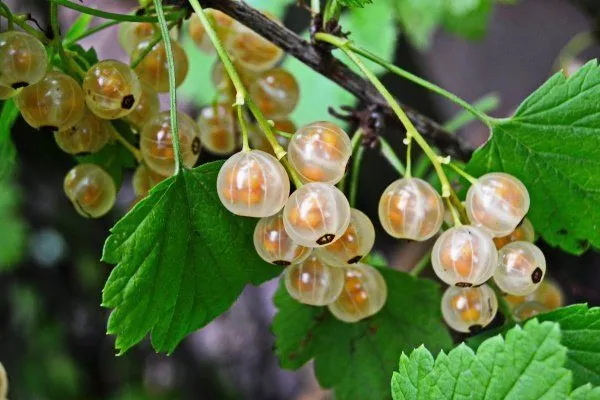
Minusinsk white
Medium ripening. Developed by Minusinsk breeders in 1971. A very winter-hardy variety.
Description. Medium-sized bushes with a medium spread. The average cluster length is 7.5 cm. The berries are large, weighing 0.8-1.0 g. The berries are uniform in size. The color is slightly yellowish. Sugar content is up to 9.6%. Vitamin C content is 54 mg. Yield is approximately 2.3-2.5 kg per bush.
Pros:
- self-fertility;
- rarely affected by powdery mildew and gall aphids.
Cons:
- seeds are too large;
- not good enough transportability.
Augusta
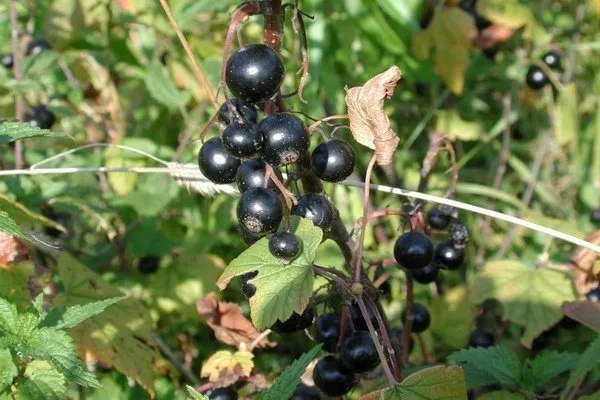
This variety belongs to the mid-late group. Developed by Novosibirsk breeders, it is recommended for cultivation in the West Siberian region.
Description. The bushes are medium-sized, with gently arching shoots. The fruit attracts gardeners with its size – large berries weighing about 3 g. The flavor is slightly tart. The berries have a pleasant currant aroma. Sugar content is 14%. Vitamin C content is 164 mg per 100 g. One bush can produce up to 2 kg of berries.
Pros:
- tolerates low temperatures well;
- high taste qualities;
- resistant to most diseases.
Cons: can be affected by speckled mites and kidney mites.
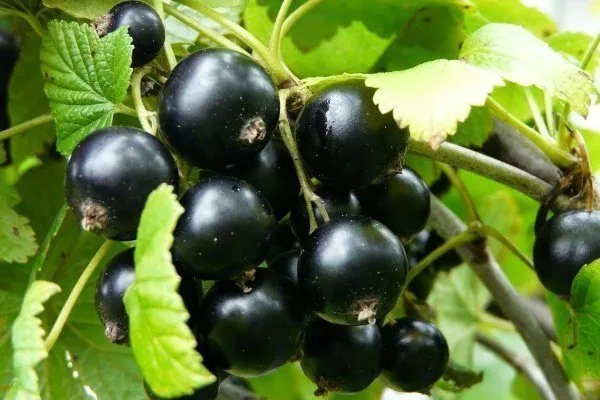
Blackamoor
Ripens mid-season. This variety was developed by domestic breeders by crossing high-yielding varieties.
Description. The bushes are medium-height and spreading, dense. The berries weigh approximately 1.3-1.5 g. The shape of the fruit is round-oval. All berries grow to approximately the same size. The color is black. The berries are shiny and easy to pick. The fruits are aromatic, sweet and sour. Sugar content is 8.5%. Vitamin C is 143 mg/100 g. A bush produces up to 1.8-1.9 kg of fruit.
Pros:
- stable harvests;
- unpretentiousness and resistance to diseases;
- mechanized harvesting can be used;
- standard agricultural technology.
Cons: ripening is prolonged compared to many popular varieties.
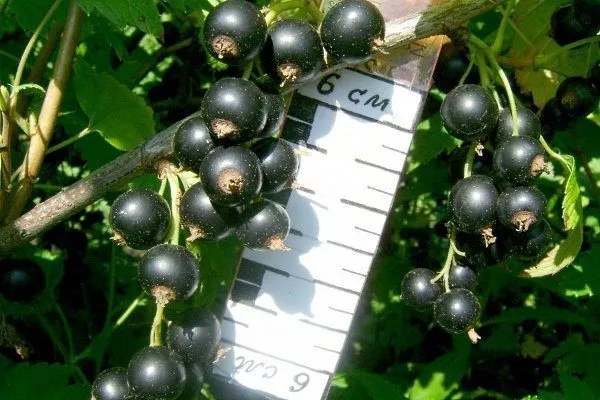
Altai late
A late-ripening variety developed by Siberian breeders. It tolerates severe frosts.
Description. The bushes are tall and upright, with a medium density. A single cluster produces up to 7-14 berries. Each berry weighs up to 1.2 g. They are round and uniform in size. The berries are black, covered with a waxy coating, and detach easily. The seeds are small. The berries have thin skin and a sweet and sour taste. Sugar content is 6.5-8%. Vitamin C is 200 mg/100 g. Yield is 1.5 kg per bush.
Pros:
- self-fertility;
- practically not susceptible to anthracnose, septoria, bud mite and columnar rust;
- stable harvest;
- high taste characteristics;
- suitability for mechanized processing.
Cons: When grown in central Russia, the variety is susceptible to powdery mildew.
Openwork
A mid-season, all-purpose variety. It is highly self-fertile and produces large-sized fruits.
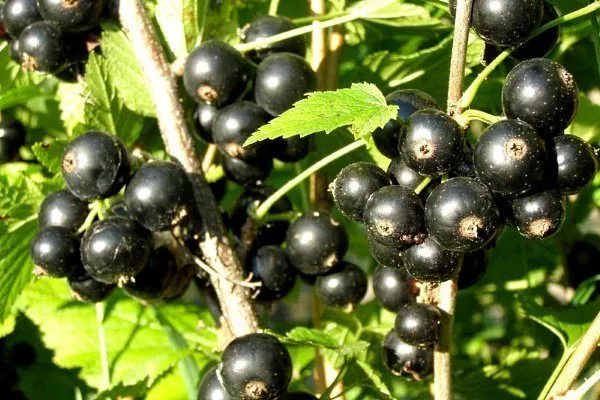
Description. The bushes are medium-sized and spread weakly. Height is about 1-1.5 m. The clusters are dense. Fruit weighs about 1.6-3 g. The shape is round-oval, the fruits are uniform in size, black, shiny, and sweet and sour. The skin thickness is medium. Sugar content is 7.8%, ascorbic acid (vitamin C) is 159 mg/100 g. Yield is from 1.6 kg per bush.
Pros:
- tolerates frost well;
- rarely suffers from columnar rust and powdery mildew;
- Mechanized harvesting is possible.
Cons: The variety is vulnerable to septoria and anthracnose.
It is not recommended to overload the bush during the first year of fruiting. This can lead to stunted growth and premature aging.
A gift of summer
A late-ripening variety with high winter hardiness. Maintains high yields for many years.
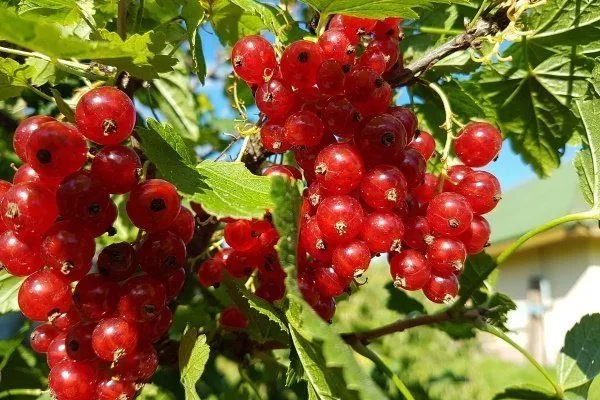
Description. Medium-sized bushes with moderate spreading. Long, up to 14 cm, clusters. Fruits are medium to large – 0.6-0.9 g. Color – red. Sugar content – up to 7%. Vitamin C – 55 mg. Yield – 2.8 kg per bush.
Pros:
- the fruits have high gelling properties;
- the berries are not tasty enough.
Cons: may be affected by anthracnose.
Gross
Mid-early ripening. Winter-hardy variety.
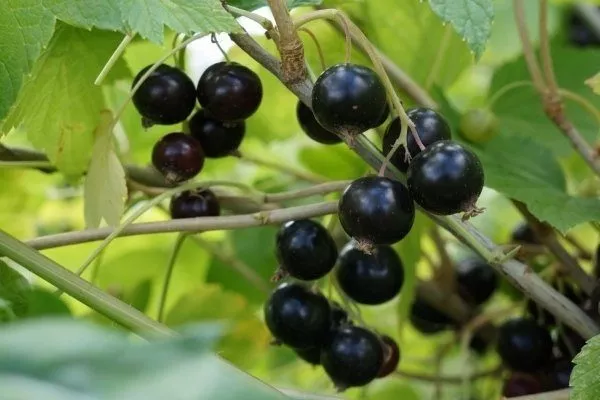
Description. The bushes are medium-sized and spreading. The clusters are long – 8-10 cm. The berries are large and glossy. They weigh 1.4-2.2 g and are black in color. They have a sweet and sour taste and a sugar content of 7.6%. The ascorbic acid content is 175 mg/100 g. Yield is 3.7 kg per bush.
Pros:
- high and stable yield;
- versatility of fruits;
- self-fertility;
- large, uniform fruits;
- resistance to diseases and pests.
Cons: too spreading bushes.
Gulliver
An early-ripening variety. Tall and large-fruited, resistant to low temperatures.
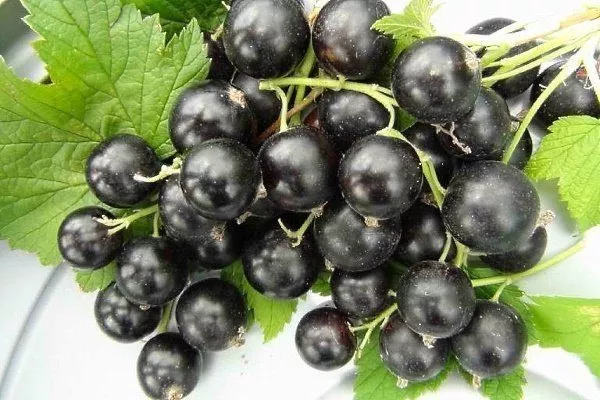
Description. The bushes are medium-sized, gently spreading. The density is medium. Medium-length clusters hold 9-17 berries. The berries are large, up to 3.2 g, black, and shiny. Sugar content is 6.8%. The taste is sweet and sour. Vitamin C content is 168 mg/100 g. One bush produces up to 2 kg of berries.
Pros:
- resistance to stress and extreme conditions;
- Good resistance to diseases and pests.
Cons: tall bushes, require more sparse planting than other varieties – 3.0 x 1.2-1.5 m.
Big Ben
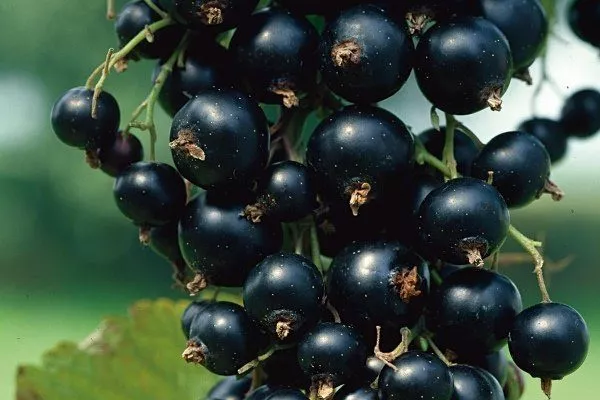
New. Developed in Scotland. Large-fruited, mid-early variety.
Description. The berries have a sweet and sour dessert flavor. Fruit weight is up to 3.5 g. The yield in the first year is 5 kg, increasing in subsequent years, reaching 12 kg in the third year.
Pros:
- high taste qualities;
- when ripe, it does not fall off;
- frost resistance;
- resistance to powdery mildew and pests;
- friendly ripening.
Cons: does not tolerate drought and arid climates well.
Other varieties
Black boomer. An early-ripening variety. The berries ripen in early July. An excellent treat for children. The berries are very large and sweet, weighing 5-7 g. The berry cluster resembles a bunch of grapes. A high-yielding variety. A single cluster contains up to 20 berries with an unusual flavor. The berries are firm, with a glossy sheen. The flesh has a uniform consistency and a delicate and pleasant aroma. The berries remain on the ground for a long time.
- ✓ Consider the climate zone of your region to select frost-resistant or drought-resistant varieties.
- ✓ Pay attention to the variety’s resistance to diseases and pests, especially to bud mites and powdery mildew.
- ✓ For commercial cultivation, choose varieties with high yields and good transportability of berries.
Rose. A mid-season variety distinguished by its pink berries. The fruit has a sweet, dessert-like flavor. Fruit weight is 0.5-0.8 g. Sugar content is 7.5%. Vitamin C is 50 mg/100 g. Yield is up to 2.6 kg per bush.
Velours. A Buryat variety. Medium ripening time. Berry weight is 1.5 g. General-purpose. Delicate, sweet and sour flavor. Fruits, when ripe, hardly fall off. Sugar content is 9-10%. Medium-yielding – up to 1.5 kg of berries can be harvested from a single bush. Self-fertile, winter-hardy variety. Drawback: overripe berries burst. Does not tolerate drought well.
Yakut. Developed by Yakut breeders. Sugar content: 9%. Vitamin C: 100 mg. High winter hardiness. Medium-sized berries, weighing 0.9 g, black, with a waxy coating. General-purpose. Not very resistant to diseases.
Agrolesovskaya. Medium ripening time. Low-growing, slightly spreading bushes. Large fruits – up to 2.5 g. Sugar content – 11%. Winter-hardy and self-fertile. Resistant to powdery mildew, but susceptible to bud mite.
Amur canning. A mid-late variety bred in the Far East. The berries are small, weighing up to 0.8 g. They are slightly tart and suitable only for processing. They ripen unevenly. The yield is stable – 2 kg per bush. The variety is disease-resistant. Sugar content is only 5.4%.
Beaver. A Bashkir-bred variety. Large-fruited. Berries are uniform in size, weighing up to 2.6 g. Sweet and sour taste, sugar content – 9.6%. High winter hardiness. Disease resistance. Yields up to 4 kg per bush.
Chishma. A mid-early variety bred in Bashkiria. Medium-sized bushes with long clusters. Large fruits – up to 3.2 g. Black, spherical berries with a sweet and sour taste. Sugar content – 9.5%. Vitamin C – 236 g per 100 g. High-yielding variety – up to 4 kg per bush.
The Snow Queen. A green-fruited, mid-late variety. Berry weight is 1-1.3 g. Color is light yellow with a green tint. Up to 2.7 kg can be harvested per bush. This high-yielding, frost-hardy variety is resistant to most diseases.
Tatiana's Day. Medium ripening time. Medium-sized bushes, medium-long clusters. Sugar content – 9.4%. Shiny black fruits weigh 1.3 g. Drought-resistant. Self-fertile and early fruiting. One bush produces up to 3 kg of berries.
Crispy. A mid-season red currant. Siberian selection. Large berries – 0.7-1.3 g. Up to 2.6 kg of berries can be harvested per bush. High winter hardiness. The berries have a dessert flavor.
In memory of Shukshin. A mid-season variety from Siberian breeders. Very large, black berries. Thin-skinned, sweet and sour, dry picking. Sugar content: 8.5%. Ascorbic acid: 120 mg.
Khara Kytalyk. A product of Yakut selection. Medium-sized bushes with very long clusters – up to 14 cm. Sugar content – less than 5%. Very high in vitamin C – 259 mg. Tolerant of low temperatures. Average yield. The variety is resistant to drought, pests, and diseases. Disadvantages: fruit tends to fall off, requires cross-pollination.
Shadrikha. Medium ripening period. Developed by Siberian breeders. Medium-sized bushes. Large, glossy fruits. Sugar content: 9.9%. Ascorbic acid content: 136 mg. Almost no powdery mildew. A drawback: the bushes are spreading. The berries are not particularly large – up to 1 g. The fruit color is dark brown with a waxy coating.
Orlovia. Mid-season currant. Vigorous bushes with medium spreading. Clusters contain 6-7 berries. Fruits weigh up to 1.2 g. All berries are uniform in size. Sugar content: 7.6%. Vitamin C: 109 mg/100 g. Complex disease and pest resistance. Yield: 1 kg per bush. If the bush is too spreading, branches bend toward the ground during ripening.
Verti. Green-fruited currant. A Finnish variety. The berries aren't as attractive as black or red varieties, but they have a wonderful flavor. They tolerate Russian frosts well, but severe frosts—above -30°C—may cause bud damage. The variety is resistant to fungal diseases. Berry weight is up to 1.5 g.
Classification of varieties according to basic criteria
Choosing currants for your garden or dacha requires sifting through dozens, even hundreds, of varieties. To make the selection easier, select varieties methodically—by color, ripening time, and fruit size. Below are several tables comparing currant varieties based on various criteria. Table 1 shows varieties with different ripening times.
Table 1
| Early maturity category | ||
| early ripening | mid-season | late-ripening |
| Summer resident | Vetch | Alexandrina |
| A curiosity | White Potapenko | Nuclear |
| Selechenskaya | Dobrynya | Bagheera |
| Exotica | Green haze | Kipiana |
| Nina | Red Andreychenko | Venus |
| Raisin | Titania | Mermaid |
| Constellation | Red Cross | Amur Cannery |
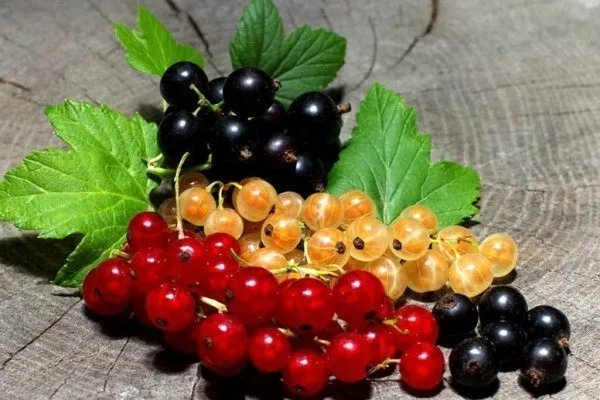
Comparative characteristics of different varieties of red, black, white and green currants in terms of yield and fruit size are presented in Table 2.
Table 2
| Color | Yield, kg | Fruit weight, g |
| Black currant | ||
| Summer resident | 1.5 | 2.2-5 |
| Dobrynya | 1.6 | 2.8-6 |
| Alexandrina | 1.8-3 | 0.9-1.2 |
| Green haze | 1.5 | 1.2-1.6 |
| Exotica | 3.5 | 3.5-5 |
| Selechenskaya - 2 | 2.8 | 3-5.5 |
| Red currant | ||
| Vetch | 6 | 0.5-0.8 |
| Red Andreychenko | 1.4 | 0.7 |
| Red Cross | 2.8 | 0.8-1.3 |
| Valentinovka | 2-3.3 | 0.5 |
| Beloved | 2 | 0.6-0.8 |
| A gift of summer | 2.8 | 0.6-0.9 |
| White currant | ||
| White Potapenko | 1.8-2.3 | 0.5 |
| White Fairy (Diamond) | 4.6-5.2 | 0.6 |
| Minusinsk white | 2.3-2.5 | 0.6 |
| Green currant | ||
| Emerald necklace | 2.9 | 1.1- 1.2 |
| Verti | 2 | 1.5 |
| The Snow Queen | 2.7 | 1.1-1.3 |
Currants with 1.5g berries were once considered large-fruited; however, new varieties have emerged, relegating these "old-timers" to the small-fruited category. Table 3 lists currant varieties distinguished by their particularly large fruits.
Table 3
| Large-fruited variety | Weight of berries | Color |
| Hercules | 3-3.6 | black |
| Lucia | 3.6-5.5 | black |
| Treasure | 2-4 | black |
| Lazy person | 3-3.5 | black |
| Exotica | 3.5-5 | black |
| Jonker Van Tets | 1.2-1.6 | red |
| Versailles White | 1.2-1.3 | white |
Currants are a versatile, truly diverse crop. Breeders have created dozens of varieties, each with its own distinct ripening time, purpose, flavor, color, fruit size, and other characteristics. By choosing a few varieties, you can ensure you have enough berries for the entire season and for any occasion.