
Slastena is a reliable currant variety that combines high productivity, excellent flavor, and resistance to external factors. Its ease of care, self-fertility, and frost resistance make it indispensable for gardeners, ensuring a consistent, high-quality harvest even in challenging climates.
Who developed the variety and when?
This variety was developed by Russian breeders T. P. Ogoltsov and S. D. Knyazev, scientists at the All-Russian Research Institute of Fruit Crop Breeding. Two varieties, Lentyai and Sunerbyurn, were crossed to create it.
Appearance of the bush and berries
The plant is medium-sized, up to 150 cm tall, semi-spreading, with strong, upright shoots covered with large, dark green leaves with a grayish tint. The five-lobed leaf blades, moderately deeply dissected, have a shiny, wrinkled surface and a distinct currant aroma.
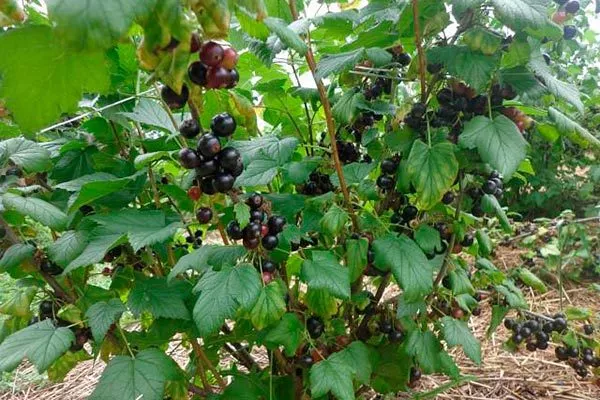
Distinctive characteristics of the fruits:
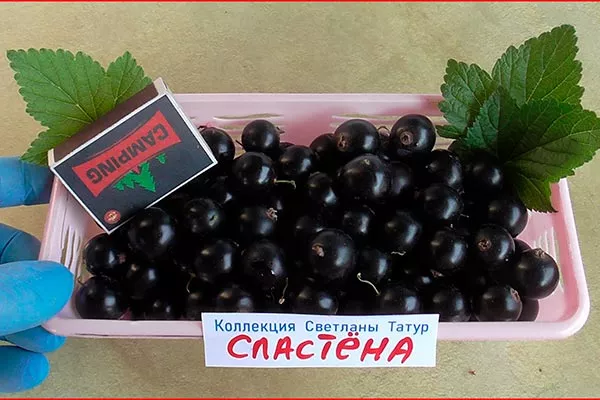
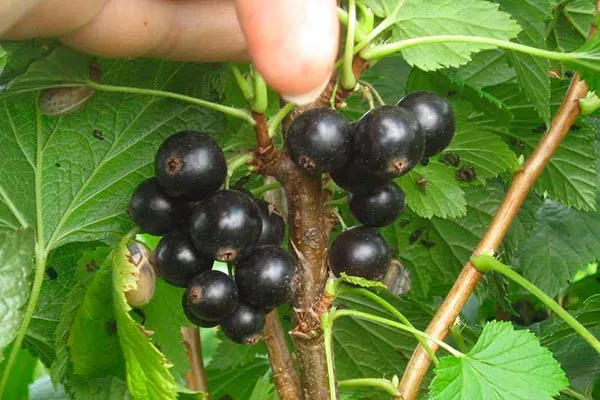
- Large, black, weighing up to 4 g, with a dense but thin skin that is practically not felt and does not cause discomfort when consumed.
- The separation is dry, which allows the berries to be transported without fear of damage, and used for freezing or processing later.
The shrub's productivity is so astonishing that the shoots can bend to the ground under the weight of the fruit. To support the plants, it is recommended to install fences or supports.
Characteristics of the variety
Slastona is one of the sweetest varieties of blackcurrant. To ensure abundant harvests, it's important to familiarize yourself with its benefits and provide the plant with the right conditions for growth and development.
Unique features:
- Taste qualities. The flesh is a rich emerald hue. It's juicy, surprisingly sweet, and delicately aromatic. A slight tartness accentuates the exquisite dessert flavor. This low-calorie product contains only 44 kcal per 100 g, contains virtually no protein or fat, but is rich in vitamins and carbohydrates.
Currants have antipyretic, anti-inflammatory and antimicrobial effects. - Culinary uses. The berries are suitable for fresh consumption, and are used to make jelly, jam, and other types of processing, as well as freezing.
- Self-fertility. This is a self-fertile variety, capable of producing fruit without the need for additional pollinators. However, to increase yield, it is recommended to plant other currant varieties with similar flowering and fruiting periods nearby.
- Ripening period and yield. It's a mid-early variety, with fruiting beginning in late June. Productivity is high, with up to 4 kg of berries being harvested from a single bush.
- Location and soil requirements. Blackcurrants are recommended to be planted in sunny areas, preferably near a house or other building to provide protection from wind and drafts. Loose, fertile soil with good drainage and a slightly alkaline pH is best.
- Growing regions. The bushes are well adapted to the central zone and regions of Siberia.
- Resistance to diseases and pests. The plant has good vitality and is resistant to fungal, viral and bacterial diseases, and also effectively resists bud mites.
It is important to properly prepare plants for winter, provide sufficient moisture, and carry out treatments so that weakened bushes are not susceptible to disease after winter.
Subtleties of planting
Grow the crop in well-lit areas on fertile sod-podzolic or chernozem soils with a neutral pH. Although the variety tolerates partial shade, sunny locations are preferred for best growth and fruiting.
- ✓ The soil pH level should be strictly within 6.0-6.5 for optimal nutrient absorption.
- ✓ The depth of groundwater is at least 1.5 m from the surface to prevent root rot.
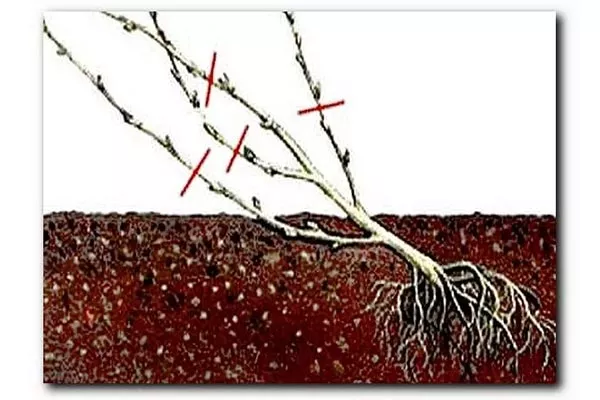
When preparing planting holes, follow these recommendations:
- The distance between bushes is 1.5 m, and between rows – 2 m. The shoots should grow freely.
- Dig holes measuring 70x70x70 cm. Place a drainage layer and an organic bedding of rotted manure, dry grass, or hay at the bottom.
- Add enriched soil on top, containing humus, bird droppings, compost, mineral fertilizers, superphosphate and wood ash.
- After planting the seedlings, compact the tree trunk circle and moisten it with 30 liters of warm water.
Care and cultivation
Caring for currants involves several important aspects that ensure healthy plant development and a good harvest. Follow standard agricultural practices:
- Watering. The plant requires regular watering, especially during flowering and fruit ripening. Apply warm, settled water to the roots, avoiding contact with the leaves and berries. During drought, increase watering to prevent the soil from drying out.
- Fertilizers. Bushes require regular fertilization to maintain high productivity. Use organic matter (humus, compost, bird droppings) and complex mineral fertilizers with added phosphorus and potassium. Fertilize in the spring, before flowering, and during the period of active fruiting.
- Mulching. To retain soil moisture and prevent surface crusting, mulch the area around the tree trunk. Mulch helps protect the soil from overheating and maintain optimal moisture levels. Use peat moss, dried leaves, straw, or wood shavings.
- Loosening. After each watering, gently loosen the soil to ensure good aeration of the roots and prevent crusting. Loosening the soil helps control weeds.
Features of pruning
In the fall, promptly remove dead, diseased, and weakened branches. For older shrubs, prune shoots that no longer bear fruit.
Treat cut areas with garden pitch. This prevents infection.
Prevention of diseases and pests
Sweetsweet is resistant to powdery mildew and many fungal diseases, but experienced gardeners recommend preventative spraying. The crop can be susceptible to bud mites, so pay special attention to their control.
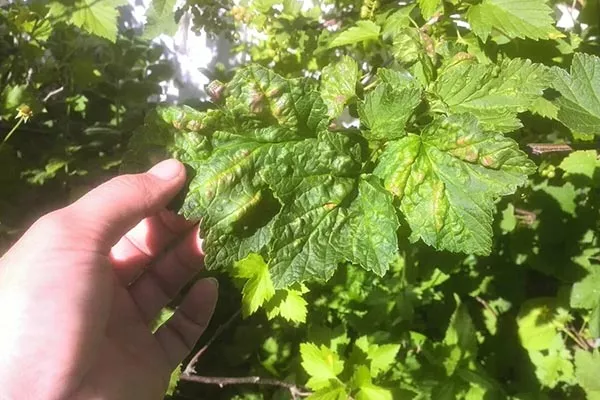
- ✓ Swollen buds in winter that do not open in spring.
- ✓ The appearance of small, deformed leaves on affected shoots.
Follow these recommendations:
- In early spring, trim branches with swollen buds and remove them, and after flowering, spray with a 1% solution of colloidal sulfur.
- To combat potential diseases promptly, inspect foliage and shoots for symptoms. As a preventative measure, periodically remove fallen leaves and weeds from the area.
- Loosen the soil regularly and fertilize.
With proper care, shrubs will have good immunity.
Pros and cons
To ensure full development and consistent fruiting, it's important to understand all the characteristics of the crop before planting it. The Slastena currant variety has many advantages:
The disadvantages include the possibility of the bushes being affected by bud mites.
Reviews
The Slastena currant is a variety prized for its low maintenance and excellent yield. The berries are large, sweet, and aromatic, ideal for fresh consumption and processing. This variety is disease and frost resistant and requires little maintenance, making it an ideal choice for gardeners and homesteaders.