
Siberian currant is a hardy variety with excellent adaptation to harsh climates. Its high yield and low maintenance have made it popular among gardeners in our country. With timely agricultural practices, you can maximize productivity and enjoy regular, bountiful harvests.
Description of the variety
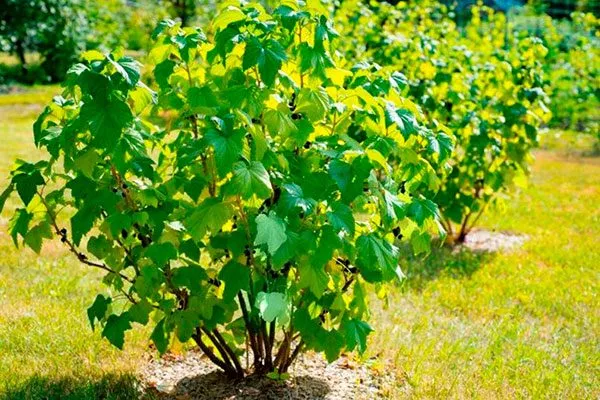
Siberian is a medium-height shrub with a moderately dense crown, growing up to 1 m. Other distinctive features:
- leaves - dark green, shiny, with a characteristic heart-shaped form;
- flowering – observed in May-June, inflorescences are white or green;
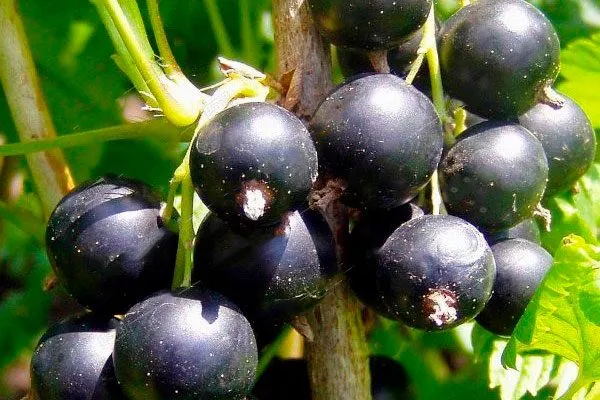
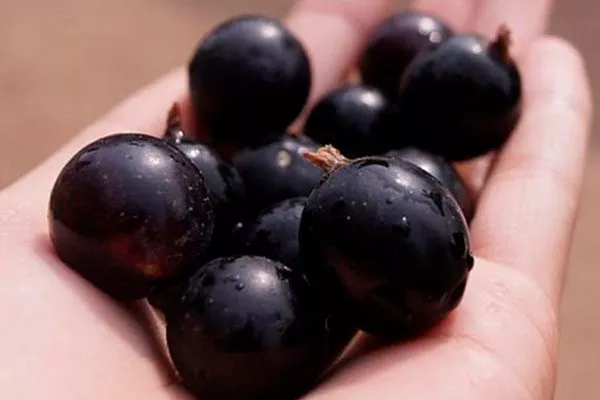
- berry shape – round, up to 2.5 cm in diameter, deep black;
- fruit weight – varies from 4 to 6 g;
- taste - mostly sweet, with a slight sourness;
- aroma – pronounced and pleasant.
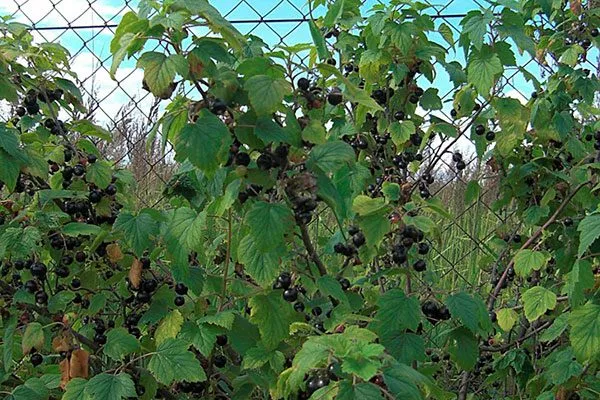
The variety is excellent for making preserves, jellies, marmalades and jellies.
Main characteristics
Siberian currant berries begin to ripen in late June and early July. This variety boasts a stable and high yield: up to 5-6 kg of fruit can be harvested from a single bush.
The plant boasts good resistance to major diseases and pests. However, it can sometimes be attacked by aphids or bud mites. In such cases, treatment with specialized insecticides is recommended.
Growing and care
To successfully grow the Siberian blackcurrant variety, it's important to choose the right location and prepare the soil. This variety prefers sunny spots but can also grow in light shade. It thrives best in fertile, moderately moist, loose soil with a neutral to slightly acidic pH.
Preparing the site and planting hole:
- Choose an open, well-lit location protected from strong winds.
- Avoid low-lying areas where water stagnates and areas with close groundwater levels.
- Dig up the soil 2-3 weeks before planting, remove weeds and add organic matter (humus or compost).
- Dig a hole measuring 50×50×50 cm. Place drainage at the bottom (if necessary), then add a mixture of 10 kg of humus, 200 g of wood ash, 40 g of superphosphate, 20 g of potassium salt.
Landing algorithm:
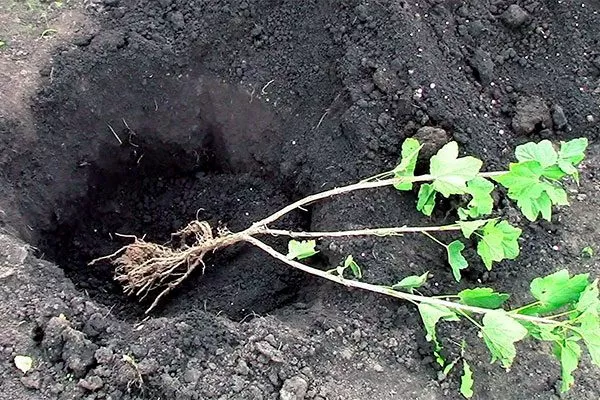
- Place the seedling in the hole at a 45 degree angle to encourage the formation of basal shoots.
- Carefully straighten the roots and sprinkle with soil, compacting lightly.
- Deepen the root collar 6-8 cm below ground level.
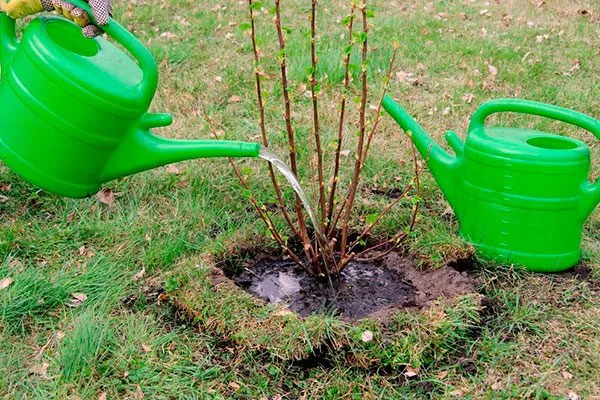
- Water generously (10-20 liters of water per bush).
- Mulch the tree trunk circle with peat, humus or dry soil.
- Shorten the shoots, leaving 3-4 buds on each.
Caring for this plant is simple, but it does require consistency. To ensure the bushes thrive and produce fruit consistently, they require proper care and attention.
Follow standard agricultural practices:
- Watering. Water the plant regularly, especially during flowering, berry formation, and ripening. Apply 30-40 liters of water per bush every 7-10 days (more frequently during drought). Pour the water at the roots, avoiding drips on the leaves.

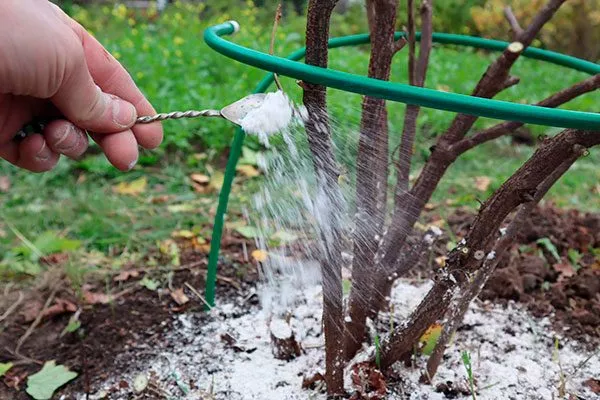
- Top dressing. The plant responds well to nutrition. Fertilize it several times per season, following this schedule:
- in the spring – nitrogen fertilizers (urea or mullein infusion) to stimulate shoot growth;
- during flowering and berry formation – complex compositions with potassium and phosphorus;
- after harvesting – phosphorus-potassium fertilizers (superphosphate, ash) to prepare for winter.
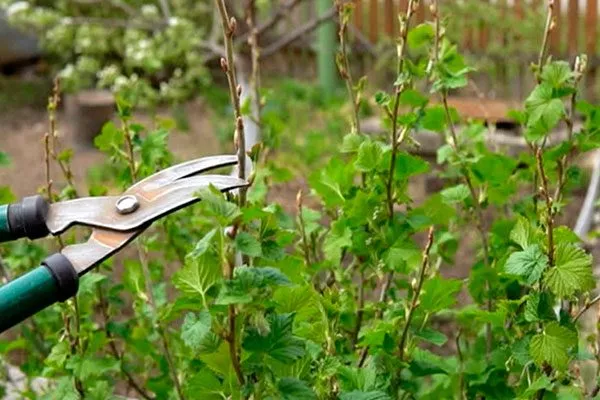
- Trimming. Perform annual sanitary pruning in early spring or fall after the leaves have fallen. Remove dead, damaged, and overcrowded branches. Completely prune out old shoots older than 5 years. Shape the bush, leaving 10-12 strong branches of varying ages.
- Protection from diseases and pests. For prevention, spray the plant with a copper sulfate solution or Bordeaux mixture in the spring. If aphids or mites appear, use insecticides (such as Fitoverm or Actellic).
Use fungicides (Topaz, Skor) against fungal diseases. Remove and burn fallen leaves and damaged plant parts.
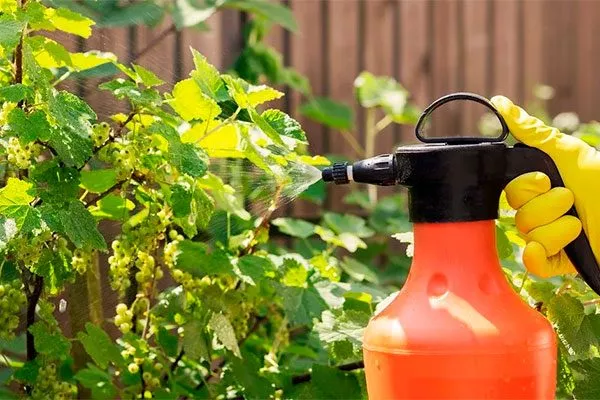
Regular care of Siberian currants will ensure high yields, healthy plants, and longevity of the bushes.
Reviews
Siberian currant combines disease resistance with good productivity. The berries delight with their flavor and aroma, and the bushes easily tolerate cold winters and require little care. This variety is suitable for both novice gardeners and experienced gardeners seeking a high-quality and abundant harvest with minimal effort.