
Shafak currant is a popular variety, distinguished by its high yield and beautiful, large berries. It is frost-hardy and disease-resistant, making it ideal for growing in a variety of climates. Proper cultivation techniques can significantly improve productivity.
History of creation and zoning
This variety was developed by breeders M. G. Abdeeva and N. G. Abdyukova at the Ufa Federal Research Center of the Russian Academy of Sciences. This golden, all-purpose variety is popular for home cultivation.
Currants are successfully cultivated in the following regions of Russia:
- Northern;
- Northwestern;
- Central;
- Volga-Vyatka;
- Central Black Earth;
- North Caucasian;
- Middle Volga;
- Lower Volga.
It shows good results in the Ural, West Siberian, East Siberian, and Far Eastern regions.
Description of fruits and plants
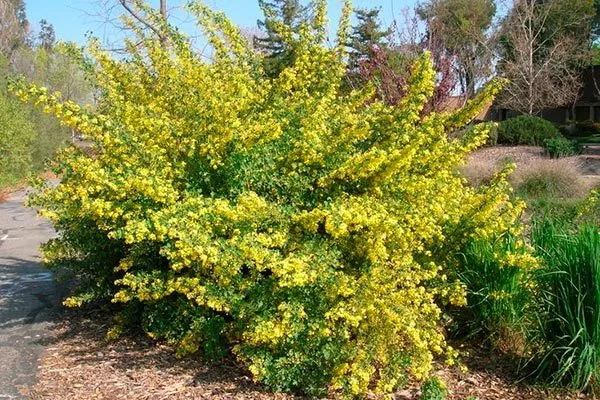
The Shafak currant bush has a spreading form and reaches a height of 1.5 m. Distinguishing characteristics:
- Escapes – medium thickness, with slightly drooping tops, light green in color, without pubescence.
- Leaves - small, green, with a slight fuzzy texture.
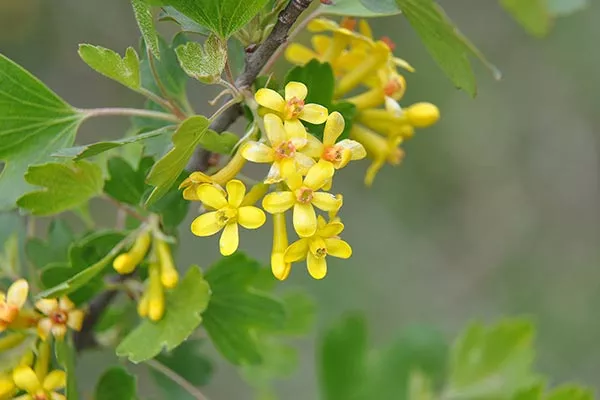
- Flowers – bright, and the brushes are dense.
- Berries - They are dark red in color and weigh 1.7 g. They are drop-shaped and have slightly pubescent skin with a bluish coating.
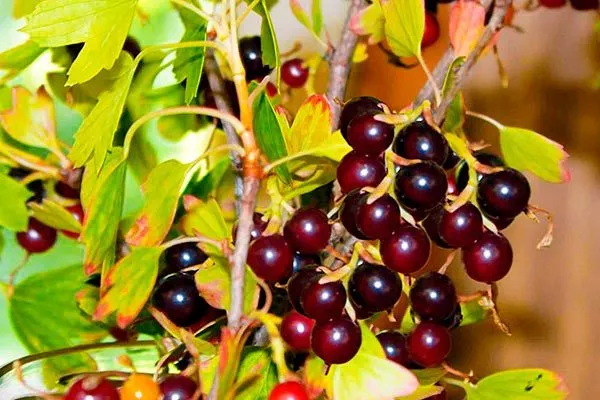
The fruit has a sweet and sour flavor. Sugar content is 13.6%, acidity is 1.4%, and vitamin C is 40 mg/%. The variety received a tasting score of 4.2 points.
Characteristics of golden currant Shafak
It ripens in mid-July and boasts a high yield – approximately 160 centners per hectare. Other characteristics of the crop:
- This variety has a high level of transportability and good marketability, which makes it popular for commercial cultivation.
- The bush is self-fertile, so it does not require other plants of the same species for pollination.
- The seedlings are rarely attacked by pests and are practically not affected by diseases.
- ✓ Resistance to temperature fluctuations down to -35°C without additional cover.
- ✓ Ability to self-pollinate even in the absence of other currant varieties within a radius of 500 m.
Benefits of golden currant
This culture not only delights with its exquisite dessert taste, but also provides significant health benefits. Key qualities:
- The berries are rich in vitamins C, B, and A, which is why they are used to prevent colds, strengthen blood vessels and the heart, and maintain healthy skin and vision.
- The fruits have a predominantly sweet taste with a slight sourness, which makes them safe for consumption by people prone to flatulence, as well as for those with gastritis and other stomach diseases.
Currants improve digestion and do not cause exacerbation of chronic diseases.
How is it different from the usual one?
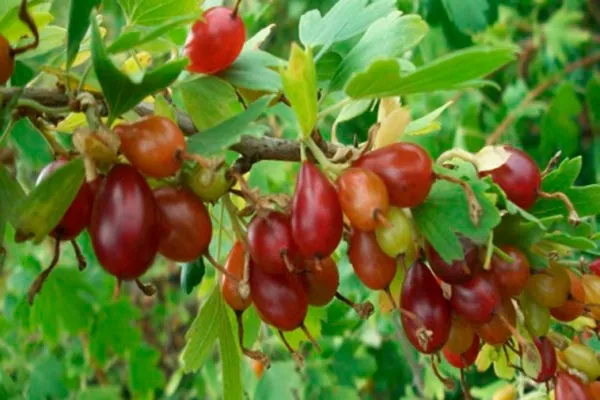
Shafak berries are dark red with a bluish bloom and teardrop-shaped, while blackcurrants are round and dark black, and redcurrants are bright red and translucent. Black varieties have a more intensely sour flavor, while red varieties have a sweet and sour taste.
Golden currants are generally less susceptible to disease than black or red currants. Shafak is self-fertile and requires no pollinators, while some black and red currant varieties require cross-pollination to improve productivity.
Growing golden currant Shafak
Planting berry seedlings is a simple process, but for successful growth, certain guidelines must be followed. The subsequent development of the shrub depends on the correct procedure.
Preparing seedlings and the site
Begin planting seedlings in the spring, immediately after the soil has warmed slightly. Fall planting is possible, but do it no later than a month before the first frost, in September or October.
Follow these recommendations:
- The crop thrives in almost all soil types—from alkaline to acidic, dry to moist, loamy to sandy. Avoid areas with a close water table to prevent waterlogging.
- Before planting, prepare the soil: loosen it, remove weeds, and a week before planting, add about 6 kg of compost and potassium fertilizer per square meter. Sprinkle the area with wood ash.
- For a planting hole about 50 cm deep and wide, use a soil mixture of equal parts humus and fertile soil. Additionally, add 200 g of superphosphate and a small amount of nitroammophoska.
- If you are planting several bushes, leave a distance of 1.5 m between them, and about 3 m between rows, so that the plants do not shade each other and have enough space to develop.
- ✓ The soil pH level should be between 6.0-6.5 for optimal growth of Shafak currant.
- ✓ The depth of groundwater should not exceed 1.5 m to prevent root rot.
Before planting, carefully prepare the seedling. Inspect the roots, remove any damaged or dried parts, and soak them in water or a rooting stimulant solution for several hours. If the shoots are too long, trim them back, leaving 3-5 buds.
Time and place of landing
Begin this process in the fall, but spring cultivation is also possible. Follow these rules:
- In autumn, plant the seedling after the sap flow has finished, and in spring – before it starts, making sure that return frosts no longer threaten the plants to avoid their death.
- Currants require a lot of light, so plant them in flat areas or on small slopes facing southwest or west, protected from the wind.
- Place the seedling in a pre-prepared hole half-filled with potting soil. Cover the roots with the remaining soil, burying the root collar approximately 5 cm deep.
- Position the plant at a slight angle to encourage new root growth. After planting, gently compact the soil around it and water generously with 30-40 liters of water.
Prune, leaving 5-6 buds to speed up the rooting process.
Principles of caring for golden currants
Caring for the crop plays a key role in its successful growth and high yield. Standard agricultural practices are essential, but even a novice gardener can handle this.
Currant bush shaping and pruning
The plant is characterized by low branching, which makes it easy to shape. Regularly remove small shoots and leave only one branch – this will become the base of the trunk.
To form a standard shape, you can graft a gooseberry cutting at a height of 50-60 cm, which will ensure the bush will grow healthy and long-lastingly, and the fruits will be large.
One year after planting, follow these recommendations:
- Remove dry and damaged branches.
- Completely cut off weak root shoots that interfere with the growth of the main bush.
- If necessary, trim off any shoots that disrupt the shape, especially if using it for decorative purposes.
Shoots up to 6 years old are productive for fruiting, since older branches do not participate in the formation of the crop.
The subtleties of watering crops
Proper watering is essential for the normal growth and development of fruit bushes. The frequency depends on the plant's age and weather conditions:
- Young seedlings require more frequent watering – at least once a week – to ensure their rapid growth.
- Adult specimens require 5 waterings during the entire growing season, while maintaining soil moisture during the period of ovary formation.
- During dry periods, monitor the soil conditions. If the soil dries out quickly, water more frequently.
- Each adult bush requires about 30 liters of water, while young plants need 20 liters.
Using fertilizers for currants
Fertilizing is an important aspect of crop care, especially for a bountiful harvest. Follow these recommendations:
- In the spring, feed the bushes with complex mineral fertilizers and add organic matter to the root zone. The interval between such feedings should be 2-3 years.
- Potato peelings are an excellent organic fertilizer. They contain potassium, starch, and other beneficial substances that protect plants from slugs, wireworms, and Colorado beetles.
Bury dried peelings under bushes in summer and spring, where they gradually decompose and supply the root system with nutrients. You can also pour boiling water over the peelings and water the seedlings with this infusion.
To stimulate growth and fruiting, fertilize the crop with nitrogen solutions in the spring and organic solutions in the fall.
Features of crop propagation
To increase the currant population in a plot, four methods of vegetative propagation are usually used.
Choose the most suitable method:
- Cuttings. In early spring, cut cuttings with 2-3 buds, place them in water with a rooting agent solution for 24 hours, then deepen them in a soil mixture of humus, fertile soil and sand.
Cover the cuttings with plastic wrap and keep them at a temperature of at least 23°C in a bright room. Once roots and new leaves appear, transplant them into open ground. - Dividing the bush. This method is suitable for rejuvenating old plants. In early spring, cut the currant bushes in half, carefully dig them up, and divide the rhizome into several pieces. Plant each piece in pre-prepared holes, ensuring that the divisions have several strong shoots and healthy roots.
- Propagation by shoots. Carefully dig it up and replant it. This propagation method is simple and effective, as the shoots easily take root and develop into a new bush.
- Layers. One of the most reliable and simple methods. Bend the lowest branches down to the ground, push them into the soil, and secure them with wire or staples. Moisten the cuttings, and within a few weeks they will develop roots, allowing them to be replanted next year.
All these propagation methods help not only to increase the number of seedlings in the garden, but also to preserve all the varietal characteristics of the crop.
Diseases and pests of golden currant
A striking feature of this plant is its strong immunity. With proper care, it rarely gets sick, but is occasionally susceptible to pests and fungal diseases:
- Bushes can be attacked by insects such as spider mites and aphids, which damage leaves and prevent normal bud development. To combat them, use colloidal sulfur during flowering or insecticides such as Karbofos and Actellic.
- Among fungal diseases, powdery mildew, septoria leaf spot, and anthracnose pose the greatest threat. Powdery mildew appears as a whitish coating on leaves and fruit, while anthracnose and septoria leaf spot produce light or brown spots on the foliage, causing it to curl and deform.
Use Nitrafen, Bordeaux mixture and copper sulfate.
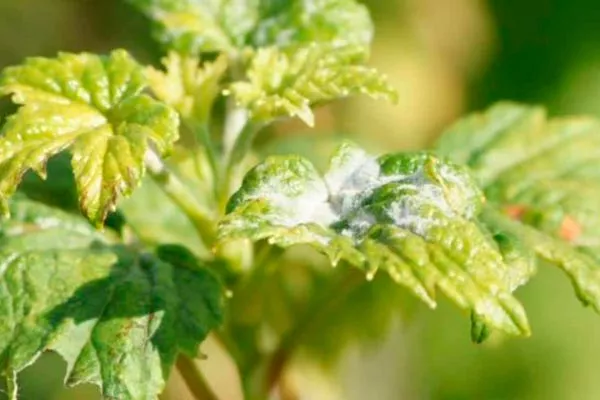
Spray for treatment and prevention from early spring to late fall. However, avoid using chemicals during flowering and fruiting periods to avoid disrupting pollination and reducing yield.
Pros and cons
Before planting a shrub on your property, consider its advantages and disadvantages.
Reviews
Shafak currant is an ideal choice for both beginner and experienced gardeners. It combines ease of care, high resistance to diseases and pests, and excellent berry flavor. Thanks to its excellent characteristics, this variety is successfully cultivated not only in private gardens but also on an industrial scale.