
The Sevchanka currant variety isn't a leader in yield or fruit size, but it enjoys well-deserved popularity among gardeners due to its stability, excellent resistance to adverse conditions, and enviable immunity. Its self-pollination and pleasant fruit flavor are additional advantages.
History of selection and growing regions
Sevchanka is the product of a free cross between the seeds of the already recognized Golubka variety and a species provisionally known as Hybrid Form 32-77. This variety was developed by A. I. Astakhov and L. I. Zueva, employees of the V. R. Williams Federal Scientific Center for Crops and Insemination, at breeding stations in Bryansk.
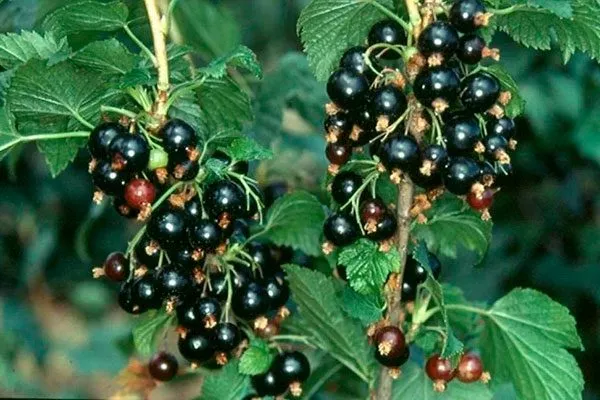
The Sevchanka variety was registered in 1991, and its inclusion in the State Register of Breeding Achievements took place three years after passing the required official variety testing, which was completed in a relatively short time.
Currants are suitable for cultivation in temperate climates, including the Volga, Central Black Earth, and Central Siberian regions. According to numerous gardeners, Sevchanka grows successfully and survives winter in the central part of Russia and Western Siberia. In northern regions, it survives, provided it is properly insulated during the winter.
Description of the black currant variety Sevchanka
Sevchanka doesn't have any distinctive appearance—it could be described as a typical representative of its species. However, there are key characteristics of the plant and its berries that are important to know.
Bush
It is characterized by rapid growth. Average sizes are approximately 150 cm in height and 100-120 cm in width. However, they retain a compact habit and do not have a spreading form: most shoots grow vertically or nearly vertically.
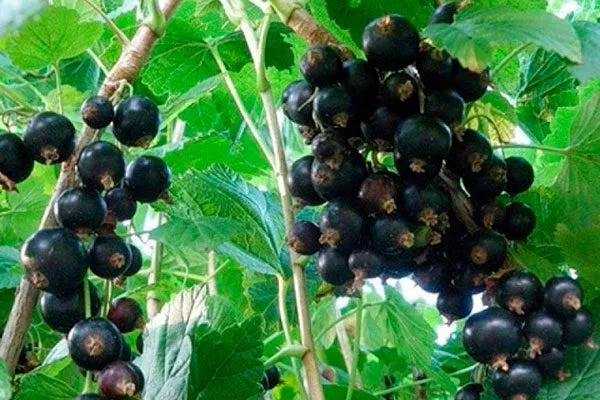
Plant varietal characteristics and features:
- Branches Sevchanka currants are pubescent, medium thick, sometimes slightly curved.
- Leaves Small, leathery to the touch, with a distinctly wrinkled surface. They have a slight convexity along the central vein and deep notches. Their base is closed and deep, and the teeth are slightly curved downward.
- Flowers The petals are a combination of large and medium-sized, light yellow with sepals of a pale purple hue. The flower clusters are medium-long, containing 8 to 14 flowers. The axis of the cluster is slightly curved and not covered with hairs.
Berries
The fruits are large (2 to 3.5 g) and perfectly round. They form in medium- to long-sized clusters containing 8 to 14 fruits, with a slightly curved axis.
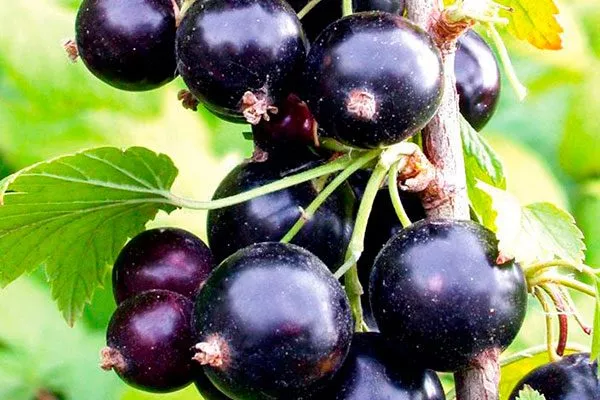
Other parameters:
- The skin of these berries is deep black and shiny.
- The surface is strong and elastic enough to ensure that the berries are resistant to cracking and can withstand transportation.
- The berries on the side of the bush that is most exposed to the sun usually grow larger.
- Ripe fruits remain on the bush without falling off.
Characteristics of the variety
A key feature of the Sevchanka currant, prized by many gardeners, is its ability to withstand stress factors. It is distinguished by its increased resilience, which is harmoniously combined with the pleasant flavor of its berries and a regular harvest.
Taste qualities, application
The Sevchanka currant berries received a rating of 4.6 out of a possible five from specialized tasters, as recorded in the State Register. The berries' flavor is described as good, but many gardeners and consumers who have tried these fruits tend to consider this rating insufficient.
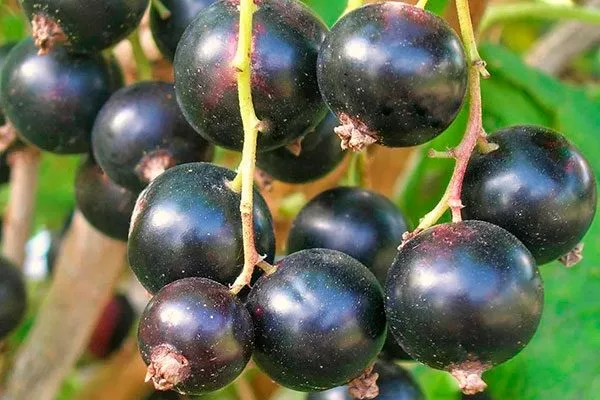
They claim that Sevchanka currants can be called dessert varieties without undue restraint, as their flavor is harmonious—light hints of tartness and sweetness. Furthermore, the berries have a rich and pleasant aroma.
The pulp and peel contain:
- Sahara;
- acids;
- soluble solids;
- pectin;
- vitamins C and P;
- anthocyanins and leucoanthocyanins;
- polyphenols.
The berries of this variety can be eaten raw or used to make homemade preserves.
Ripening time, productivity
It ripens early and is considered an early-ripening variety. In central Russia, harvesting occurs in late June or early July. However, given the varied climate and weather conditions in a given region, the harvest date can be adjusted by 7-10 days.
Other characteristics:
- It bears fruit exclusively on shoots that appeared last season.
- During official testing, the variety demonstrated a yield of 104 centners per hectare, which corresponds to a berry weight of 1.6-2.2 kg per adult bush.
- Reaches peak productivity in the third or fourth year of its development.
- It is distinguished by annual fruiting without periods of dormancy.
- The berries ripen simultaneously, providing a massive harvest.
- Harvesting is simplified by the easy separation of the berries from the stems.
- This is a self-fertile variety that does not require donor plants for pollination and ovary formation.
Frost resistance
The State Plant Register recommends growing the Sevchanka currant variety in the Central and Central Black Earth zones. However, thanks to its winter hardiness of -25-27 degrees Celsius, the variety successfully tolerates winter frosts in temperate climates.
Disease resistance
It is characterized by good resistance to various diseases common to this crop, including powdery and downy mildew, rust, and anthracnose. Sometimes, even without preventative fungicide treatments, gardeners can avoid damage from pathogenic microorganisms.
- ✓ High content of essential oils in the leaves, which repels pests.
- ✓ Self-fertile, does not require additional plants for pollination.
The variety is protected from bud mites, which can cause significant damage to the crop early in the season. In general, pests don't seem particularly attracted to this currant. The reason for this is simple: the leaves have a strong aroma caused by the high content of essential oils, which is unpalatable to many insect pests.
Agricultural technology of the variety
The ideal time to plant the Sevchanka blackcurrant variety is spring, after the danger of frost has passed. However, it is also possible to plant in the fall, a month before the cold weather sets in.
Site selection and planting technology
To ensure a bountiful harvest, choose a location with ample sunlight and fertile soil. A level or gently sloping site, away from shady trees, is ideal. The south or southwest side of your home is ideal.
Soil parameters:
- Sevchanka does not grow on sandstones and heavy clay soils, as well as in places where water stagnates, for example, in lowlands and basins.
- Currants prefer soils with a slightly acidic or neutral content (pH 5.0–5.5), preferably loamy soils.
- The groundwater level should be no more than 100 cm deep from the surface of the garden.
- ✓ The soil acidity level should be within the pH range of 5.0–5.5, which is optimal for currants.
- ✓ The depth of groundwater should not exceed 100 cm from the surface.
In the fall, soil preparation for spring planting begins, which includes adding 8-10 kg of compost, 1 kg of wood ash, and 80-90 g of superphosphate per square meter. Planting holes are dug two to three weeks before planting.
They should be filled with a layer of topsoil, 2 tablespoons of superphosphate, a large handful of ash, and 3-5 kg of decomposed compost. This layer should be compacted before planting.
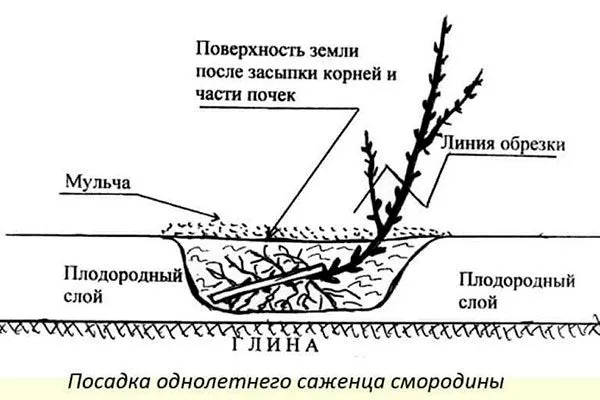
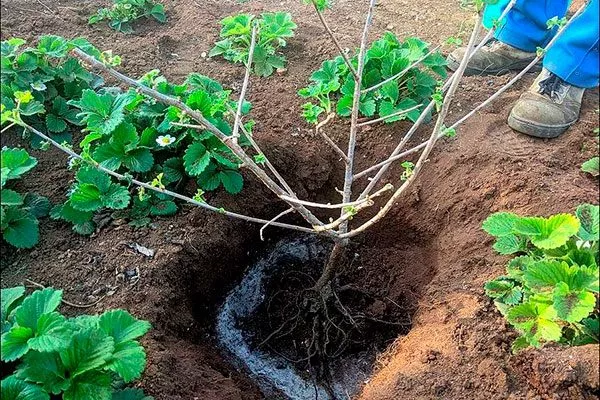
To plant currant seedlings, follow these steps:
- Pour 5 liters of water into each hole.
- Place healthy seedlings at a 45-degree angle, deepening them to 3-4 buds.
- Carefully straighten the root shoots, cover with soil and compact lightly.
- Pour in another 5 liters of water.
- After planting, trim the tops of the shoots, leaving only 3-4 buds on the above-ground part of the plant.
To maintain soil moisture and provide the young plant with sufficient moisture, the trunk circle should be covered with a layer of peat or compost.
Watering and fertilizing
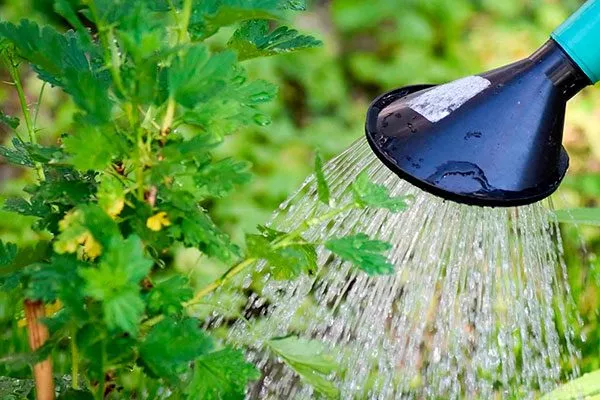
Currants require careful attention to moisture: they don't tolerate excess moisture, but require regular and moderate watering. Insufficient moisture can cause the bush to die. It's important to water the plant during spring growth, budding, fruit formation, and before and after harvest.
Rules:
- About 10-20 liters of water should be sprayed under one bush.
- During periods of drought, it is recommended to water once a week, increasing the volume of water to 50 liters.
- If there is natural precipitation, there is no need to water the currants.
For currant bushes older than three years, regular, high-quality feeding is important:
- Nitrogen fertilizers should be applied in spring and autumn.
- During the flowering and fruiting period, it is recommended to add potassium and phosphorus.
- In the summer months, you can use an infusion of cow dung or bird droppings, pouring 20-25 liters of the prepared solution under each bush.
To ensure that nutrients fully saturate the root system, form furrows 30-35 cm deep. Add 1-2 tablespoons of fertilizer to the prepared furrows, then cover with soil and moisten well.
Protection from diseases and pests
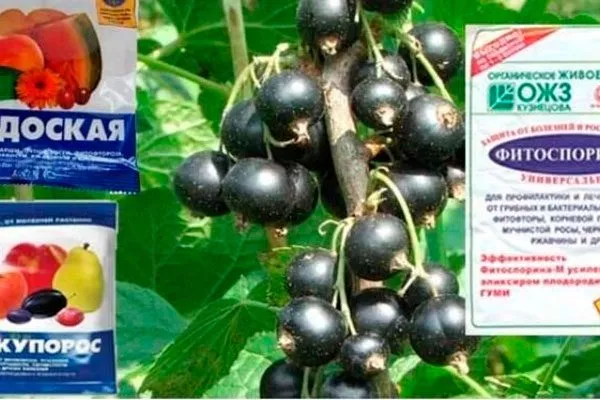
Sevchanka is resistant to fungal diseases such as powdery mildew, rust, and scab, and is also resistant to bud mites, spider mites, and aphids. To prevent infections, it is recommended to apply a hot spray to the plant in early spring:
- Boiling water should be poured into a watering can with a wide spray nozzle and poured over the plant from above.
- This method destroys kidney mite and scale insect eggs.
- 1 liter of boiled water is enough for each plant, and repeated treatments are not required.
Pruning and shaping
To ensure proper fruiting, currants need to be pruned in early spring—before the buds bloom—or in late fall, after the leaves have fallen. Experienced gardeners believe that the most effective time for major pruning is autumn, while in spring, only branches that have frozen or broken over the winter should be removed.
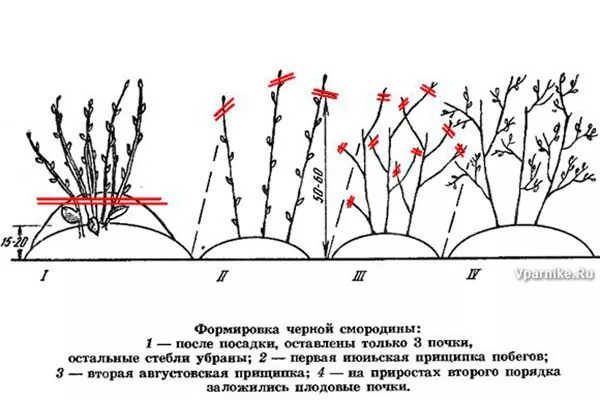
This process is important for forming the correct structure of the bush, preventing its excessive growth, providing optimal conditions for the development of new shoots and reducing the risk of disease.
Rules:
- The initial procedure is carried out immediately after planting - 3-4 key branches with 3-4 buds are left.
- In subsequent years, in the spring, all strong second-order branches should be pruned, leaving 5-8 buds. During pruning, only weak, diseased, or damaged young shoots are removed.
- When the plant reaches two to three years of age, it begins to form basal shoots, which form the foundation of the bush. These shoots will later grow new branches, providing the fruit. In the third year of the bush's life, it is customary to reduce the branches by a third to stimulate the development of lateral shoots.
- For two to three years after this, it is recommended to remove one-year-old basal shoots and leave three to four of the strongest zero branches.
- When the bush reaches five years, its structure should include two to four branches of different ages.
- After the bush has fully formed, it should have 10 to 15 skeletal branches of different ages, starting from the root part.
Winter period
Before the onset of cold weather, it's important to carry out preparatory work. Clear the soil around the bush and carefully mulch the area around the trunk to prevent deep freezing of the roots. It's recommended to deepen the currant root collar every year.
Reproduction
Currants are propagated by cuttings or layering. Cuttings require cuttings 20 cm long. They are wrapped in damp paper or film and stored in the refrigerator. In the spring, these branches can be planted in the soil at a 45-degree angle.
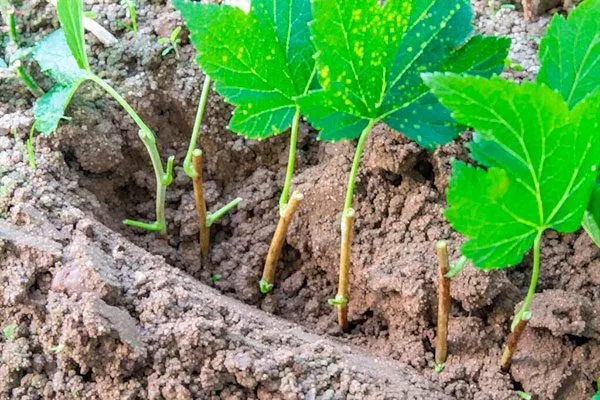
When using layering, dig a trench 10-12 cm deep near the plant, place the branch in it, and cover with soil. Regularly monitor the soil layer and keep it moist. In the fall, the bush can be separated and replanted.
Harvesting and storage
Harvesting begins in June and July, when the berries on Sevchanka reach full ripeness and are all at the same time, allowing them to be picked in one go. Precision is crucial during harvesting, as overripe berries easily burst and lose their flavor.
Peculiarities:
- Currants should be harvested in the afternoon, when the heat subsides.
- Berries should be placed immediately into the container in which they will be stored, without refilling, to avoid damage and maintain their marketable appearance.
- The fruits can be stored in glass jars in the refrigerator for up to three to four weeks.
- Don't wash currants before storing, and it's best to cover the containers with paper without lids. Jars should be opened every three days for 10 minutes to maintain aeration of the berries.
- Frozen berries can be stored in the freezer at -18°C for a year or more. Refreezing is strictly not recommended, as it will result in a loss of all vitamins.
- In canned form (jam, preserves, etc.), currants can be stored for two to five years.
- It's best to transport berries at night to avoid them heating up due to sunlight. Berries are packaged in transparent containers weighing up to 2 kg.
Pros and cons
This currant variety is distinguished by its culinary versatility, which is particularly emphasized in the State Register. But the variety also has other advantages, including:
But there is also a drawback – average berry yields.
Reviews
The Sevchanka currant is easy to care for, takes up little space in a garden, and is disease-resistant, producing a good harvest every year. Despite the emergence of more productive varieties in recent years, Sevchanka has remained popular among gardeners and remains a favorite growing option.