
Selechenskaya is a popular and sought-after blackcurrant variety. It boasts excellent productivity, disease resistance, and excellent berry flavor. It is characterized by large, sweet fruits, strong immunity, and numerous varietal traits. With proper care, it can produce bountiful harvests throughout the season.
Originators
In early 1993, Bryansk breeder A. I. Astakhov developed a new large-fruited currant variety called Selechenskaya. The crop was tested for several years, and ultimately, it was found to have strong immunity and be tolerant of soil conditions.
In 2004, an improved version, Selechenskaya 2, was developed, which is distinguished by its high yield and ability to quickly adapt to different climatic conditions.
Description of the plant
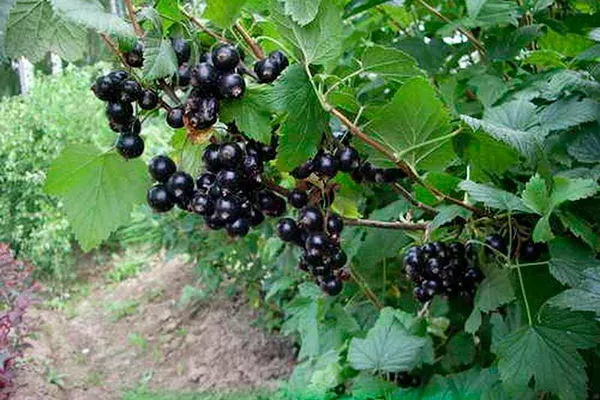
The bush is spreading, with a rounded crown. It has numerous shoots, partially woody, covered with dense, brownish-gray bark with a rough texture. The branches are densely covered with large leaves with characteristic wavy edges and prominent veins.
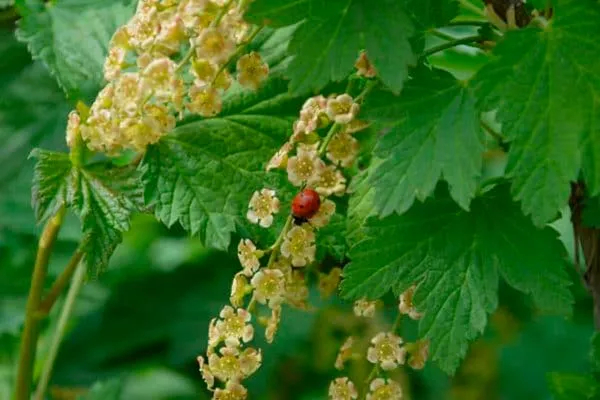
The plant blooms profusely, but briefly: in early spring, small flowers appear, gathered in inflorescences with long yellow, or rarely white, stamens. The root system is developed and includes numerous lateral branches.
Features of fruits and taste
The berries are large, 2-2.5 cm in diameter and weighing from 2.2 to 5 g. They have thin, bluish-black skin, sometimes with a light waxy coating. The fruits are collected in clusters and attached to the branches by long, thin, flexible petioles.
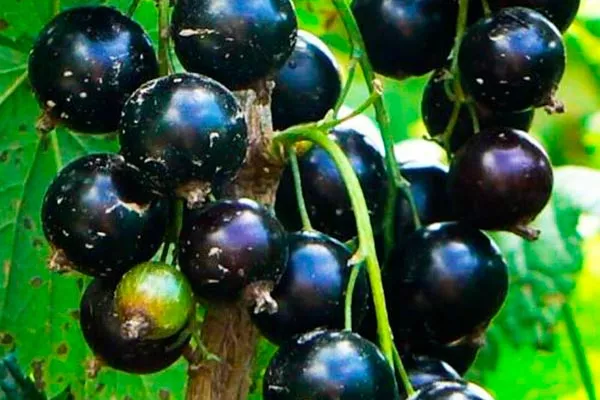
The round berries are covered in a firm, blemish-free skin. The flesh is juicy, moderately sweet and slightly sour, without astringency. There are few seeds. The lower part is slightly convex, the upper part is slightly concave.
Nutritional value
The fruits are rich in vitamins, especially vitamin C, and contain B vitamins, as well as vitamins A and E, which strengthen the immune system and support healthy skin and eyes. They also contain trace elements (potassium, calcium, magnesium, iron, and phosphorus), which are important for the cardiovascular system and metabolism.
Currants are low in calories—about 44 kcal per 100 g—making them suitable for dietary use. The berries contain dietary fiber, which improves digestion.
Contains natural antioxidants and organic acids, which impart a slightly sour taste and maintain the body's acid-base balance.
What is the difference between the Selechenskaya and Selechenskaya-2 varieties?
| Name | Disease resistance | Size of berries | Taste |
|---|---|---|---|
| Selechenskaya | High | 2-2.5 cm | Sweet and sour |
| Selechenskaya 2 | Very high | 2-2.5 cm | Sweet and sour |
To choose between two unique blackcurrant varieties for cultivation, it's important to understand their differences. The Selechenskaya 2 variety was bred as an improved version of its predecessor.
This variety is more resistant to cold, fungal and viral diseases, drought, and higher yields. Otherwise, Selechenskaya 2 is identical to the original variety, and its cultivation and care requirements are identical.
Characteristics
The Selechenskaya blackcurrant variety has remained one of the most popular varieties for many years, chosen by both novice gardeners and experienced gardeners.
The crop is successfully cultivated both on an industrial scale and in private plots.
Productivity
This variety is renowned for its high productivity – with proper care and favorable conditions, a single bush can yield up to 5-6 kg of berries. The main harvest period is July-August, with the fruits ripening gradually, allowing for leisurely picking.
Adherence to proper agricultural practices and the right conditions help maintain a stable yield for many years. This quality makes the crop not only ornamental but also a valuable source of fresh and processed berries.
All about flowering and fruiting of the variety
Selechenskaya berry blooms in mid-May, forming clusters of 8-12 white flowers, which then develop into berry ovaries. The first fruits ripen in mid-June, and by the end of the season, each bush yields 2 to 4 kg of ripe fruit.
These thin-skinned black berries with sweet, aromatic flesh are perfect for making juices, jams, and adding to confectionery and dairy products. They retain their nutritional properties well when frozen.
Frost and drought resistance
The shrub is characterized by its resistance to spring frosts, even during the flowering period. It is not affected by winter frosts, provided there is snow cover and temperatures reach -30°C. The plants can withstand short-term drought, but prolonged lack of water may cause ripening berries to fall off.
Immunity to diseases and insects
Proper and timely care of shrubs reduces the risk of fungal diseases and pests. The more carefully you care for your plant, the stronger its natural immunity becomes.
Other features
Selechenskaya is a self-fertile variety, so there is no need to plant other varieties nearby to get a good harvest.
Tasters rate the berries' flavor at 4.7-4.9 points (out of 5). The sugar-to-acid ratio varies depending on growing conditions and ranges from 4.2 to 4.9.
How to plant a crop on a plot?
The health and fruiting of a berry hybrid directly depend on proper planting and subsequent care. It's important to follow the recommendations and advice of experienced gardeners.
Preparing the site and planting hole
Choose flat, dry, well-lit areas protected from drafts. Follow these guidelines:
- Prepare the soil 3-4 weeks before planting: dig up the area thoroughly, remove weeds and roots, and loosen the soil.
- Add organic fertilizers, humus and mineral supplements to the soil.
- In the prepared area, dig planting holes up to 35 cm deep and 40-50 cm in diameter. Fill them with fertile soil and water thoroughly.
- If the soil is highly acidic, add lime or wood ash to it.
- ✓ The optimal soil acidity for Selechenskaya currants should be within the pH range of 6.0-6.5. If the soil pH deviates, it is necessary to adjust the soil composition.
- ✓ The distance between bushes when planting should be at least 1.5 meters to ensure sufficient ventilation and lighting.
Selection of seedlings
When choosing planting material, pay attention to the condition of the rhizome, the appearance, and the age of the plant. Choose two-year-old seedlings up to 35-40 cm tall.
The root system should be well-moistened, free of damage, signs of fungal or mold infestation, compaction, or rot. The plant trunk should be straight and smooth, and the presence of buds or foliage is essential.
Before planting in open ground, place the seedlings in a container of water for 3-4 hours, then treat with antibacterial agents and growth stimulants.
Optimal timing and planting pattern for bushes
To get a harvest in the first year after planting, plant currants in the fall, before frost. In temperate and southern regions, delay planting until early September to mid-October.
In northern climates, plan the planting for spring, when the soil has warmed up. This way, the first harvest will be possible within a year.
Step by step process
After preparing the soil and seedlings, begin planting. Follow these instructions:
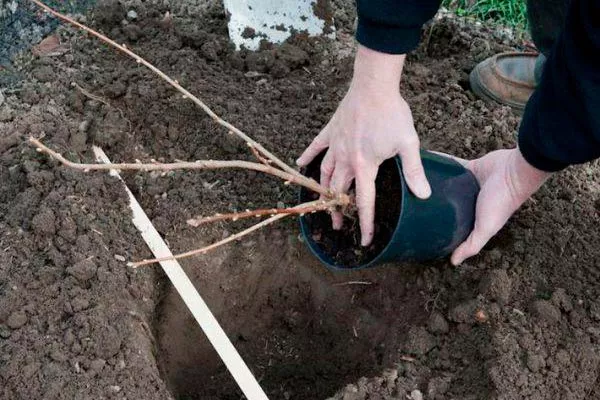
- Place the seedling in the planting hole at an angle of 45 degrees.
- Spread the plant roots evenly in the hole and cover with fertile soil.
- Compact the soil around the seedling and water it with warm water.
- Mulch the tree trunk circle with humus or dry grass.
What can be planted nearby?
Berry bushes have specific requirements for their neighbors. Currants thrive alongside gooseberries, strawberries, bulbous flowers, garlic, and legumes.
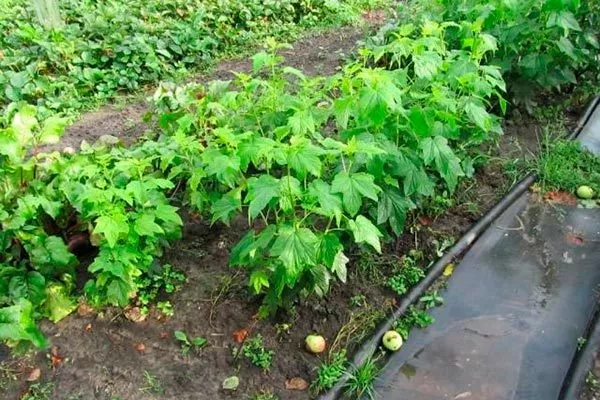
Avoid planting red raspberries, raspberries, potatoes, nightshades, and sunflowers nearby. Practice crop rotation to reduce the risk of fungal diseases and pests.
Further care
Berry crops require careful care, especially regular watering and fertilizing. Simple farming practices are essential to ensure bountiful harvests.
Watering by seasons
As spring approaches, water the shrub 1-2 times a week, every 7-10 days. Reduce the frequency of watering during frequent rainfall. Pour 10 to 30 liters of warm, settled water under each shrub, increasing the amount as the plant ages.
Increase irrigation during flowering and fruit set, as well as after fruit harvest. Apply water one last time before winter dormancy.
How to fertilize berry crops?
After planting, do not fertilize the plant for the first two years, provided all the necessary nutrients have been added to the planting hole. During this period, use organic material as mulch and regularly add 10 kg of humus or manure under the bushes in the spring and fall.
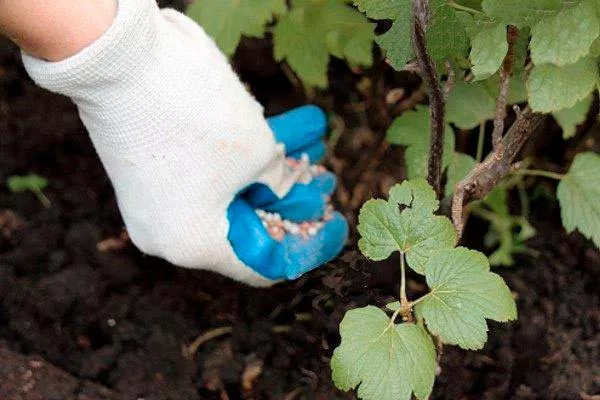
Starting in its third year, apply fertilizer three times per season. The plant responds well to both organic and mineral fertilizers. Focus on specific timing:
- Early spring. To stimulate vigorous growth, use up to 45 g of urea for young plants and 25-30 g for mature plants by lightly tilling the soil. Afterward, moisten the plant and cover the soil with organic matter.
- In summer. Top dressing includes a solution of chicken manure (1:10) - apply under the bush in the amount of 10 liters after moistening the soil.
- In autumn. Apply potassium sulfate (15-20 g) and superphosphate (40-50 g), or replace mineral fertilizers with wood ash (200-400 g). Apply them to a depth of 10-15 cm, then cover the soil with humus or manure (6-7 kg).
Loosening and mulching the soil
Loosen the soil after watering your currants. This procedure helps oxygenate the soil, improves nutrient access to the roots, and helps maintain proper soil moisture. Loosening and mulching are effective in controlling weeds and harmful plants.
Sanitary and formative pruning
The first four years after planting are critical for proper bush formation and maintaining its productivity. Follow these recommendations:
- In spring, before the buds open, cut the shoots of the young seedling by half or even two-thirds of their length.
- In the second year, plant 4-5 strong shoots and remove the rest. To stimulate the growth of new branches and shoots, pinch the tips of the main branches in midsummer.
- Repeat pruning in the third and fourth years. Prune last year's branches, leaving two buds, and from the new shoots, trim three to five of the strongest ones, removing the rest.
- By the fifth year, the bush is considered fully formed if it has at least 4 strong shoots.
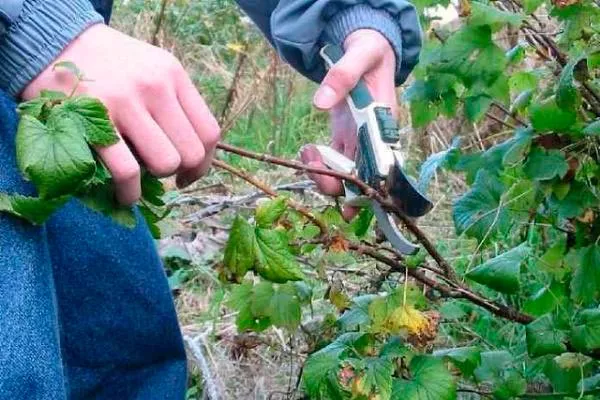
To rejuvenate the bush, remove all branches older than six years, cutting them close to the ground. Regularly thin out any weak or crooked shoots that have few fruiting buds. Leave no more than four strong shoots that are no more than six years old, with a minimum distance of 10-15 cm between them.
Plan sanitary pruning of your shrub for spring or fall. Remove all dry, damaged, and diseased branches and shoots.
Preventive treatments
The immunity of the Selechenskaya blackcurrant can be weakened if not properly cared for. Weakened bushes become vulnerable to various diseases and pests. To minimize damage, it is important to regularly carry out preventative measures:
| Disease/Pest | Symptoms | Control measures | Prevention |
| Anthracnose | Wet spots on the leaves that merge and cause them to dry out. The leaves fall off, weakening the plant. | Before bud break, treat with a 1% copper sulfate solution. Before flowering, apply Topsin-M with the addition of Zircon or Epin. In the fall, apply Bordeaux mixture. Remove fallen leaves. | Sanitary pruning in autumn, digging the soil, removing infected branches and leaves. |
| Septoria | Brown spots on leaves, then turning white with a dark border. Premature leaf drop. | Before bud break, use Nitrafen or copper sulfate. In summer, use Bordeaux mixture. In the fall, dig the soil, remove fallen leaves and debris. | Weed control, thinning pruning in spring. |
| Rust | Orange lesions appear on foliage, flowers, and fruit buds. Leaves and fruit fall off. | Before flowering, treat with Bordeaux mixture or copper sulfate. | Regular inspections for early disease detection. Remove affected leaves and berries. |
| Kidney mite | Buds are deformed, shoots become weak and do not produce fruit. Leaves are pale. | Spray with colloidal sulfur or Neoron, Vermitek, or Apollo. If damage is significant, cut off affected branches and burn them. | Planting onions or garlic nearby will repel ticks. Use healthy planting material. |
| Glass-box | The bark is damaged, the shoots begin to wither and dry out. | Karbofos is effective before and after harvest. Use of Iskra M and Fufanon. | Sanitary pruning, prevention of mechanical damage to the bark, use of sticky traps for adult specimens. |
| Leaf gall midge | The upper leaves wilt, harboring pest larvae. The shoots may die. | Treatment with Karbofos or Metaphos before and after flowering. | Removing affected leaves, digging up the soil, using only healthy seedlings. |
Do I need to cover it for the winter and how to do it?
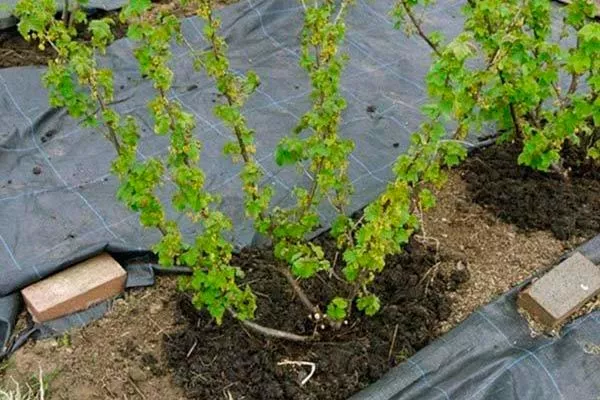
The Selechenskaya blackcurrant tolerates frosts down to -32°C, provided there is sufficient snowfall and the tree's trunk area is properly cared for. In regions with harsh winters and little snow, protect the bushes by covering them with burlap or special agrofibre.
Harvesting and storage
The berries ripen by July 10th. They don't fall off and retain their flavor, allowing for gradual picking. Harvest in dry weather, preferably picking whole bunches to avoid damaging the fruit.
Cool, humid rooms with temperatures no higher than 30°C are ideal for storing the harvest. These rooms will keep the berries fresh for up to two weeks. Freezing or drying will extend the shelf life without losing their nutritional value.
Many housewives prefer to rub fresh currants with sugar, allowing them to be enjoyed until spring. Selechenskaya currants are used to make jams, preserves, compotes, and jellies, and to make tea from the leaves and berries—it's a wonderful tonic during the cold season.
Reproduction
You can increase the number of currant seedlings at home. Gardeners use two main propagation methods:
- By layering. In the spring, dig small holes near a bush with long shoots. Bend large one-year-old shoots into the holes and cover them with soil. To prevent the shoots from straightening, secure them with spacers or other available materials.
Keep the cuttings moist and the rooted shoots covered with soil. Transplant the seedlings in the fall or next spring. - Cuttings. Make cuttings in the fall or late winter from lignified one-year-old shoots 0.5-1 cm in diameter. Rooting takes up to 1.5 months. Each cutting should contain three buds. Treat the cuttings with growth stimulants according to the instructions.
Plant the cuttings in individual containers filled with loose, fertile soil, with the bottom bud buried deep. To create a mini-greenhouse, cover the containers with plastic or a transparent box, ventilating them daily.
Plant blackcurrants from mid-September to early October, 15-20 days before the onset of frost. Spring planting may be unsuccessful, as buds begin to develop too early.
Positive and negative qualities
Selechenskaya is a table grape variety with a number of undeniable qualities that make it popular among gardeners. Its key advantages include:
This variety has no disadvantages, and it contains a large amount of vitamin C, which makes it especially beneficial.
Reviews
The Selechenskaya currant is a variety that combines excellent flavor and resistance to external factors. Its ease of cultivation and high yield potential make it a true gem in any garden. Timely watering, fertilizing, and careful plant care will ensure a bountiful harvest of sweet and healthy berries.