
Sanyuta is the name of a mid-season blackcurrant variety for industrial use, characterized by high yields, frost resistance, strong immunity, and excellent berry flavor. It is grown for fresh consumption and home canning, as well as for commercial canning.
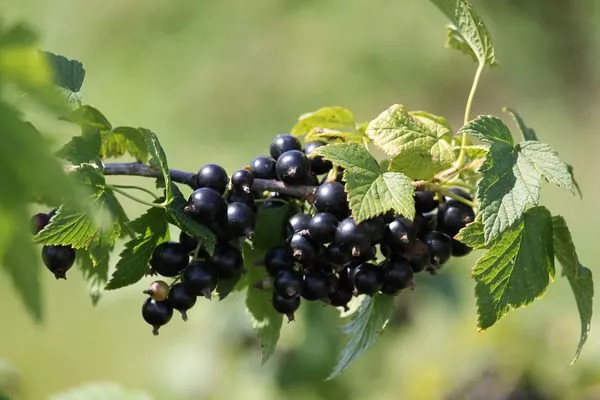
Currant Sanyuta: description of the variety
The fruit trees are medium-sized. They grow as compact, gently spreading bushes, neat and attractive, with the following appearance:
- "height" - 1.1-1.5 m;
- crown: spherical, requiring shaping and pruning, responding well to these procedures;
- medium degree of branching;
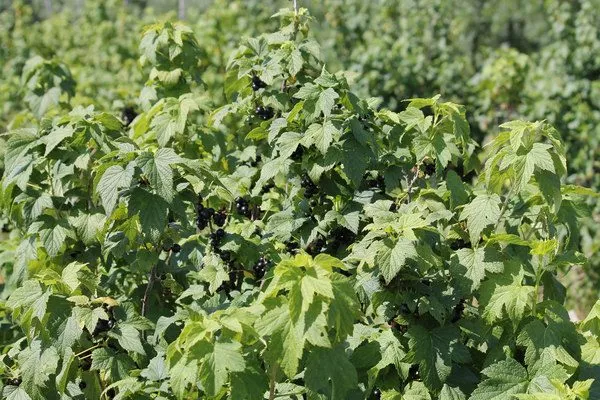
- dense structure;
- roots: well-developed, allowing the crop to receive moisture and minerals in full volume even when it is cultivated on poor soil;
- stems: strong, smooth, thick, not bending under the weight of numerous berries;
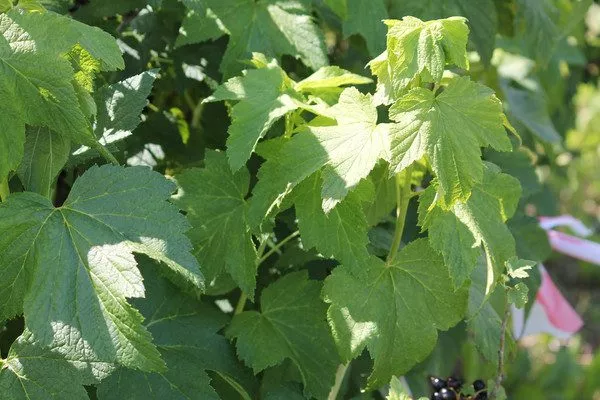
- foliage: standard for currants, shape and size, green with a bluish tint, covered with thick fluff (in autumn it turns yellow);
- flowers: greenish-white, collected in a dense brush (they appear in large numbers on the bush in May-June).
The variety's yield is not uniform. The berries are mostly large, but vary in size. Their description includes:
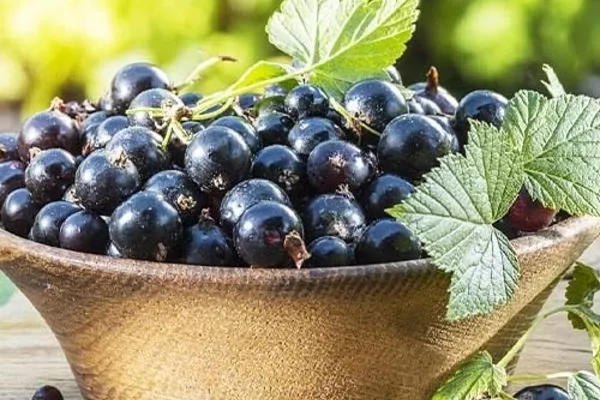
- average weight - 5.5 g;
- rounded shape;
- black color;
- skin: dense, with a slight glossy sheen;
- pulp: greenish-brown, juicy, medium-dense, very aromatic.
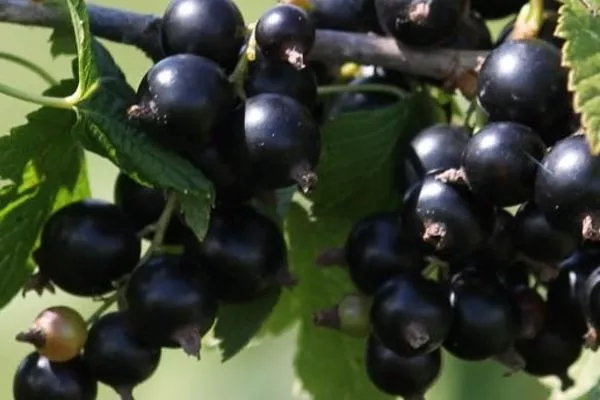
Sanyuta's fruits have a good tasting quality, with a rating of 4-4.5 out of 5. Their flavor is bright, rich, not watery, and sweet and sour. This is due to the high dry matter content of the pulp (up to 15.06%) and a balanced ratio of sugars and acids.
Currants are characterized by dry picking. They rarely fall from the branches. They are suitable for mechanical harvesting, making them ideal for commercial cultivation. They can be stored for up to two weeks in the refrigerator. However, the skins can crack with excessive watering, and they can become baked in hot weather (over 30°C), which is why this variety is rarely grown commercially.
Characteristics
Sanyuta is an achievement of Soviet breeding, born in 1961 thanks to the efforts of scientist S. N. Sukhorukov. To create the new variety, he crossed Santaria with Ulyanovskaya Zimnyaya. His creation was registered in 1980.
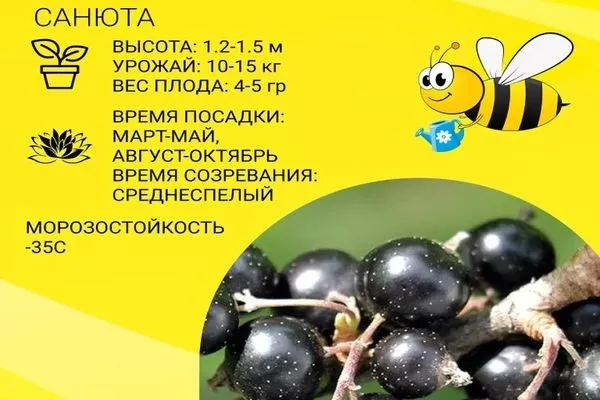
This variety belongs to the category of self-fertile blackcurrant varieties, characterized by high yields and medium ripening times. Its key technical characteristics are as follows:
- beginning of fruiting - mid-July;
- harvest - second half of July, beginning of August;
- bush productivity - up to 15 kg;
- the amount of berries that 1 branch produces is up to 1 kg.
This garden variety delights gardeners with its hardiness. It tolerates adverse weather conditions well:
- short periods of drought;
- frosts -25-35°C.
Thanks to its good winter hardiness, it is grown in many regions of the Russian Federation. Sanyuta currant is suitable for cultivation in the central part of the country, especially in the Moscow region. Read on to learn how to protect currants from frost and how to properly prepare them for the cold season. Here.
This species delights gardeners with its strong immunity. With proper care and growing in a favorable environment, the bushes are disease-free and unaffected by harmful insects. The variety is highly resistant to fungal infections. However, preventative treatments should not be neglected.
Using currant berries Sanyuta
Sanyuta is considered a commercial grape variety. The main purpose of the harvest is to make jam, preserves, and jellies (both homemade and commercially canned). The fruits are also suitable for freezing, drying, pie filling, and desserts. They make an excellent fruit drink.
It's best to eat the fruits that a gardener manages to harvest without damaging them. They are rich in many nutrients, the lion's share of which would be lost during cooking. Blackcurrants contain:
- natural sugars - 8.92-9.48%;
- organic acids - 2.73-2.98%;
- pectins - 1.75-1.89%;
- vitamins, in particular ascorbic acid (177.02-188.64 mg/100 g), A, E, group B, H;
- minerals (potassium, silicon, cobalt, calcium, magnesium, iron, manganese, molybdenum, copper and others).
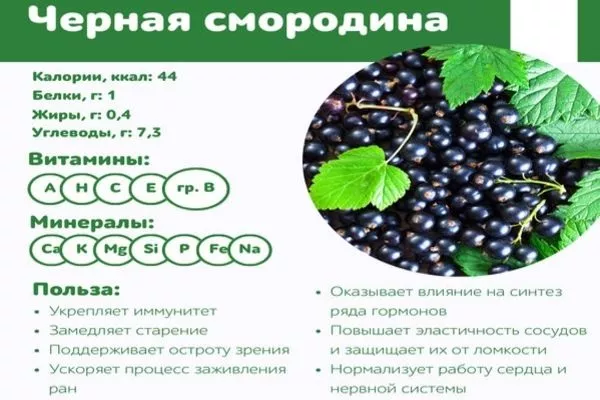
Eating this summer delicacy will strengthen your immune system, lift your mood, improve the condition of your skin and hair, and help cleanse your body of waste and toxins. It has tonic, antipyretic, and anti-inflammatory properties.
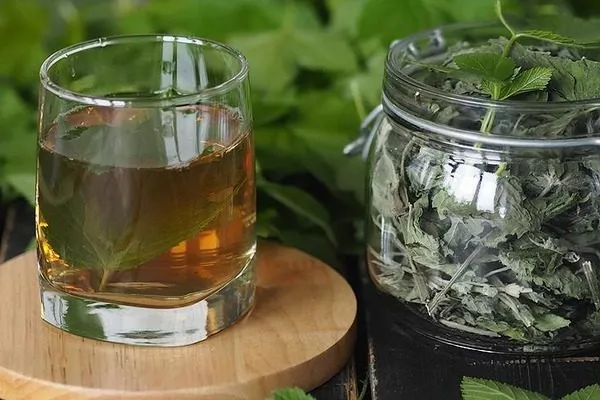
Not only the berries but also the currant leaves are beneficial. Dry them and brew them as a tea in winter. The drink will boost the body's immune system, lower cholesterol, stimulate digestion, and help relieve colds and flu.
Growing and caring for currants Sanyuta
Plant the bushes of the cultivar in a sunny or slightly shaded area that is level, protected from wind and drafts, and not prone to flooding. This garden crop grows and bears fruit well in soils that meet the following requirements:
- loose;
- drained;
- fertile;
- slightly acidic or neutral (with an acidity index of 6-6.5).
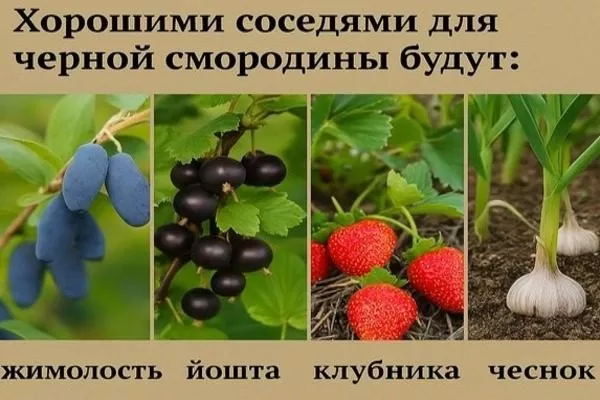
Honeysuckle is considered a good neighbor for currant bushes, yoshta, strawberries, garlic. Avoid growing them near raspberries, gooseberries, sea buckthorn, and grain crops.
When purchasing planting material from a nursery, give preference to specimens with the following characteristics:
- one- or two-year-old;
- with well-developed roots and healthy shoots;
- without damage, signs of disease or pests.
The best time to plant is early fall. 14 days before planting, prepare the area you've chosen for fruit trees. Follow these steps:
- digging the soil;
- clearing it of weeds and their roots (pay special attention to removing couch grass, a harmful plant that suppresses the growth of young seedlings, takes away moisture and nutrition from the crop, causing the berries to become smaller and the yield to decline);
- Treat the soil with herbicide.
Dig planting holes. Measure them 45 cm deep and 45-50 cm in diameter. Fertilize them with humus (10 l), superphosphate (140 g), and potassium sulfate (50 g). If the soil is acidic, add dolomite flour or lime. Add a 7-9 cm layer of soil on top of the fertilizer. This will prevent root burn.
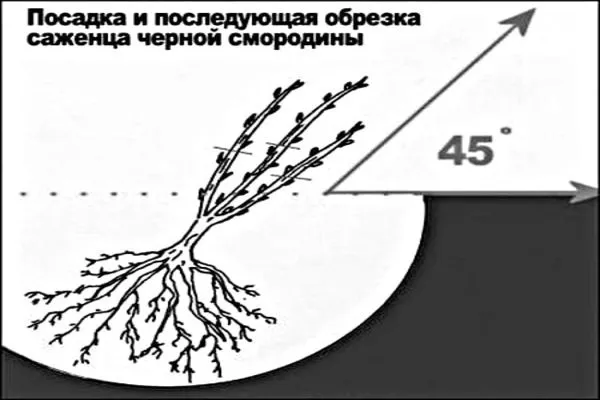
Plant the Sanyuta blackcurrant variety in your garden, strictly following the step-by-step instructions:
- Place the seedling in the hole at a 45 degree angle.
- Carefully straighten the roots.
- Cover them with soil. Deepen the root collar into the soil by 5 cm.
- Tamp the soil under the plants.
- Water the currants. Use at least 5 liters of water per seedling.
- Mulch the tree trunk circle with organic matter.
- Trim the branches to 10–15 cm, leaving at least 5 buds on each.
Agricultural technology
To ensure your fruit trees grow and thrive, delighting you with robust health and abundant fruit, care for them properly. Follow standard agricultural practices:
- WateringSanyuta plantings require regular watering during flowering, fruit set, and harvest ripening. They require moist, but not waterlogged, soil.
Perform water procedures with a frequency of 1 to 3 times every 7 days, depending on weather conditions.

Use 3-5 liters per plant at moderate temperatures. Use settled, sun-warmed water. Water the plantings in the evening. - Weeding and looseningCultivate the soil under the currant bushes to a depth of 7 cm. Repeat this procedure several times a week, and always after rain or watering.
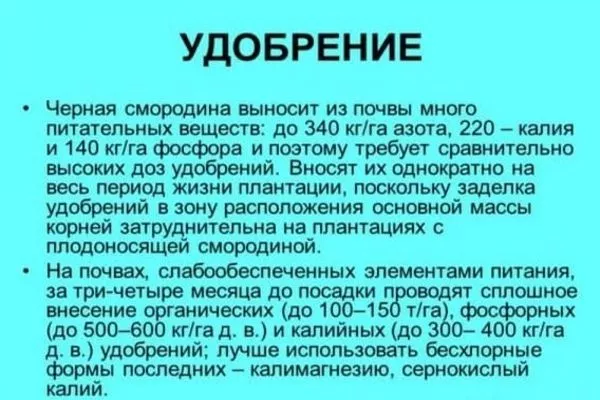
At the same time, remove weeds. Mulch the soil around the tree trunk with organic matter to help retain moisture. - Fertilizing cropsIn spring, fertilize berry plants with urea, using 20 g per plant. In summer, apply superphosphate (35 g per plant) and potassium sulfate (15 g per plant), as well as manure (3-5 kg per plant). In autumn, repeat the application of superphosphate (45-60 g per plant).

- Preventive treatmentsCarrying out these procedures in a timely manner will help protect black currants from parasites and infections.
In spring, before the buds open, give the shrub a hot shower (water temperature 80°C). Apply Bordeaux mixture (1% concentration) or copper oxychloride solution (4 g per 1 liter of water) to protect against fungi. During the "green cone" period, spray the plant with copper-containing preparations.
If you detect diseases or insects, use the appropriate treatment: fungicide or insecticide. Read on to find out what to do if your currant planting is attacked by aphids. Here.
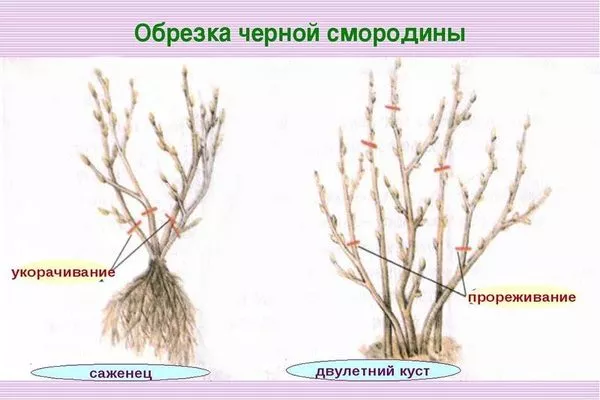
Stop using chemicals three weeks before harvest. If necessary, replace them with folk remedies (garlic infusion, wormwood decoction, etc.) or biological products. - TrimmingThis procedure, performed regularly, will help the shrub maintain a neat and compact shape and ensure better access to sunlight and air. Perform this procedure in spring and fall. Remove dry, broken, weak, and damaged branches, as well as old ones (over 6 years old). Most of the fruit buds are found on last year's growth of four- and five-year-old summer shoots.
In the autumn, after the leaves have fallen, carry out the main pruning (you can find out more about the intricacies of autumn care for berry crops Here). In the spring, before the buds open, trim back any winter-damaged stems to healthy tissue. In the summer, pinch back the tips of young shoots.
Pros and cons
Sanyuta currant is a favorite among Russian gardeners for its many advantages. These include:
Before purchasing seedlings from a nursery, research the shortcomings of the Soviet variety. Experienced gardeners note the following:
Reviews
Sanyuta is an old Soviet blackcurrant variety that remains popular today. It is beloved by gardeners for its winter hardiness, high yield, large fruits, excellent flavor, and rich vitamin content. It is considered a technical variety, suitable for making sweet preserves and for commercial canning.