
The Rusalka variety is popular among gardening enthusiasts due to its early ripening and excellent flavor. The harvest can be harvested as early as midsummer, but understanding the growing and care requirements is crucial. Currants are self-fertile, meaning they typically don't require strict temperature conditions.
Features of the plant and its fruits
The bush has a wide-spreading form. Its height and crown density are medium. The branches are strong, medium-thick, and have good frost and drought resistance. Key characteristics include:
- The height of the bush is up to 150-170 cm.
- This currant's leaves are large, composed of five pointed lobes separated by deep spaces. They have a rich greenish hue. The leaf surface is wrinkled, with a metallic sheen and contrasting veins, while the reverse side is lighter and dull.
- The leaves are attached to the branches by petioles of considerable length.
- The buds are oval, small, covered in soft pubescence, and light brown in color. They are located singly along the shoot.
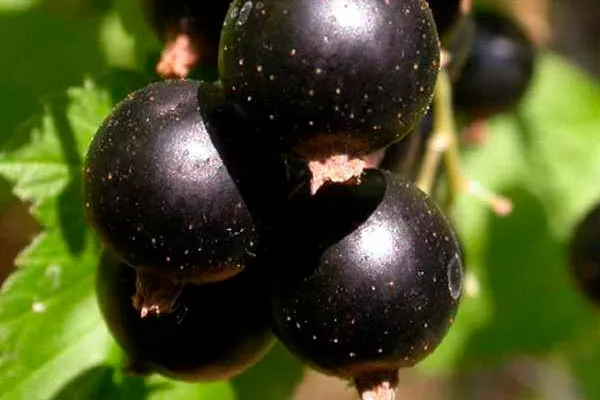
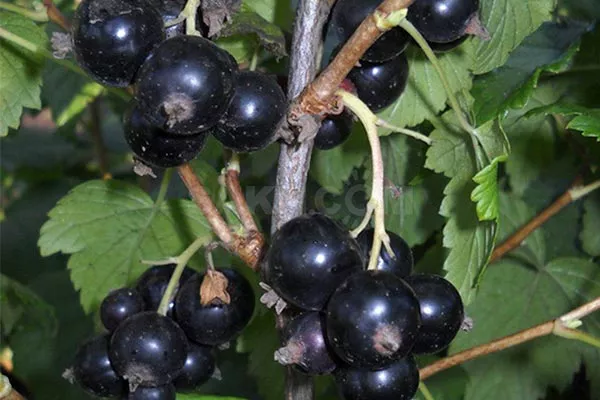
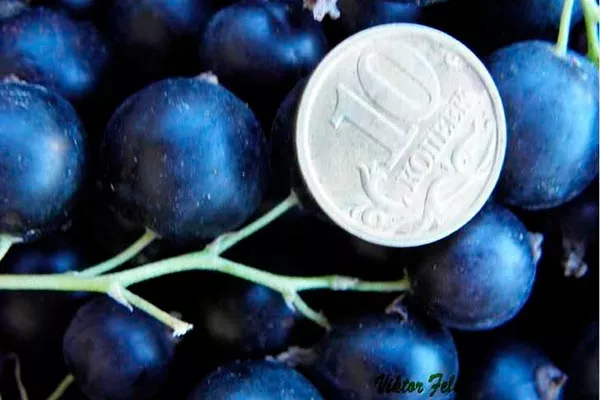
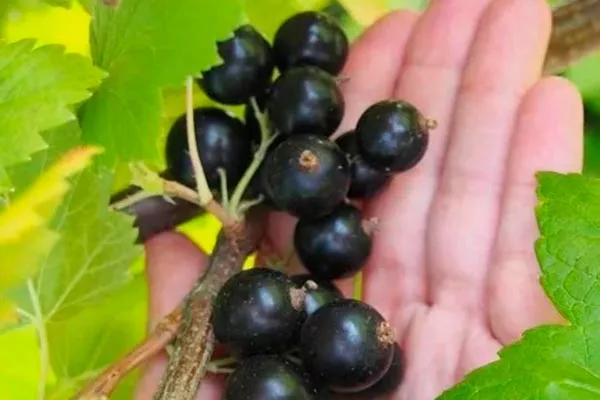
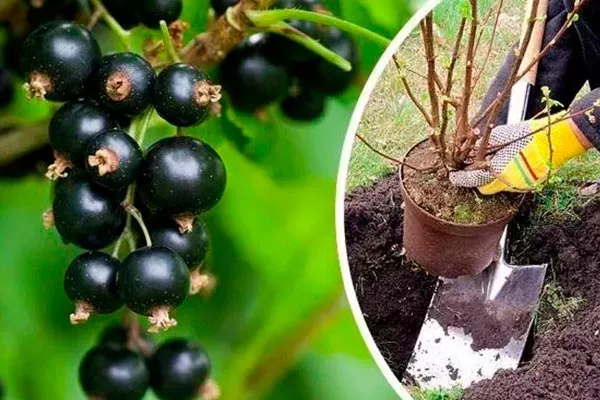
- Currants are large, covered in a thin black skin with a purple sheen, and are a variety intended for fresh consumption. Berries weigh between 3 and 7 grams. The flesh is dark blue, round and smooth. The flesh is juicy.
- The flowers of this variety resemble miniature goblets. The flower buds are pink with a slight lavender tint.
Main characteristics
By crossing two currant varieties—one popular in Russia (Golubka) and one of Scandinavian origin (Bredtorp)—a new variety, Rusalka, was developed. Its creation was the work of the distinguished breeder and scientist V. Ilyin.
Taste and purpose
A berry with unique flavor characteristics, making it a market leader. The fruits have a sweet flavor with a refreshing tartness, making them ideal for direct consumption or for use in creating a variety of sweets and drinks.
Other features:
- Mermaid can complement other fruits and berries in both salads and drinks.
- The taste characteristics are especially pronounced when making jam, compotes, juices and fruit drinks.
- The berries are ideal for making various drinks, sweets, and even canning.
- This variety is renowned for its rich content of beneficial elements, including vitamin C, anthocyanins, and flavonoids. These substances not only help strengthen the immune system and support overall health, but also give blackcurrants their unique flavor and aroma.
- Tasting experts rate the taste of Rusalka currants at the highest possible score of 5 out of 5.
Soil and climate requirements
To successfully cultivate this variety, it's essential to use soil with high fertility, adequate moisture, and good drainage. The ideal pH range is between 5 and 6.5.
The plant is sensitive to soil quality, preferring medium and light soil types enriched with organic matter and minerals.
Climate preferences:
- Rusalka has increased frost resistance and can withstand harsh winters. However, to achieve maximum yields and high-quality berries, the variety requires a moderate climate with plenty of sunshine and moisture.
- This variety is distinguished by its adaptability to a wide range of conditions and can be grown in various regions. However, it is important to consider the local climate and soil characteristics to create the most favorable conditions for the plant's healthy growth and development.
Resistance to drought and frost
This variety is resilient to temperature fluctuations, surviving both hot, dry days and freezing temperatures without much care or frost protection. Despite its many advantages, proper care is essential.
It is used across vast swaths of Russia, from the Leningrad Region to the vast expanses of Siberia. It has good tolerance to low temperatures, but achieves its best development and fertility in the temperate continental climate of the central part of Russia.
Productivity, ripening time, pollination
This variety is considered a bush with an intermediate ripening period. It begins bearing fruit between July 12th and 15th and continues until the end of August. The berries are highly resistant to transportation and retain their flavor for a long time.
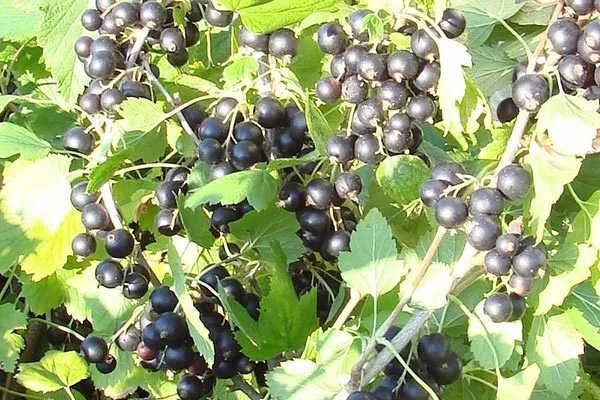
If all agricultural practices are followed, one bush can yield 2 to 4 kg of berries, and in favorable years, according to gardeners, this figure can increase to 6 kg.
Planting Features of the Rusalka Blackcurrant
To harvest a bountiful berry crop, it's essential to follow strict agronomic recommendations. Most of these are universal for all blackcurrant varieties, but there are some specific features specific to the Rusalka variety.
The optimal time for planting currant bushes
Experts typically recommend planting berry bushes in the fall, in October. However, given the unpredictability of weather conditions in the country, the exact dates may vary depending on the specific climate zone. Specific considerations:
- To minimize risks, experienced gardeners recommend keeping weather diaries to record all changes in the weather. The criterion for starting planting is at least three weeks from planting to the first frost, allowing the root system and upper part of the plant to adapt to the new conditions and be ready for winter.
- In regions with particularly harsh winters and prolonged springs, planting can be postponed until spring, when the soil is sufficiently warm and suitable for planting seedlings.
Seedlings – how to choose the right ones?
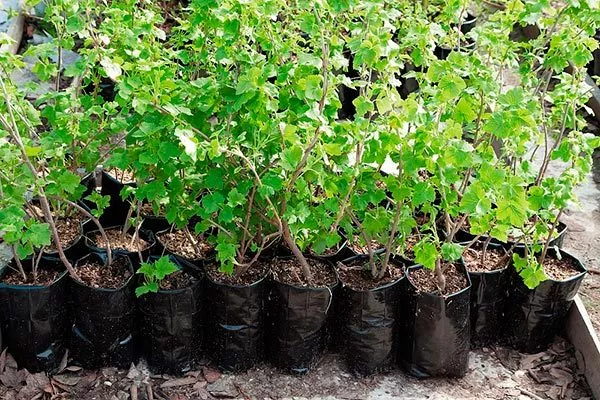
Select plants that are already in their second year of growth. They typically have at least three main branches reaching 40 cm in length. Pay particular attention to the quality of the planting material, which must meet the standards for the given species.
Please note the following:
- It is preferable to purchase seedlings from specialized nurseries, where counterfeit varieties, diseases, and damage to the root system are less common.
- Bare-root seedlings should be planted immediately after purchase. Containerized plants, however, can be transplanted to their permanent location at a later date.
- Before purchasing, carefully inspect the seedling: the leaves, stems and roots should be free of signs of disease and damage from pests, rot, or dryness.
Choosing a location
The Rusalka currant produces higher yields when grown in areas with adequate light. Ideally, these bushes should be planted in the south or southwest of the plot.
Key aspects:
- When planting shrubs along the edges of a plot, you should leave a distance of 150 cm from the fence.
- The optimal spacing between seedlings is 125 to 150 cm, which promotes optimal bush development—light and air freely penetrate its crown, guaranteeing a bountiful harvest and protection from fungal infections.
- Excessively dense plantings make bush care difficult, while bushes that are too sparse or isolated are susceptible to strong winter winds and dry winds during periods of drought.
- ✓ Soil pH levels should be strictly in the range of 5-6.5 for optimal nutrient absorption.
- ✓ The distance between bushes should be at least 125 cm to ensure sufficient lighting and ventilation.
Planting black currant Rusalka
Before planting, prepare the holes 10-15 days in advance. To do this, use a compost mixture, superphosphate, and potassium sulfate, which should be evenly mixed and sprinkled into the soil from the hole.
Preparing plants:
- Shoots on seedlings are pruned back to a length of 15-20 cm. This promotes crown formation and reduces the surface area for evaporation. Pruning also stimulates rapid rooting.
- Bare-root seedlings require special preparation: the roots are placed in a mixture of soil and clay, which prevents them from drying out during planting.
The depth and size of the planting hole are determined by the size of the roots: they must be able to fit comfortably within the hole. To speed up the rooting process, it is recommended to leave a small space around the perimeter of the hole, which is filled with nutritious soil.
Other subtleties:
- When planting, it's important to monitor the position of the root shoots, avoiding them from twisting. They should be at an angle of approximately 45 degrees to the soil surface and pointing downward.
- The root collar of the seedling can be planted slightly deeper, approximately 2-3 cm below its original level in the container. This will stimulate the growth of new shoots, strengthening the plant.
- When planting, water the bush after each layer of soil. This prevents the formation of voids around the roots.
- At the final stage, the soil surface under the crown is secured with a layer of mulch made from peat and humus, which helps retain moisture and nutrients.
Caring for Rusalka currants
Caring for the bushes in the future is quite simple - follow the recommendations regarding the varietal requirements.
Trimming
Pruning and shaping shrub vegetation is a key element of cultivation for this variety, aimed at increasing yield. To achieve the desired effect from such work, it is necessary to deeply understand the biological processes occurring within the shrub.
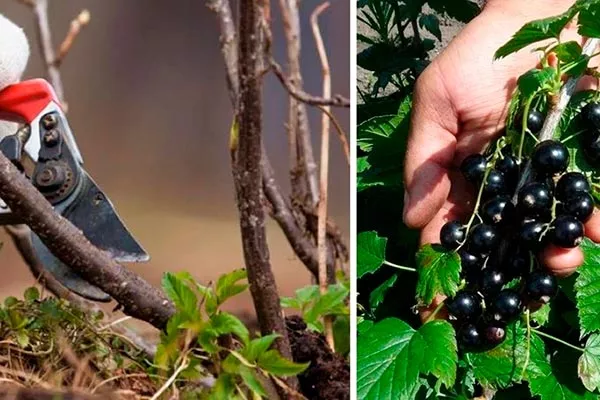
Currant buds have different characteristics depending on their location:
- The buds located at the bottom of the bush contribute to the formation of powerful shoots.
- The buds in the middle part most often give rise to fruit clusters and substitute shoots.
- Apical buds are usually growth buds and rarely lead to the formation of fruit clusters.
- If shoots grow from the buds of old wood, one should not expect significant fruiting, since the berries from such shoots often do not ripen and quickly fall off.
- The main currant harvest is formed on shoots that formed last year and consists of fruits that appeared in the first and second orders of growth, and rarely in the third.
The objectives of the bush formation process:
- formation of new vegetation and preparation for the appearance of fruits;
- guaranteeing continuous growth of the bush;
- removal of worn, diseased and damaged elements of the bush;
- creating optimal conditions for the ripening of fruits in the core of the bush.
Pruning currant bushes is recommended annually. The optimal time for this is early spring, when the buds are still dormant. Pruning can also be done in the fall.
The pruning scheme by year looks like this:
- One year after planting, leave three shoots, pruning them to a level where two or three developed buds remain.
- Second year. In addition to the three first-year shoots, four more strong ones are added, starting from the base of the bush, and the rest are removed, cutting them out along with the roots.
- Third and fourth years. Damaged and three-year-old branches are removed.
The architecture of the bush that is being formed includes the following number of shoots:
- newly formed shoots - from three to six;
- second year shoots – from three to four;
- branches of the third and fourth years of life - three to four.
As a result, by the fifth anniversary the bush will have approximately 12-20 shoots.
Subsequent pruning focuses on removing old, non-fruiting branches. To stimulate fruiting on second- and third-year shoots, they are pruned back to five buds at the top. For stems four years and older, only the dried tips are removed.
Watering
During periods of prolonged drought, water the Rusalka currant once every two weeks. When rain arrives, watering is no longer recommended. In spring, water when the soil begins to dry out.
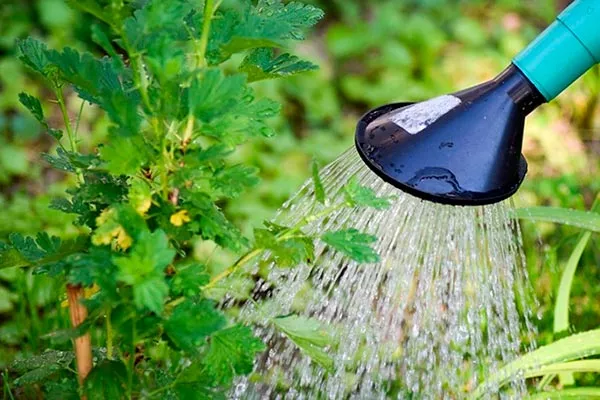
Recommendations for organizing irrigation:
- To increase irrigation efficiency, prepare the soil around the tree trunk. First, remove the old mulch and any fallen leaves. Then, loosen the soil.
- When loosening the soil, do not dig deeper than 5-8 cm, and keep a distance of 20 cm from the plant trunk. This will provide the root system with sufficient oxygen and protect it from insect infestation.
- It is advisable to make a small trench around the crown of the bush through which watering will be carried out.
- One bush requires 35-40 liters of water to soak the soil to a depth of 25 cm.
Fertilization
To ensure abundant fruit production, provide the soil with the necessary nutrients. Organic matter is a primary requirement. Compost or a mixture of peat and humus is ideal. Fertilizer dosages vary depending on the soil fertility and the age of the plant.
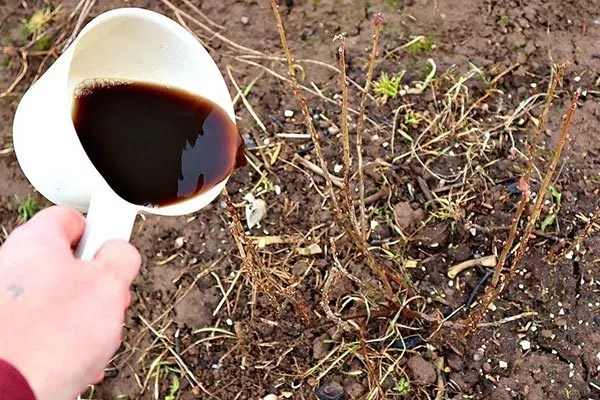
There is a certain feeding scheme:
- Phosphorus-potassium fertilizers, including organic ones, should be scattered along the roots.
- Nitrogen fertilizers are intended for early spring. They are distributed at intervals of 70 to 90 cm from the roots.
- Bird droppings and compost should be diluted. Compost is mixed with water in a 1:2 ratio, while bird droppings are mixed in a 1:10 ratio. To cover one mature bush, 8-12 kg is required.
- Of the mineral fertilizers, ammonium nitrate, superphosphate and potassium sulfate are used.
It is best to apply fertilizer during the fruit setting period, which corresponds to the second ten days of June in the Central Belt and the first ten days of July in the northern regions.
Liming
For the bush to bear fruit, it requires neutral or slightly acidic soil. Soil that is too acidic adversely affects the taste of the fruit, reduces yield, and makes the plants vulnerable to fungal and bacterial diseases. When the acidity is too low, the currant bushes' leaves turn yellow and the berries fall off.
To determine the soil acidity in your area, you can use quick tests or send a soil sample to a specialized laboratory. If this isn't possible, consider the plants already growing in your area—buttercup, sorrel, and horsetail prefer acidic soils, while clover thrives in neutral or slightly alkaline soils.
To improve the acid-base balance, various means are used to reduce acidity:
- Slaked lime has proven particularly effective. It also promotes the growth of beneficial microorganisms. Liming is recommended once every 6-7 years.
- Wood ash not only reduces soil acidity but also enriches it with microelements, which positively affects the taste of fruits and increases their resistance to disease.
Formation of ovaries
Currants bloom in late May. During this period, which is typical for various regions of Russia, short-term frosts can occur, most often at night. These temperature fluctuations negatively impact the buds.
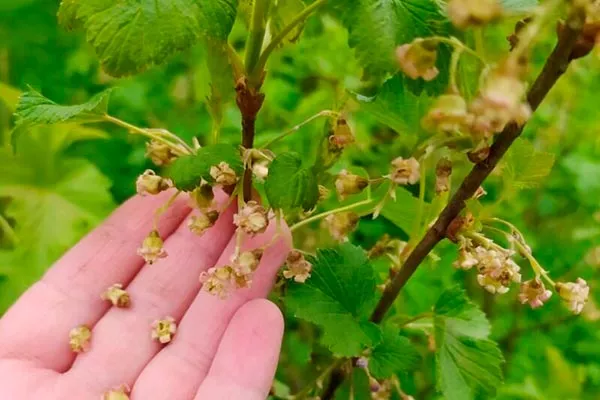
In response to such phenomena, gardeners take steps to stimulate pollination of newly formed fruit. One effective method is attracting pollinating insects with special mixtures:
- The key ingredient in such mixtures is bee honey. To obtain a solution, add 80-100 g of honey to 10 liters of water and spray the currant bushes.
- Planting honey plants. One option is to sow green manure, such as phacelia. This plant not only attracts beneficial insects for pollination, but also improves soil composition, controls weeds, and serves as a decorative element.
Shelter for the winter
The Rusalka blackcurrant variety is renowned for its resistance to low temperatures. In temperate climates, winter protection is not required, as the plant can survive temperatures down to -28-30°C (-28--30°F) without damage.
Taking some precautions before the cold weather sets in will make wintering easier:
- Apply a layer of mulch around the bush. Small wood chips or a mixture of peat and compost are ideal, spreading it 10 cm from the root collar.
- In areas with windy winters, bushes are secured by twisting rope into a spiral. As snow accumulates, it is carefully pushed down under the bush. If the snow depth allows, the bushes can be protected by completely covering them with snow.
Diseases and pests
The Russalka is resistant to powdery mildew, but it is not immune to other diseases. Ways to protect the plant from diseases:
- Regularly assess the bush's condition, and if signs of irreversible changes in the structure or appearance of affected parts are detected, they should be removed. Affected parts of the bush should be destroyed by burning.
- Bordeaux mixture, which is also used to treat infections, can be used for prophylactic purposes. A 3% solution is needed for this, and a 1% solution is used for prophylaxis.
Harvesting and storage
The Rusalka variety is unique in that all the berries ripen at the same time, allowing for a single harvest. It's best to remove the fruits whole from the bushes, which helps preserve them for a long time and simplifies transportation.
Rules:
- When blackcurrants are transported long distances, they are picked before all the berries in the bunch are fully ripe – the fruits continue to ripen during transport, but their flavor will not be as rich as that of berries picked from the bushes.
- If the currants are to be consumed immediately, you should wait until the berries reach technical ripeness.
- Storing currants in the refrigerator will keep them fresh for 6-8 days, while at room temperature signs of spoilage appear after just 3 days.
- It's preferable to use baskets for harvesting to ensure good ventilation. If you collect the berries in glass or metal containers, they will quickly lose their shape.
Pros and cons
Among the advantages of the variety, the following stand out:
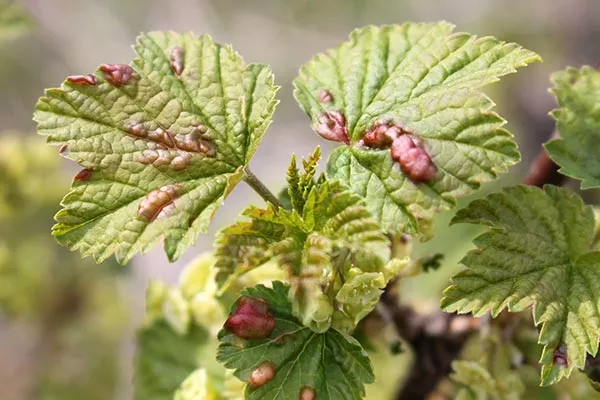
The variety's drawbacks include a tendency to be affected by septoria leaf spot, so it's important to take timely protective measures. It's also susceptible to bud mites, which increases the risk of plant death.
Reviews
The Rusalka variety is a true treasure for gardeners of all skill levels. It enjoys consistent demand across the country. To achieve the desired yield, follow basic gardening recommendations. Optimal timing and proper pruning will increase berry production, protect the bushes from disease, and extend the fruiting period.