
The Rudneus currant is a high-yielding variety that appeals to gardeners for its resistance to diseases and pests. The berries are large, juicy, and sweet with a slight tartness, making them ideal for culinary use. This variety is frost-hardy and easily adapts to a variety of climates, making it a versatile choice for most regions.
Characteristics of the variety
Currants are noted for their exceptional productivity, making them popular among gardeners and farmers. This frost-hardy variety can withstand severe frosts. It is also tolerant of short-term droughts.
The shrub has a good immune system, resisting diseases and pests. It's easy to care for and thrives even in challenging climates.
Description of appearance and taste qualities
The tall shrub reaches 150-220 cm in height and forms numerous strong, upright shoots, creating a dense crown. The shoots are densely covered with green foliage. The medium-sized leaves are a rich green hue.
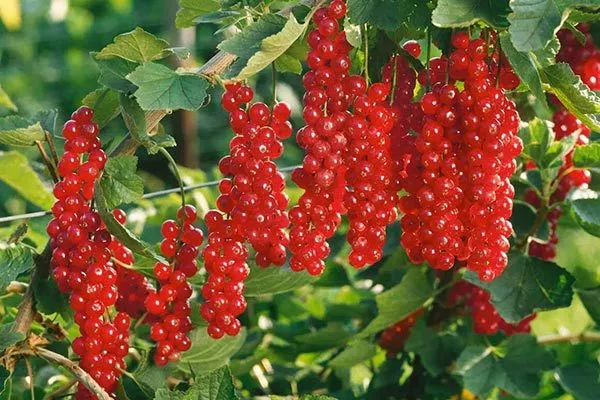
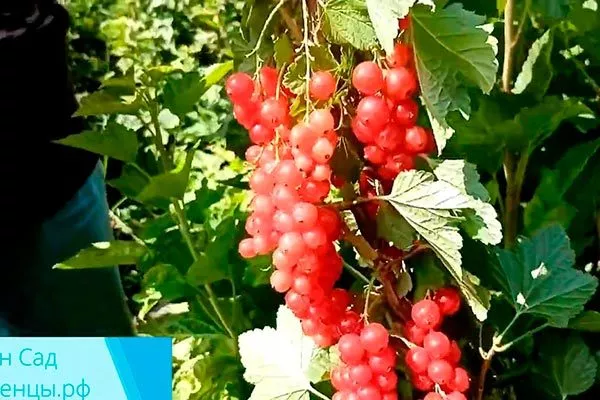
The fruits are large, weighing approximately 2 grams each. They have a pleasant sweet flavor with a slight tartness. The berries separate easily from the stem, making the harvesting process much easier.
Culinary uses of berries
Rudneus is widely used in cooking due to its rich flavor and pleasant aroma. Its berries are ideal for preparing the following dishes:
- Desserts. They pair beautifully with pies, cookies, jellies, and ice cream. They add freshness and a slight tartness to dishes. Meringue pie or fresh currant jelly are especially popular.
- Drinks. They are used to make fruit drinks, compotes, kissels, and smoothies. They pair beautifully with strawberries, raspberries, and other fruits. They can also be used to make a fragrant tea or infusion, which can be served hot or chilled.
- Sauces. Ideal for making a versatile sauce, it can be used as a complement to desserts, salads, or meat dishes.
Medicinal properties and use in medicine
Rudneus has pronounced healing properties, particularly its anti-inflammatory effect. The plant has a beneficial effect on the body:
- Currants are rich in vitamin C, a powerful antioxidant that strengthens blood vessels, improves skin condition, supports metabolism, and speeds recovery from colds.
- B vitamins have a beneficial effect on the nervous system, improve digestion, help normalize metabolism and reduce stress levels.
- The berries have a soothing effect, reducing pain associated with joint and bone conditions. They lower blood cholesterol levels, prevent gallstones, and improve overall health.
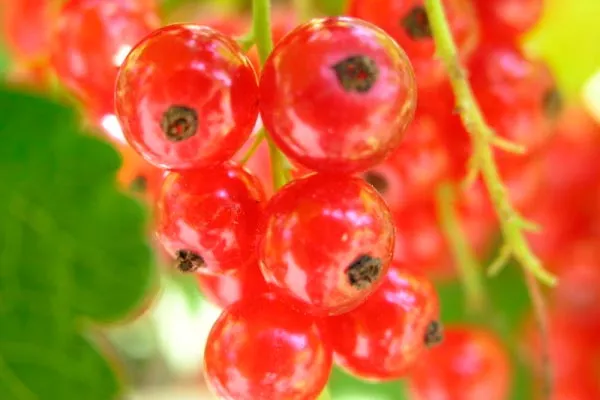
For maximum benefits, currants are recommended to be consumed fresh, or used in infusions and decoctions. They are ideal for jams, juices, compotes, salads, and desserts. They are not only a healthy product but also an effective natural remedy for maintaining health and immunity.
Planting Rudneus currants
For successful cultivation, it's important to choose the right location and prepare the soil. Follow these recommendations:
- The plant prefers sunny, well-ventilated areas protected from strong winds. Avoid planting seedlings in low-lying areas or areas with stagnant water to prevent root rot.
- Fertile, light soil with a neutral or slightly acidic pH (5.5-6.5) is ideal. Before planting, enrich the soil with organic fertilizers such as humus or compost, and add wood ash to improve the soil structure.
- The best time for planting is early spring or fall. Prepare the holes for the seedlings 2-3 weeks before planting; they should be about 40-50 cm deep and wide.
- Place the seedlings in the hole at an angle of 45°, deepening the root collar by 6-8 cm.
- ✓ Seedlings must have a healthy root system without signs of rot or damage.
- ✓ The optimal age of a seedling for planting is 1-2 years.
- ✓ The presence of 2-3 strong shoots indicates good growth potential.
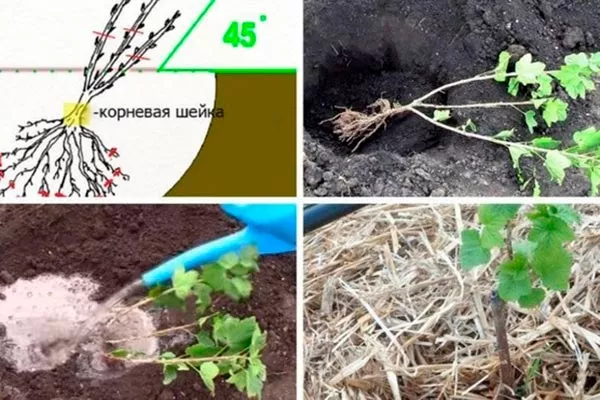
After planting, water the plant thoroughly and mulch the soil with peat or compost.
Caring for Rudneus currants
To achieve a high yield, it's essential to take care of the shrub. It's important to follow basic care guidelines, which include several standard agricultural practices:
- Watering. The plant requires regular watering, especially during flowering and berry formation. The optimal frequency is once a week. Apply 20-30 liters of water under each bush. Avoid overwatering to prevent root rot.
- Top dressing. In spring, before flowering, use nitrogen fertilizers to stimulate shoot growth. During fruit formation, bushes require phosphorus and potassium fertilizers, which improve the fruit's flavor and increase disease resistance.
- Trimming. Prune in the fall after harvest or in early spring before the sap begins to flow. Remove old, damaged, diseased, and crowded shoots. This procedure promotes rejuvenation of the bush, improves ventilation, and stimulates fruiting.

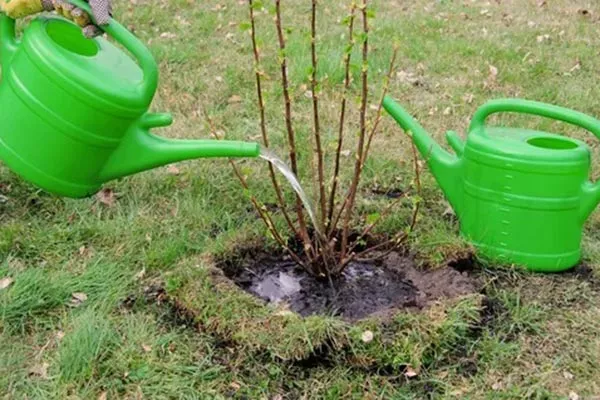
Mulching the soil helps retain moisture and suppress weed growth. Use peat moss, compost, or grass clippings.
Propagation of currant Rudneus
You can increase the number of seedlings in your garden without purchasing planting material. Simply use existing bushes. There are several propagation methods:
- Cuttings. The most common and popular method. Take cuttings in spring or fall from young shoots. To root, place them in greenhouses or hotbeds, providing regular watering and protection from direct sunlight.
- Layers. In the spring, bend the strong shoots to the ground, secure them with staples, and cover with soil. After a year, separate the rooted shoots from the mother plant and transplant them to their permanent location.
- Division of rhizome. This method is suitable for mature plants over 5 years old. Dig up the entire bush, then divide it into sections so that each section has well-developed roots and 2-3 strong shoots. Replant into prepared holes. Divide in early spring or fall.
Choose the most suitable method to propagate currants, thereby increasing productivity.
Resistance to diseases and pests
Rudneus is characterized by high resistance to pests and diseases. These qualities make it an excellent choice for gardeners seeking an environmentally friendly harvest without the need for chemical pesticides.
However, if not properly cared for, bushes can be susceptible to certain problems. To protect the plant from problems, it's important to take preventative measures and use effective treatments when they occur:
- Powdery mildew. To combat this disease, use fungicides such as Fundazol or Topaz. Bordeaux mixture is also effective for prevention in the spring.
- Fusarium and other fungal diseases. For symptoms of fungal diseases, use Ridomil Gold or Previkur.
- Aphid. If insects appear, treatment with Aktara or Confidor solutions is helpful. These products effectively kill pests without harming plants.
- Spider mite. The parasite responds well to spraying with preparations based on acaricides, for example, Kleschevit or Fitoverm.
- Caterpillars. To control them, use Bitoxybacillin or Decis. These substances are safe for crops and effectively control insects.
To effectively protect your shrubs, take a comprehensive approach that includes preventative measures and proper care. Here are some recommendations:
- Regularly remove old, damaged and diseased branches to improve plant ventilation and prevent the development of fungal infections.
- Remove weeds around bushes, as they can harbor pests. Mulching with peat, compost, or grass clippings helps retain moisture and suppress weed growth.
- After autumn harvest, burn leaves and pruned branches to prevent the spread of fungal spores and pest larvae.
Pros and cons
To prevent possible difficulties, it is important to carefully study the cultural characteristics and weigh the pros and cons.
The Rudneus variety has many advantages:
Among the variety's shortcomings, gardeners note potential susceptibility to fungal infections if cultivation practices are improper, the need for regular watering during dry periods, and limited yields if pruned improperly and fertilized insufficiently. Despite good frost resistance, young plants require reliable shelter.
Reviews
The Rudneus currant is an excellent choice for those looking for an easy-to-grow, high-yielding variety. It combines excellent flavor and resistance to environmental factors. Its easy care, high winter hardiness, and abundant harvest make it an ideal choice for gardeners and homesteaders who value high-quality, healthy fruits.