
The Roland red currant is a promising cultivar developed in Holland. It is one of the best varieties grown by our gardeners today; it is productive, tasty, frost-resistant, and virtually disease-free.
The history of the Roland currant
The Rolan red currant was developed by Dutch breeders by cross-pollinating two varieties: Rote Spätlese and Jonker van Tets. This currant is recommended for growing in temperate climates—in central and central Russia.
Description of the plant
Roland currant bushes are tall but compact. As the berries ripen, they become more spreading. Currant bushes grow up to 1.7 m in height. Their shoots are straight and thick. Mature shoot growth is small. At the end of the season, abundant root suckers emerge.
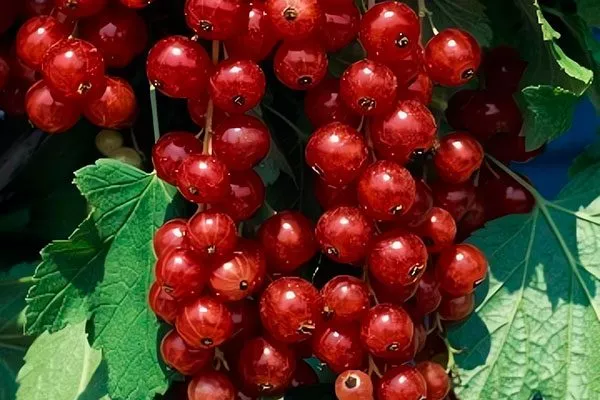
The Roland currant has medium-sized leaves with a yellowish-green hue. The leaf blades are almost smooth, dense, and slightly concave. The clusters are long, growing up to 12 cm in length. The flowers are small, reddish-yellow. The bush can bear fruit for a quarter of a century.
Description of fruits
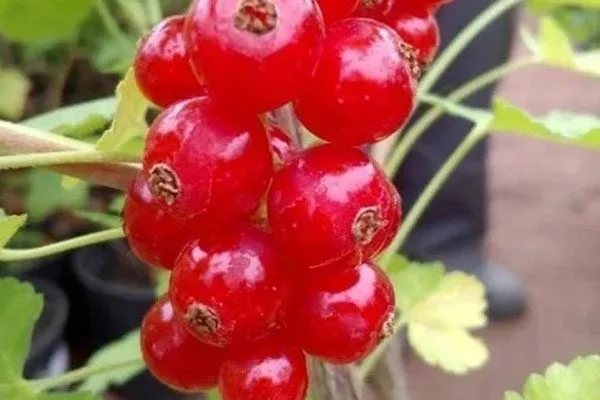
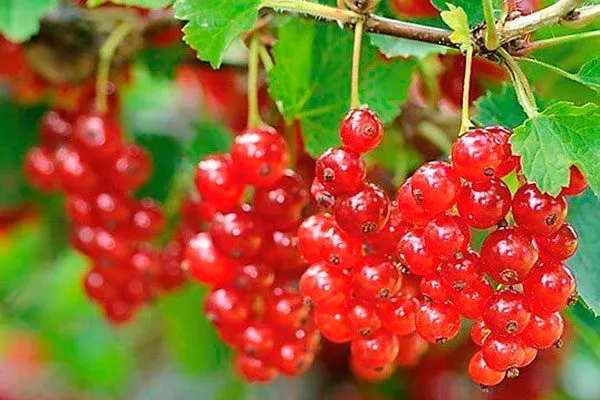
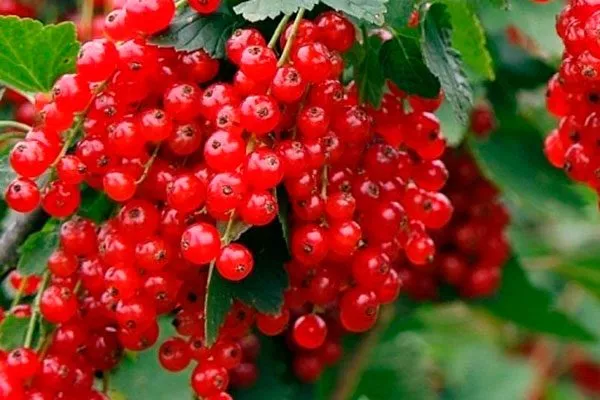
Roland currant berries are quite large and attractive, ripening on long clusters, each containing 20-30 berries. The fruit breaks off dryly, and the seeds are large.
Brief description of berries:
- Colour: bright red.
- Shape: round.
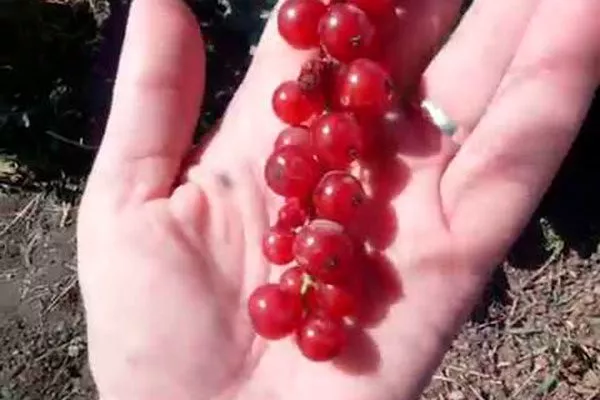
- Weight: 0.7-1.5 g.
The taste and purpose of berries
The berries have a sweet and sour taste, with the acidity predominating over the sweetness. The berries contain 8.9% sugar, 2.5% acid, and 23.7% vitamin C. Ripe berries are used to make jellies, fruit drinks, and compotes; they can also be made into jam or mashed with sugar. Fresh berries are best eaten when overripe.
Characteristics
Like most Dutch varieties, Roland currants have excellent agronomic characteristics, allowing them to be grown without problems in temperate climates.
Productivity
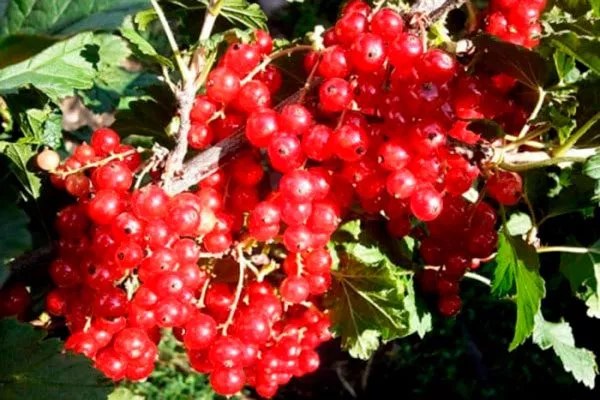
Roland currant is a high-yielding self-fertile variety. While red currants typically yield 2.5-4 kg of berries per bush, the Dutch Roland variety yields 6-7 kg.
Ripening time
The Roland red currant begins bearing fruit in the third year after planting. It blooms in late May or early June. This currant is a mid-late variety, with the berries ripening uniformly around the end of July.
Frost resistance and other characteristics
This variety is highly winter-hardy, able to withstand temperatures down to -35°C. It can even be grown in northern regions, provided winter protection is provided.
Pros and cons
The Dutch Roland variety is practically all about virtues. Its drawbacks are minor and even relative. This red currant is an excellent addition to any garden.
Landing
Proper planting is crucial for currant growth and development. Selecting a suitable location is crucial, as is properly preparing the site and planting the seedlings according to recommended agricultural practices.
Preparing seedlings
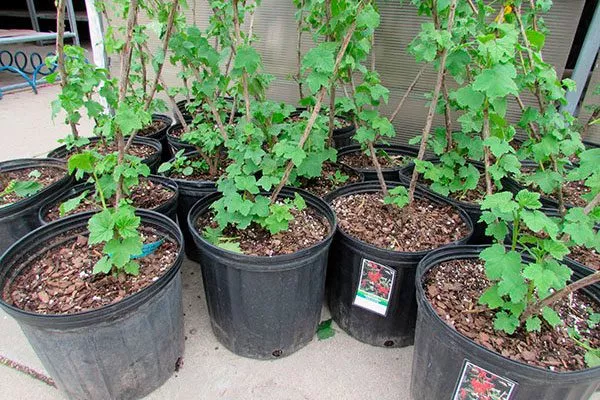
Seedlings should be purchased from nurseries or reputable suppliers; otherwise, you risk purchasing substandard or disease-infected plants. When purchasing, it's important to pay attention to the root system. The roots should be woody and at least 20 cm long.
- ✓ Check that the seller has a certificate of varietal affiliation.
- ✓ Pay attention to the absence of mechanical damage to the bark and roots.
Selecting a site
Roland red currant grows best in sunny locations. Partial shade is also suitable. The north-facing side should be protected from wind and drafts. The maximum groundwater level is 1.5 m.
Marshy areas are not suitable for planting currants. Roland currants produce best in humus-rich chernozem, loamy, and sandy loam soils. The optimal pH level is neutral or low.
How to prepare the soil
Prepare the planting area in the fall by digging the soil to the depth of a spade. Organic fertilizers, such as rotted manure or compost (3-4 kg per square meter), are added during the digging process. Superphosphate and potassium sulfide can also be added to the soil at 130 g and 25 g, respectively.
Acidic soils must be limed, adding 300-800 g of lime per square meter. Wood ash or dolomite flour can also help deacidify the soil.
Preparing the landing site:
- The optimal hole size is 50x50x50 cm. Place a drainage layer at the bottom. Gravel, broken brick, etc. can be used. Prepare the planting holes 2-3 weeks before planting.
- To fill the hole, prepare a soil mixture. Mix equal parts fertile soil and organic matter (humus or compost). Add 150-200 g of double superphosphate and 30-40 g of potassium sulfate. Another soil mixture option is to mix 20 liters of humus with 5 liters of vermicompost, add 250 ml of ash, and a little vermiculite to give the mixture a loose texture.
- The prepared soil mixture is poured into the hole in a mound. It should fill approximately 3/4 of the hole's volume.
The process of planting in the ground
Currants are planted early in the spring, before the buds open. Seedlings with closed root systems can be planted later, when leaves appear on the branches, in April or May (depending on the climate). In regions with harsh winters, planting can be done either in the spring or in the fall—in September.
Features of planting Roland currant:
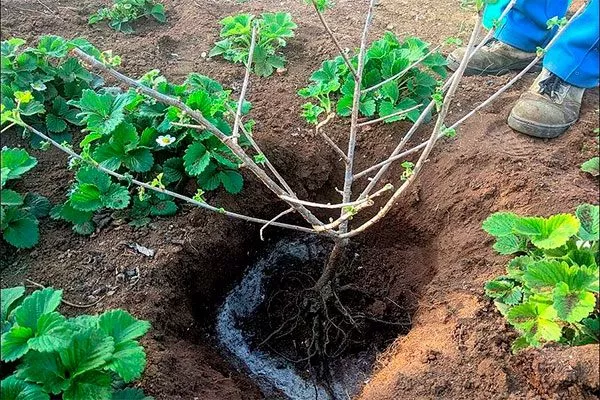
- Immediately before planting, add a 5-8 cm layer of fertile soil onto the mound of soil mixture.
- The seedling is placed in the hole so that its roots lie neatly on the mound and are not bent. They are covered with soil, compacted, and then watered with warm, settled water. 10 liters is sufficient. Once the moisture has been absorbed, the soil is mulched with humus or peat.
- After planting, the root collar of the seedling should be deepened into the ground by 6-7 cm.
Care
Roland red currants are easy to care for. They're hardy and disease-resistant. They require minimal care. The bushes only need occasional watering and fertilizing.
Watering
Roland currants prefer well-moistened soil. They especially need water during the active growth and fruiting stages. Young bushes are watered approximately once a week, while mature bushes are watered much less frequently—once or twice a month. Watering frequency also depends on rainfall. The recommended watering rate is 5-7 liters per bush.
Fertilizing
It is recommended to feed the Roland currant throughout the season. It is recommended to use both organic and mineral fertilizers, preferably alternating them.
Approximate feeding regime:
- In spring, nitrogen compounds are added, for example, urea (10 g diluted in 1 liter of water) - this amount is enough for 1 bush.
- In early summer, use organic fertilizers. The bushes can be watered with slurry (1 liter diluted in 10 liters of water) or chicken manure (500 ml per 10 liters of water). Instead of organic fertilizer, you can add 20 g of superphosphate and 15 g of urea under each bush.
- In midsummer, external fertilization is carried out by spraying the bushes with nutrient mixtures. This procedure is carried out in cloudy weather or in the evening. The mixture (based on 10 liters of water) includes: boric acid (10 g), manganese sulfate (7-10 g), copper sulfate (1 g), and ammonium molybdate (2 g).
- In October, apply organic matter—peat, humus, or manure—to the currant bushes at a rate of 10 kg per bush. Superphosphate and potassium chloride can also be added to the fertilizer at 100 g and 50 g, respectively.
Loosening and weeding
It is recommended to loosen the soil around the tree trunks after each watering to ensure aeration. Loosen the soil to a depth of 6-8 cm.
At the same time, weeding is carried out, since the presence of weeds poses a threat to cultivated plants; they can serve as carriers of infections, attract insect pests and absorb nutrients.
Mulching
To reduce the frequency of watering, fertilizing, and loosening, as well as to slow down the growth of weeds, it is recommended to mulch the tree trunks with organic matter, which not only makes caring for the bushes easier, but also serves as additional fertilizer.
Trimming
Pruning is performed twice a season—in spring and fall. Spring pruning involves removing dead, damaged, and broken branches. In fall, the main pruning is performed, cutting back lateral shoots by 50%, reaching the outer bud, to stimulate branching.
In summer, it's recommended to pinch out young shoots—this encourages bushiness and helps form a neat bush. It's also important to avoid overcrowding to ensure all branches receive even light.
Prevention of diseases and pests
The Roland variety is highly resistant to diseases and pests. It is virtually immune to powdery mildew, anthracnose, septoria, and other fungal diseases. However, if cultivation practices are improper or due to poor weather, the bushes may be affected by various diseases and insects.
Features of pest and disease control:
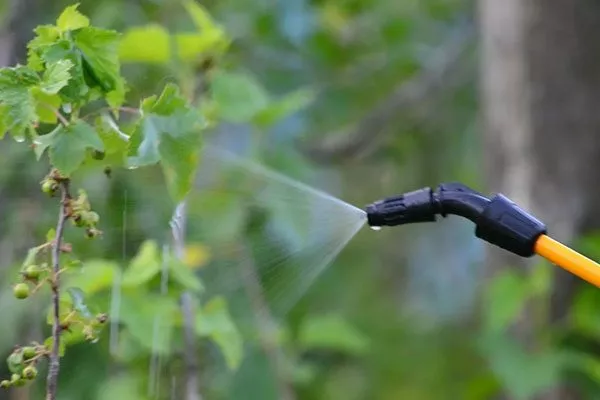
- It is recommended to spray the bushes with 3% nitrafen or 1% copper oxychloride to prevent the development of fungal infections.
- After the currant bushes have finished blooming, spray the bushes with broad-spectrum insecticides to control aphids, mites, sawflies, and other pests. Suitable products include Cypermethrin, Aversect, and others.
- When symptoms of fungal diseases appear, the bushes are sprayed 2-3 times with Topaz, Skor, Quadris or their analogues at intervals of 2 weeks.
- To prevent root rot, spray the plants in the fall with a 1% Bordeaux mixture. The use of biological preparations such as Trichodermin is also recommended.
Wintering
In the fall, remove leaves and plant debris from around the tree trunks, perform a final watering to recharge the soil, and apply a thick layer of organic mulch to protect the root system from frost. The recommended layer thickness is 5-10 cm.
In regions with harsh winters, where temperatures are critical for the Roland variety, more serious insulation is necessary—cover the bushes with spruce branches or other covering material. Each branch can be wrapped individually. Alternatively, you can drive a stick into the ground, tie the stems to it, and then wrap them with agrofibre.
How to harvest properly?
Roland currants are harvested as soon as the berries meet their varietal ripeness criteria—they should reach the color, size, and weight specified in the variety description. The berries can be picked by hand or by machine.
Berries are harvested in dry weather, after the dew has dried. Harvests harvested in hot or damp weather do not store well. If the berries are to be transported, they are picked when they are technically ripe. For harvesting, use containers designed to hold 6–8 kg of berries.
Berries intended for storage or transportation are immediately placed in the refrigerator, where they will safely last for about two weeks. At temperatures between 0 and +1°C, berries will keep for up to three months. Overripe berries are best eaten or processed immediately.
Reviews
Roland red currant is an excellent choice for gardeners of any level. This variety is sure to delight you with a consistent harvest of large berries, and if you plant several bushes, you can stock up for the entire year.