
Currants are a undemanding perennial plant that, with proper care, produces a steady harvest of aromatic and nutritious berries. For successful growth, currants require four rules: light, water, soil, and good fertilizing in the spring. It's important to understand how to properly fertilize the soil to help the plant recover from winter and prepare for the new season.
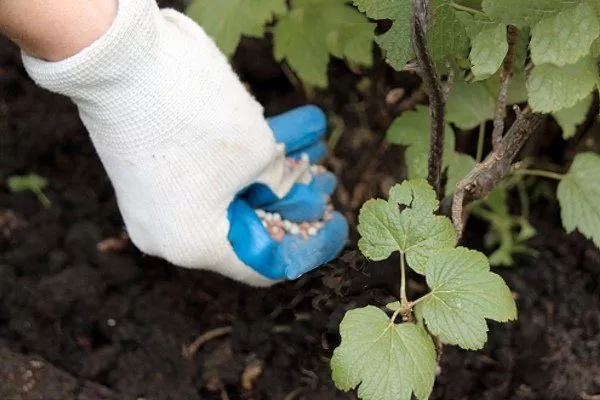
Why is spring fertilization of currants necessary?
Knowing when and how to feed your berry crop increases your chances of a good harvest. After winter, the bush becomes depleted, so it needs help to regain its strength in the spring.
It's a mistake to think that plants rest in winter, as they expend nutrients to maintain their health and vitality. It's important to remember that soil without fertilizer becomes depleted, and currants gradually draw out all the beneficial minerals and organic matter, just like other plants in the garden.
For young plants that are only one or two years old, applying only nitrogen fertilizers to stimulate leaf and crown growth is sufficient. This is only true if sufficient humus, turf, and minerals were added at planting time.
For older shrubs, organic fertilizers are essential. The amount applied directly depends on the soil fertility of the area:
- The largest amount of fertilizers is applied to poorly developed land – about 6 kg per 1 sq. m.
- Well-developed soil doesn't require an excess of nutrients; approximately 4 kg per square meter is sufficient. Excessive fertilization damages the root system.
Stages of fertilizing
Fertilizing currant bushes is done in stages, according to established guidelines. To ensure an excellent harvest, it's essential to follow the established spring fertilization schedule. The first steps begin as soon as the snow melts, the soil is saturated with water, and the first buds appear on the currant bushes.
First feeding
It's important to act before the first leaves appear on the bush. You need to start acting when the first buds appear on the branches. If the currants were fertilized in the fall, then in the spring you can limit yourself to nitrogen-based agents:
- calcium nitrate;
- urea;
- ammonium nitrate.
- ✓ Soil temperature should be at least +10°C for effective nitrogen absorption.
- ✓ For young bushes (1-2 years old) use only nitrogen fertilizers if humus and minerals were added during planting.
Alternatively, apply a generous amount of urea, approximately 40 g. This amount is given for one plant up to 4 years old. Before watering, thoroughly dilute the preparations in water; the substances should not be in granular form, as they can burn the roots.
For older plants, the amount of urea is reduced to 20-30 g and divided into two doses, that is, feeding is done in spring and autumn.
If necessary, apply liquid organic fertilizers at this stage. Experienced gardeners recommend using proven recipes:
- bird droppings and herbal infusions diluted with water in proportions of approximately 1:10;
- manure – 1:4 per 10 liters of water;
- minerals: phosphorus 20 g, potassium 10 g and nitrogen 10 g per 10 l of water.
Second feeding
Apply two weeks after the first spring treatment. Wait until the flowers have finished blooming and berries have begun to form on the branches.
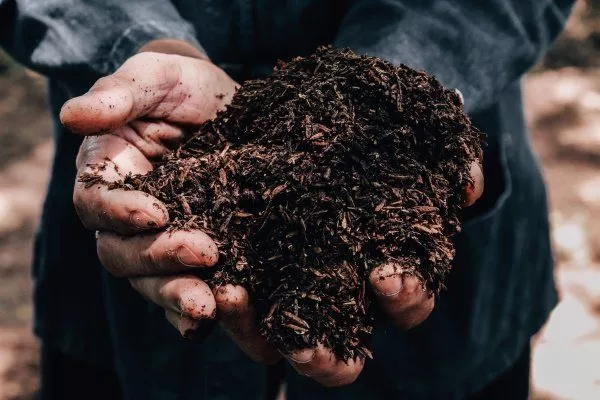
The mixture is prepared from non-aggressive substances. For example, one common method is to mix 1 tablespoon of potassium sulfate and compost. Simply sprinkle the mixture under the bush; there's no need to steep it or dissolve it in water.
Only rotted manure is used!
Third feeding
Wait 14 days after the second fertilizing. After this time, spray the bush with a urea solution. For convenience, it's best to use a spray bottle to ensure even coverage.
For spraying, dissolve urea at a rate of 10 g per 10 liters of water. For blackcurrants, this is the end of the feeding process.
The fourth feeding is done after the berries have been picked.
Feeding rules
While the soil is moist and the first buds are slowly opening on the branches, it's time to care for the currants. This should begin with adding nitrogen. Nitrogen is found in manure, urea, and ammonium nitrate.
Some gardeners sprinkle nitrogen on top, but it's better to dissolve it in water and use it for watering. Repeat the fertilizing every two weeks, alternating the fertilizers used. For example, first water with manure, then with urea, and finally with an herbal infusion.
If the site has sandy or poor soil, it's necessary to apply fertilizer much more frequently and with greater intensity. It's advisable to mulch the top fertile layer with sawdust or hay. This helps retain moisture, prevent the planting area from drying out, and suppress weeds.
Fertilizer application is carried out taking into account certain nuances:
- Distribute the substances evenly.
- The localization of the application of preparations should exceed the diameter of the crown so that the entire root system is nourished.
- After the snow melts, water the soil with warm water.
- Conduct an external inspection of the plant, carefully cutting off dried and dead branches.
- If you add enough nutrients to the hole during planting, the currants will bear fruit well for two years without any additional costs.
- Minerals are less reactive chemical elements. Therefore, dig trenches about 30 cm deep so they can reach the roots. Also, make small holes around the bush to spread salts.
- For better penetration of nitrogen preparations, they are mixed with the soil.
- It is enough to place organic matter on the ground around the plantings.
- A combination of applying fertilizer to the soil and spraying the crown helps to increase the effectiveness of the procedures.
- When spraying, choose only water-soluble products and dilute a small amount thoroughly. This will protect the leaves from burning.
- Spray the leaves with mineral solutions only when they are definitely not exposed to direct sunlight. The solution will remain on the surface for much longer, preventing sunburn.
- Spray the bush with minerals during flowering and even during berry formation.
We also recommend reading the article about How to properly care for currants in the spring.
How to fertilize currants in spring
Specialized stores offer a variety of products to increase your harvest; the key is to be able to navigate the wide variety of products available.
Nitrogen fertilizers
This type of fertilizer provides currants with a wealth of nutrients, stimulating crown growth and encouraging the emergence of new leaves. However, don't overdo it; too much nitrogen will favor foliage over fruit, inhibiting the development of inflorescences and berries.
In this video, you can see how to fertilize currants with nitrogen fertilizers in the spring:
The best time to enrich the area with nitrogen is spring.
A lack of nitrogen in the soil reduces crop yields, so periodic fertilization is necessary. For this purpose, use:
- compost with peat;
- manure;
- bird droppings;
- ammonium nitrate;
- anhydrous ammonia;
- ammonium sulfate;
- urea;
- calcium cyanamide;
- urea.
A lack of nitrogen is usually indicated by a sharp yellowing of the leaves and stunted growth of the bush.
Complex fertilizers
Use ready-made mixtures for crops labeled "spring" or "spring-specific." All fertilizers should be applied only to moist soil, combined with watering or after rain. They are also used as stimulants and for treating seedlings during planting.
- ✓ The presence of the marking “spring” or “spring” indicates the optimal composition for seasonal feeding.
- ✓ The absence of chlorine in fertilizers is critical for currants.
Complex mineral preparations are produced by chemical reactions or by mixing elements. They have a significant concentration of active ingredients, so their application rate must be low to avoid harming plants.
They are mixtures of salts:
- nitrogen-phosphorus;
- potassium-nitrogen;
- nitrogen-phosphorus-potassium compositions.
You can buy ready-made mixtures or make your own, purchasing all the necessary ingredients at specialty stores. Popular preparations:
- Nitrophoska;
- Ammophoska;
- Potassium nitrate;
- Ammophosphate.
There are also multi-component nutrient formulations. They include essential elements and micronutrients, making them especially useful in areas with poor soil, where they protect against diseases and increase crop yields.
The choice of substances depends greatly on the soil type, but you should never choose a product containing chlorine. It's better to choose:
- Zinc – to reduce alkalinity.
- Copper – for marshy areas, peat bogs.
- Manganese - for black soil, which gives an alkaline reaction.
- Boron – for soils with high sand content.
- Molybdenum – to reduce soil acidity.
Phosphorus fertilizers
Experienced gardeners recommend using phosphorus-potassium fertilizers for blackcurrants. In this case, you'll need to dilute 10 g of potassium sulfate and 40 g of superphosphate per bush.
In his video, the gardener talks about applying phosphorus fertilizers to currants:
It's essential to make a furrow and pour the prepared solution into it. This will ensure the nutrients reach the roots much faster. Fruit size depends on phosphorus, so without it, currants will degenerate and produce small berries.
Don't forget about potassium; its content directly affects the sweet taste. Therefore, many gardeners use these two nutrients together.
The most famous drugs:
- Superphosphate;
- Precipitate;
- Phosphate and bone meal;
- Tomaslag and other substances.
Superphosphate stands out among these. This group protects against pests and diseases and helps increase crop yields. Superphosphate fertilization is carried out according to the following rules:
- for young plantings apply no more than 60 g;
- the older the bush, the higher the concentration;
- It is recommended to combine with nitrogen and phosphorus.
Phosphorus fertilizers are a vital source of nutrition for plants. Energy metabolism depends on it. With sufficient phosphorus levels, currants grow and develop normally.
This element has an interesting feature: there are no negative consequences when it is used in excess, since the plants absorb only the prescribed amount, not a gram more.
Organic fertilizers
They are used to replace minerals, either separately or in combination. A comprehensive approach yields excellent results, so gardeners often mix and use all types of fertilizers.
The most widely used organic fertilizers are manure and compost. For vigorous growth and a substantial harvest, approximately 6 kg of fertilizer is needed per currant bush. This fertilizer is buried near the trunk, close to the root system.
How to use:
- Diluted manure. Pour fresh manure into water at a 1:1 ratio and let it sit for at least 3 days. Then dilute it with water 1:10. Water a mature bush with 1 bucket, and a young bush with half a bucket.
- Bird droppings. Dilute with water in proportions 1:12. Consumption is the same as for manure.
- Compost. They are used all summer long because they are nitrogen-free. They are used as a 1-cm mulch around plantings.
Folk remedies for fertilization
These methods are not a panacea, and they cannot single-handedly save the crop. They are not complete treatments, but rather additives that can be added as a minor boost.
Potato peelings, bread scraps, and banana peels are often used. Store-bought starch won't produce the desired effect; potato peels are essential, as they contain numerous micronutrients and vitamins, although they are poorly absorbed.
Recipe with potato peelings:
- Make an infusion: pour the peelings with water in a 1:1 ratio.
- Place in a dark place to infuse. The process will take 1.5 months.
- Dilute the infusion with water 1:10.
- Water strictly during the period when berries are forming, not later.
- Consumption: 1 bucket per 1 bush.
Watch a video about fertilizing currants with potato peelings in the spring:
Banana peel:
- Take 5 leftover bananas.
- Fill with a bucket of water.
- Place in a warm place for three days.
- Water the currants so they get a dose of potassium.
More information about fertilizing young plants with banana peels is written here.
Bread crusts (colored currants especially love them):
- Collect the remaining bread. Cover the crusts with water in a 1:1 ratio.
- Leave in a warm place for 10 days.
- Strain, dilute with water 1:10.
- Water 1 bucket per bush.
Fresh herbs:
- Take dandelion, chamomile, and couch grass. Place them in a large barrel, filling it about halfway.
- Fill with water and close the lid tightly.
- Place it in the sun.
- To enhance fermentation, add jam or bread crusts (crumbs).
- Stir occasionally to disturb the sediment.
- Keep for 12 days until the fermentation process is complete.
- Dilute the fermented infusion 1:10 in water.
- Water the bush at the root.
You can skip the infusion and just bury some banana, potato, or bread pieces around the roots; the fermentation process will start on its own. Don't forget about manure, either. mulch the soil around - consumption 10 kg per bush.
In spring, you can sow peas or vetch between plantings. Before flowering, these plants should be mown down and placed around the currants to be dug into the soil.
Helpful tips
Currants have a specific life cycle with strictly defined deadlines, which are important to properly manage. Many novice gardeners believe that foliar fertilizers are useless. They forget that winter weakens the roots and depletes nutrients, as the plant expends energy in freezing temperatures to maintain its vitality.
It's important to spray the leaves correctly. Avoid using fixatives, as they can cause deformed leaf structure and damage to the leaf's integrity, ultimately leading to irreversible damage to the crown. Failure to apply the correct dosage and dilution ratios can result in burns and even death of the plant.
Root fertilizers should be applied very carefully, avoiding contact with the trunk or foliage, as this will cause burns, and colonies of pathogenic bacteria will colonize the wound surface. Liquid fertilizers should never be applied to dry soil, as they will burn the root system and lead to the death of the plant. Fertilizers should be applied only to moist soil. If necessary, thoroughly water the planting area.
Pay attention to the climate and temperature. Avoid working in hot weather or in the sun. Perform all procedures at night, such as early morning or late evening, at dusk, or on a cloudy day when the sun is safely hidden behind clouds. The first feeding should be done at a temperature of at least 10 degrees Celsius.
Always follow safety rules when working with chemicals! Always read the packaging instructions carefully and keep chemicals out of the reach of children and pets.
Once all the procedures have been completed and fertilizers applied, it's essential to monitor the condition of the plants. Treat them promptly, prevent diseases from progressing, and prevent pests from multiplying. Properly fertilizing your currant bush in the spring is the key to an excellent harvest.