
Perun currant is a productive and frost-resistant variety with excellent flavor. The berries are medium-sized, glossy, sweet, and aromatic. Self-pollination and excellent transportability make this variety popular and sought after. It's low-maintenance, but requires timely care to produce a high-quality harvest.
History of breeding and description of the variety
It was developed by breeder A.I. Astakhov by crossing two other varieties: Bredtorp and the 2-4-56 line. The crop was officially approved for use in 1995.
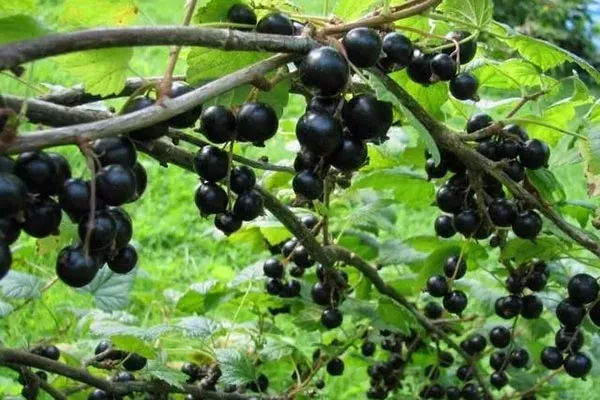
Distinctive features:
- This medium-sized, moderately spreading bush consists of slender, green shoots that are slightly curved and sparsely pubescent.
- The leaves are medium-sized, trilobed, and dark green. At the tips of the shoots, their color may change to anthocyanin.
- The flowers are small and have brightly colored petals of a rich red-violet hue.
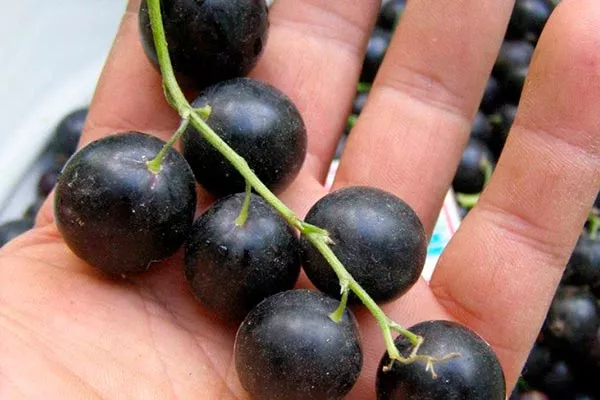
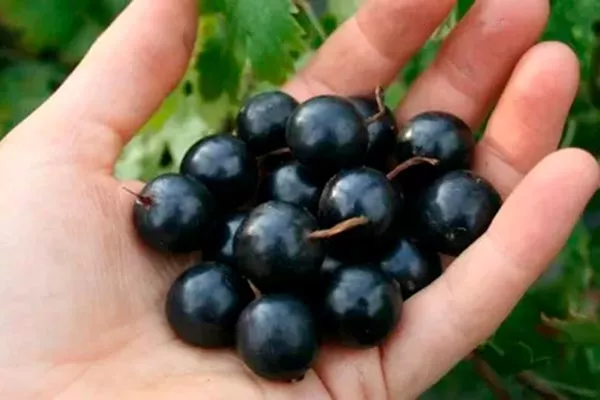
The berries form on clusters. Most are medium-sized, but larger specimens are also available. Their weight ranges from 1.3 to 2 g.
Characteristics of berries
This large, attractive, and delicious variety is appreciated by both breeders and amateur gardeners. It can become a true gem in any garden or backyard. The berries have excellent commercial qualities, making it a promising option for commercial cultivation.
Taste qualities and scope of application of berries
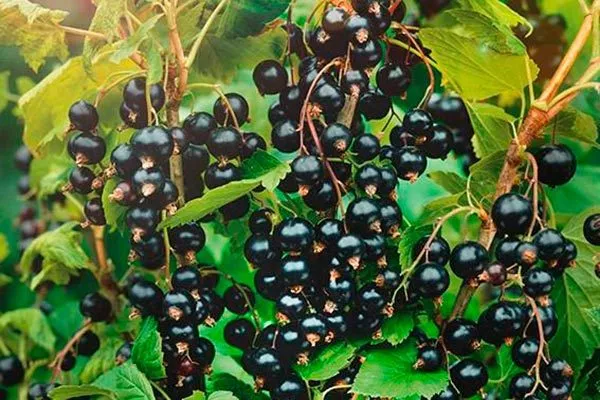
The skin of the fruit is black, shiny, firm, and fairly dense. The flesh is greenish. The flavor is distinguished by its particular sweetness and fresh, pleasant aroma, a distinctive feature of this variety.
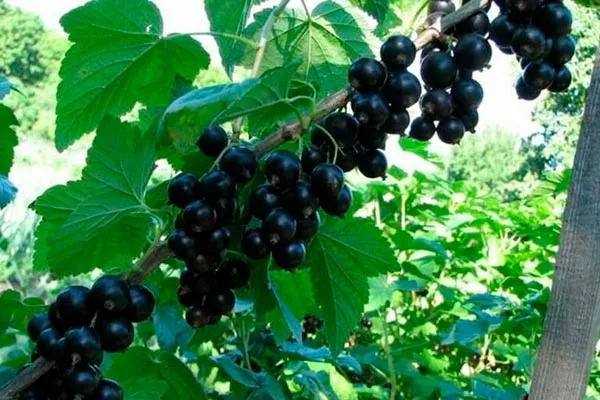
The berries are versatile in use:
- they are consumed fresh;
- used for making jam, compotes, and jellies;
- The fruits are used as a filling for baked goods or as a decoration for desserts.
Ripening and fruiting, yield
Perun currants ripen in late July or early August. A distinctive feature is their uniform ripening, with the entire crop ripening at the same time.
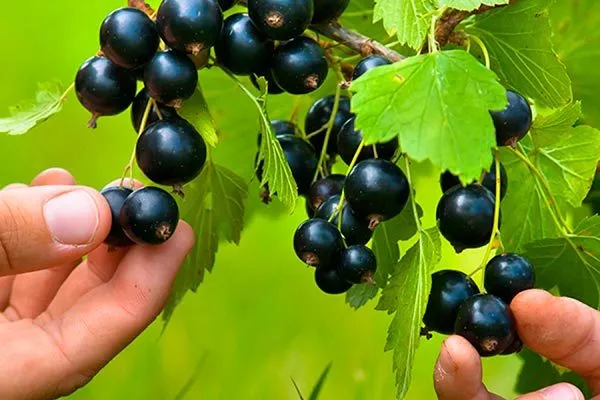
This variety is characterized by good productivity: up to 1.2 kg of berries can be harvested from a single bush. Under favorable conditions, the plant can produce more fruit, reaching a maximum yield of 2 kg.
Flowering, self-fertility and the need for pollinators
The plant blooms in May and June, producing large, distinctive red-violet flowers. The inflorescences are bisexual, with each raceme containing 6 to 11 flowers.
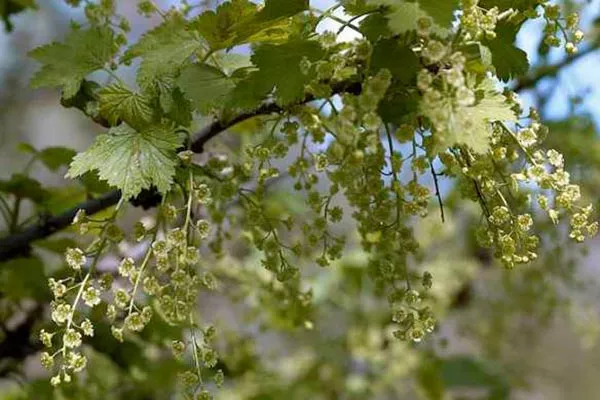
The variety is self-pollinating and capable of producing fruit independently, so planting pollinators is not necessary. However, to increase yields, they can be planted nearby.
Resistance to subzero temperatures and drought, regions
The Perun currant is a winter-hardy variety that tolerates temperatures down to -25°C. In severe frosts, the bushes require reliable cover. Sudden temperature fluctuations do not negatively affect the future harvest.
This variety is recommended for cultivation in the Central and Central Black Earth regions. Although the plant prefers a fairly warm climate, with proper shelter, it can also be successfully grown in temperate zones.
Planting currants Perun
This plant is easy to grow, but knowledge of agricultural techniques is essential for a bountiful harvest. The growth and development of the seedling depends on proper planting, so it's important to follow the recommendations of experienced gardeners.
Timing, selection and preparation of the site
Plant seedlings in the second half of September, or less frequently in early spring. The hot May sun can damage young plants.
When choosing a planting site, consider the following recommendations:
- Currants prefer well-lit places, since the sugar content and volume of the harvest depend on this.
- Place bushes along fences or other barriers to protect from the wind.
- The plant does not tolerate stagnant water, so choose well-drained areas or avoid waterlogged areas.
- The optimal soil is slightly acidic, loamy or sandy loam.
- The most suitable soil for cultivation is black soil.
Seedling preparation and work procedure
First, inspect the seedling and its root system. Trim off any damaged or dry roots. If the plant has a closed root system, carefully remove it from the container, being careful not to damage the roots.
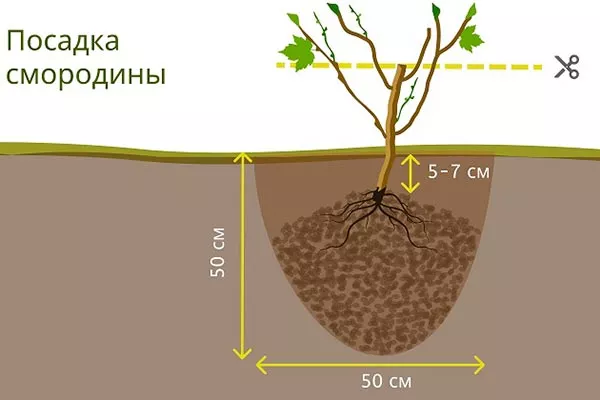
When planting bare-root seedlings, soak the roots in water for several hours to help them adapt to the new conditions. Treat the roots with growth stimulants to promote better establishment.
Step-by-step algorithm:
- Place the seedling in the center of the hole.
- Fill the hole with soil, deepening the roots by 6-10 cm.
- Shorten the shoots, leaving a height of up to two buds.
Mulch the soil around it, covering it with a layer of sawdust, peat, humus or dry leaves.
Further care of currants
Perun is an easy-to-care-for plant. Caring for the shrub doesn't require much effort; the key is to follow the established schedule and heed the advice of specialists.
Watering and fertilization regime
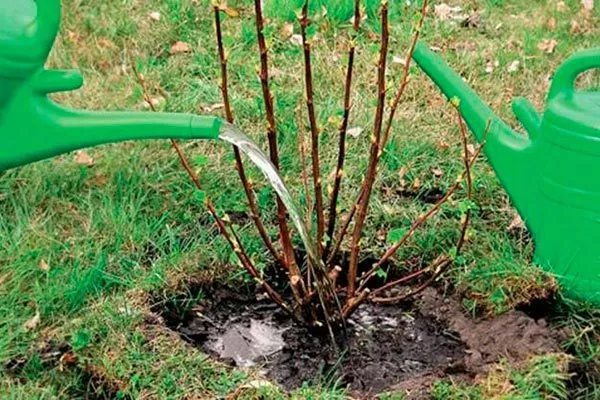
Provide moderate and regular moisturizing – 2-3 times a week. Follow these recommendations:
- Add 10 liters of water under each bush in the morning and evening.
- Pay special attention to watering during the fruiting period, in July and August, when buds for the next harvest are forming. Insufficient moisture during this time can lead to a poor harvest next year.
- If the season is characterized by prolonged rainfall, suspend watering to avoid excess moisture, which can negatively affect the harvest.
- In drought conditions, increase the frequency of watering to once every 5 days.
- Use only rainwater or settled water at room temperature.
- ✓ Watering during the period of bud formation (July-August) should be increased by 20%.
- ✓ Fertilizing with potassium-phosphorus fertilizers at the end of summer increases frost resistance and yield in the following year.
Fertilize the Perun blackcurrant infrequently; one feeding per year in the fall or spring is sufficient. In the fall, use organic fertilizers such as manure, bird droppings, wood ash, or compost. In the spring, mineral fertilizers with an emphasis on nitrogen, potassium, and phosphorus are effective.
Soil care and preventive seasonal treatments
To ensure constant access of air and water to the currant roots, weed and loosen the soil regularly. To protect the bush from early frosts and snowless winters, mulch the area around the trunk with horse manure.
To prevent diseases, spray the Perun currant with Bordeaux mixture three times during the spring. Use a 3% solution during the bud swelling phase, and a 1% solution before and after flowering.
Pruning: formative, sanitary, rejuvenating
Pruning is an important part of plant care. Depending on the purpose, pruning can be classified as sanitary, formative, or rejuvenating. Pruning allows more light to penetrate, improves ventilation, and allows the remaining shoots to receive more nutrients.
Prune before bud break—in April or May. This procedure is also necessary in late fall, after the harvest.
Pouring and hardening of bushes
In early spring, pour boiling water over currants to control pests and diseases. This method hardens the crop and increases productivity.
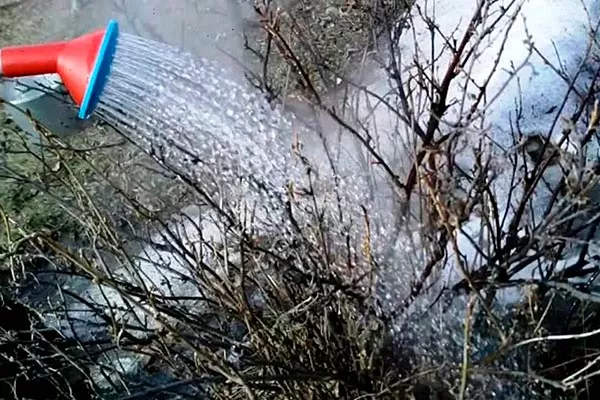
Step-by-step algorithm:
- Bring the water to a boil.
- Pour boiling water into a watering can.
- Pour the water evenly over the branches of the bush.
- Pour boiling water over the soil around the plant, first covering the trunk circle with improvised means so that the hot water does not get on the roots.
Processing each bush takes about 5 seconds.
How to cover plantings for the winter?
Perun is a frost-hardy variety, but temperatures below -25°C can be dangerous for currants. To protect them in winter, tie the branches into bundles of 3-5, bend them as close to the ground as possible, and secure them with bricks. Cover them with a board or plywood, weighing them down.
Breeding methods
You can increase the number of seedlings in your garden yourself with minimal time investment. There are three main ways to propagate the plant:
- Cuttings. This method is one of the most popular and simple. For cuttings, select healthy shoots and cut them into 10-15 cm long cuttings with several buds. Root the cuttings in a sand-peat mixture or simply in water.
For a successful rooting process, create greenhouse conditions by covering the cuttings with plastic wrap or a transparent jar. The rooting process takes about 3-4 weeks. Once roots appear, transplant the plants into the ground. - By layering. This method is no less successful. Select healthy shoots, bend them to the ground, and secure them, leaving the top exposed. Cover the rooting site with soil, moisten it, and loosen the soil periodically.
The cuttings will take root within 1-2 months. Once the roots have developed, separate the cutting from the main plant and transplant it to its permanent location. - Dividing the bush. This procedure is suitable for older plants that need rejuvenation. Dig up the currant bushes, divide them into several sections with roots, and replant. Each new bush should have at least 2-3 healthy shoots and a root system. This method is considered the fastest.
- ✓ Optimum temperature for rooting: 18-22°C.
- ✓ Air humidity should be at least 70%.
- ✓ The use of root formation stimulants increases the chances of successful rooting by 30%.
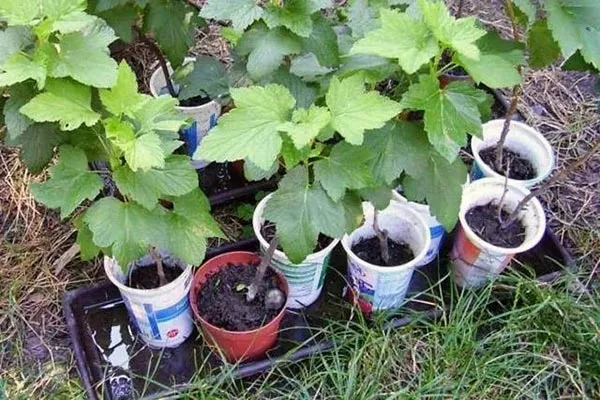
All methods have their advantages and disadvantages. The main advantage is that no matter which method you choose, you'll preserve all the varietal characteristics of the Perun currant.
Harvesting and storage of crops
Begin harvesting berries in late July or early August, when they are fully ripe. Pick the berries by hand, carefully plucking them from the clusters to avoid damaging the stems or spoiling nearby berries.
Helpful tips:
- Sort and remove damaged and rotten fruits.
- Store currants in the refrigerator for up to a week, packed in plastic containers or bags with holes for ventilation.
- For longer storage, you can freeze the berries by first placing them on a tray in a single layer, then transferring them to bags.
- Use the harvest to make jam, jellies, or compotes. In winter, you'll appreciate the valuable properties and benefits of these preserves.
Maintain optimal storage conditions to minimize loss of flavor and nutrients.
Tips and advice from experienced gardeners
Timely pruning will help prevent the spread of diseases and pests and provide plants with essential nutrients. Avoid overuse of high-nitrogen fertilizers, as this can lead to vigorous growth at the expense of the harvest.
Water according to the recommendations, without increasing the volume of water to avoid root rot and the appearance of fungal diseases.
Pros and cons
Perun is a high-yielding variety, but that's far from its only advantage. Other positive qualities include:
This variety may not appeal to commercial currant growers. Although the crop has many advantages and excellent varietal characteristics, the fruits vary in size, which may detract from the product's marketability and may not satisfy consumers.
Another drawback is the strong dependence of berry size and quality on weather conditions. In a dry summer, the harvest may be poorer and the berries smaller, but their flavor will be sweeter and richer.
Reviews
The Perun currant is an excellent choice for gardeners who value a stable harvest and excellent flavor. Its frost resistance and ability to self-pollinate make this variety suitable for cultivation even in temperate climates. To maximize productivity, it's important to provide proper care and adhere to certain requirements.