
The Ozherelye blackcurrant is a Russian-bred variety that possesses all the necessary qualities to appeal to berry lovers. It is productive, hardy, and resistant to adverse weather conditions.
Who bred the Ozherelye variety?
The Ozherelye variety is a commercial variety, developed at the M.A. Lisavenko Siberian Research Institute of Horticulture. Its creator is L.N. Zabelina. This currant has been in variety testing since 1991.
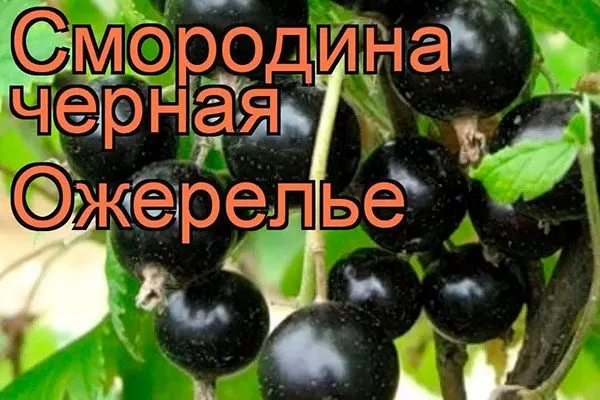
It was included in the State Register of Breeding Achievements in 2000. The variety is recommended for the West Siberian region.
Description of the plant
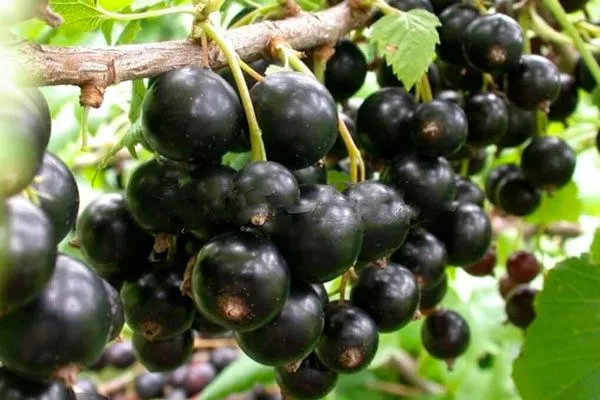
The Ozherelye currant bushes are vigorous, gently spreading, with straight, medium-thick shoots. The leaves are large, convex, five-lobed, and dark green, with a wrinkled, matte surface. The flowers are medium-sized and pale, greenish-cream.
Description of berries
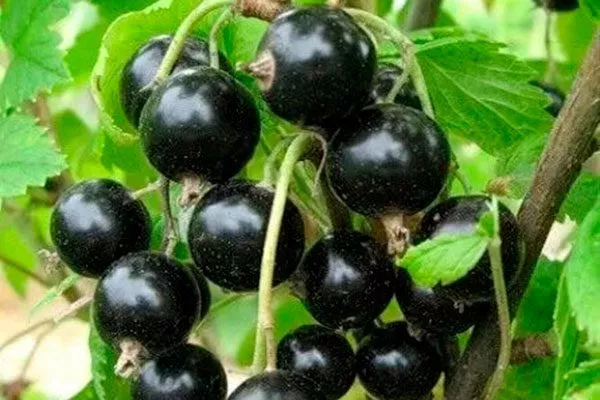
The Ozherelye variety produces medium-sized fruit clusters. Each cluster bears 6 to 7 medium-sized berries. The seed count is average. The peduncles are thin and medium-length.
Brief description of berries:
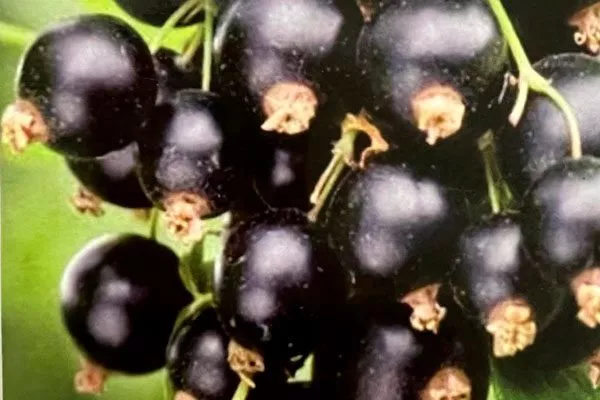
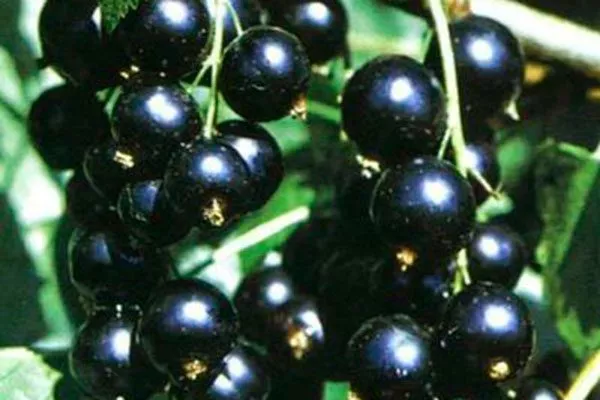
- Color: black.
- Shape: round.
- Skin: thin.
- Weight: 1.1-1.8 g.
Taste and purpose
The berries have a slightly tart taste with a refreshing aroma. They are versatile, suitable for any dessert or preserve. They make excellent pastila, and can also be used to make jams, compotes, liqueurs, homemade wines, and more.
Chemical composition of berries:
- dry matter: 10.0%;
- total sugars: 7.6-8.4%;
- titratable acidity: 3.6-3.7%;
- ascorbic acid (vitamin C): 250 mg/100 g.
Tasting score: 4 points.
Characteristics
The Ozherelye blackcurrant can be grown in regions with challenging weather conditions. This variety has excellent agronomic characteristics, allowing gardeners to successfully grow it in a wide variety of regions.
Ripening time
The Ozherelye currant is a mid-season variety. The berries ripen in July. The exact ripening time depends on the regional climate.
Productivity
The Ozherelye currant is a high-yielding variety. Gardeners harvest nearly 3 kg of berries from a single bush. When grown commercially, the yield ranges from 7.1 to 14 tons per hectare.
Frost resistance
This variety has very good frost resistance for a temperate climate. It can withstand temperatures down to -40°C. At significantly lower temperatures, yields decrease, but the plant usually does not die. This is especially true if a significant portion of the bush is covered by snow. The variety is also highly drought-resistant.
Pros and cons
The Ozherelye blackcurrant has many advantages that attract gardeners and make it an enviable garden variety. But before planting, it's worth familiarizing yourself with the full list of its advantages and disadvantages.
Planting currants Ozherelye
The success of growing any crop depends largely on how well it is planted. To ensure the Ozherelye variety grows and develops well, it's important to select the right location and plant the seedling according to established agricultural practices.
Selection and preparation of seedlings
For planting, it's important to select high-quality seedlings. Pay attention to their age and appearance, which determine the quality of the planting material.
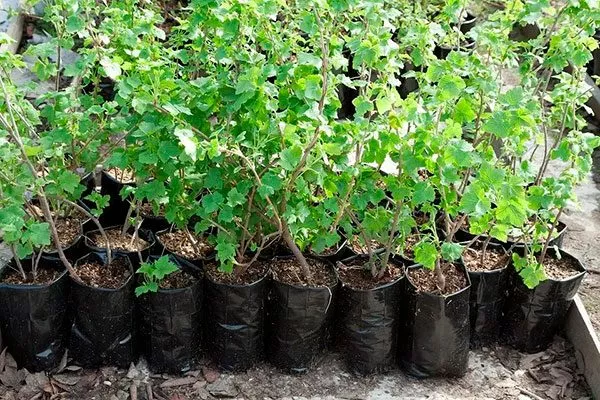
How to choose a good currant seedling:
- The root system should have 3-5 main roots, about 20 cm long, healthy and elastic. They should have many thin, fibrous branches.
- A good seedling should have 2-4 stems, free of damage or disease. Make sure they are free of spots, cuts, breaks, or other defects.
- The optimal age for a seedling is two years. They adapt well and take root quickly. These seedlings reach a height of 30-40 cm. Three- to four-year-old bushes are also available. They reach a height of 40-60 cm.
- ✓ Check for a quality certificate or documents confirming the variety.
- ✓ Make sure the seedling does not show signs of disease or pests, such as spots on the leaves or bark.
Features of seedling preparation:
- With a closed root system. Gently loosen the surface of the soil in the container. Water the seedling overnight to make it easier to remove from the planting container the next day.
- Bare-rooted. Rinse the roots to remove old soil. Trim any damaged, dry, or diseased roots back to healthy tissue.
- For 2 hours, immerse the roots in water, or even better, in a growth stimulant solution - Kornevin, Epin, Zircon, etc.
Selecting a site
Plant the Ozherelye currant in a sunny, well-drained area, level or with a slight slope. Small depressions with permeable soil (loam) are also suitable. Currants grow best in loose, loamy or sandy loam soils.
Preparing the planting hole
The soil in the plot is prepared in the fall; it should be fertile, with a slightly acidic or neutral pH of 5.0–5.5. In acidic soils, dolomite flour is added during tillage at a rate of 2 kg per 5 square meters. During tillage, be sure to remove couch grass rhizomes—this weed absorbs moisture and nutrients, choking out young bushes, and as a result, the berries become smaller.
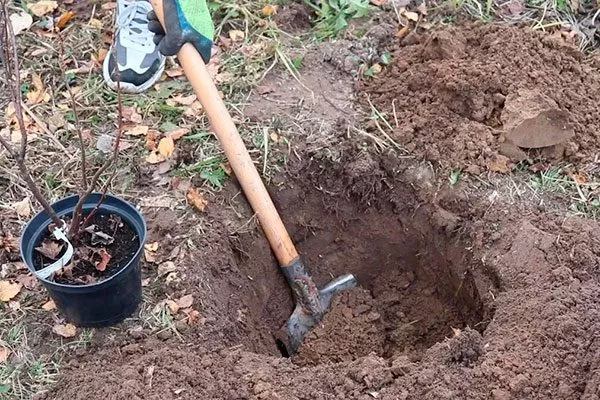
Features of preparing a planting hole:
- Dig the holes 2–3 weeks before planting to allow the soil to settle and the fertilizers to dissolve. The fertile topsoil is set aside for use in preparing the potting mix.
- The hole dimensions are 50 x 50 x 50 cm. This is large enough to comfortably accommodate the currant's root system. The sides of the hole should be vertical.
- A 7-8 cm thick drainage layer is placed at the bottom of the pit. Gravel, broken brick, etc. are used as drainage material.
- To prepare a nutritious soil mixture, fertile soil obtained by digging a hole is mixed with compost or rotted manure, as well as leaf soil and sand in a ratio of 1:2:2:1.
- Fill the planting hole 1/3 full with the resulting soil mixture. Add 2 tablespoons of superphosphate, 2 tablespoons of potassium sulfate, and 500 ml of wood ash to each hole. Mix everything thoroughly and let it sit.
Place regular soil on top of the nutrient-rich soil mixture to prevent the roots from being burned by the fertilizer. The hole should be three-quarters full.
The landing process
Currants are usually planted in the fall—mid-September or early October. These seedlings have time to establish themselves, their root system grows and strengthens, and they can produce a harvest in the spring. Currants can also be planted in the spring and summer.
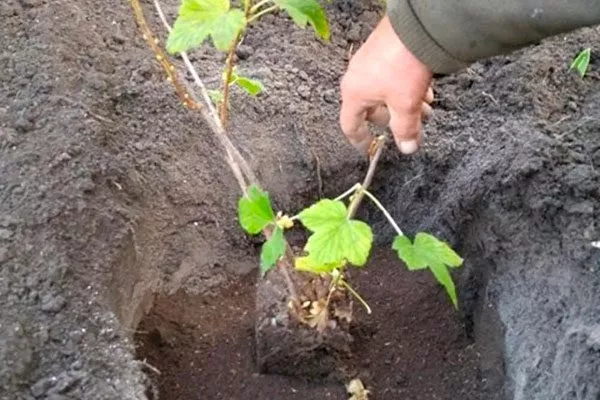
Landing features:
- Place the seedling in the hole at a 45° angle and cover the roots with fertile soil. Firm the soil with your hands to eliminate air pockets.
- The root collar of the planted seedling should be buried 5-6 cm deep. This planting promotes the growth of lateral (adventitious) roots and rapid rooting of the seedling.
- Water the planted currant bushes with 10 liters of water. Once the water has soaked in, mulch the area around the trunk with straw, grass, compost, etc.
The planted seedlings are shortened to 15–20 cm, leaving 3–4 buds on each shoot.
Care
The Ozherelye variety is unfussy and completely low-maintenance. However, to produce a high-quality and abundant harvest, the bushes require some care—watering, fertilizing, pruning, preventative spraying, and, if necessary, winter insulation.
Watering
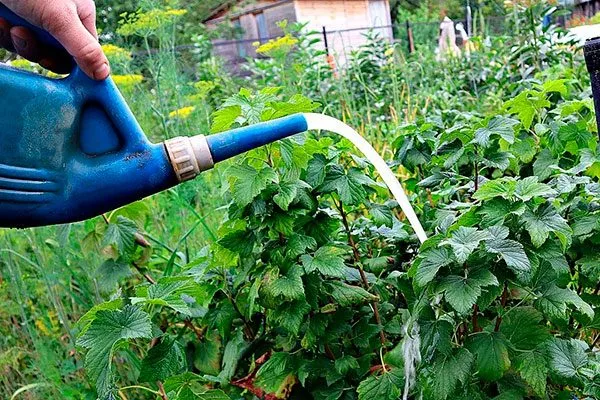
For the first three weeks, planted currants are watered once every three to four days to speed up rooting. Generally, currants are moisture-loving, so it's important to water them regularly—about once a week. Watering is especially important during periods of intensive growth, fruit set, and berry ripening.
Top dressing
Currants are fertilized at least three times per season. In early spring, high-nitrogen fertilizers, such as ammonium nitrate or urea, are applied to the bushes at a rate of 30 g and 20 g, respectively.
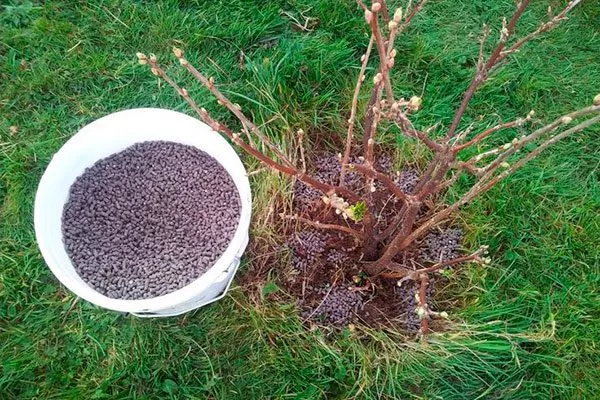
Once the bushes have finished flowering and fruit buds begin to appear, add organic matter to the roots—diluted bird droppings (1:12) or mullein (1:6). The recommended nutrient solution for each currant bush is 10-15 liters. Fertilizing can also be done after the berries have been picked.
Loosening
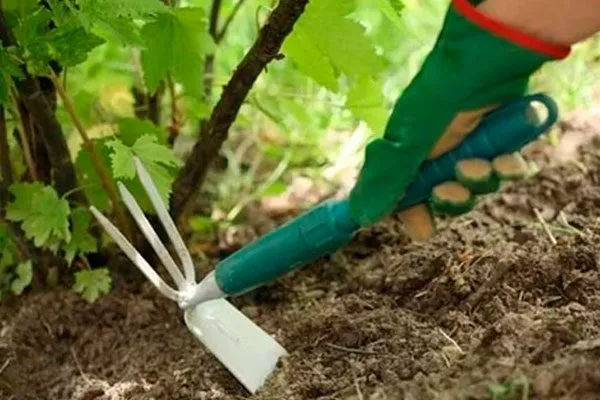
It's recommended to loosen the soil around the tree trunks after each watering. This should be done carefully to avoid damaging the surface roots. The hoe should be inserted 5-6 cm deep, no more. Weeding should be done along with loosening. Experienced gardeners often use a pitchfork instead of a hoe, as this reduces the risk of damaging the roots.
Trimming
Pruning is done to prevent bush density, which negatively impacts yield. The optimal number of shoots per bush is 15 to 20 (of varying ages).
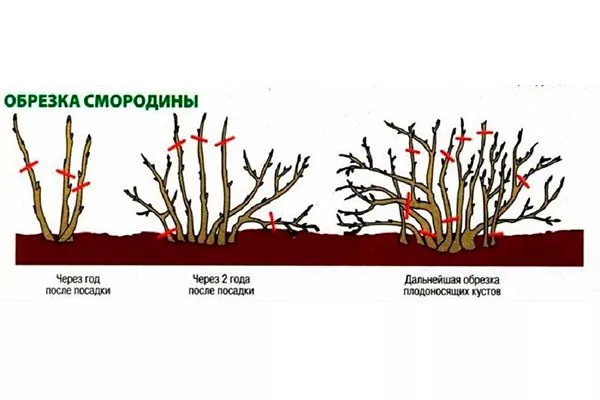
To achieve this, 2-3 young stems, each directed differently, are left on the plant each year. During pruning, all damaged shoots and those growing inward are removed.
Insulation for winter
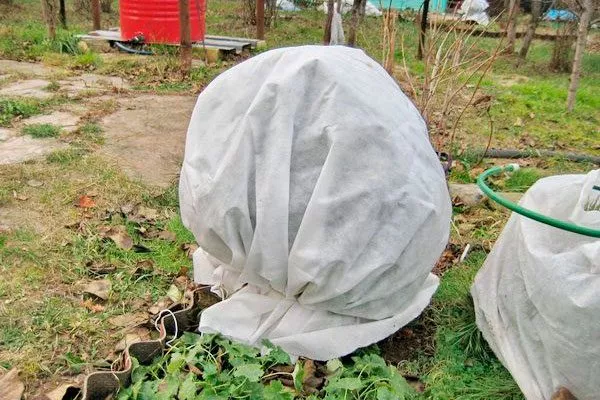
In regions with very harsh winters, it is recommended to insulate bushes by bending the shoots to the ground and covering them with agrofibre. In other regions, insulating the area around the trunk with a thick layer of peat or sawdust is sufficient. Polyethylene is prohibited for covering; the covering material must be breathable.
Prevention of diseases and pests
This variety has good immunity, but under unfavorable conditions it can be susceptible to anthracnose and other diseases. To prevent this, treat the bushes with Fitosporin, iron and copper sulfate, and spray with a solution of soda ash and laundry soap.
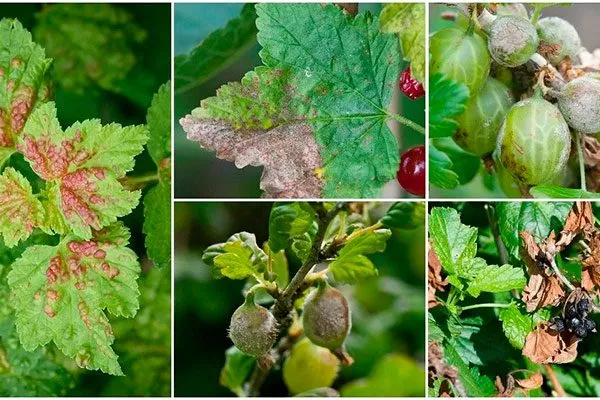
The most dangerous pest for the Ozherelye currant is the bud mite. Bushes can also be attacked by gall midges, fire moths, and glassworms. Fundazol, Skor, Topaz, and other effective insecticides are used to control these and other harmful insects.
Harvesting and storage
The berries are harvested in dry weather, when they are fully ripe. They are placed directly into containers for storage or transportation, avoiding unnecessary handling. They can be stored in the refrigerator or other cool place for a while.
Reviews
The Ozherelye blackcurrant is a reliable industrial variety that makes a great addition to any garden. Its berries are slightly tart, but they're ideal for winter preserves—they offer a balanced combination of sweet sugar and acidity.