
The Orlovsky Vals blackcurrant variety is distinguished by its good winter hardiness and resistance to many diseases. This variety is known for its large berries, which keep well in the refrigerator. They are juicy and sweet, making them ideal for desserts. Orlovsky Vals is known for its fast-growing and productive nature.
History of creation
Orlovsky Vals is a blackcurrant variety developed at the All-Russian Research Institute for Fruit Crop Breeding in the Oryol Region. Breeders L. V. Bayanov, S. D. Knyazev, and T. P. Ogoltsova used the Ershistaya and Lazydai varieties as the basis.
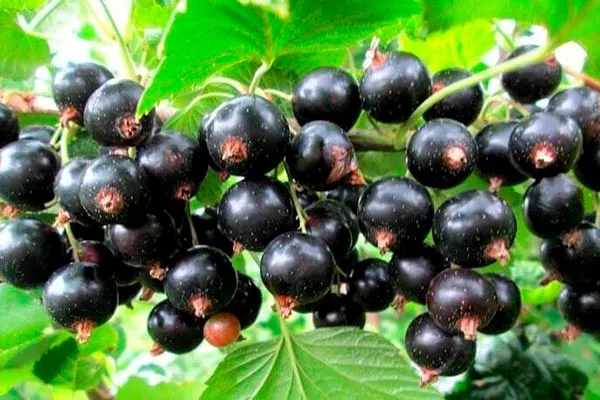
Following successful testing, Orlovsky Waltz was included in the Register of Breeding Achievements of the Russian Federation in 2008. It is recommended for cultivation in various climatic zones:
- Central part of the country;
- Volga-Vyatka region;
- Volga region;
- Black Earth Zone;
- Western Siberia.
Characteristics and description of the variety
The variety is self-pollinating, allowing it to successfully bear fruit independently of other varieties. The berries offer versatility, flavor, and nutritional value. Currants are well-adapted to drought conditions and mild winters.
Distinctive features of the plant and fruits
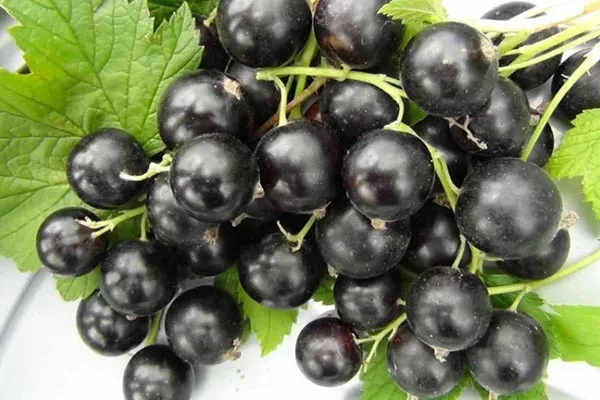
Orlovsky Waltz is a compact perennial shrub with a height of 40 to 80 cm. It is characterized by a moderately spreading form and medium foliage.
There are also other varietal characteristics:
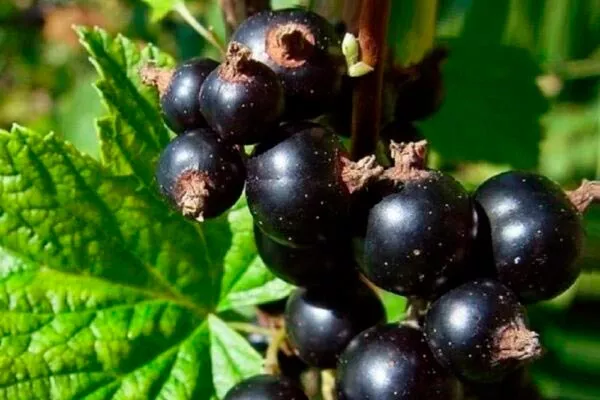
- Mature shoots are medium in diameter, tapering toward the tip, and have a slightly glossy gray-brown color. Young branches are pubescent and highly glossy, and are quite thick and green.
- The leaves of this variety are grayish-green, coarse in texture, and five-lobed. They are slightly wrinkled and slightly corrugated.
- At the end of May, the bush is adorned with small, light pink buds, gathered into a compact, single cluster. After flowering, berries begin to form on the bush.
The medium-sized flowers have a pale pink hue and faintly colored sepals. The raceme is described as dense, erect, and shortened, reaching 5-7 cm in length, with a central axis. - The berries of this variety are medium to large in size, weighing between 1.4 and 2.5 grams. They are spherical, almost black in color, and contain a medium number of seeds. The fruits are characterized by a dry, rough texture and thickened skin.
The taste and uses of currants
The flavor of Orlovsky Waltz is a unique combination of acidity and sweetness, earning it a tasting score of 4.3. This blackcurrant variety has high nutritional value, containing the following components per 100 g of product:
- dry residue – 12%;
- sugars – 7.6%;
- titratable acid – 3%;
- vitamin C – 133 mg;
- anthocyanins – 160 mg;
- catechins – 320 mg.
These berries can be eaten fresh or used to make delicious jams, marmalades, and pastilles. They are distinguished by their high quality and excellent transportability.
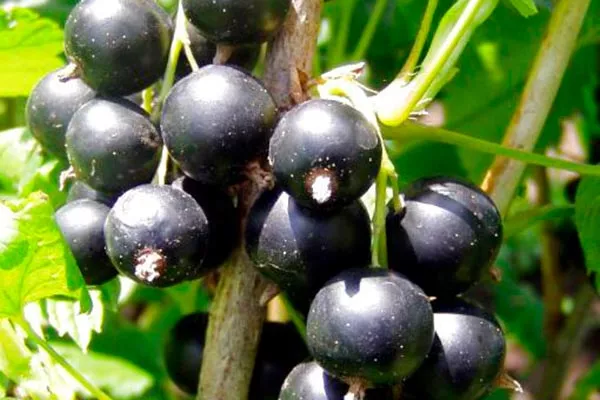
Fresh berries are especially prized for their nutritional value, but their frozen counterparts also retain their flavor and valuable properties for 3-4 months.
In medicine, currants are used to treat diseases such as scurvy, gastritis, colds, vitamin deficiency and heart disease.
Drought resistance, frost resistance
Orlovsky Waltz is distinguished by its increased frost resistance and drought tolerance, making it suitable for cultivation in both southern and northern climates. However, there are some important considerations:
- This variety does not require special shelter for winter, as it can survive temperatures down to -35°C without damage. If necessary, young plants should be protected by covering them with a 15 cm layer of straw or humus.
- Although drought-tolerant, a lack of moisture can result in smaller berries with more acidic and loose flesh.
Productivity and fruiting
This variety is characterized by a delayed ripening period—harvesting begins in July-August and ends in September. It is also notable for the fact that the berries reach maturity at different times, resulting in an extended harvest period. Other characteristics:
- This currant is highly productive, yielding approximately 40 centners per hectare, equivalent to 8.3 tons per hectare or 1.2 kg per bush. With proper cultivation practices, harvesting up to 2-2.5 kg of berries is possible.
- Harvesting can be done either manually or mechanically. Thanks to their dense, thick skin, the berries are resistant to mechanical damage during harvesting, can withstand long transportation, and retain their flavor for a long time.
- The berries are not susceptible to sunburn, so they can be planted in open sunlight.
- Orlovsky Waltz has a 59% self-pollination rate, making it self-sufficient, but to increase yield and preserve its genetic code, it is recommended to plant it next to other varieties.
Methods of reproduction
To quickly expand your arsenal of your favorite blackcurrant variety, three reliable propagation methods are available.
Green cuttings
This method is simple and effective for growing blackcurrants. In early summer, young shoots about 10-15 cm long are cut from a mature bush, each with at least three buds. The lower end of the cutting is cut at an acute angle, and the leaves are immediately removed, while the upper leaves are cut by half.
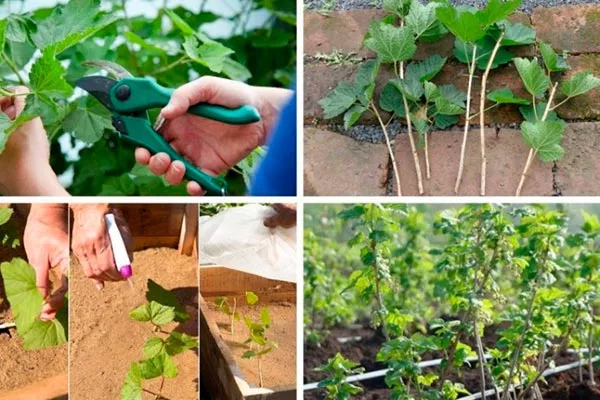
Further features:
- Prepared cuttings are placed at an angle in soft, enriched soil, burying them to the level of the upper leaves.
- After planting, the substrate is lightly covered with mulch and generously moistened.
- After two weeks, the rooting process begins, and after three months the cuttings turn into healthy bushes up to 30 cm high.
- By the beginning of September they can be transplanted to a permanent location.
Lignified cuttings
At the beginning of the spring season, when leaves begin to appear on the currants, you need to collect material for planting:
- Cut off young shoots at the base of the plant.
- From these, form cuttings 15 to 20 cm long. Store them in a cool room or refrigerator until planting.
- Once the soil has warmed up to a depth of 15 cm, begin planting. Select a location and place the cuttings at an angle in loose soil, spaced 30 cm apart. Place the cuttings deep enough to leave 2-3 buds above the surface.
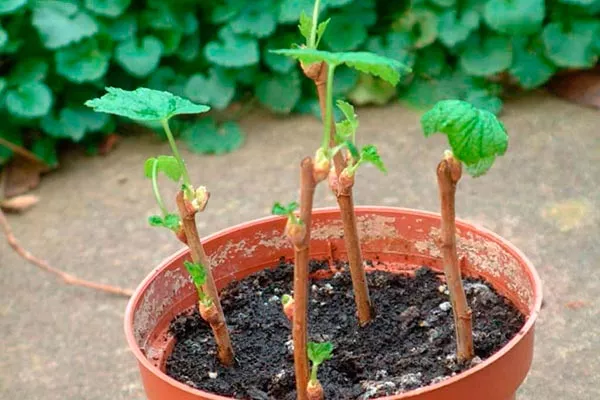
After planting, pay attention to care: regularly moisten the soil and apply mulch. By the end of the summer, the cuttings will have developed a strong root system and will be ready for transplanting to their permanent location.
Layering
This method uses healthy one-year-old shoots. The process begins when the buds begin to open:
- Before starting work, carefully loosen the soil, enrich it with mineral and organic components, dig a hole about 10 cm deep and carefully place the prepared shoot there, ensuring that its top remains underground.
- Then carefully fill the hole with soil, water it well and cover with any natural mulch.
Once the buds awaken, new young shoots will emerge from them. To stimulate lateral root growth, mound them with moist soil.
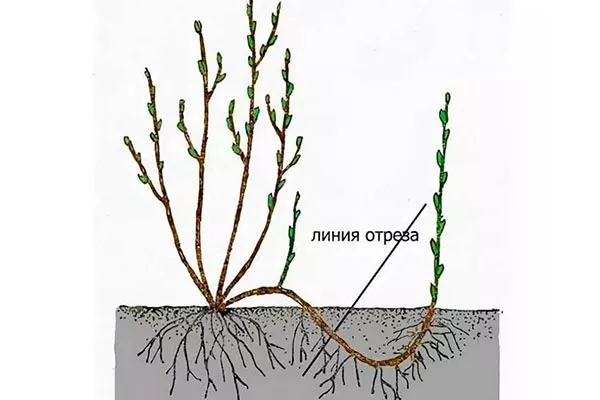
In the fall, rooted shoots can be separated from the mother bush. Each planted bud forms a new seedling. The strongest and healthiest of these is usually located near the main bush.
Landing rules
Blackcurrant seedlings should be planted outdoors in late autumn. The root collar should not be buried more than 10 cm deep. To stimulate new growth, it is recommended to prune young branches by approximately half.
Selecting a suitable location and preparing the soil
The ideal soil for blackcurrants is light, highly fertile loam with a neutral pH (pH 7). Preference should be given to sites with ample sunlight, as Orlovsky waltz requires a lot of light to thrive.
- ✓ The soil should be well-drained with a pH level of around 7.
- ✓ The area should receive at least 6 hours of sunlight per day.
It's important to consider the soil's moisture level. Blackcurrants require permeable but well-drained soil. Particular attention should be paid to areas with stagnant water to prevent root rot. The groundwater table should be at least 100-120 cm below the surface.
Soil preparation is also a key element:
- Before planting, thoroughly till the area and add organic fertilizer to provide the necessary nutrients.
- Be sure to remove any remaining vegetation and its roots.
- Level the surface with a rake.
Remember that choosing the right location and carefully preparing the soil are the foundation for successful and fruitful blackcurrant gardening.
Choosing healthy plants
When selecting plants for your garden, there are several important aspects to consider:
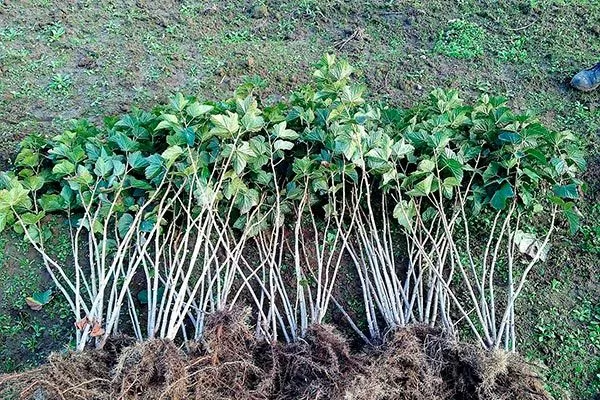
- Carefully examine the root system. Before purchasing a seedling, be sure to check its roots. A healthy bush has strong, branched shoots free of rot and damage. They should tightly fill the container in which it is growing.
- Pay attention to the leaves and shoots. They should be green, tender, and free of spots or deformations. The shoots should be strong and fresh, free of signs of rot or dryness. Discard any plants with damaged or broken branches.
- Don't forget to check the plant for diseases and pests. Examine the bush thoroughly for signs of these problems. Any leaf damage, spots, rashes, or bug marks may indicate health issues.
- Preference should be given to local seedlings. Plants adapted to local conditions are usually healthier and more resilient to climate change. Furthermore, seedlings grown in local nurseries tolerate the transplanting process better.
- ✓ Check the root system for rot and damage.
- ✓ Make sure the shoots are strong and free from signs of disease.
The landing process
To plant a young blackcurrant bush, it should be buried in the soil to a depth of 5 to 10 cm. After planting, it is recommended to cut it back by half or two-thirds to stimulate the formation of new shoots.
The procedure should be performed according to the established methodology:
- Dig holes for the bushes and fill them with fertile soil, adding a layer of small stones to the bottom. Each hole should be 50 to 60 cm deep, and spaced at least 150 cm apart (including the distance from the fence).
- Before planting, place the seedling in a mixture of water, humus, and a growth stimulant (such as Kornevin, Epin, or Zircon). Plant the bushes at a 45-degree angle.
- After planting, fill the soil tightly around the plant and moisten it so that the root collar is at a depth of 5 to 7 cm.
- Water the plantings with 20 liters of warm, settled water.
Subtleties of care
Currants love moisture, so their growth requires regular but moderate watering – approximately 40-50 liters of water per mature bush.
It is important to monitor watering at key points in plant development:
- during the period of active vegetation;
- at the budding stage;
- at the time of formation of ovaries;
- during the ripening of berries;
- after harvesting.
Nitrogen-based fertilizers are used for currant bushes in early spring. For young bushes, 40-50 g of urea per plant is sufficient, but after four years of age, the dosage is halved.
In the fall, before digging, it is recommended to add the following under each bush:
- from 4 to 7 kg of organic mixtures (bird droppings, compost, manure);
- 10-15 g of potassium sulfate;
- 50 g Superphosphate.
After moistening, be sure to loosen and mulch.
Features of pruning and shaping
When planting, cut back the height of the plants, leaving 2-3 buds. Other rules:
- In the second year, only the 5 most powerful shoots should be left, removing the rest.
- In subsequent years, 3-5 of the strongest shoots are left from the new growth, cutting off the rest.
- When the plant reaches 5-6 years, it is significantly shortened for renewal, during which the oldest branches are removed from the root part, as well as those that have frozen, dried out, or been damaged.
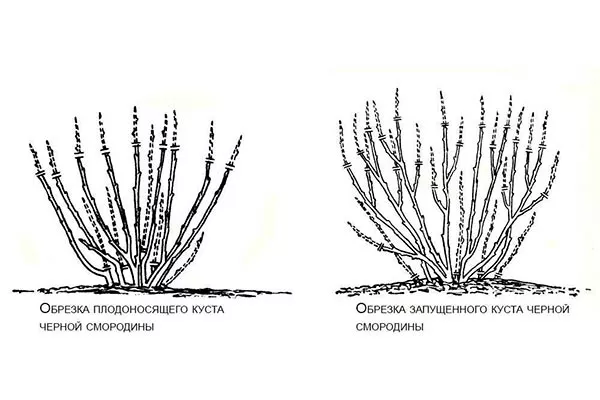
These procedures are performed annually after the leaves have fallen. Additional pruning may be performed before the growing season begins to remove damaged branches that have frozen or broken during the winter.
Wintering
To provide the plant with protection from winter frosts, you should follow a few basic steps:
- Carefully bend the bush down to the ground and secure its branches with a weight, such as a brick or tile.
- Complete the procedure by applying a layer of agrofibre to the plant for additional insulation.
Pest and disease control
The Orlovsky Waltz is characterized by good resistance to diseases and pests, but if not properly cared for, the plants are susceptible to the following diseases and harmful insects:
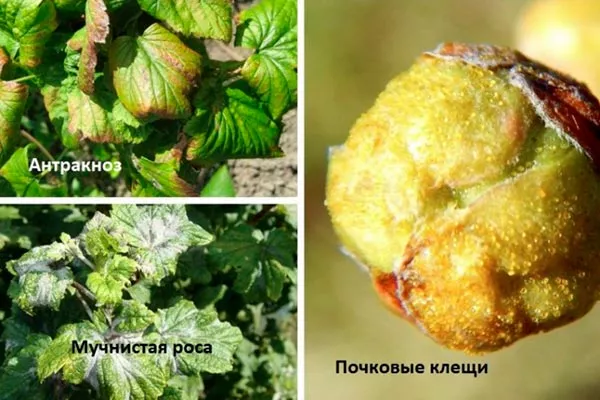
- Septoria - A fungal infection that most often occurs under conditions of excessive humidity, insufficient light, and dense planting. This disease causes small brown spots on the leaves, which enlarge and fade over time.
When the first symptoms are detected, the affected parts of the bush are removed and the plant is treated with a 1% solution of Bordeaux mixture. To prevent the disease, annual pruning, loosening the soil between rows, and promptly removing plant debris are necessary. - Anthracnose – Leaf blades become covered with small red spots that enlarge, darken, and swell. To prevent this, apply two treatments with a 1% Bordeaux mixture solution: before the spring sap flow begins and in the fall after harvest.
- Columnar rust – The leaf blades are affected by small orange-colored spots. Without treatment, the foliage curls, dries out, and falls off.
To control the disease, the bush is treated with fungicides or 1% Bordeaux mixture three times during the season: before the leaves bloom, during budding, and after flowering. - Terry disease - This is an infectious disease for which there is no cure. As a result of the virus infection, plant leaves become elongated and spiky, while flowers become deformed and unable to bear fruit. At the first sign of symptoms, affected plants are dug up and destroyed by burning.
- Currant aphid – Its appearance is noticeable by the curling of the leaves and the appearance of blisters on their surface. As a preventative measure, currant bushes are washed with boiling water in early spring.
If a pest is detected, plants are treated with broad-spectrum insecticides or folk remedies are used.
Pros and cons
This blackcurrant variety has a wide range of advantages – the crop is characterized by:
Reviews
Orlovsky Vals is a highly productive blackcurrant variety that thrives in a variety of climates, from northern to southern regions. It is frost-resistant and undemanding. With basic farming practices and regular pruning, you can expect a bountiful harvest of berries that are also rich in nutritional value.