
Orlovskaya Serenada is a blackcurrant variety that combines good productivity, excellent flavor, and low maintenance. Its frost and disease resistance make it ideal for growing in a variety of climates. The berries are versatile – suitable for fresh consumption and preserves.
Historical data
Created by breeders T.P. Ogoltsova, S.D. Knyazev, and L.V. Bayanov. Breeding work was conducted at the All-Russian Research Institute of Fruit Crop Selection, and it was obtained by crossing the Minai Shmyrev and Ershistaya varieties. In 1998, after successful testing, it was included in the register of breeding results.
Serenade Orlovskaya is recommended for cultivation in most areas of the Central District, including:
- Black Earth Region;
- Volga-Vyatka region;
- Volga region;
- Sredny Lane (Moscow Region) and other areas.
In the Urals, Siberia and the Far East, the shoots of this variety may freeze.
Appearance of the bush and description of the berries
The plant is medium-sized, with a moderately spreading crown of medium density. Distinguishing characteristics:
- Escapes – Medium-length, glossy, pubescent, and colorless. Woody branches are grayish-brown in color, with small internodes.
- Leaves - five-lobed, large, shiny, flat and wide, with slight corrugation and wrinkling.
- Flowers – bright and large.
- Brush – short, green, loose.
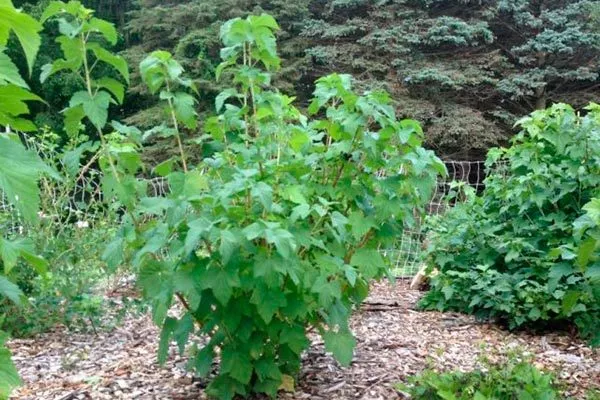
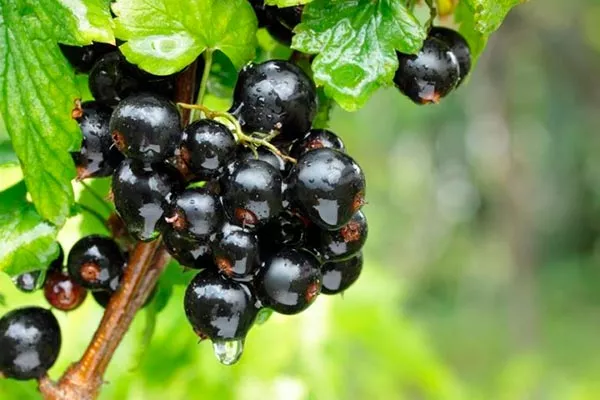
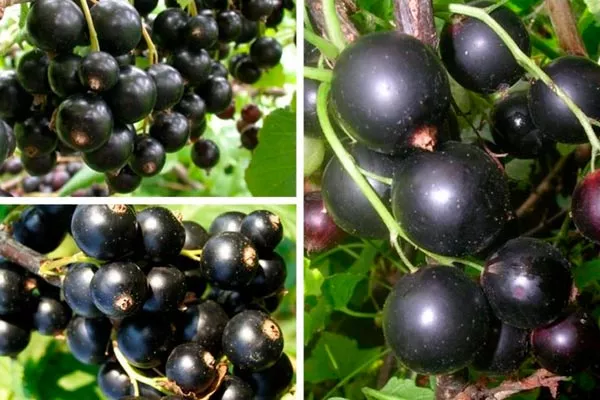
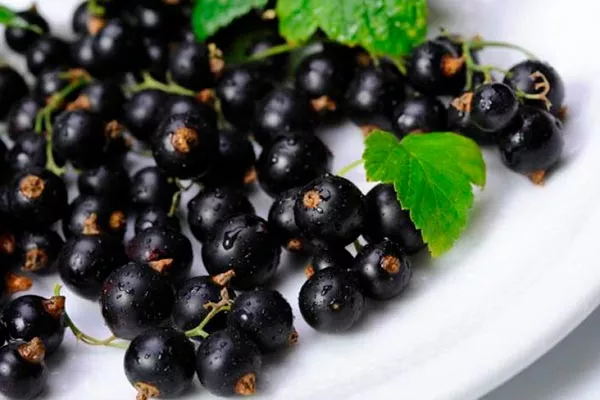
The fruits are quite large, weighing about 1.9 g, round-oval, and black. The skin is firm and elastic. The flavor is sweet and sour, with a delicate currant aroma. The berries peel easily. The tasting score for the fruits is 4.5 points.
Characteristics
The Orlovskaya Serenada currant is an easy-to-grow variety that has gained popularity among gardeners in our country thanks to its many advantages. With proper care, this bush produces abundant harvests.
Drought resistance, frost resistance
The crop successfully withstands frosts down to -30°C, so it doesn't require winter shelter. Currants are moderately drought-resistant. For full growth and fruit production, the bushes require regular watering, especially during flowering and berry formation.
In prolonged periods without rain, plants may slow growth and reduce productivity, so during dry weather, it's important to provide sufficient moisture—up to 30-40 liters per plant. Mulching the area around the trunk will help retain moisture in the soil, reducing heat stress.
Variety yield, ripening time, fruiting
The Orlovskaya Serenade is a mid-season variety. The fruit is harvested in the second half of July or at the end of the month. The bushes are noted for their early fruiting, with the first berries being produced as early as the year of planting, especially if the harvest was held in the spring.
Fruiting is spread out, allowing for leisurely harvesting for preserves. Productivity is average: up to 1.1 kg of aromatic and delicious fruit can be harvested from one plant, and up to 8.7 tons from one hectare.
Applications in cooking and medicinal purposes
The crop is widely used in cooking due to its excellent taste and aroma. The berries are versatile:
- Conservation. They are used to make jams, jellies, and compotes. The fruits keep well in lightly salted preserves or in sugar syrup.
- Drinks. Juices, fruit drinks, and beverages are made with the addition of mint or other berries. This variety makes a delicious homemade wine.
- Bakery. Add to pies, cupcakes, muffins, biscuits and other desserts.
- Culinary sauces. Used to make sauces and marinades, especially for meat, poultry and fish.
Currants not only have excellent taste, but also beneficial properties that have found application in folk medicine:
- Rich in vitamin C, which helps strengthen the immune system and fight colds.
- It is used to treat colds, flu and other infections, as it has antiseptic and anti-inflammatory properties.
- Effective for digestive problems, as it helps improve metabolism and normalize intestinal function.
- Contains anthocyanins, which have antioxidant properties and help slow down the aging process of cells.
- Due to its high content of vitamins and minerals, it is very useful for strengthening blood vessels and maintaining normal blood pressure levels.
The berries are eaten fresh or used to make decoctions, infusions and teas to treat various illnesses.
Location and soil requirements, self-fertility
Orlovskaya Serenade grows and thrives in light, fertile soils. It produces less fruit in acidic, clayey, and heavy soils. Its best growing conditions are open, well-lit, sunny areas.
It is a self-fertile variety, with a self-pollination rate of 68%. This ensures a good harvest even in the absence of other currant varieties nearby.
Methods of reproduction
The Orlovskaya Serenada blackcurrant can be propagated using several methods, allowing you to increase the number of seedlings in your garden without resorting to nurseries. Common methods include:
- Cuttings. Select a healthy, strong bush. In June, cut off several strong young shoots and remove the lower foliage. Root the cuttings in light, loose soil or directly in water. Transplant them to their permanent location the following season, and place the seedlings in a cool room or greenhouse for the winter.
- Layers. Bend the lower shoot down and place it in the trench, securing it in place. Water generously throughout the summer. In the fall or spring, cut the shoot from the mother plant and plant it in its permanent location.
- Division of rhizome. Dig up a mature bush and cut it into several pieces using a sharp tool, ensuring the root system is intact. Treat the divided pieces with fungicides or wood ash to prevent disease. Plant them in pre-prepared planting holes.
- ✓ The optimal length of the cuttings should be at least 15-20 cm.
- ✓ The water temperature for rooting should be maintained at 20-22°C.
Each method has its advantages and disadvantages. Cuttings are the most popular method of propagation. Choose the option that best suits you.
Landing
The Orlovskaya Serenada currant is renowned for its undemanding nature and resistance to various weather conditions. However, to ensure optimal plant growth and a good harvest, it's important to consider several key aspects when growing the crop.
Selecting a location and timing of planting
Choose sunny areas with good air circulation. It's important to choose a location that receives good daylight.
Follow these recommendations:
- Avoid beds where water stagnates, as this can lead to root rot.
- The soil should be light, fertile, and neutral in pH. Currants will not thrive and produce fruit well in acidic or heavy soils.
- The best time for planting is spring (April-May) or fall (September-October). Spring planting allows the seedlings to establish roots before the hot summer, and fall planting allows them to prepare for winter.
When planting in autumn, it is important to complete the work 2-3 weeks before the onset of frost, so that the planting material has time to adapt.
Site preparation
Before planting, carefully cultivate the bed. Helpful tips:
- Plow or dig the soil thoroughly to a depth of 20-25 cm, removing all weeds and remains of old plants.
- If the soil is poor, add organic fertilizers such as compost or humus (5-7 kg per square meter). Consider the soil's acidity: if it's high, add lime or wood ash to neutralize it.
Currants don't tolerate stagnant water in the roots, so choose a site with good drainage. If the bed is very humid, create raised beds or use special drainage systems.
Selection of seedlings and treatment before planting
Pay attention to the age and health of the plants. Choose one- or two-year-old seedlings with a good root system, free from damage and signs of disease. The roots should be moist and not dry, and the stems should be straight, without damage or signs of rot.
- ✓ The root system must have at least 3-5 main roots with a length of 15 cm.
- ✓ The seedling should not show signs of fungal diseases: spots, plaque, rot.
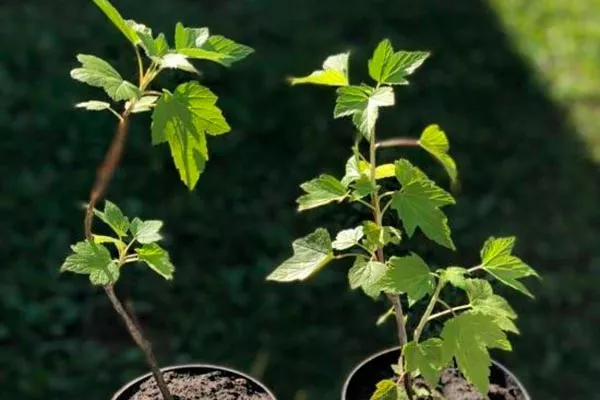
Before planting, soak the bushes in water for several hours or treat them with a growth stimulant solution (such as Kornevin) to speed up the rooting process. If the seedlings are bare-root, trim the roots back to healthy tissue to stimulate new root growth.
Planting instructions
Dig a hole 40-50 cm deep and wide. Place a drainage layer (gravel or coarse sand) at the bottom to prevent waterlogging. Add organic fertilizer (compost, humus) and mineral fertilizers (superphosphate and potassium salts). This will provide the plants with the necessary nutrients during the initial growth stage.
Step-by-step algorithm:
- Place the seedling in the hole so that the root collar (the junction of the root and stem) is at soil level or slightly higher.
- Spread the roots out so they aren't bent and fill the hole with soil. Firm the soil around the hole to avoid air pockets.
- Generously moisten the bush with warm water (10-20 liters). This will help strengthen the roots and ensure good rooting.
- To retain moisture and prevent weed growth, mulch the tree trunk circle with a thick layer (5-7 cm) of mulch (grass, sawdust, humus).
After planting, water the seedlings regularly and monitor their condition during the first few months. Be sure to prune all weak and damaged shoots so the plant can focus its energy on growing healthy branches.
Aftercare
In spring, remove weeds and loosen the soil to improve air access to the roots. The Orlovskaya Serenade currant requires regular watering, especially in dry and hot weather. In such conditions, pour 3-4 buckets of water under each mature bush.
After watering, mulch the tree trunk area with humus, nutrient-rich soil, or peat. For a more effective mulch, add the following ingredients to each bucket of mulch:
- 40 g of nitrophoska or superphosphate with potassium sulfate – for fertilization;
- 20 g of wood ash or 40 g of chalk – to neutralize soil acidity;
- 20 g of dry mustard with a heap – to prevent the appearance of pests.
One bush will require approximately 30 kg of mulch. To increase yield and improve the quality of the berries, feed the plant with potato peelings during flowering. To do this, place them in the root zone and cover with mulch.
Start forming the crown in the spring:
- Remove weak, damaged and broken shoots so that the bush does not become too dense.
- After harvesting the berries, perform a summer pruning, removing 2-3-year-old branches. This will help concentrate the plant's energy on young shoots that will produce a good harvest next season. Make cuts above a strong, outward-facing bud.
In the fall, provide moisture-replenishing water to help the seedlings accumulate moisture for a successful winter. Mulch the area around the trunk. If using hay for cover, apply rodent repellent underneath to keep the shoots safe.
Pests and diseases
With proper care, Orlovskaya Serenada currant bushes can successfully grow and bear fruit in the same location for 15-17 years. However, to maintain their health and protect them from disease, regularly carry out preventative measures, especially in the spring and fall, after leaf fall.
Most often, currants are susceptible to diseases such as:
- anthracnose (brown spot);
- septoria (white spot);
- powdery mildew.
To prevent disease, spray the bushes with copper-containing fungicides such as Amigo Peak or Bordeaux mixture in the spring before flowering. Subsequently, apply the treatment 3-4 more times per season using modern products:
- Fast;
- Ridomil Gold;
- Fitosporin;
- Previkur.
To protect crops from pests, use fungicides. Biologically based products, such as Fitoverm, are the safest for plants and the environment.
Pros and cons
To avoid possible difficulties when cultivating a crop, it is important to carefully study its features, advantages and disadvantages.
Advantages of the Orlov Serenade:
Gardeners note the only drawback of this variety: its extended fruiting period. The berries ripen gradually, making it difficult to harvest all at once.
Reviews
Orlovskaya Serenada is a good choice for gardeners who value high-quality varieties and minimal labor. This variety boasts delicious fruit, frost and disease resistance, and a marketable appearance. Even beginners can easily grow and care for it, as it requires little attention and care.