
Oriana currant is a promising variety with good productivity and high resistance to disease and frost. The bushes are robust and do not collapse under the weight of the berries. The fruits are large, sweet with a pleasant tartness, and contain vitamins and essential oils. Early fruiting and uniform ripening make this variety easy to harvest and process.
Description of the variety
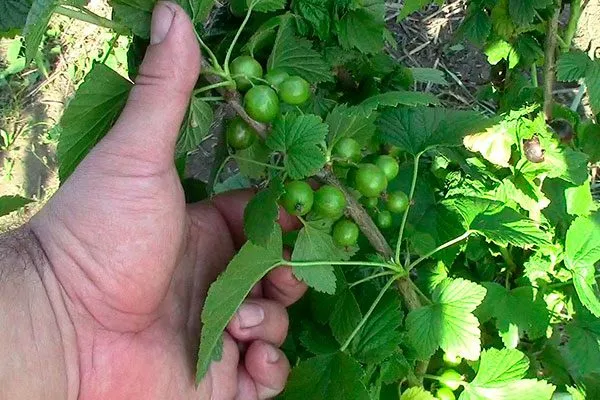
Oriana is a modern blackcurrant variety, the result of a complex cross between the Zagadka, Sanyuta, Pamyati Vavilova, and Titania varieties. Distinguishing characteristics of this cultivar include:
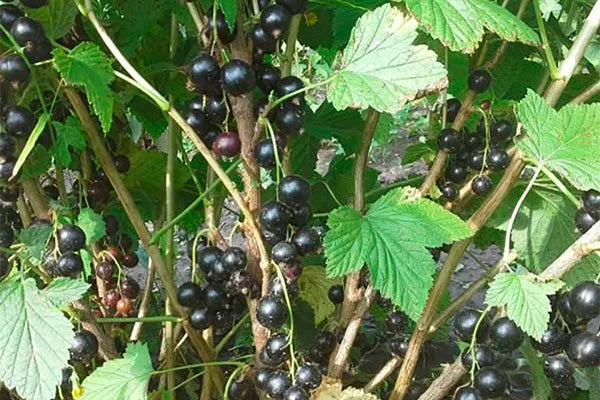
- bush – powerful, pyramidal in shape, with strong branches that are not prone to lodging even with a bountiful harvest;
- inflorescences – collected in long brushes;
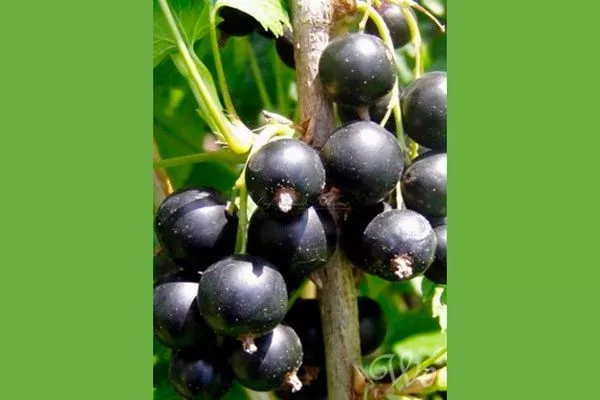
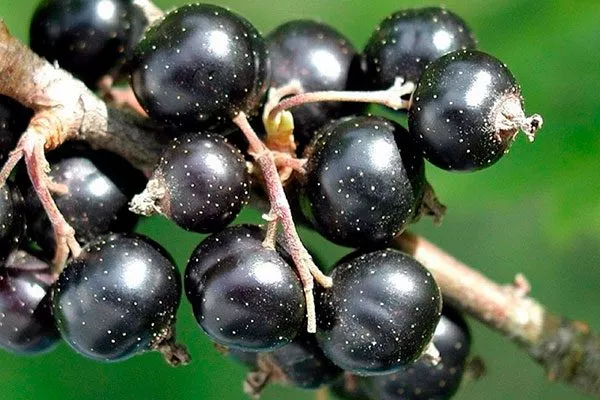
- fruits – painted in rich black color;
- weight - varies from 2.5 to 3.5 g;
- taste - sweet with a slight sourness;
- aroma – pronounced, which is due to the high content of essential oils.
Characteristics of berries
Oriana currants tolerate sudden cold snaps and require no cover once well established. They are resistant to most diseases and pests, making plant care less labor-intensive. The bush begins bearing fruit early and produces berries that ripen evenly, making harvesting convenient.
Main features and characteristics:
- In the first year after planting, young Oriana seedlings require protection from strong winds – for this purpose, use temporary shelters.
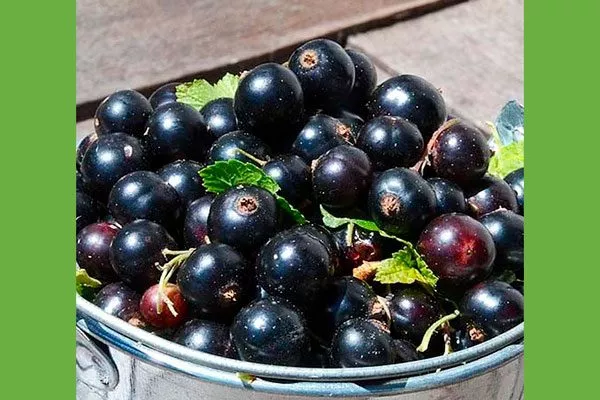
- With proper care, the bush is capable of bearing fruit reliably for 12-15 years, producing up to 4-5 kg of berries annually.

- This variety is suitable for both single plantings and hedges. Its high yield combined with its decorative shape makes Oriana popular among both gardeners and commercial gardeners.
- Thanks to its pyramidal shape and dense foliage, the bush maintains its decorative appeal throughout the season. Flowering begins in May and June, when the plant is covered in small yellowish-green flowers that attract bees and facilitate pollination of other garden crops.
Growing and care
The Oriana variety thrives in a sunny or partially shaded location, protected from cold winds. The soil should be fertile, loose, and slightly acidic (pH 5.5-6.5).
The best time for planting is early spring (before bud break) or autumn (September-early October), so that the bush has time to take root before frost.
Step-by-step instructions:
- Two to three weeks before planting, dig the soil to a depth of 30-40 cm, remove weeds, and add 6-8 kg of humus, 50 g of superphosphate, and 30 g of potassium sulfate per square meter. Lime the soil if necessary.
- Dig a hole measuring 40×40×40 cm. Add drainage (crushed stone or gravel) to the bottom and some of the fertile mixture of excavated soil and fertilizer to the top.
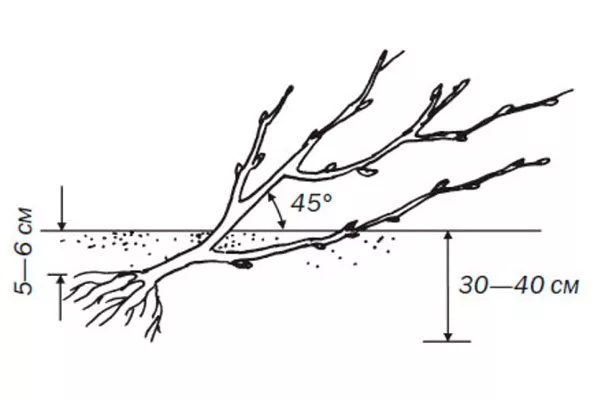
- Place the seedling at a 45° angle to the surface to encourage additional shoots. The root collar should be buried 5-7 cm deep.
- Fill the hole with soil, compact it lightly, then thoroughly moisten with 10-20 liters of water. After the moisture has been absorbed, mulch the area around the tree trunk with peat, humus, or dry soil.
- Prune all shoots, leaving 3-4 buds above the soil level. This will help the plant root faster and form a strong bush.
Oriana currants are easy to grow, but regular and proper care is essential for a stable and high yield. Follow standard agricultural practices:
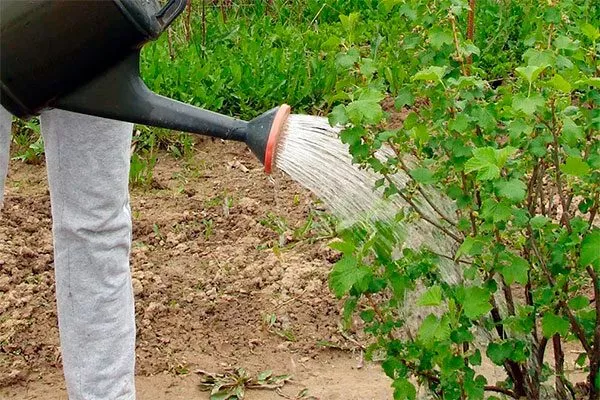
- Watering. The plant especially needs moisture during flowering, berry formation, and ripening (May-July). Water the bushes every 7-10 days, applying 30-40 liters of water per bush. During dry weather, increase watering to twice a week.
The water should be warm and settled. Pour it into the furrows around the bush, avoiding drips on the leaves.
- Top dressing. The plant responds generously to fertilizer, so proper nutrition is essential for abundant fruiting and proper development. Fertilizing schedule:
- early spring – add nitrogen substances (for example, urea - 40 g per bush) to stimulate growth;
- during the period of fruit setting – Feed with a complex mineral solution (nitrophoska - 70 g per 1 sq. m).
- after harvesting – use phosphorus-potassium compounds (superphosphate – 50 g, potassium sulfate – 30 g per bush);
- in autumn – Add humus or compost (10 kg under each bush) to restore soil fertility.
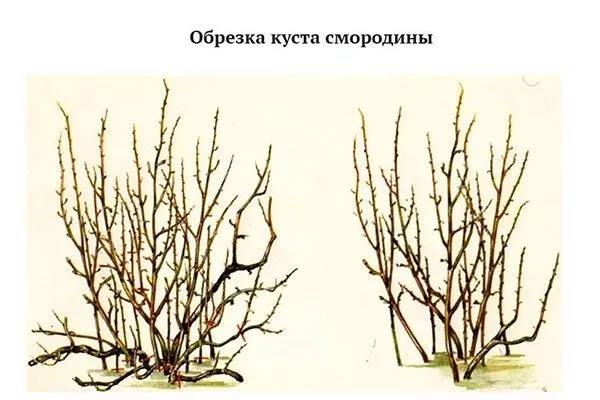
- Trimming. In September and October, perform sanitary and formative pruning: remove weak, damaged, and crowded branches. Leave 3-5 strong shoots of each age.
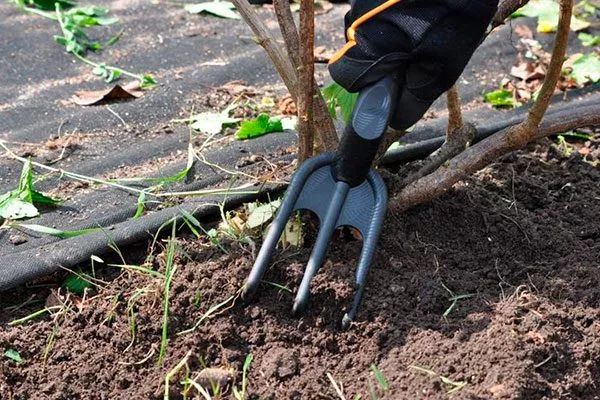
From the 4th year of life, annually cut out the oldest (6-7 year old) branches at the base to stimulate the growth of young ones. - Weeding and loosening. Regularly remove weeds from the tree trunk area. Loosen the soil to a depth of 5-8 cm after watering or rain to prevent crusting. Mulching (sawdust, straw, or compost) helps retain moisture and suppress weed growth.
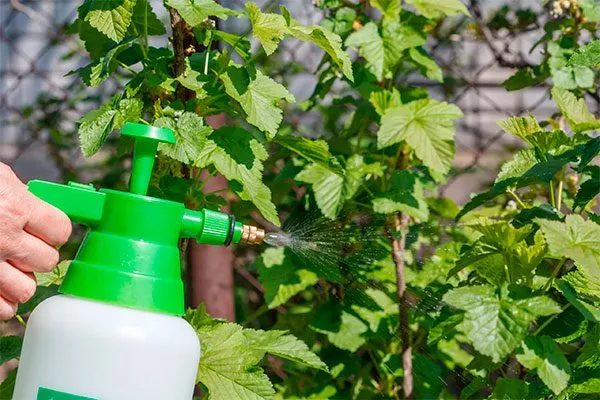
- Protection from diseases and pests. Although this variety is resistant to most diseases, as a preventative measure, soak the bushes in boiling water (80-85°C) in the spring before the buds open. Periodically spray with an infusion of onion peels or garlic. In the fall, remove fallen leaves and loosen the soil.
Reviews
Oriana is a currant characterized by its decorative qualities, ease of care, and excellent berry flavor. Its resistance to drought, pests, and frost makes it easy to grow. Its vigorous bushes and abundant harvest make it suitable for both garden plots and private farms.