
The "Obyknovennoye Chudo" currant is a variety that combines excellent taste, frost resistance, and ease of care. It adapts to a variety of climates and is a reliable choice for gardeners—both novice and experienced. With simple gardening recommendations, it will reward you with a bountiful harvest.
Plant characteristics
This variety was developed by Novosibirsk breeders in the late 20th century. Since then, it has rapidly gained popularity throughout Russia and beyond. It is distinguished by its high frost resistance, large berries, and excellent taste.
Bush
The plant is compact, with straight branches, reaching a height of 2 meters. It has a powerful root system, developing both deep and wide. Young shoots are colored yellow and gray, and with age they become bright green on the outside and white on the inside.
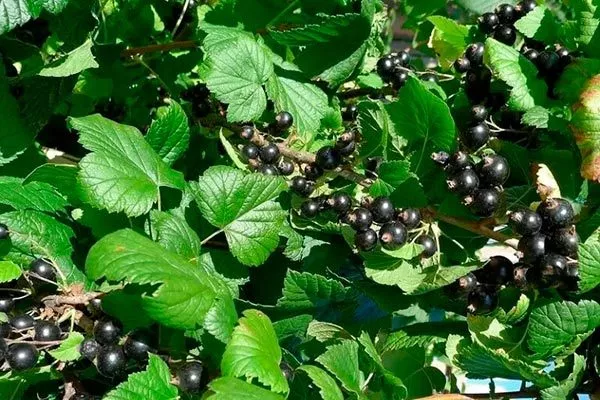
The leaves are rich green, smooth and shiny on one side and rough, pubescent, and veined on the other. The leaf blade is divided into 3-5 lobes. The buds are oval and brown. The flowers are pale yellow, borne in clusters of 13, reaching 11 cm in length.
Berries
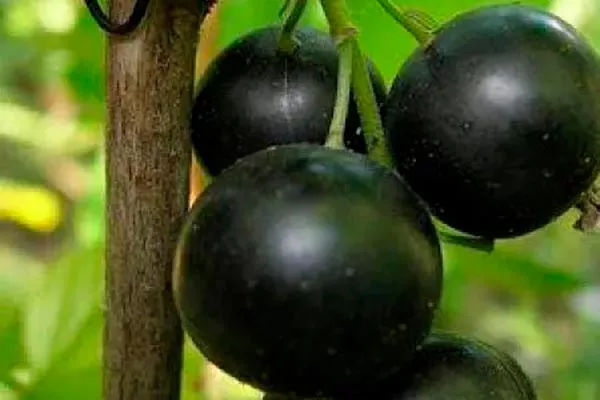
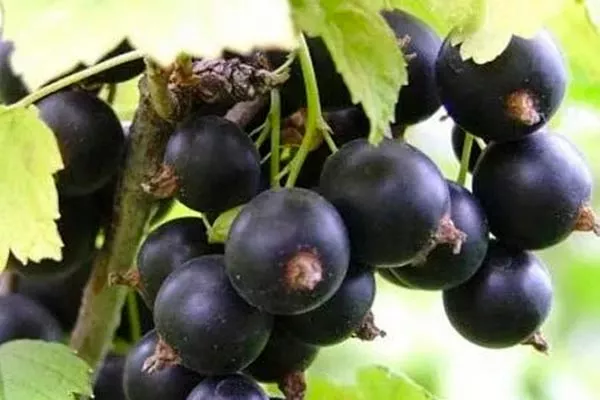
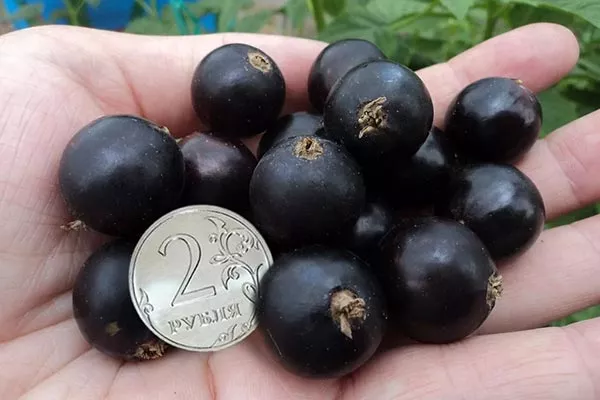
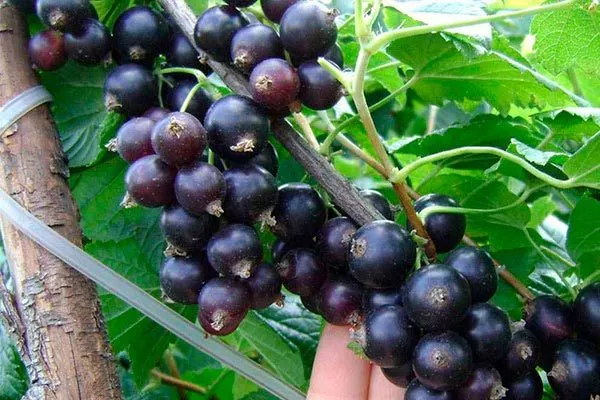
The fruits are large, each weighing between 1.5 and 2 grams, and reaching 2 cm in diameter. The skin is black, glossy, and coated with a waxy coating. The flesh is amber, dense, and juicy, with a distinctly sweet, sugary flavor and a rich aroma.
Useful properties and applications of currants
The Ordinary Miracle currant is rich in vitamins and minerals. Fruit characteristics:
- Contains vitamin C, rutin (P), which promotes its absorption.
- Vitamins A and B, folic acid, iron, potassium, magnesium and calcium are necessary for the normal functioning of the heart and nervous system.
- Rich in pectin, essential oils and tannins, they have a beneficial effect on digestion.
- Blackcurrant leaves are also beneficial. They are brewed into a tea that helps with various ailments. They are also used in poultices, for example, to treat childhood diathesis.
Currants are a powerful antioxidant that helps remove radionuclides and toxic substances from the body. They have antipyretic and anti-inflammatory properties. The berries are rich in sugar and beneficial substances.
Immunity
Ordinary Miracle is characterized by a high level of resistance to diseases such as powdery mildew, septoria leaf spot, anthracnose, spheroteka, and leaf spot. This variety is rarely affected by aphids and bud mites.
Productivity and ripening time
This variety boasts good productivity: a single bush yields between 9 and 12 kg of fruit, depending on the region. The berries ripen in mid- to late-July, making it a mid-late variety.
Growing regions
The crop is successfully cultivated in the northern regions and central Russia. It grows well in all other areas of the country.
Self-fertility and the need for pollinators
This variety has a low self-pollination rate—only 40%. To ensure a good harvest, plant several currant bushes close together to ensure cross-pollination.
Landing
Currant seedlings are best planted in September. This allows the plants to establish roots before frost sets in, preventing premature bud break.
Sometimes spring planting is carried out, but in this case it is important to complete the work before the sap begins to flow.
Deadlines
Currant seedlings of this variety take root well when planted in the fall, in September. This will give the bush enough time to establish its root system before the onset of severe frost.
Selecting a seedling
Planting material must be of high quality. When choosing a bush, consider the following characteristics:
- a developed rhizome of a light brown color, the length of which should be at least 15 cm;
- the presence of multiple branches and a main root;
- There are no dry buds, damage to shoots, spots or extra growths on the above-ground part.
- ✓ Presence of live, not dried out buds on the shoots.
- ✓ Absence of mechanical damage and signs of disease on the bark.
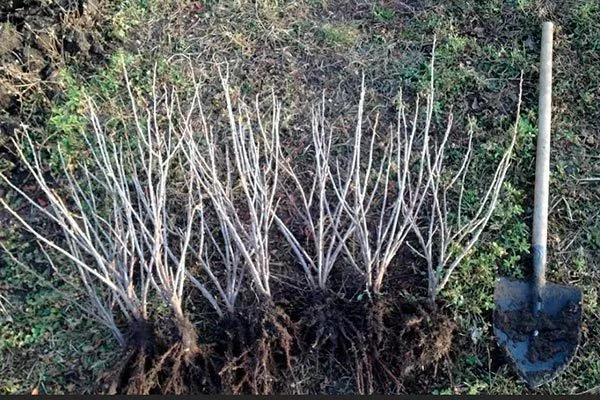
A well-developed seedling should be at least 40 cm tall for planting. Choose nurseries that maintain storage conditions that guarantee a high survival rate, even when shipped by mail.
Selecting a location and preparing the seedling
To ensure your currants thrive and produce a bountiful harvest, choose a suitable location. Follow these recommendations:
- Groundwater levels shouldn't be too close to the surface. If there's no such area, create a mound 35-40 cm high.
- Plant the seedling near fences, houses, or other structures that will protect it from strong gusts of wind.
- This is a sun-loving plant. To achieve high yields, it needs sufficient sunlight.
- The plant does not thrive in heavy clay or acidic soils. In the former case, add sand to the hole; in the latter, add dry lime.
Before planting, prepare the seedlings to stimulate growth and protect them from diseases. Prepare a solution of 5 liters of water and 20 ml of potassium permanganate. Soak the roots for 4 hours. Add 200 g of Kornevin, dilute it in 5 liters of water, and let it sit for 24 hours. If the seedling roots are too long, trim them by a third.
The landing process
Planting a seedling isn't particularly difficult, but it does require the right approach. Here's a step-by-step guide:
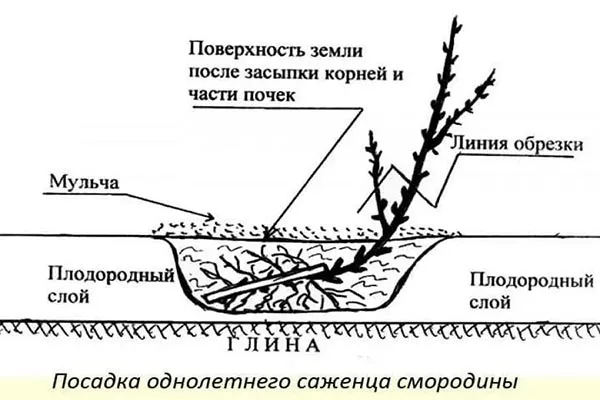
- Dig a hole 55 cm wide and 40 cm deep, then loosen the soil around it.
- Clear the soil removed from the hole from weeds and mix it with 5 kg of humus and 20 g of ash.
- Pour the mixture back into the hole and form a mound in the center of the depression.
- Place the seedling in the center, placing it on a mound, and carefully spread out the roots.
- Sprinkle with soil so that the root collar is covered by 3 cm.
- Firm the soil around the plant and water with 3 liters of water. Cover the exposed roots with soil.
- Mulch the soil with straw, sawdust or peat to retain moisture.
Since the self-pollination rate of the Ordinary Miracle variety is 40%, plant several bushes of varieties with similar flowering periods nearby to increase the yield.
Caring for currants
The common miracle is an unpretentious plant, but it still requires attention. By following simple agricultural practices, you can reap bountiful harvests.
Watering
Currants don't require frequent watering, but avoid waterlogging. Apply water so it penetrates well to a depth of about 40 cm. Insufficient moisture during berry formation can cause them to drop. Pour water at the base of the plant, and avoid overhead irrigation during flowering.
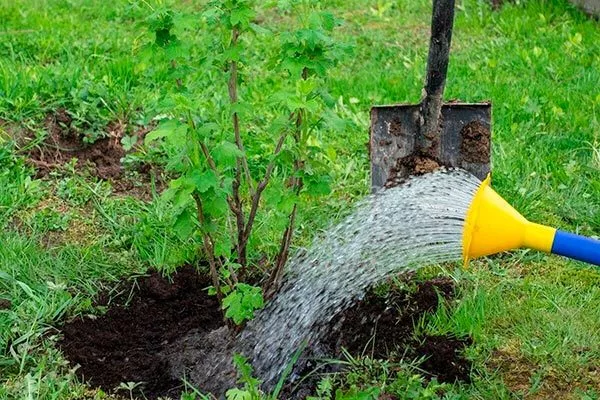
The frequency of watering depends on weather conditions: in dry weather, add 50 liters of water every two weeks to mature bushes, and in cool and humid summers, one watering per month is sufficient.
Mulching the soil helps reduce the need for frequent tilling. Use compost, peat, wood chips, or plant debris, and renew the mulch layer regularly. In regions with cold winters, even in the southern parts of the country, plants need to be covered, for example, with spruce branches or other suitable materials.
Pruning and shaping the bush
Proper currant cultivation requires about 18 fruiting shoots of varying ages. Each year, leave several new stems growing in different directions and remove older branches. Shoots can bear fruit for up to five years, after which they should be pruned to make room for new shoots.
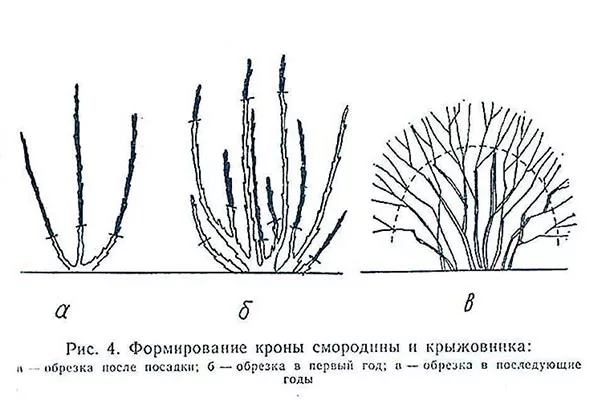
Pruning can be either formative or sanitary, involving the removal of old, damaged, diseased, or inward-growing branches. Pruning should be done during a quiet period: early spring or fall. In July, pinch the tips of young shoots to encourage the formation of replacement specimens.
Top dressing
Apply fertilizer three times a year. Follow the correct schedule:
- In the spring Use ammonium nitrate. To prepare, dissolve 400 g of ammonium nitrate in 10 liters of water. Pour 3-4 liters under each bush. This fertilizer promotes accelerated fruit set.
- In June Add compost – dissolve 600 g in 10 liters of warm water and apply 5 liters of the solution under each seedling. This improves the taste of the berries.
- In September Use Superphosphate - dilute 500 g in 10 liters of water and add 5 liters under the currants to help them successfully survive the winter.
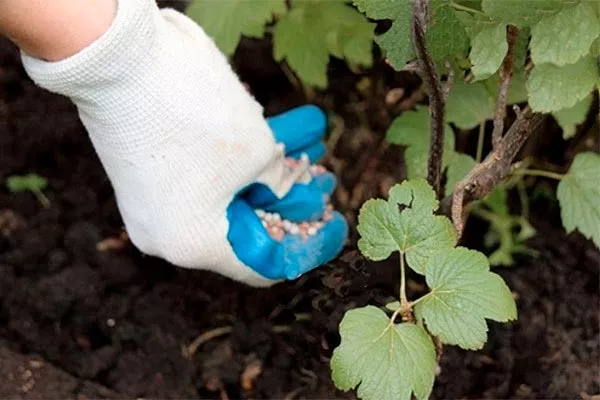
Before fertilizing, be sure to moisten the bushes to avoid burning the roots. Apply fertilizer early in the morning or at sunset, when the sun is not yet at its strongest.
Reproduction
You can grow new currant bushes yourself. To do this, use the most suitable method:
- Cuttings. Shorten young branches by 15 cm, then soak the cut portion in a Kornevin solution for a month to stimulate root formation. Once the cuttings have rooted, transplant them into larger flower pots where they will grow until spring. Plant the seedlings in open ground.
By layering. To do this, dig holes up to 10 cm deep near the strong, developed shoots of the mother plant. Place the shoots in these holes and cover them with soil, leaving the tops exposed.
Maintain regular watering, hilling, and organic fertilizing. In the fall, separate the rooted cuttings from the mother plant and replant.
Each of these methods has its advantages and disadvantages. Experienced gardeners most often propagate the plant by cuttings.
Preparing for winter
This process involves several important steps that will help plants survive the cold period and stay healthy. Follow these steps:
- In late fall, perform sanitary pruning. Remove all damaged, diseased, dry, or old shoots and stems growing inward. This will improve ventilation and prevent disease.
- In September, fertilize the plants with superphosphate (500 g per 10 liters of water). This will strengthen the root system and prepare the bush for winter. Moisten the soil the day before applying the fertilizer.
- Mulch currants with organic materials such as peat, wood chips, straw, or leaves. Mulch protects the roots from freezing and maintains soil moisture.
- In regions with harsh winters, cover the crop with spruce branches or other protective materials. This will help prevent damage from low temperatures and protect the plants from ice.
- A few weeks before the onset of frost, water the currants additionally so that the soil around the roots is well moistened.
Young seedlings and newly transplanted plants are particularly sensitive to cold, so be sure to cover them for the winter. Use non-woven materials or agrofibre to protect them from severe frosts and wind.
Prevention of diseases and pests
Although the "Obyknovennoye Chudo" variety has good disease resistance, preventative measures should not be ignored. Take the following steps:
- Scald the bush. Do this in early spring, before the buds begin to open, immediately after the snow melts. Bring the water to a boil and water from a watering can.

- Feed regularlyNutrient deficiencies can lead to disease, so timely fertilization is essential for maintaining plant health.
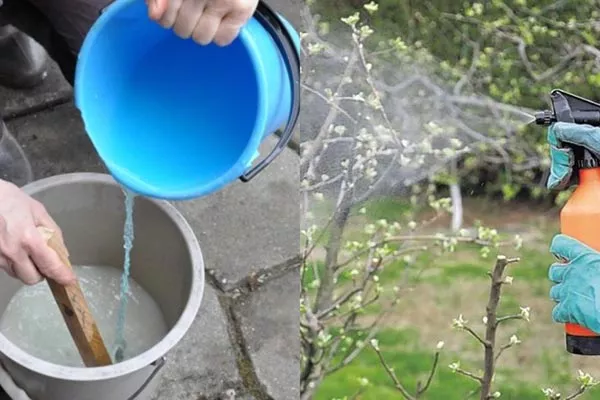
- Spray with copper sulfateIn spring, this remedy helps prevent the development of fungal and other diseases.
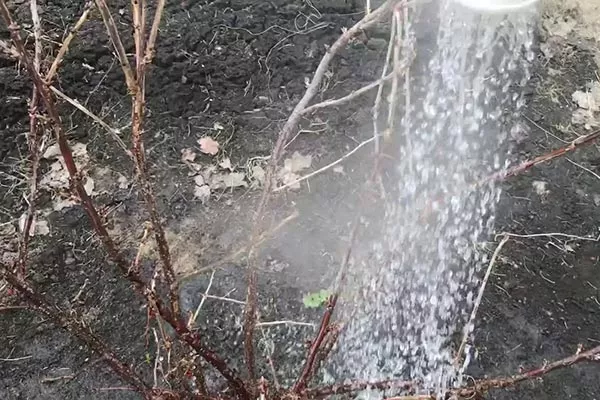
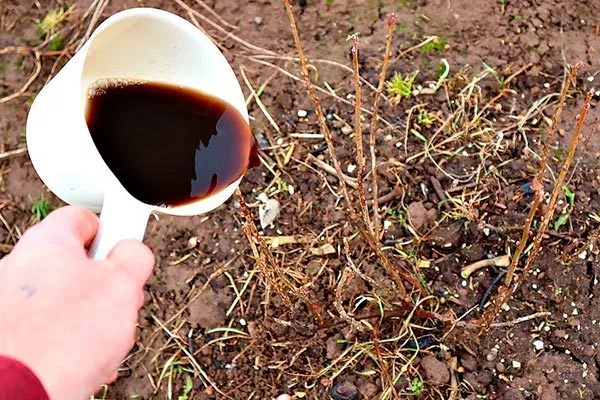
Removing dry, damaged and diseased branches is a necessary measure to protect the plant from infections.
Positive and negative qualities
This variety has many advantages and disadvantages that should be considered before planting a seedling in your garden. Advantages of this variety:
Some gardeners note the potential for berry cracking due to irregular watering and high temperatures as a drawback. Mature plants are too tall, and may not provide sufficient space in small plots. Only zoned seedlings are suitable for southern regions.
Reviews
The "Ordinary Miracle" currant is a true discovery for gardeners, especially those living in harsh climates. This variety is appealing for its ease of care, frost resistance, and disease resistance. It has many advantages, but also some drawbacks. The key is to provide proper care.