
The Nenaglyadnaya red currant is a relatively new domestic variety, ideal for beginner gardeners. It's easy to grow, productive, and requires little maintenance.
The history of the creation of the Beloved currant
The Nenaglyadnaya red currant was developed at the Institute of Fruit Growing of the National Academy of Sciences of Belarus by plant breeder A.G. Voluznev. The variety was obtained by crossing the Vishnevaya x (Chudesnaya + Gollandskaya Krasnaya) varieties.
The variety was bred in 1991, and was then added to the State Register of Breeding Achievements of Belarus. The Nenaglyadnaya currant was only added to the State Register of the Russian Federation in 2006. Specifically, the variety was approved for use in the Central Region.
Description of the variety
The Nenaglyadnaya currant bushes are medium-sized and gently spreading, with moderate branching. The shoots are straight, fairly thick, and have a medium anthocyanin coloration. The buds are oblong and medium-sized. The leaves are large, five-lobed, and dark green. They are leathery, matte, and have a moderately wrinkled surface.
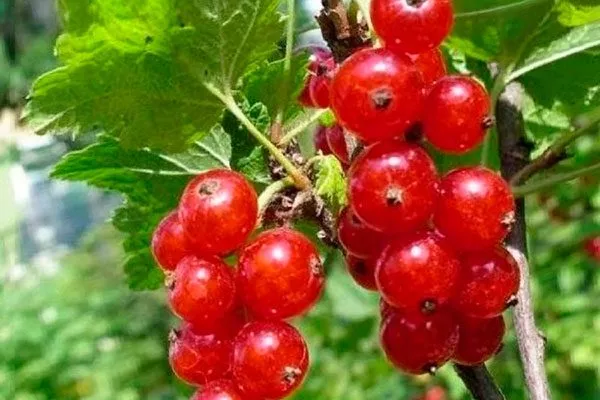
The leaf blades are straight, the margins are wavy, and the edges are serrated. The petioles are medium-length and reddish. The flowers are medium-sized, yellowish-green, saucer-shaped, with sepals curved downward and covered with red stripes. The racemes are dense and arched.
The berries of the Nenaglyadnaya currant are uniform in size, with an average number of seeds.
Brief description of berries:
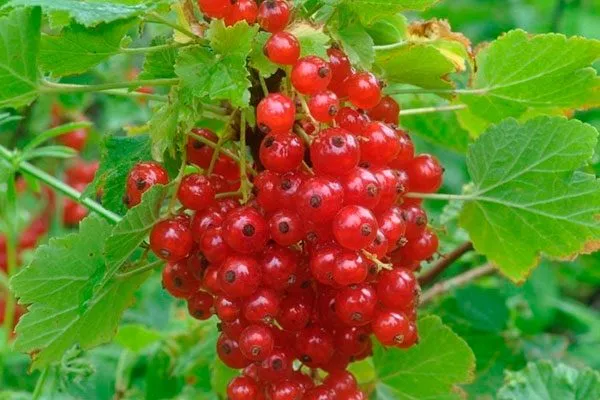
- Colour: bright red.
- Shape: round.
- Size: medium.
- Weight: 0.6-0.8 g.
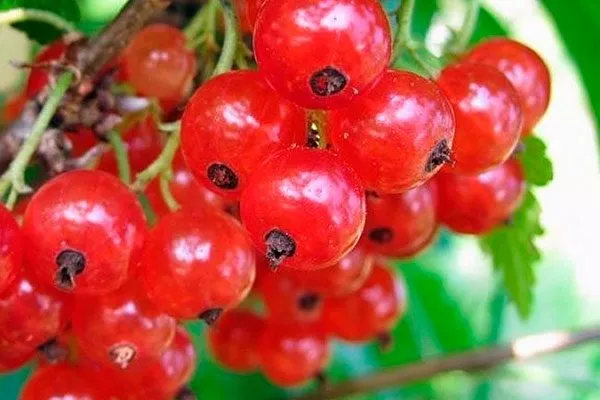
The berries are gathered in beautiful, vibrant clusters. Their skin is thin, smooth, and glossy. Each cluster is 7.5 cm long, with about 20 or more berries in each cluster.
Taste and purpose of fruits
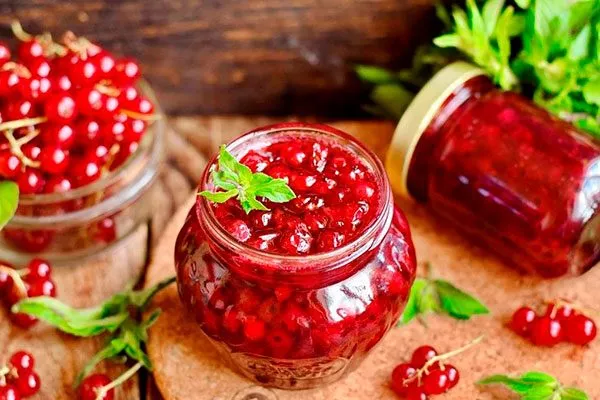
The berries have a pleasant, sweet and sour flavor. Tasters rate it at 4.8 points. The berries are versatile: they are used to make desserts, jam, juices, and as a preservative in pickling vegetables. They are delicious fresh and processed; they can also be frozen.
Chemical composition of berries:
- soluble solids - 15.4%;
- sugars - 6%;
- titratable acidity - 2.6%;
- vitamin C - 30.2 mg/100 g.
Characteristics
The Nenaglyadnaya currant not only boasts remarkable taste but also excellent agronomic characteristics, making it possible to successfully grow this Belarusian variety in the Moscow region.
Ripening time
The Nenaglyadnaya red currant is a mid-season variety. The bushes bloom in the first half of May, and in the Central region, where it is recommended for cultivation, the berries ripen around mid-July. The exact ripening time varies depending on weather conditions.
Productivity
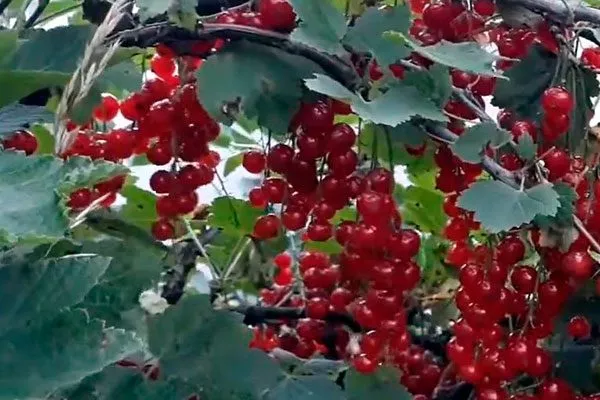
The Nenaglyadnaya currant is a high-yielding variety. The first couple of years, the bush produces 3 kg of berries, and after five years, 9-10 kg. When grown commercially, the variety yields approximately 11 tons per hectare. Nenaglyadnaya currant bushes bear fruit for about 25 years.
Frost and drought resistance
This variety is moderately frost-resistant, with bushes able to withstand temperatures down to -25°C. In temperate climates, it can overwinter without cover. Where winter temperatures drop below the critical threshold for the variety, plants need to be insulated.
The Nenaglyadnaya currant is quite demanding in terms of watering and tolerates short-term droughts relatively well. However, severe and prolonged droughts combined with heat can cause the bush to suffer, so during such periods it requires additional watering.
Self-fertility
The variety is partially self-fertile and capable of bearing fruit without additional pollination. More than 50% of the ovaries are formed without external pollination. The flowering bushes are very attractive to bees and other honey-producing insects.
To increase the yield of the Nenaglyadnaya variety, it is recommended to plant other currants a short distance away. Suitable varieties include Sakharnaya, Gollandskaya Krasnaya, and Ionkhirvan Tets.
Immunity to diseases
The variety has high immunity to powdery mildew, the most common disease affecting fruit and berry crops. However, its resistance to anthracnose is average and to leaf spot (septoria) is low.
Pros and cons
The Belarusian currant "Nenaglyadnaya" is popular among amateur gardeners and summer residents for good reason. It combines a whole host of positive qualities that fans of this remarkable crop simply cannot fail to appreciate.
Planting currants
The growth and development of the bush, as well as its fruiting, depend on proper planting. It's important to choose the right location and provide the red currant with the most favorable growing conditions.
- ✓ Soil pH should be between 6.0-6.5 for optimal growth.
- ✓ The groundwater depth must be at least 1.5 m to prevent root rot.
Selecting a site
Choose a well-lit or slightly shaded site for planting, facing south or southwest, and well protected from drafts. Gooseberry bushes are the best neighbors for red currants, but black currants should not be planted near them.
Selection of seedlings
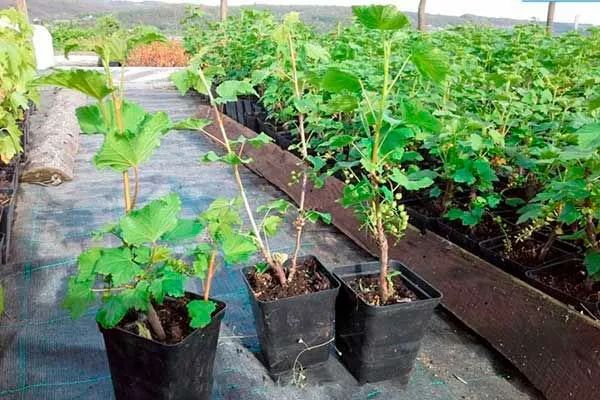
For planting, it's recommended to select two-year-old seedlings, as their root system is already well-developed and they take root faster and better than older counterparts. They should have at least three main roots and large, light-brown buds.
- Test the soil for pH 2 weeks before planting.
- Add corrective additives (lime or sulfur) depending on the test results.
- A week before planting, add organic fertilizer and dig the soil to a depth of 30 cm.
Soil preparation
The soil in the area where red currants are to be planted is prepared in advance. This usually begins in the fall, but can be done up to a month before planting. The soil is dug deeply, removing any stones, perennial weed roots, and other plant debris.
Organic fertilizers, such as rotted manure or compost, are added during digging at a rate of 5-6 kg per square meter, along with 30 g of potassium sulfate. In acidic soils, slaked lime, dolomite flour, or wood ash are added.
Planting hole
Planting holes are prepared in advance. They should be left to stand for a while before planting the seedlings, allowing the soil to settle and the fertilizers to dissolve.
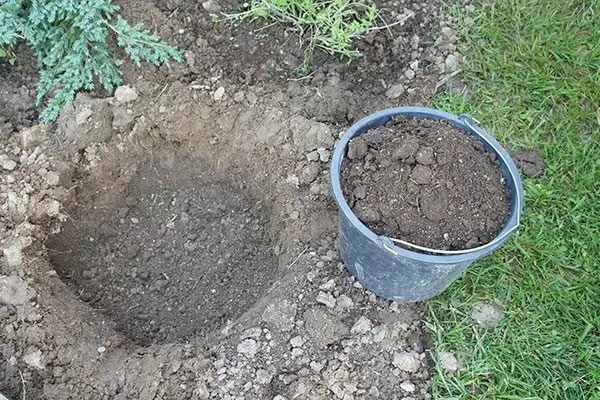
Features of preparing a hole for planting currants:
- The hole should be large enough to accommodate the seedling's root system. Its roots should not bend upward or sideways.
- Optimal dimensions of the planting hole: 30x30 cm.
- Add branches and wood chips to the bottom of the hole, then dig soil. Top with 0.5 kg of dolomite flour or 1 liter of wood ash. Add 30-50 g of potassium fertilizer (chlorine-free).
- When the hole is 3/4 full, compost is added to it and the previously poured layers are compacted, watering them with water.
There are many options for preparing planting holes for currants. You can fill them with a mixture made from 20 liters of compost or humus. Add 100 g of phosphates, 60 g of potassium sulfate, and 500 g of wood ash. Top the soil mixture with a thin layer of sifted soil and water thoroughly. This method of preparing the holes allows you to plant currants within a couple of days.
Planting seedlings
Currants are planted when the soil warms to 7–9°C at a depth of 20 cm. In the central regions, planting time is late April–early May. It's important not to delay planting, as currant leaves emerge very early.
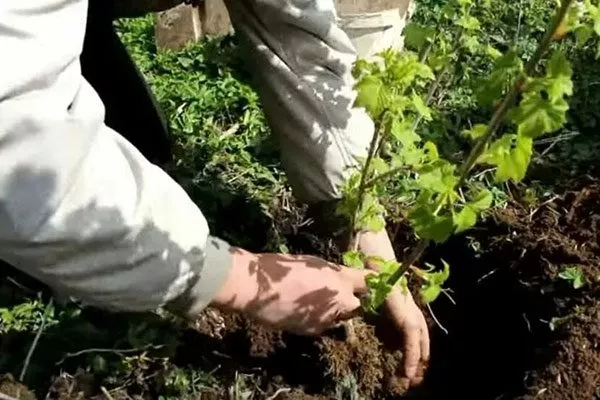
Landing features:
- A couple of hours before transplanting, soak the seedling's roots in water. It's a good idea to add a growth stimulant, such as Kornevin. Trim off any dry or broken roots.
- The soil mixture previously poured into the hole is raked to form a small mound. The seedling's roots are placed on it, and the roots are carefully spread out along the slopes of the mound.
- The stem is tilted slightly to the side, and the roots are covered with fertile soil. After planting, the first three buds of the seedling should be in the ground.
- The planted currants are watered generously with warm, settled water.
- The top of the seedling is trimmed with sharp, disinfected pruning shears. A stem with four buds should remain above ground level.
Care instructions
The Nenaglyadnaya currant is unpretentious and doesn't require meticulous care from gardeners, but to obtain a bountiful and high-quality harvest, the bushes need at least minimal care. It's important to water and feed them regularly, and regular pruning is also essential.
Features of watering
Immediately after planting, the seedling is watered every 3-4 days for 3 weeks. This watering schedule helps the young currants take root faster.
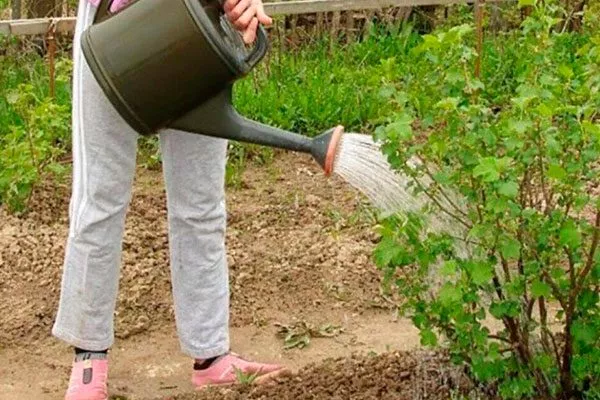
The variety requires moderate watering, which becomes more frequent during extreme heat. It's important to prevent the soil from drying out or becoming waterlogged. If the heat persists for a long time, water the currants even during the fruit ripening period.
Top dressing
Red currants are fertilized at least three times per season. In the spring, urea is applied at a rate of 25 g per bush. In May, when flowering begins, the bushes are watered with a diluted mullein (100 g of manure per 1 liter of water).
Loosening and weeding
The soil around the tree trunk is loosened after each watering, but not too deeply to avoid damaging the surface roots. The maximum loosening depth is 6-7 cm. At the same time, weed any emerging weeds.
Trimming
To prevent the bush from becoming dense and losing productivity, it is pruned annually. The optimal number of shoots on a bush is 15–20 (of varying ages). Each year, 2–3 young stems growing in different directions are left, and the rest are removed. Also, all diseased, dry, broken, and inward-growing shoots are pruned.
Control and prevention of diseases and pests
Under unfavorable conditions, the Nenaglyadnaya currant can be susceptible to septoria and a number of other fruit and berry diseases. Preventative spraying with a 3% Bordeaux mixture helps prevent infection. Topaz, Hom, Zircon, Fitosporin, and other fungicides can also be used.
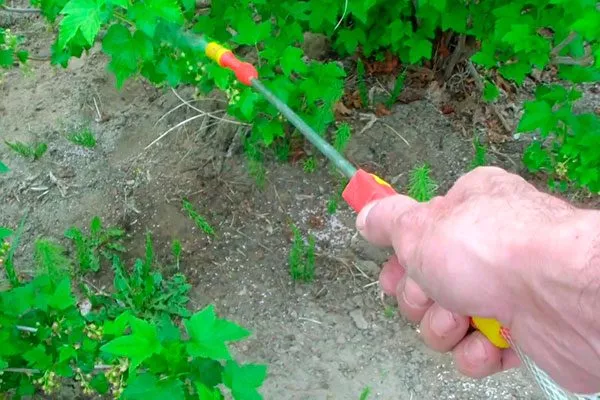
Among pests, the bud weevil poses the greatest threat. Bushes can also be attacked by glassworms, spider mites, aphids, and other insects. As a preventative measure, plants are sprayed with Inta-Vir immediately after leaf emergence. If pests appear, currants are sprayed with Fitoverm, Bitoxibacillin, and other effective insecticides.
Harvesting and storage
The berries are harvested when they reach technical ripeness, which usually occurs in mid-July. Harvesting occurs in the morning or evening when the weather is dry. Harvesting during the day in hot weather is not recommended, as this can damage the thin skin. Berries are picked individually, not in bunches, to avoid damaging the buds.
The berries are placed in a flat container in a thin layer—no more than 15 cm. They are placed in a cool room for temporary storage or processed immediately. The berries can be stored for up to 10 days. For longer storage, they are frozen. At -18°C, red currants retain their flavor and nutritional properties for 9–12 months.
Reviews
The "Nenaglyadnaya" red currant is an ideal choice for the beginning gardener or summer resident. It's hardy and easy to grow, producing a bountiful harvest under any circumstances. With just a little care, the "Nenaglyadnaya" currant bushes will reward you with a bountiful harvest.