
Nara is a large-fruited blackcurrant variety that produces a harvest in summer. Domestic gardeners love it for its excellent berry flavor and appearance, as well as the bushes' resistance to frost, fungal infections, particularly powdery mildew, and bud mite attacks. It is grown for both personal consumption and commercial sale.
When was the variety developed?
Nara was created thanks to the efforts of Russian scientist A. I. Astakhov, a doctor of agricultural sciences and an employee of the V. R. Williams Federal Scientific Center for Viticulture and Informatics. To obtain it, the breeder crossed the following species:
- currant Seedling Doves;
- hybrid 32-77.
In 1994, his creation was submitted for state variety testing. In 1999, it was approved for use in the Northwestern, Central, Middle Volga, and Volga-Vyatka regions of the Russian Federation.
Appearance of the bush
Plants of this cultivar are medium-sized and slightly spreading. They are distinguished by their appearance:
- "height" - up to 1.5 m;
- shoots: medium in size, slightly curved, olive-green in color, have a matte surface with light pubescence;
- foliage: dark green, large, three-lobed, with a serrated edge, leathery, with a wrinkled surface;
- Flowers: small, pale reddish in color, collected in clusters of 6-10 flowers, appear in May.
Berries and their taste qualities
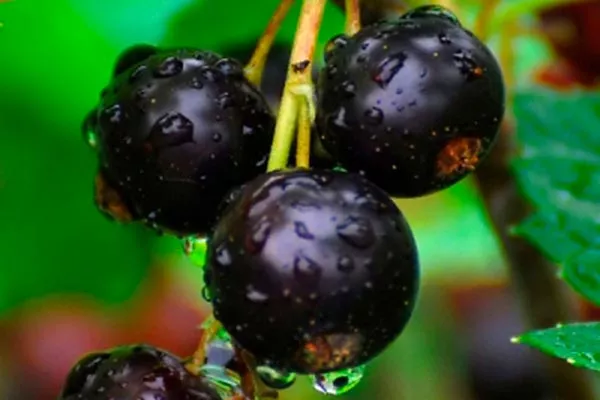
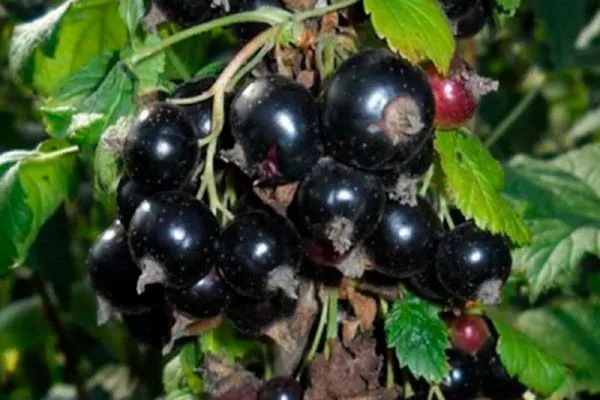
Nara fruits ripen in clusters of medium length and a loose texture. They are large in size and attractive in appearance. Their description includes:
- weight - 1.9-3.5 g;
- rounded shape;
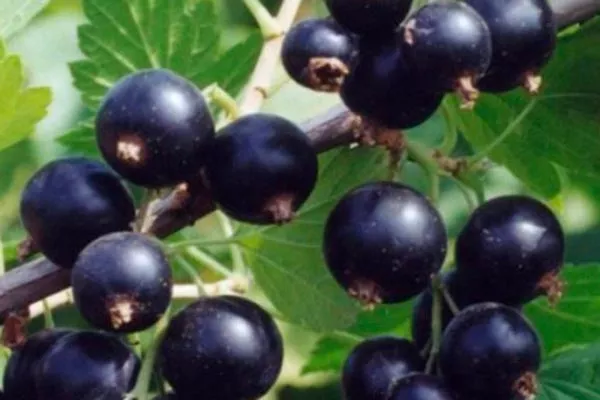
- rich black skin with a beautiful shine;
- greenish flesh, juicy and aromatic.
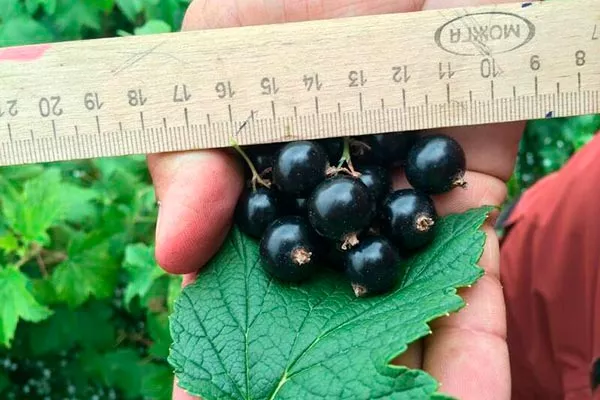
The berries of this variety are characterized by dry separation from the branch, which allows them to preserve their marketable appearance and ensures better shelf life of the harvest.
This variety is renowned for the excellent taste of its fruit. Its tasting score ranges from 4.3 to 4.6 points. The pulp is sweet and has a pleasant, refreshing acidity. It lacks bitterness and astringency. It's a true summer dessert.
Characteristics
Check out the main technical characteristics of the Nara blackcurrant if you plan to grow its bushes in your garden.
Compound
This variety of berry is not only delicious but also rich in nutrients beneficial to human health. Its pulp contains the following:
- sugars - 6.8%;
- titratable acids - 2.5%;
- vitamins (C, A, E, K, P, group B);
- minerals (potassium, phosphorus, calcium, magnesium, iron, selenium, zinc, manganese, silicon, cobalt, copper);
- pectins;
- tannins;
- antioxidants, in particular anthocyanins;
- essential oils, etc.
Among vitamins, Nara currants are particularly rich in ascorbic acid. They contain 179 mg of vitamin C per 100 g of pulp. In this respect, the black berry exceeds lemons by four times.
By eating it fresh, you will receive many healing effects:
- activate the flow of metabolism;
- improve your visual acuity;
- reduce intraocular pressure (the berry is recommended for people suffering from glaucoma);
- stop the inflammatory process;
- reduce pressure;
- strengthen your heart;
- increase the elasticity of blood vessels;
- reduce the level of bad cholesterol in the blood;
- remove toxins, heavy metals and radionuclides from the body;
- strengthen bone tissue;
- improve your memory;
- get rid of dry skin (black currant helps alleviate the condition of such a skin disease as psoriasis);
- stimulate digestion;
- tone up your body;
- remove excess fluid from the body and get rid of swelling;
- reduce the risk of occurrence and development of cancer, atherosclerosis, Parkinson's and Alzheimer's diseases;
- strengthen your immune system;
- calm your nervous system and get rid of insomnia.
Blackcurrant is especially beneficial for those who are sick. It has antibacterial, anti-inflammatory, analgesic, and antipyretic properties. It promotes a faster recovery, gives strength, and increases resistance to infections.
Avoid this summer treat if you have any health problems:
- stomach ulcer;
- gastritis in an acute state (with the hyperacid type, the product is contraindicated even in a state of remission, as it increases the acidity of gastric juice);
- pancreatitis;
- hepatitis;
- hypotension;
- thrombophlebitis and varicose veins;
- individual intolerance to the product.
Self-fertility and pollinators
Nara is a self-pollinating variety of currant. It produces a good harvest even without being planted next to other currant varieties.
Ripening time
This variety is characterized by early maturity. Its bushes produce fruit early. The first berries can be tasted in early June. In the central and Moscow region, gardeners harvest the fruit beginning on the 10th of the month. The berries ripen uniformly, lasting for 2.5 weeks.
Drought resistance, frost resistance
This variety is renowned for its hardiness. Its bushes can withstand adverse weather conditions:
- winter frosts;
- spring frosts;
- short-term drought.
Thanks to its ability to withstand short dry periods, gardeners successfully cultivate this berry variety not only in the central regions of the country but also in the south. The variety is popular in the Krasnodar Krai.
Productivity
Nara is a variety that doesn't boast highly productive bushes. Its yield is low—1.5-2.2 kg per plant per season. In commercial garden cultivation, farmers harvest 5,800 kg per hectare.
Scope of application
The Nara blackcurrant variety has a universal purpose:
- the berries are eaten fresh;
- they are added to summer desserts;
- they make compote, jam, preserves, marmalade, and pastila from them;
- grind with sugar to obtain a puree;
- freeze;
- dry;
- canned for the winter;
- used as a filling for pies.
Planting currants
A varietal variety of garden crop requires careful planting. Follow the planting procedure and the advice of experienced gardeners to ensure the seedling quickly establishes itself in its new location and begins to grow.
- ✓ The optimal soil pH for Nara currants should be between 6.0 and 6.5. If the pH deviates, the acidity should be adjusted.
- ✓ The distance between bushes when planting should be at least 1.5 meters to ensure sufficient nutrition area and air circulation.
Deadlines
You can plant Nara currants in your garden in the fall or spring. If you choose the latter, you'll need to wait until the snow melts and the ground warms up. Make sure to plant before the buds open.
Experienced gardeners prefer the autumn procedure, performed a few weeks before the cold weather sets in. This will allow the plant to take root before spring and begin growing immediately once the weather warms up.
Landing site requirements
Choose a location in your garden for your Nara blackcurrant bushes that has the following characteristics:
- sunny;
- windless;
- protected from drafts;
- with loose and nutritious soil, not acidic, preferably loamy;
- not located in a lowland with close groundwater levels (in a flooded area the plant will get sick and die due to root rot).
Don't try to grow berries in the shade. The productivity of the bushes and the quality of the harvest will suffer. The berries will be few in number, and their flavor won't be as satisfying. A lack of sunlight will deplete the fruit's sugar content. For sweet, large fruits, plant the crop on the south side of the plot.
Prepare the area for growing currants in advance:
- from autumn - if you are going to carry out the procedure in spring;
- 1 month in advance - if you are planning an autumn planting.
Conduct the following activities:
- Clear the ground of debris and plant remains.
- Dig it up to the depth of a shovel blade.
- Remove weeds along with the roots.
- Add river sand if the soil is heavy and clayey. This will improve water flow to the roots of the bushes. Add lime if the soil is too acidic.
- Enrich your garden soil with nutrients. Add compost when digging. Apply 3.5 kg/sq. m. Also use mineral fertilizers: potassium sulfate (25 g/sq. m) and superphosphate (120 g/sq. m).
Experienced gardeners, instead of adding organic matter, resort to another method to improve soil fertility in currant plots. They sow green manure such as white mustard. After mowing, they incorporate Trichodermin or Gaupsin into the soil.
The agrotechnical method produces the following results:
- makes garden soil more nutritious;
- improves its structure;
- prevents diseases of berry crops;
- prevents pest attacks.
Preparing the seedling
Buy Nara seedlings from the nursery, which have the following characteristics:
- strong;
- healthy;
- with shoots 30 cm long;
- with 3-6 buds on the shoot;
- with well-developed woody roots (their length is up to 20 cm);
- without any signs of damage, stains, cracks or growths.
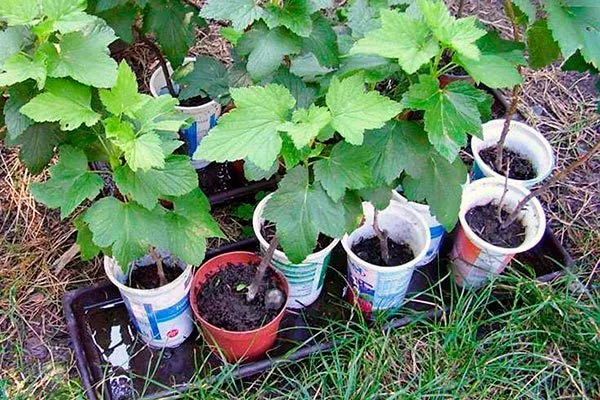
Prepare the purchased plants for planting. Soak their roots in a solution of Epin, Heteroauxin, or Zircon for several hours.
Boarding order
A few weeks before the planned planting date, dig planting holes in your garden. Make them 50 x 50 x 50 cm in size. Partially fill them with a mixture of garden soil and humus (12 kg per seedling), wood ash (2 l), and superphosphate (70 g).
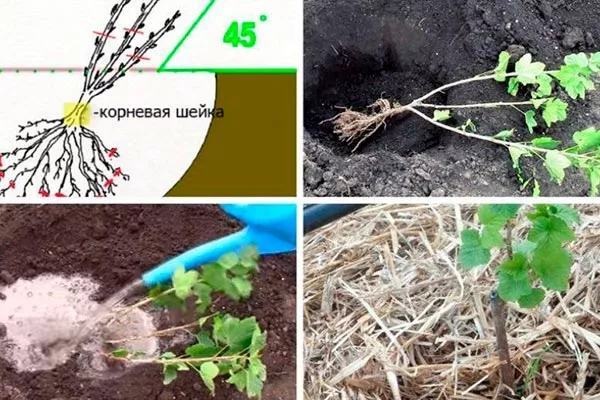
After 14-20 days, when the soil has settled, begin planting. Follow these steps:
- Trim off any dry or damaged roots from the seedling and remove all the leaves.
- Place it in the center of the hole. Spread out the roots.
- Cover them with soil, making sure the neck is buried 7 cm deep.
- Lightly compact the soil under the bush.
- Water the currants. Use 5 liters of warm, settled water per plant.
- Cut off all its shoots, leaving 10-15 cm.
Caring for the variety
The Nara blackcurrant will only produce abundant fruit with proper care. Pay special attention to watering and fertilizing the berry planting, as well as to autumn pruning. Don't neglect infection and pest prevention.
Watering mode
This garden crop requires careful irrigation. Although it is tolerant of short-term drought, a lack of moisture worsens its condition and causes complications:
- slowing down of growth and development of bushes;
- shedding of ovaries;
- crushing of fruits and deterioration of their quality characteristics.
The bush especially needs watering at the following stages of its vegetation:
- during flowering;
- in the phase of fruit ovary formation;
- during the process of pouring berries.
Use 30 liters of water per plant. The water should be settled and warmed by the sun. During dry summer months, water more frequently. Water the currant planting at least once every 7 days (preferably twice a week).
Loosening and mulching the soil
After each watering of your currant plantings and after rain, loosen the soil around the trunk. This will ensure better water and air flow to the roots of the bush.
Don't neglect weeding. While you're cultivating the soil, remove weeds from under the currant bushes. If left untreated, weeds will rob the plant of nutrients. They also provide a favorable habitat for pests and pathogens.
After watering, cover the soil under the Nara bushes with organic mulch. Apply a layer 5-10 cm thick. This agricultural technique has many positive effects:
- retains moisture in the soil, preventing its rapid evaporation;
- prevents weed growth;
- additionally saturates the soil with nutrients;
- promotes better warming in early spring and autumn.
Fertilization
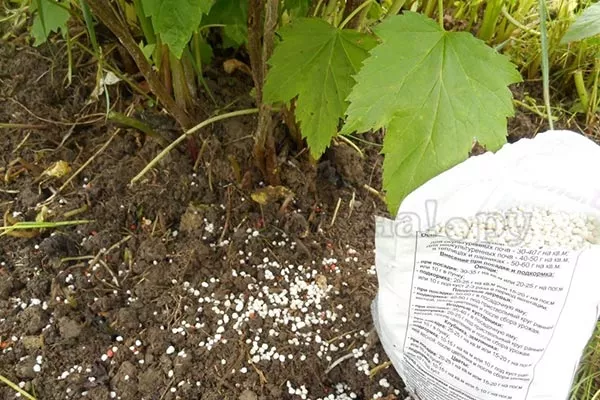
If you planted Nara plants in well-fertilized garden soil, they won't need fertilizing for the first few years. Start applying nutrients to the currant bushes once they reach three years of age. Alternate between organic and mineral fertilizers.
Follow the fertilizing schedule:
- Early spring Water the berry planting with slurry, a urea solution (30 g per 5 liters of water), or nitroammophoska (42 g per 10 liters) to provide nitrogen. This will stimulate the emergence of new shoots and the growth of foliage.
- During flowering time Apply an infusion of potato peels to the beds. Use at least 1 liter of nutrient solution per plant.
- When fruit ovaries begin to appear on the bushes, feed them with superphosphate and potassium salt. Apply 40 g of each per plant, burying them dry in the soil. The phosphorus they contain will promote root development, and the potassium they contain will improve the flavor of the berries.
- In the autumn (after harvesting) Add humus and wood ash. Fertilizers will increase the concentration of nutrients in the soil and help restore its fertility. This measure will also ensure better winter hardiness of the crop.
Pruning: formative, sanitary, rejuvenating
Plants of this variety require regular pruning. In the fall, perform this procedure to rejuvenate the bushes and increase their yield. Remove branches older than 5 years. Also remove any unproductive shoots:
- dry;
- affected by diseases and parasites;
- broken;
- deformed.
Don't neglect formative pruning. It's aimed not only at giving the shrub a neat and attractive appearance but also at extending its productive life to 15 years or more. Perform this procedure in April or in the fall after the leaves have fallen. Leave 15-20 skeletal branches on a mature plant.
Every spring, perform sanitary pruning: remove all dead shoots. Also remove any branches that are causing crowding. These prevent the rest of the bush from receiving sufficient air and sunlight, which negatively impacts berry yield.
Pouring and hardening of bushes
Experienced gardeners resort to a care procedure in early spring (before bud break) such as pouring very hot water over the currant bush. This is an effective preventative measure against pests that overwinter on the shoots and diseases. This measure also aims to awaken the plant, harden it, and strengthen its immunity.
Carry out a water treatment to improve the health of currants, following the rules:
- use water heated to +80-85°C;
- Have time to do it before the bush “wakes up”;
- after it is carried out there should be no more severe frosts;
- the buds should begin to swell, but should not yet be open;
- quickly water the bush, trying not to miss a single shoot;
- For convenience, use a watering can with a diffuser tip.
How to cover plantings for the winter?
Thanks to its good winter hardiness, the Nara variety is suitable for growing in regions with cold winters. Proper insulation is sufficient for its bushes. In temperate climates, organic mulch applied around the trunk area will suffice.
In areas with a harsher climate, use the following materials to insulate currant plantings:
- agrofibre;
- burlap;
- spruce branches.
Winter snowfall will provide additional protection for the roots from freezing. Make sure it evenly covers the base of the bush.
Protection from diseases and pests, resistance to them
The Nara variety was bred to be resistant to many infections that blackcurrant bushes are susceptible to. It is immune to the following diseases:
- gray rot;
- anthracnose;
- mosaic;
- powdery mildew.
Unfavorable weather and poor care weaken plants' defenses. Preventative measures can help prevent disease. In addition to following proper agricultural practices and regularly inspecting the plants, this includes spraying them with a copper sulfate solution. Apply these treatments at the following times:
- early spring (before buds open);
- in late autumn.
Nara is resistant to many insect attacks, particularly bud mites. In rare cases, its bushes are attacked by pests:
- aphid;
- spider mite;
- gall midge.
If pests are detected, treat the currants with a solution of Fosfamide. Karbofos is also suitable for this purpose. Use chemicals with caution during the growing season. Stop using them 20 days before harvesting.
Cleaning and storage rules
Nara blackcurrants are known for their excellent shelf life. Thanks to their strong skin and dry peeling, the berries retain their shape, resist bruising, and resist leaking during storage and transportation.
Follow these rules to prolong the life of your harvest:
- do not wash berries before storing them (do this immediately before eating or cooking them);
- store fruits on a shelf in the refrigerator or in the cellar;
- optimal temperature: from +4°С to +14°С;
- Freeze the berries if you are storing them for the winter.
Methods of reproduction
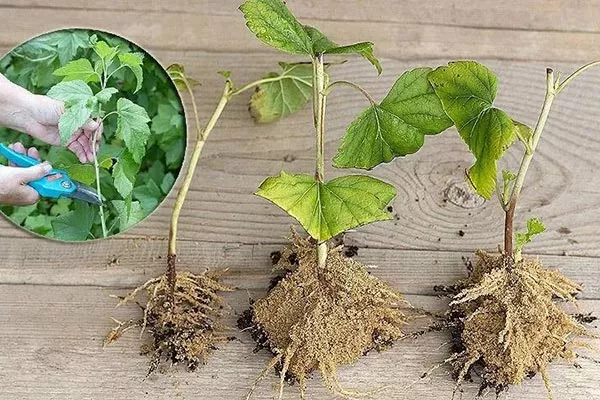
Experienced gardeners propagate Nara blackcurrants in a variety of ways. Most often, they obtain new plants by cuttings, layering, and dividing the bush.
Lignified cuttings
Propagate berry crops using this method in the fall. Begin in early October. Follow these steps:
- Take cuttings from strong, healthy branches that are 2-3 years old. They should be about 12 cm long and have 5-6 buds each.
- Remove all leaves from the cuttings.
- Place the cuttings deep in fertilized and moistened soil, leaving a couple of buds above the surface. Place them at an angle. Maintain a distance of 10–15 cm between seedlings and 50 cm between rows.
- Cover the planting with spunbond or regular dark polyethylene until spring.
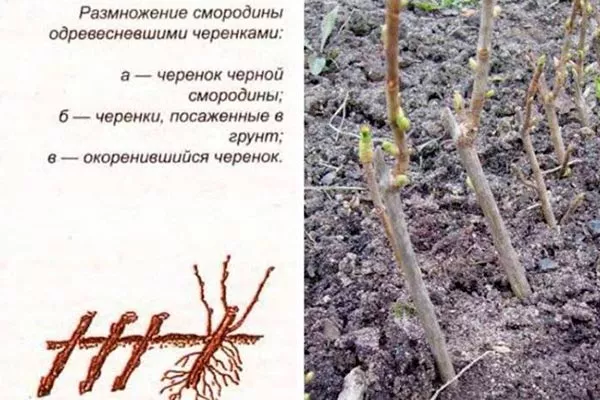
The cuttings will take root by spring. By next fall, you'll have fully grown bushes and can transplant them to their permanent location.
Green cuttings
Prepare planting material towards the end of May or early June, when new shoots appear on the old ones. Follow these step-by-step instructions:
- Select two-year-old currant shoots. Cut cuttings from them. Each shoot should have 2–3 cm of old wood remaining at the bottom.
- Plant the resulting material in the ground, keeping a distance of 10–20 cm between the cuttings. Deepen them to the height of the old wood.
- Water the planting and mulch it. Roots will form by autumn, and the aboveground part will grow to 30–40 cm.
Layering
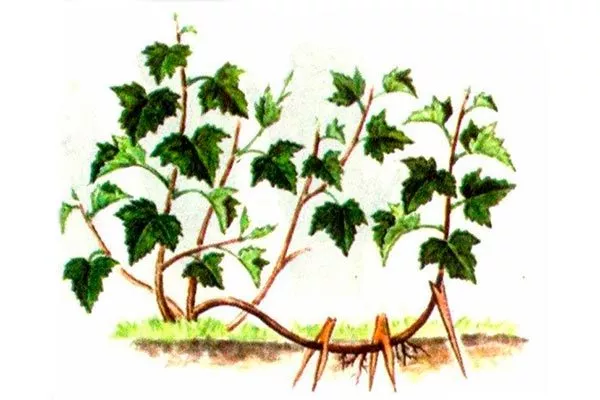
The propagation method is considered simple. It allows gardeners to obtain seedlings with well-developed roots in one year. Follow these steps:
- In early spring, select a healthy, two-year-old shoot from the bush, growing at an angle.
- Bend it to the ground, placing its center in a pre-dug trench (10-12 cm deep). Make sure that 20-30 cm of the shoot's top remains above the ground.
- Fix the layer with wire.
- Fill the furrow with soil.
- By fall, with proper care, the cutting will develop a strong root system and 2-3 branches. Separate it from the mother plant and replant it in a new location.
By dividing the bush
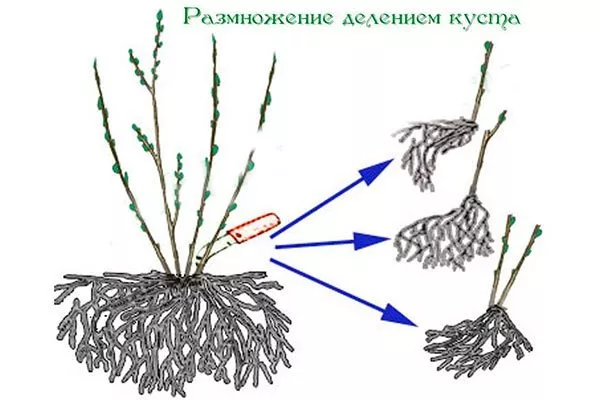
Divide currant bushes in spring or fall. Follow these step-by-step instructions:
- Carefully dig up the bush, trying not to damage its roots.
- Use an axe or saw to divide the plant into several pieces. Each section should have well-developed shoots and roots.
- Remove old and infected shoots/roots.
- Shorten young branches to 20-30 cm.
- Treat all cuts with crushed charcoal.
- Plant the divisions in prepared holes.
- Water the currant planting generously.
Pros and cons
The Nara currant has numerous advantages, thanks to which it has taken root in the plots of domestic gardeners.
Blackcurrant Nara: reviews of the variety
Nara is a popular early blackcurrant variety. Gardeners love it for its large fruits, resistance to frost and drought, disease and pests, dessert-like flavor, and abundance of vitamins. With strict adherence to gardening practices, you'll always have a bountiful harvest.