
Nadezhda currant is a high-yielding, disease-resistant variety with distinct dessert qualities. It is easy to care for, frost-resistant, and drought-tolerant, making it an excellent choice for a variety of climates. The berries have a pleasant sweet flavor, and the bushes are compact and easy to plant in confined spaces.
Appearance of the plant and fruits
The Nadezhda variety was developed by breeders A. S. Ravkin, L. D. Isaykina and E. K. Sashko by crossing the Varshevich currant with the dark purple form 312-209.
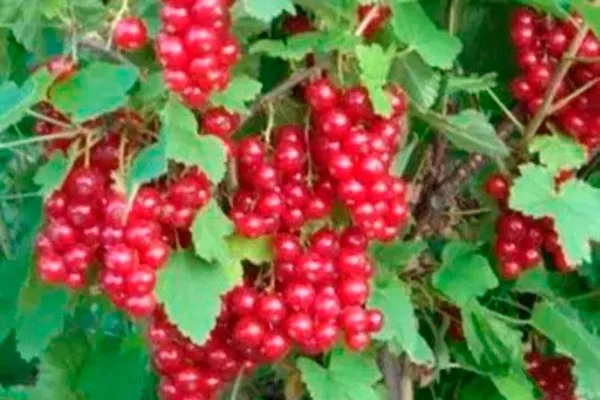
The plant is a medium-sized cultivar. Distinguishing features:
- Bushes – Compact, dense, with medium-thick, light-brown shoots. Reaching up to 1.8 m in height.
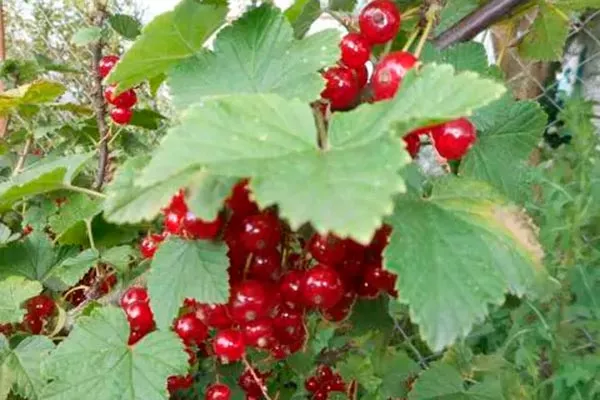
- Leaves - Large, five-lobed, rich green, without pubescence. The leaf blade is slightly concave along the main veins.
- Flowers – Medium-sized, cup-shaped, burgundy-colored. The peri-pygmy ring is yellowish.
- Brushes – medium length (7-8 cm), dense, with a moderate amount of fruits.
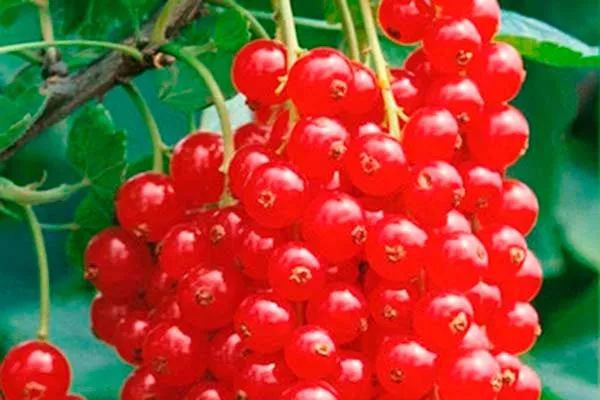
- Berries - Round in shape, the berries are red when ripe, later turning dark purple. The average berry weight is 0.7–1 g.
- Taste - dessert, sweet and juicy.
Characteristics of the variety
The Nadezhda currant is distinguished by its high winter hardiness, allowing the plants to withstand low temperatures without damage. It is renowned for its increased drought tolerance, making it an ideal choice for regions with limited rainfall.
Other qualities of culture:
- The variety is undemanding to soil quality and can grow successfully in both sunny areas and partial shade.
- Resistance to diseases and pests makes crop care much easier.
- It is a self-pollinating variety, so it does not require additional pollinator plants to produce a harvest.
Landing
For growing seedlings, choose a site with good drainage, full sun or light shade. This variety is undemanding regarding soil, but prefers neutral or slightly acidic, fertile soil.
The optimal time for planting is early spring or fall. In spring, plant the seedlings before the sap begins to flow, and in fall, plant them a few weeks before the first frost.
- ✓ Check the root system for rot and mechanical damage.
- ✓ Make sure that the seedling shoots are flexible and show no signs of disease.
Follow the rules:
- Pre-cultivate the beds: dig thoroughly and remove weeds. Add organic fertilizers such as compost or humus to improve the soil structure and its nutritional properties.
- Purchase healthy seedlings with well-developed roots and no signs of disease. One- or two-year-old plants are preferred.
- Dig planting holes 40-50 cm deep and wide. Add some sand to the bottom to improve drainage, compost, or humus.
- Place the seedling in the hole so that the root collar is level with the soil. Cover the roots with soil, compacting it around the trunk. After planting, water the plant thoroughly.
- Mulch the soil to retain moisture and prevent weed growth. Maintaining moderate moisture during the first few weeks after planting is important.
For good growth and development, maintain a distance of 1.5-2 m between bushes to provide them with enough space to grow.
Care
Caring for the Nadezhda currant involves several key steps to ensure good growth and high yields. These include:
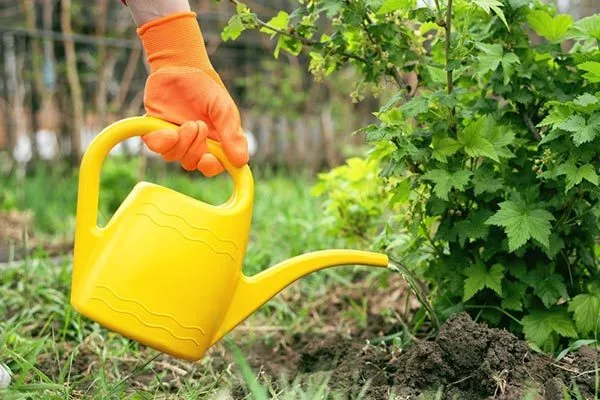
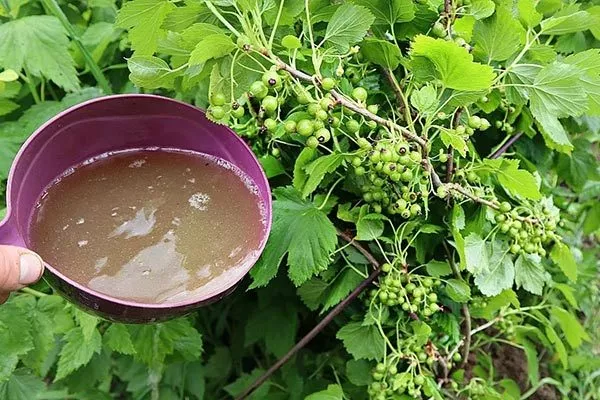
- Watering. Water the shrubs regularly during flowering and fruiting. Use warm, settled water, pouring it under the roots. Avoid contact with leaves and stems to prevent burning. Avoid overwatering, as this can lead to root rot.

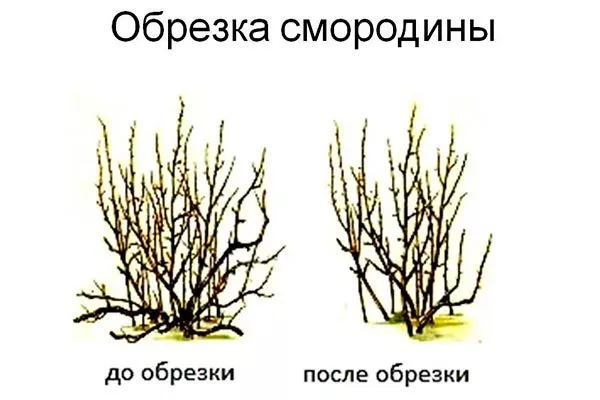
- Trimming. To shape and increase yield, prune in the fall or early spring. Remove old, weak, or damaged shoots to allow light and air to reach the center of the bush.
Leave 3-4 main shoots on each plant and remove the rest to stimulate the growth of new branches. - Top dressing. Fertilize currants throughout the growing season. In spring, use organic fertilizers such as compost or humus. During the fruiting period, mineral fertilizers with high potassium and phosphorus content are beneficial. Avoid overfeeding with nitrogen to avoid excessive foliage growth at the expense of fruiting.
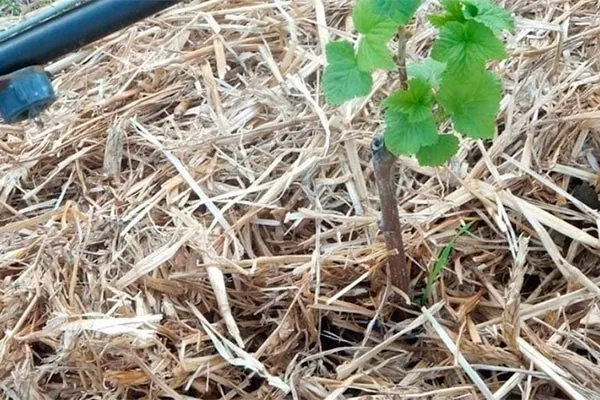
- Mulching. This procedure helps retain soil moisture, suppress weed growth, and improve soil structure. Use organic materials such as straw, grass clippings, or compost. Mulch helps protect roots from overheating in the summer and freezing in the winter.
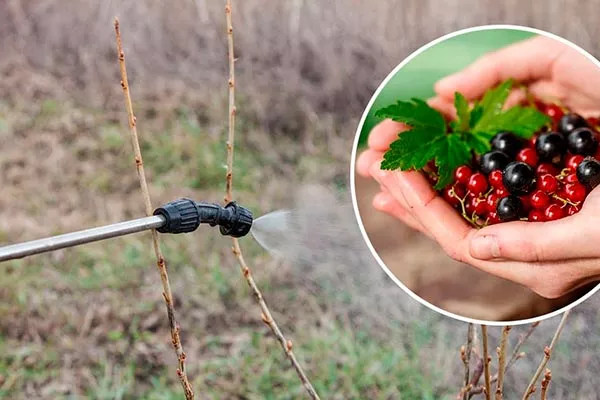
- Protection from pests and diseases. The shrub has a strong immune system, but regular inspection is essential for prevention. If signs of powdery mildew or gray mold appear, treat with fungicides. Folk remedies such as garlic or onion peel infusions are effective for pest control.
Currant bushes require minimal care during the winter, but it's important to properly prepare the bushes for frost. Cover them if necessary, especially in regions with harsh winters. This is especially important for young seedlings.
Reproduction
There are several ways to increase the number of seedlings in your garden. Each has its own advantages. The most common methods are:
- Cuttings. In spring or fall, take cuttings about 10-15 cm long. For spring cuttings, choose one-year-old shoots that haven't borne fruit. Each cutting should have 2-3 buds. Make the lower cut 1 cm below the bud, and the upper cut 1 cm above.
Plant the cuttings in prepared holes or containers filled with loose, fertile soil at a depth of 5-7 cm. Cover them with plastic wrap or a glass jar to create a greenhouse effect and speed up rooting. Once the cuttings have rooted and begun to grow, transplant them to their permanent location. - Dividing the bush. This method is used for older plants that need rejuvenation. The optimal time for division is early spring or late fall, when growth is less active.
Carefully dig up the bush, being careful not to damage the roots. Divide it into several sections, ensuring each section has roots and shoots. Replant each section in the prepared holes in a new location, providing good light and suitable soil. - By layering. Select a healthy, flexible shoot. Bend it down to the ground and bury it in a shallow hole. Make sure there are several buds where the shoot touches the ground. Secure it to the ground with metal staples or stones to prevent it from growing out.
Water the cutting regularly, keeping the soil moist. After a few months, when the cutting has rooted, separate it from the mother plant and replant it in a new location.
- ✓ The appearance of new leaves indicates successful rooting.
- ✓ The cuttings should be stable when gently tugged.
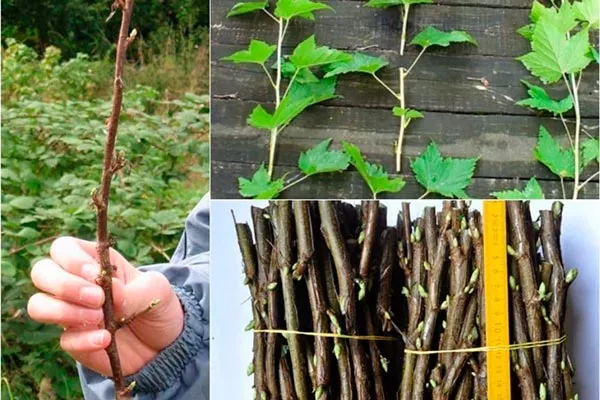
These propagation methods ensure the preservation of all varietal characteristics and help to effectively distribute the Nadezhda currant.
Reviews
The Nadezhda currant provides a stable harvest with minimal effort. Its high disease resistance, winter hardiness, and excellent flavor make it attractive to both novice and experienced gardeners. Regardless of growing conditions, this variety has proven itself to be a reliable and productive variety.