
Muscat is a promising golden currant variety distinguished by its high winter hardiness, resistance to diseases and pests, and excellent berry flavor. It is cultivated both on private farms and on commercial plantations. It is prized for its high yield, adaptability to various conditions, and rich vitamin content.
Selection, description of the plant and fruits
This vigorous, golden-hued shrub was registered in 2004. It was developed by specialists from the Novosibirsk Zonal Horticultural Experimental Station of the Russian Academy of Agricultural Sciences: Vladimir Nikolaevich Sorokopudov, Anna Evgenievna Solovyova, and Tatyana Abdulkhailovna Kukushkina.
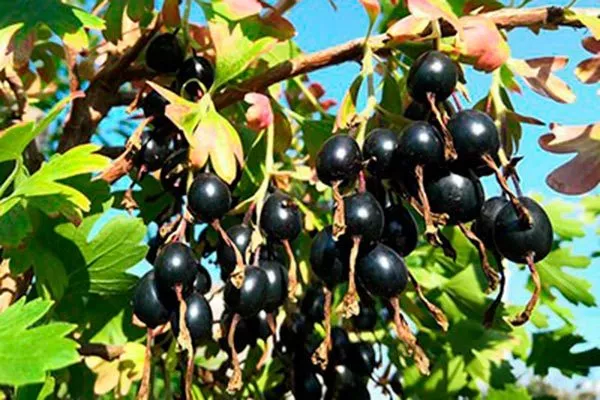
Distinctive features:
- Bush - compact, reaches 1.5-2 m in height.
- Escapes – medium length, yellow-green in color.
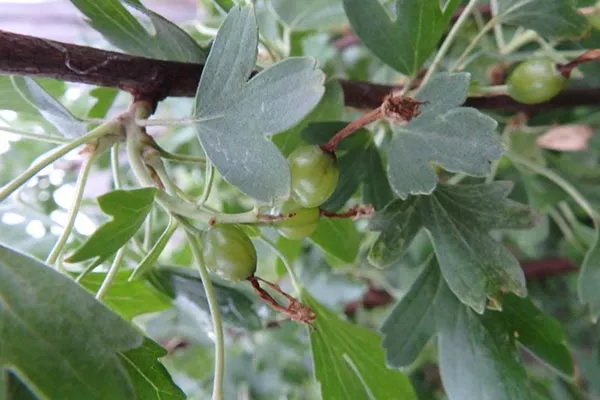
- Leaves - shiny, straight, with deep cuts, three-lobed.
- Flowers – large, rich yellow.
- Berries - Almost black, round, with a nutmeg aroma and sweet taste. The average weight is 1.3 g.
The fruits contain 2% acids and 42 mg/% vitamin C.
Characteristics of the variety
The berry ripens in mid-summer. The average yield is 146 centners per hectare. The crop is highly winter-hardy and tolerates low temperatures well.
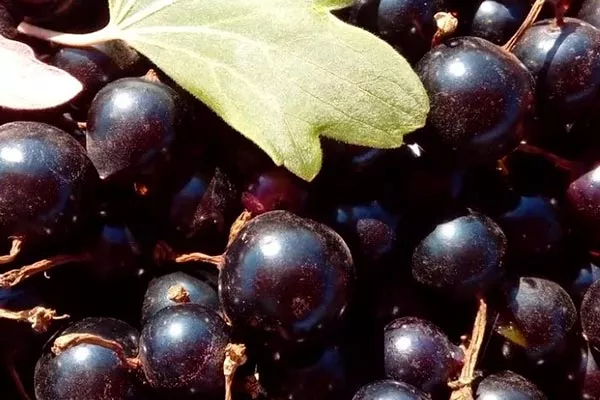
Muscat currants are a rich source of vitamins and minerals. They contain vitamins C, E, A, B-complex vitamins (B1, B2, B6), and PP. The fruits also contain magnesium, potassium, calcium, iron, copper, zinc, and more.
Berries have many beneficial properties:
- strengthen the immune system;
- improve vision;
- normalize the functioning of the heart and blood vessels;
- increase hemoglobin levels;
- provide antioxidant protection for the body.
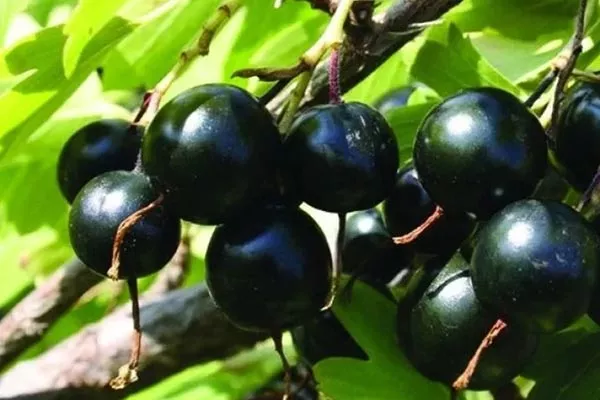
Thanks to their sweet flavor and muscat aroma, the fruits are widely used fresh and are suitable for making desserts, jams, juices, and compotes. They are also used in home cooking and confectionery.
Planting and care features
The plant prefers well-lit areas protected from strong winds. Light loam or fertile sandy loam with a neutral pH (6-7) is ideal. Before planting, dig the soil deeply, remove weeds, and apply organic and mineral fertilizers.
- ✓ Check the soil pH level before planting, the ideal range is 6-7.
- ✓ Make sure the soil has good drainage to avoid waterlogging.

Follow these recommendations:
- Dig planting holes measuring 40x40x40 cm, spaced 1-1.5 m apart. If you're planning multiple rows, leave 2 m between them.
- Add a mixture of 10 kg of humus, 100 g of superphosphate, and 50 g of potassium sulfate. Mix the fertilizer into the soil at the bottom of the hole.
- Place the seedling in the center of the hole at a 45° angle to encourage additional shoots. The root collar should be 5-8 cm deep.
- Cover the roots with loose soil, carefully compacting each layer so that there are no voids.
- After planting, water the bush generously (at least 10 liters of water).
- Mulch the tree trunk area with peat, humus or straw to retain moisture and protect the plant from weeds.
- Trim the branches, leaving 3-5 buds above ground. This will speed up the growth of new shoots.
To ensure abundant and regular harvests, it's important to take good care of your plant. Follow these standard care guidelines:
- Watering. Currants require regular watering, especially during flowering, berry formation, and ripening. Apply water to the roots once a week, using 20-30 liters of water. In the fall, perform a moisture-replenishing watering.
- Top dressing. In spring, apply nitrogen fertilizers (20-30 g of ammonium nitrate per bush), and in summer, apply potassium and phosphorus fertilizers (20 g each of potassium sulfate and superphosphate). In autumn, use organic matter (humus or compost).
- Soil care. Loosen the soil around the plants after each watering to a depth of 6-8 cm to improve air access to the roots. At the same time, remove weeds that compete with the shrubs for nutrients.
Apply a 5-7 cm layer of mulch (peat, humus, or straw) around the tree trunk. Mulch retains moisture, suppresses weed growth, and protects the roots from overheating. - Trimming. Every year in the fall or early spring, prune old (over 5 years old), damaged, and weak branches. Leave 12-15 strong shoots of varying ages. In the summer, prune out any undergrowth that is crowding the plant.
The crop may be susceptible to certain diseases if agricultural practices are improper:
- Powdery mildew: White coating on leaves and shoots. Effective fungicides such as Topaz and Skor will help.
- Anthracnose: Brown spots on the leaves. Spray the plants with Bordeaux mixture (1%) or Hom.
- Rust: Yellow-orange spots. Use Oxychom.
Reviews
Muscat currants combine consistent productivity, tolerance to adverse conditions, and excellent flavor. The berries are suitable for fresh consumption, processing, and preserves, and their low maintenance makes this variety an ideal choice for both beginner and experienced gardeners.