
The Litvinovskaya currant is renowned for its high winter hardiness, good productivity, and excellent berry flavor. This variety is well adapted to a variety of climates and is suitable for growing in both northern and warmer regions. It's important to carefully study the care instructions to ensure consistent and abundant harvests each year.
Origin
It was developed in 2016 by specialists from the V.R. Williams Federal Scientific Center for Crops and Insemination. The research team included A.I. Astakhov, L.I. Zueva, and N.V. Markelova. It was the result of crossing two varieties: Selechenskaya 2 and SN 6-28-105. Numerous varietal characteristics were identified during the study.
Appearance of the bush
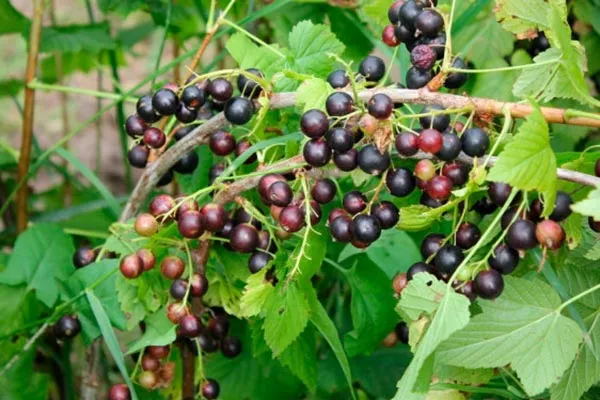
This is a vigorous plant, which should be taken into account when choosing a planting site, as it requires ample space. The bushes reach a height of 1.5-2 meters. The shoots are straight, and the leaves are a standard green. The flowers are medium-sized, with pale reddish-purple petals.
Berries and their taste qualities
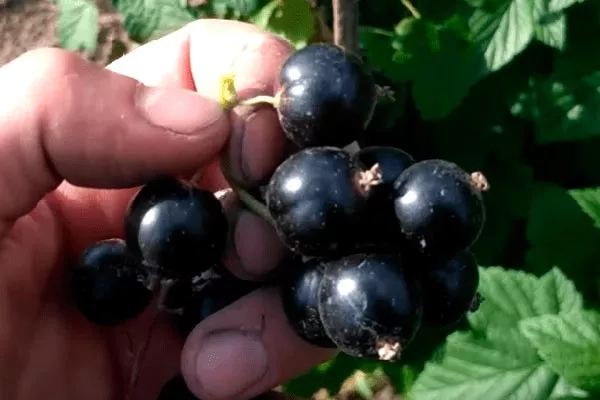
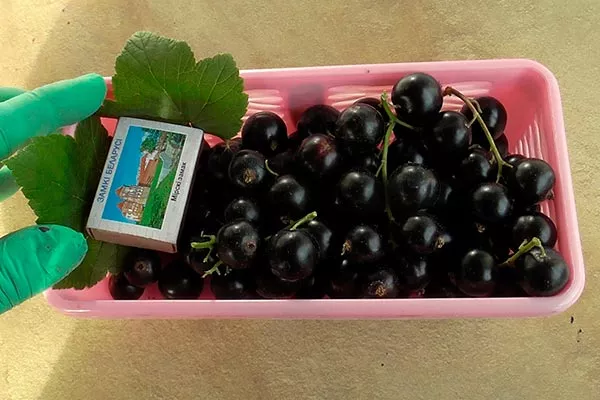
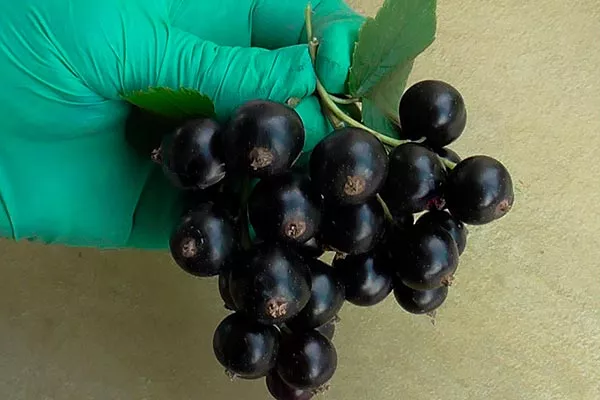
The fruits form on clusters of 6-11. They are covered with black, glossy skin, and the flesh is greenish-yellow. The berries have a sweet taste and a pleasant, refreshing aroma. They are large and round, weighing between 2.1 and 3.3 g.
Characteristics
Litvinovskaya possesses a number of unique characteristics that distinguish it from other varieties. The scientists' primary goal in breeding it was to create a variety that would be highly resistant to various weather and climate conditions. They succeeded.
Drought resistance, frost resistance
The crop is characterized by high frost resistance. It easily tolerates cold winters, early frosts, and sudden spring cold snaps, making it suitable for growing in regions such as Siberia and the Northwest.
Frost resistance of the shrub:
- The root system can withstand temperatures down to -17°C.
- Closed flowers can withstand frosts down to -5°C.
- Open buds can be preserved at temperatures down to -4°C.
- The ovary will not die unless the temperature drops below -3°C.
However, this variety is quite sensitive to drought and high temperatures. It does not tolerate heat or lack of moisture well, requiring gardeners to pay special attention to the plant during periods of extreme heat and prolonged drought.
Ripening period and yield
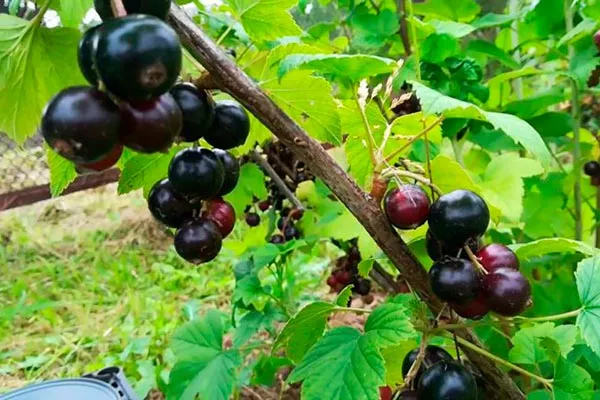
This is an early-ripening variety. The active fruiting period begins in late June. Productivity is high, with a single bush yielding up to 1.4 kg of berries. With proper care and optimal growing conditions, this figure can increase to 2.3 kg.
Location and soil requirements
A young shrub of the Litvinovskaya variety is best planted in a sunny or semi-shaded area, protected from the wind. It prefers a specific soil type:
- easy;
- loamy;
- slightly acidic.
If the soil does not meet these requirements, it needs to be adjusted, otherwise productivity may not meet the stated indicators.
Scope of application
Blackcurrants are versatile. Their rich, sweet flavor makes them ideal for fresh consumption, as well as for various preserves, canning, and industrial processing. They are also frozen and used to make fruit drinks and compotes.
Industrial use of fruits is facilitated by their good preservation under the necessary storage conditions and their ability to withstand long-distance transportation.
Pros and cons of the variety
This variety is popular due to its many advantages. Its sweet, large berries are enjoyed by both adults and children. The large fruit of this variety makes harvesting and processing easier, making it attractive to gardeners.
Among the disadvantages, some gardeners note poor tolerance to heat and drought, and instability to bud mites.
Methods of reproduction
You can increase the number of currant seedlings in your garden yourself. There are many popular propagation methods:
- Seeds. This method is rarely used because it doesn't preserve the plant's varietal characteristics. Collect seeds from ripe berries, rinse and dry lightly, then sow them in prepared soil in late fall or early spring.
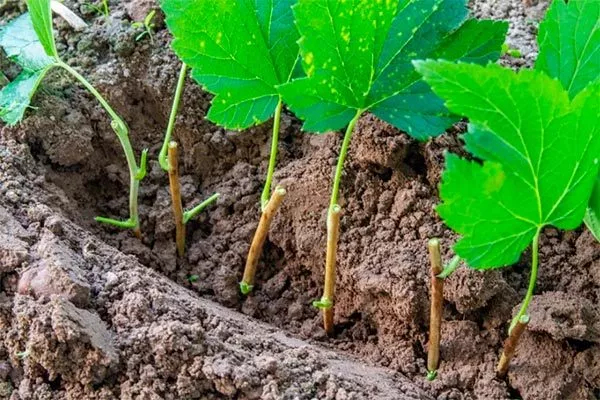
When sowing in autumn, subject the planting material to natural stratification, which increases germination. - Cuttings. Harvest them in the fall or spring from woody shoots. To do this, cut branches about 20 cm long with several buds and plant them at an angle in moist soil, leaving 2-3 buds above the surface. Over the course of the season, the cuttings will root and form new plants.
- Green cuttings. Use this method in early summer, when new shoots appear on the bushes. Place the 10-15 cm long cuttings with several leaves in a hotbed or greenhouse with moist soil and cover to maintain high humidity.
Green cuttings root faster, but require regular watering and protection from direct sunlight. - Cuttings from the tops of shoots. In this case, use shoot tips 15-20 cm long. Plant them in moist soil at an angle and provide shade until they root. This is best done in a greenhouse or under plastic sheeting to maintain humidity.
- By layering. To obtain layering, bend a strong shoot to the ground in early spring, secure it, and cover it with soil at the point of contact. After a season, the shoot will root and form an independent bush, which can then be separated from the mother plant and replanted.
- By dividing the bush. This method is suitable for older plants. Dig up the currants, divide them into several sections, each with strong roots and healthy shoots, and then plant them in prepared holes. This process can be carried out in the fall or spring.
Choose the most suitable propagation method for you. Each has its own advantages and disadvantages.
Planting and care
The crop's yield depends on proper planting and subsequent care. It's important to adhere to certain requirements and follow the recommendations of experienced gardeners.
- ✓ Check the root system for rot and mechanical damage.
- ✓ Make sure there are at least 3 healthy shoots.
Selection of planting material
To ensure your seedling takes root well in your garden during its first season, purchase it from reputable gardening stores that guarantee quality. When purchasing, carefully inspect the roots and branches for spots, rot, and other signs of disease, as damaged plants will have a harder time establishing themselves.
For planting, choose a sunny location protected from drafts and wind. The plant grows well near tall trees with airy canopies that provide light shade. These conditions help retain soil moisture.
Planting dates
In southern regions, plant the crop in spring or fall, as the climate favors good root development. In northern regions, plant in spring to avoid root freezing after fall planting in severe frosts.
Algorithm of actions
Planting currants requires careful consideration. The key is to provide the plant with the necessary conditions for growth.
Step-by-step instructions:
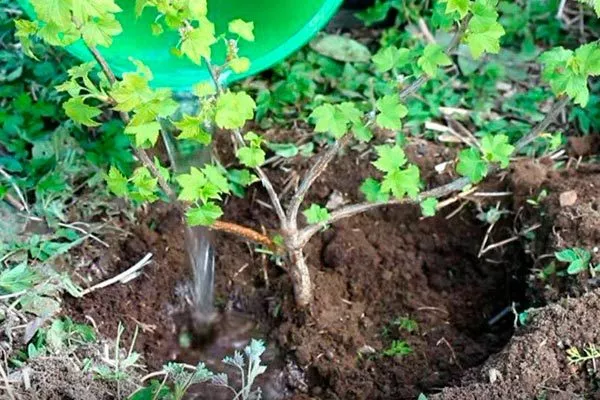
- Dig a hole measuring 60x50 cm.
- Place a layer of complex fertilizer at the bottom of the hole: 10 kg of humus, 50 g of potassium, and 100 g of superphosphate. Cover with a layer of soil.
- Pour 5 liters of warm, settled water into the hole. After it's absorbed, place the seedling in the center at a slight angle.
- Carefully straighten the roots (without stretching them) and fill the hole with soil, deepening the root collar by 5-6 cm. Tamp it down and moisten with 5 liters of water.
- Apply a 1-2 cm layer of peat mulch on top to retain soil moisture and protect the roots from frost. Prune all branches back to the 5th or 6th bud.
The distance between bushes should be 1.5-2 m to ensure enough space for growth and ease of harvesting.
Aftercare
To ensure bountiful harvests throughout the season, provide your crop with attention and care. Follow these simple agricultural practices:
- Watering. Currants require abundant watering during flowering and fruit ripening. During dry periods when the plant is exposed to high temperatures, provide additional irrigation. Each bush requires approximately 10 liters of water, with the soil moistened to a depth of at least 20 cm.
- Loosening. Loosen the soil at least once a month to provide air to the roots and prevent a crust from forming on the surface.
- Top dressing. During the first two years after planting, currants don't require additional fertilizer. Starting from the third year, fertilize four times per season.
In early spring, after the snow melts, apply nitrogen fertilizers. Potassium-phosphorus fertilizers are effective during berry formation. During berry ripening, apply potassium and phosphorus again. In the fall, apply manure or compost. - Trimming. Trim your bushes in spring and fall. This involves removing dead and old branches and thinning them out to improve air circulation.
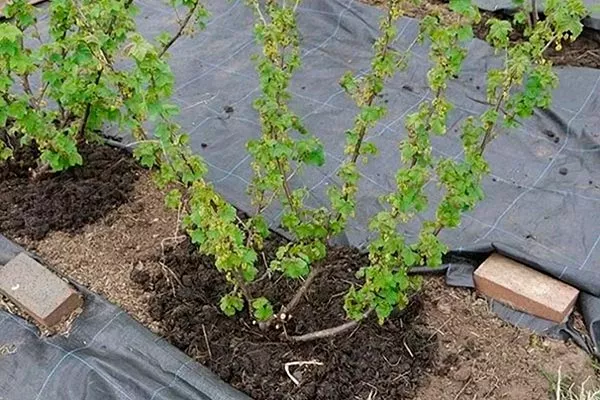
- Shelter for the winter. For the winter, insulate the currant trunk with horse manure, and bend the branches to the ground and secure them with bricks to protect them from the cold.
If there is a risk of damage to the plant by rodents, take measures to protect it using mechanical or chemical means.
Pests and diseases
Despite its strong immune system, the crop can be susceptible to insect attacks and diseases. It's important to recognize and address the problem promptly:
| Disease/Pest | Signs | Struggle |
| Septoria (leaf spot) | Yellow or light brown spots on leaves that gradually darken and dry out. | Treatment with fungicides Topsin-M, Fundazol. |
| Anthracnose | Dark spots on leaves and shoots, yellowing and drying out, black ulcers on stems. | Treatment with fungicides Ridomil Gold, Bordeaux mixture. |
| Powdery mildew | White powdery coating on foliage, buds and stems, leaves begin to deform. | Treatment with sulfur-containing preparations: Colloidal sulfur, Sulfaride. |
| Brown spot | The appearance of brown spots with a yellow border on the leaves, possible drying of the leaf blades. | Treatment with fungicides Derozal and Hom. |
| Kidney mite | Buds are deformed, thickened and open prematurely, leaves curl and lose color. | Spraying with acaricides - Neoron or Sudex, early pruning of affected branches. |
| Currant sawfly | The leaves are bitten and curled up, and the pest larvae may be visible on the back. | Use of insecticides Actellik and Karbofos, removal of caterpillars and treatment of bushes with soap solutions. |
| Currant scale insect | Brown or black insects on shoots, leaves turn yellow, branches dry out. | Spraying with insecticides Iskra and Confidor. |
| Aphid | The leaves curl and develop a sticky coating that can attract ants. | Use of insecticides Fitoverm and Aktara, use of soap solutions to wash off pests. |
Reviews of Litvinovskaya currants
The Litvinovskaya currant is an excellent choice for gardeners and homesteaders looking for a frost-resistant, productive, and delicious variety. With proper care, this shrub will delight you not only with a bountiful harvest but also with disease resistance. It's important to follow planting recommendations and simple farming techniques.