
The Lentyai blackcurrant is a versatile and promising variety with excellent characteristics. This Russian-bred variety received its original name due to its late and extended ripening period.
Who and when developed the Lazy currant?
This variety was developed by a group of breeders from the All-Russian Research Institute of Fruit Crop Selection. Its authors are T.P. Ogoltsova, S.D. Knyazev, and L.V. Bayanova. This currant is a cross between two varieties: Minai Shmyrev and Bredtorp.
The Lentyai variety was included in the State Register in 1995. Recommended growing regions: Northwest, Central, Volga-Vyatka, and Middle Volga.
Description of the plant
The Lentyai blackcurrant bushes are vigorous, dense, and moderately spreading. The woody shoots are gray, thick, and straight, with light brown tips. They are glabrous, with long internodes, and covered with pinkish-purple buds with pointed tips.
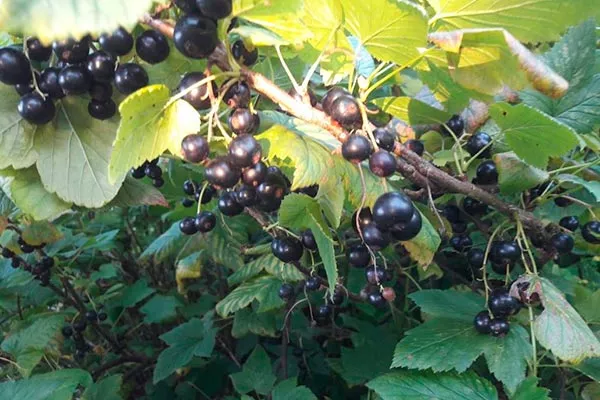
The leaves are large, green, smooth, slightly wrinkled, five-lobed, and slightly glossy. The flowers are bell-shaped, with reddish sepals that curve slightly downward. The racemes are drooping, up to 8 cm long.
Descriptions of fruits
The powerful branches of the Lentyay currant are densely covered with clusters on which large, but uneven berries are formed.
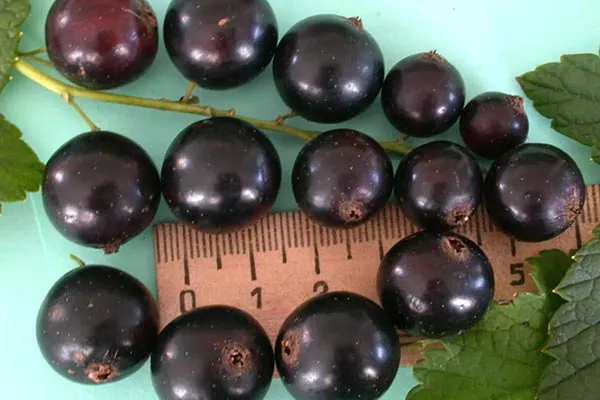
Description of fruits:
- Colour: black with a brown tint.
- The shape is oval.
- Weight: 2.5-3.1 g.
- The skin is dense and not tough.
Taste and application
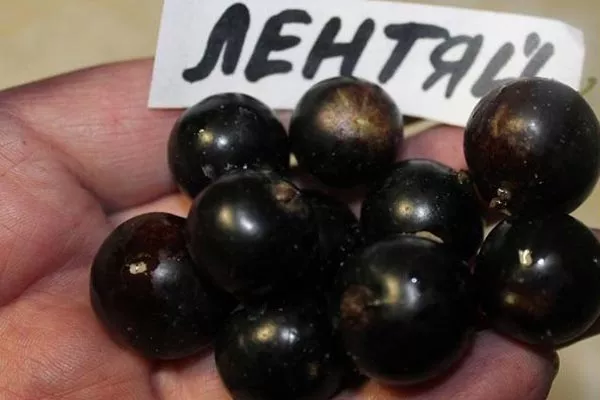
The berries have a sweet, dessert-like flavor (rated 4.8 on a 5-point scale), with a distinct, refreshing tartness. The berries have a dry, medium-length stem and a medium-length base.
Chemical composition of berries:
- Sugars - 8.8%.
- Titratable acidity: 2.8%.
- Vitamin C (ascorbic acid) - 117.4 mg per 100 g.
- Anthocyanins - 115.4 mg per 100 g.
- Leucoanthocyanins - 321 mg per 100 g.
- Catechins - 237.9 mg per 100 g.
- The sum of P-active substances is 674.3 mg per 100 g.
The berries have versatile uses; they're delicious fresh and suitable for all types of processing. They make excellent juices, syrups, jams, jellies, liqueurs, wines, and other homemade preserves.
Main characteristics
The Lentyay currant has excellent agronomic characteristics, which have been appreciated by both amateur gardeners and industrial fruit and berry growers.
Productivity
The Lentyai currant is a high-yielding variety. A single mature bush can yield 0.9 kg of berries. In commercial cultivation, the average yield is 6.6 tons per hectare.
Ripening time
The Lentyai currant is a mid-late variety. The bushes bloom quite late—in the second half of May. The first berries appear in early August.
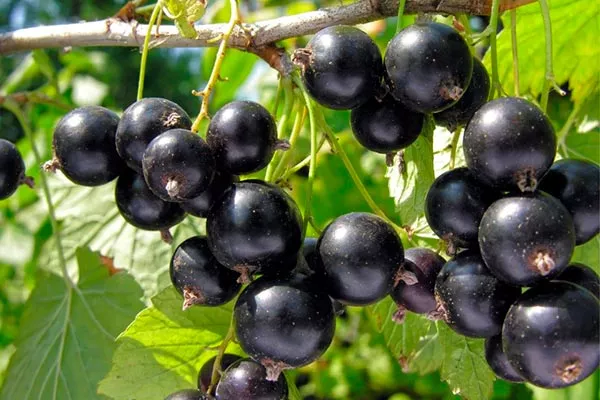
The variety is distinguished by its extended fruiting period, which continues until September.
Frost resistance and other features
The Lentyay currant is distinguished by its good resistance to frost and heat. In winter, the plant can safely withstand temperatures down to -34°C. The bushes also tolerate dry periods well.
The Lentyai variety is characterized by good self-fertility—over 40%—and early fruiting—the plant begins bearing fruit in the second year after planting. Fruiting lasts for approximately 20 years.
Disease resistance
The variety has fairly good immunity, being resistant to septoria, anthracnose, and terry leaf blight. However, it lacks resistance to powdery mildew and columnar rust.
Pros and cons
While the Lentyay currant has its advantages, it also has a number of disadvantages. When choosing a variety for planting, it's important to consider the full range of pros and cons.
Landing
The development, growth, and fruiting of currant bushes directly depend on the success of the chosen planting site.
- ✓ The optimal depth of groundwater is at least 1.5 m from the surface.
- ✓ The required soil pH level for the Lentyay currant is 6.0-6.5; apply lime if necessary.
It is also important to plant the seedlings correctly, in accordance with generally accepted agricultural practices.
Selecting a site
Currants should be planted in well-lit locations, preferably on the south and southwest sides of the plot. They are best planted along fences and hedges, providing protection from northerly winds.
Selection of seedlings
Seedlings for planting are purchased from specialized nurseries or from trusted and reliable suppliers.
Signs of a good seedling:
- The roots are strong and branched, 20-30 cm long, and free of damage and dry areas.
- Leaves are green, shiny, without spots, defects or yellow leaves.
- The stem is strong, without cracks or damage, with several shoots. Three shoots are 30 cm long.
- Age: 1 year. In one-year-old seedlings, the buds are located at the bottom, in two-year-old ones, they are at the top.
Planting dates
Currants are planted in spring or fall. However, experienced gardeners consider autumn to be the best time for planting, with at least two weeks remaining before the onset of frost.
It is not recommended to plant currants in the spring because the plant may begin to grow before its roots have strengthened and taken root.
Soil preparation
Currants grow best in loose, sandy loam and slightly podzolic soils that are permeable to moisture and air. Optimal acidity: 6-6.5 pH. Ideal precursors include winter crops and legumes.
- Conduct a soil pH test 2 weeks before planting.
- Add slaked lime if necessary to adjust the pH, at a rate of 200-400 g per 1 m².
- Add organic fertilizers (humus or compost) at a rate of 10 kg per 1 m².
The soil is pre-dug to a depth of 20-30 cm, adding organic matter such as humus or compost. If the soil is highly acidic, it is limed with slaked lime. Excessively dense and heavy soils are loosened with river sand.
The landing process
Prepare the planting hole 2-3 weeks before planting. It should be large enough to comfortably accommodate the seedlings' root system.
Features of planting Lentyay currant:
- The recommended hole depth is 40 cm, and the diameter is 50-60 cm. If planting many bushes, leave approximately 2 m between rows.
- The hole is filled with a mixture of fertile soil and compost (10 kg). Wood ash (200 g), superphosphate (30-40 g), and potassium sulfate (150-200 g) are added to the mixture.
- Place a support in the center of the hole, then insert the seedling, carefully spread its roots, and cover with soil. Position the seedling at a 45-degree angle. The transition from the trunk to the roots should be 5 cm below the soil surface after planting.
- The planted plant is watered with warm, settled water, and when it is absorbed, the soil is mulched with leaves, mown grass, etc.
Favorable and unfavorable neighborhood
For currants to grow well and bear fruit, they need good neighbors. When planting currant seedlings, consider what's growing or will grow nearby.
Favorable neighborhood:
- yoshta;
- honeysuckle;
- blueberry;
- onion, garlic.
Care instructions
The Lentyay currant requires fairly simple but regular care. This will directly impact the bush's health, fruiting ability, and yield.
How to water currants?
The soil around the tree trunks should be moderately moist, but avoid stagnant water, as this can cause root rot. If the bushes are dehydrated, the ovaries will drop and the berries will become smaller.
Watering currants is especially important at the following stages:
- appearance of ovaries;
- ripening of berries.
The recommended watering rate is 20 liters per square meter. This is poured into a furrow dug 30 cm from the trunk. After watering, when the soil has dried slightly, loosen it and mulch it, preferably with peat or humus.
Fertilizing
Currants are fed with organic and mineral fertilizers, and it is recommended to alternate them. Fertilizing begins in the third year after planting.
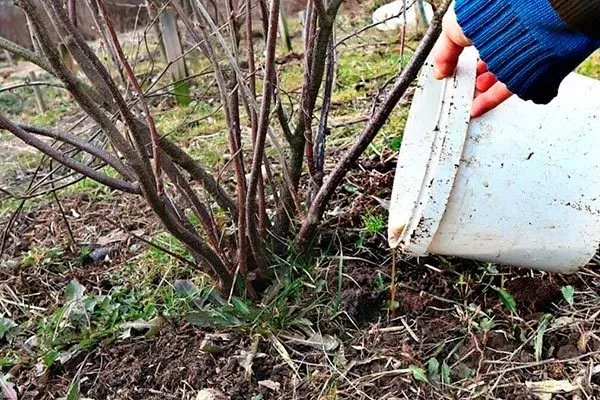
Approximate feeding regime:
- In the spring, apply nitrogen to stimulate foliage growth. It's also recommended to add 40 grams of urea or 100 grams of diluted chicken manure under each bush.
- At the stage of ovary formation, 30-40 g of nitroammophoska or special complex compositions for berry bushes are added.
- In autumn, humus and wood ash are scattered around the tree trunks, 10 kg per 1 sq.m.
Trimming
The first pruning of currants is done immediately after planting. No more than four buds are left on the stems. The following fall, all deformed and weak branches are removed. In the fourth year, sanitary pruning is performed. This procedure is carried out in the spring, before bud break, or in the fall, before frost.
Features of seasonal pruning:
- In spring, prune all dry, frozen, damaged, and thickening branches. At the same time, shorten one-year-old shoots by two-thirds of their length.
- In the fall, remove all diseased, broken, defective, and weakened branches. Also, trim back one-year-old shoots by 1/3 of their length.
Pruning helps combat bush density. Each plant should have 15-20 shoots of varying ages. Each year, two to three new stems, growing in different directions, are left on the bush; the rest are removed.
Preparing for winter
The soil under the currant bush is cleared of plant debris, fallen leaves, branches, and berries. The bush is tied with twine from the bottom up to prevent the branches from breaking under the weight of the snow. Then, the area around the trunk is mulched with rotted straw or peat to prevent the roots from freezing. The mulch layer should be 10 cm thick.
Pest and disease control
Lentyay currant bushes can be affected by fungal diseases under unfavorable growing conditions and poor agricultural practices. Preventative spraying with Nitrofen can help prevent these diseases.
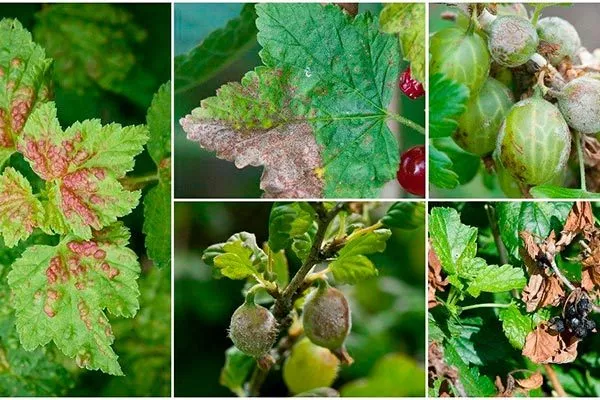
During the growing season, use chemicals with caution. Fundazol can be used to destroy fungal pathogens. The last fungicide treatment should be three weeks before harvest. Another fungicide treatment should be carried out in the fall, after the berries have been picked.
The most damaging insects to the Lentyay currant are the bud mite, which can also cause damage to the plant. There's also a risk of infestation by moths, aphids, and caterpillars. These and other insect pests can be controlled with Actellic, Karbofos, and other insecticides.
Harvesting and storage
The berries are harvested from late July to late August, as they ripen gradually. It's best to pick them in the morning, after the dew has dried, or in the evening, after the sun has set. Currants picked in rainy or hot weather spoil quickly.
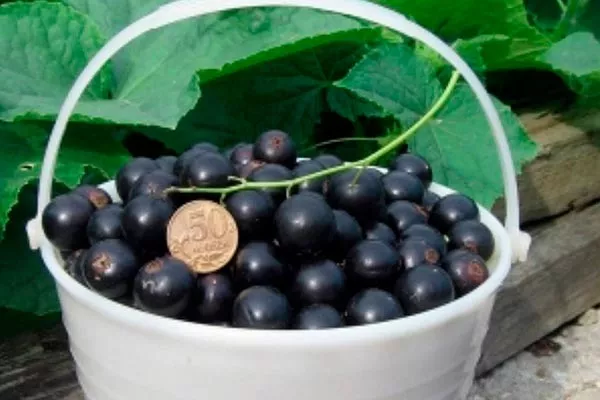
It's not recommended to transfer berries to other containers after picking. They should be immediately placed in boxes or trays for storage. The bottom should be lined with paper or cardboard. The berries should be spread out in a thin layer.
Currants are stored in tightly sealed bags at 0°C. Under these conditions, the berries retain their flavor, color, aroma, and nutritional properties for two months. Freezing currants can keep for up to eight months.
Reviews
The Lentyai blackcurrant is an interesting and promising variety that will certainly be appreciated by fans of this crop. This dessert-flavored currant is suitable for any purpose and will provide you with delicious berries throughout August.