
The Leningradsky Velikan currant is an excellent choice, combining high yields, large fruits, and low maintenance. Its versatile qualities make this variety suitable for both fresh consumption and preserves. The bushes demonstrate resistance to diseases and adverse weather conditions, making them popular among experienced gardeners and novices alike.
Who brought it out and when?
By pollinating the Stakhanovka Altai with a mixture of pollen from the Neosypayuscheysya and Vystavochnaya varieties, Russian breeders succeeded in developing a new variety, the Leningradsky Velikan. It was obtained in 1974. The selection was carried out by A. I. Potashova and E. I. Glebova.
Description of the variety
Description of the variety
The Leningradsky Velikan blackcurrant is a time-tested variety with numerous advantages. It is successfully grown in the Leningrad Region and is prized for its high productivity.
Appearance of the bush
The bushes are tall, reaching 2 meters in height. The plant has a compact form with upright branches. The root system is robust, expanding both deep and wide. The shoots are strong, yellow-gray in color, turning bright green on the outside and white on the inside with age.
The leaves are rich green, smooth and shiny on the upper side and slightly rough on the underside, with noticeable veins. The white and yellow flowers are borne in clusters, each containing up to 13 buds. They can reach 11 cm in length, with up to 12 berries forming on a single cluster.
Berries and their taste characteristics
Currants are distinguished by their harmonious sweet and sour flavor and rich aroma, characteristic of this variety. They are versatile in use: they can be eaten fresh or used to make jams, juices, preserves, and other preserves.
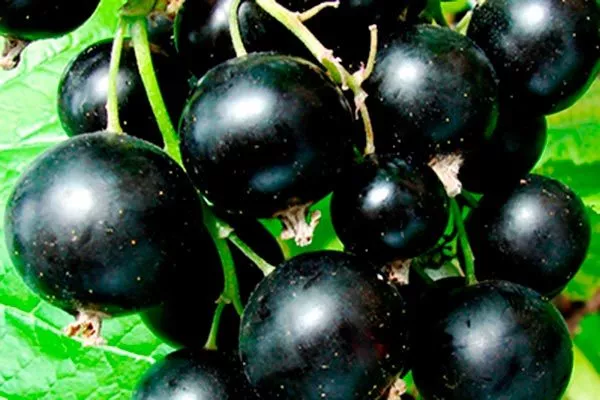
The berries are a rich black color and large, weighing 1.5-2 grams. They are round in shape, covered with a dense, elastic skin with a glossy sheen. Dry picking makes harvesting easy. The juicy flesh has an amber hue and rich flavor.
Characteristic features
This plant boasts numerous advantages and characteristics, making it prized by many gardeners in our country. It's undemanding and easy to care for, making it easy to grow even for beginners.
Scope of application
The Leningrad Giant is a versatile variety. The berries have a dessert-like flavor and aroma, making them ideal for fresh eating. They can also be used to make preserves, jellies, compotes, juices, and pastilles. The thin skin and tender flesh help preserve the berries' flavor and texture after freezing.
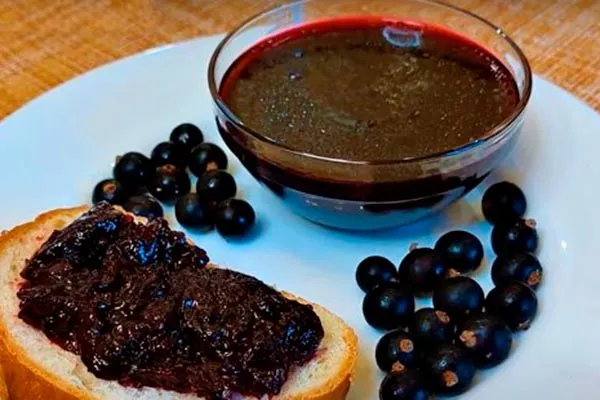
The fruits are used to decorate desserts, baked goods, and to make sauces for meat and fish dishes. The high concentration of vitamin C, sugars, and acids makes this variety useful for strengthening the immune system, preventing vitamin deficiencies, and improving metabolism.
Productivity
The yield of the Leningradsky Velikan variety depends largely on proper care. With proper cultivation practices, one bush can yield 3 to 4.5 kg of berries, and up to 20 tons per hectare. These yields can vary depending on weather conditions, the age of the plant, and its location.
Ripening, fruiting
The Leningradsky Velikan currant is a mid-season variety. Fruiting begins in the second ten days of July. The berries ripen almost simultaneously, but the speed of their ripening depends on access to sunlight.
Self-fertility
The Leningrad Giant is considered self-pollinating, but in reality, only 50% of the variety is self-pollinated. To increase yields, plant other varieties with similar flowering times nearby to ensure cross-pollination and improve fruit set.
Location and soil requirements
The plant thrives in sunny, well-lit areas. In shade, the bushes will produce small, tart fruits. For optimal growth, choose locations protected from wind, such as near fences or buildings.
The soil should be light, fertile and well-drained, which will provide the plants with the necessary conditions for full growth and fruiting.
Winter hardiness
The crop is frost-resistant, but in regions with cold winters, take extra measures to protect the plant. Follow these steps:
- Remove fallen leaves.
- Water the plant generously to keep the soil moist.
- Mulch the soil with a layer of 10-15 cm to retain heat.
- In winter, cover the base of the bush with snow for additional protection from frost.
In case of particularly harsh winters, wrap the currants with covering material for additional protection from the cold.
Planting currants
The Leningrad Giant is a variety with high demands on soil and planting site. Sunny, draft-free areas, such as near fences or building walls, are preferred. Seedlings are best planted in early spring, before the sap begins to flow, or in early fall, before frost sets in.
Preparing the landing site
Preparing a plot for planting currants involves several steps. Follow these recommendations:
- Currants prefer sunny areas protected from strong winds. Partial shade is acceptable, but a bountiful harvest requires at least six hours of sunlight per day.
- The soil should be light and fertile, with good aeration. Loamy and sandy loam soils with a neutral or slightly acidic reaction (pH 6-6.5) are best.
- Clear the area of weeds, especially rhizome weeds (e.g. couch grass).
- Dig the soil deeply (to the depth of a shovel blade), breaking up large clods.
- If the soil is poor, add organic fertilizers (rotted manure, compost) at a rate of 10-12 kg per 1 sq. m. On heavy soils, add sand (up to 10 kg per 1 sq. m). When digging, use complex mineral fertilizers: superphosphate (30-40 g per 1 sq. m) and potassium sulfate (20-30 g per 1 sq. m).
If the soil is acidic, add dolomite flour or lime (200-300 g per 1 sq. m) 6-8 months before planting.
For single plantings, dig holes measuring 50x50 cm and 40-50 cm deep. If planting multiple bushes, dig trenches. Leave 1.5-2 m between bushes to ensure proper growth and light.
Methods of reproduction
There are several ways to increase the number of seedlings in your garden. The best time to do this is spring, so you can have young plants by fall.
Basic methods of reproduction:
- LayersIn spring, bend woody side branches to the ground. Add loose soil to the center of each shoot, leaving the tip exposed. Keep the branches regularly moist throughout the summer, and in the fall, separate the rooted shoots from the mother plant and transplant them to a new location.
- CuttingsCut a two-year-old branch and cut it into 10-20 cm long cuttings. Place them in containers of water, adding a growth stimulant such as Kornevin. After a few months, when the cuttings have rooted, plant them in the ground, watering them regularly.
Once the plants have grown stronger, transplant them to a permanent location. - DivisionIn the fall, dig up the mature bush and divide it into 2-3 pieces, each containing roots, several shoots, and basal buds. Immediately replant the divided pieces in a new location for further growth.
Step-by-step instructions
Before planting, inspect the seedlings carefully. The branches should be vibrant and flexible. If any plant shows signs of disease or pests, discard it, as it will not only fail to produce a good harvest but could also become a source of infection for other bushes.
- ✓ Seedlings must have a healthy root system without signs of rot or damage.
- ✓ The branches of the seedlings must be flexible, without cracks or signs of disease.
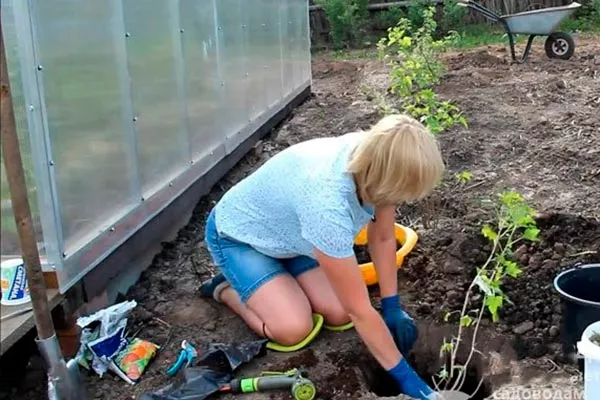
Follow these steps:
- Place planting holes at least 1 m apart, and leave 1.5-2 m between rows.
- Form a mound at the planting site and place the seedling on it at an angle of 45-60 degrees, which will promote better rooting.
- Spread the roots over the entire surface of the hole and sprinkle with nutritious soil.
Tamp the soil down and water it thoroughly until it's moist and loose. This will help the soil penetrate to the roots, displacing excess air and promoting better root adhesion.
Care Features
Caring for your crop plays a key role in achieving a high yield and maintaining its health. Regular agricultural practices not only help improve plant development but also prevent various diseases, increase resilience to adverse conditions, and boost yields.
Watering, fertilizing
Currants require regular watering, especially during the period of active growth and fruiting. It's important that the water is applied evenly and not too cold, as this can damage the root system. Pour the water at the roots, avoiding drips on the foliage.
For normal growth and fruiting, currants require regular fertilization:
- In the spring. When buds open, apply nitrogen compounds, such as ammonium nitrate, to stimulate shoot growth.
- In summer. During the fruiting period, add phosphorus-potassium substances (superphosphate and potassium salts), which promote high-quality fruit formation.
- In autumn. Before wintering, use organic fertilizers (humus or compost) and provide additional feeding with potassium solutions to strengthen the roots and increase the plant's winter hardiness.
Garter, pruning
Although the plant has upright shoots, during the fruiting season the bush can collapse under the weight of the berries. To prevent this, tie the branches to a support or trellis.
The garter helps to keep the plant in an upright position, preventing damage and ensuring optimal access of light and air to each branch.
Pruning currant bushes is an important part of their care. It stimulates new growth and improves ventilation and light levels, reducing the risk of disease.
Trim twice a year:
- In the spring. Remove all damaged, dried, old branches and shoots that are too dense for the plants to facilitate access of light and air.
- In autumn. After fruiting has finished, begin sanitary pruning, removing all diseased and weak branches. Leave strong shoots for next season.
Carry out the procedure with caution so as not to damage the main stem and not to deprive the bush of too many shoots, which can reduce the yield.
Frost protection, preparation for winter
The crop is highly winter-hardy, but in regions with harsh winters, additional protection is required. This is especially true for young plants that have not yet reached maturity.
To protect currants from severe frosts, follow these recommendations:
- In the fall, water the bushes generously to prevent the soil around them from freezing and to provide the roots with the necessary amount of moisture.
- Mulch the soil around the plant. A 10-15 cm layer of mulch (peat, sawdust, dry grass) will help retain heat in the roots.
If winters in your region are particularly harsh, cover your bushes with agrofibre or other covering materials. This will prevent damage from low temperatures.
Harvesting and storing currants
Pick the fruit when it reaches a sweet and sour consistency. If left on the vines too long, it may fall off. Harvest the fruit manually or with mechanical equipment.
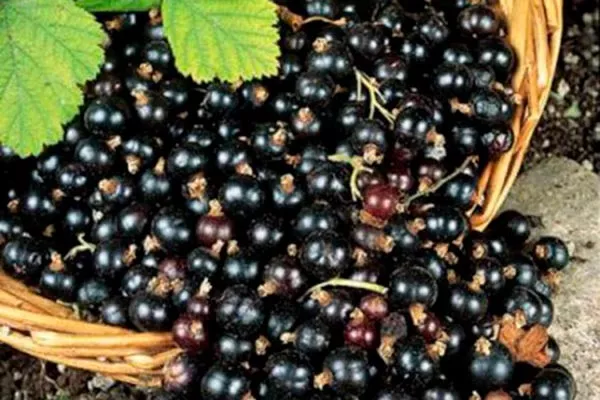
The berries of this variety are excellent for eating fresh and processing for the winter. To preserve the harvest for a long time, freeze the berries or make jam or preserves. They will keep in the refrigerator for up to 15 days.
Prevention of diseases and pests
The crop is susceptible to powdery mildew, which can significantly impact its health and yield. Use chemicals to protect the bushes, as traditional methods of controlling this disease are ineffective.
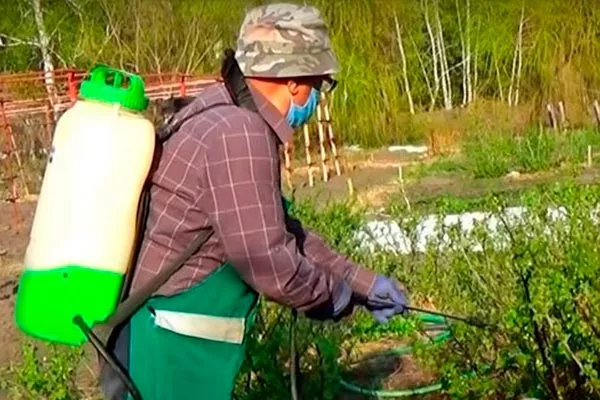
Apply the first treatment in early spring, before the buds begin to open. Use products such as Hom, Ordan, and others. Spray the bushes every 14 days. Stop all chemical treatments three weeks before harvest.
If powdery mildew has already affected plants, use fungicides. Recommended products: Raek, Vectra, Topaz, and Thiovit Jet.
Positive and negative qualities
The crop has several significant advantages that should be considered before planting. The same applies to its disadvantages.
Among the negative qualities, some gardeners note a low level of self-fertility, weak resistance to powdery mildew, early flowering, and brittle branches.
Reviews
The Leningradsky Velikan currant is a sought-after variety, characterized by numerous characteristics. These include high winter hardiness, excellent fruit flavor, and strong immunity. Despite its reputation, this crop requires careful care and adherence to certain agricultural practices.