
Red currant Vixne is a Latin variety, hence its unusual name. The bush comes in early and mid-season ripening varieties, which is convenient because it can be grown anywhere in the country. Vixne currants produce juicy and delicious red fruits.
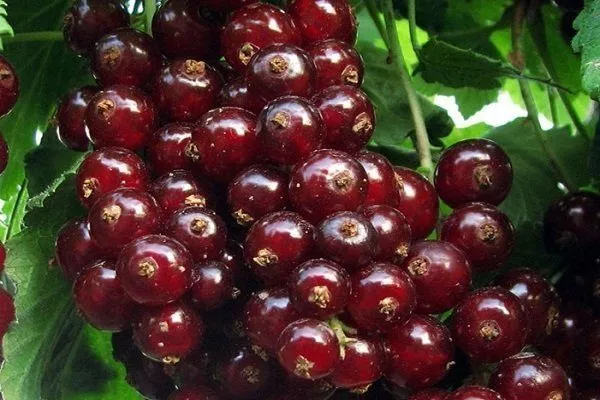
Currant Viksne
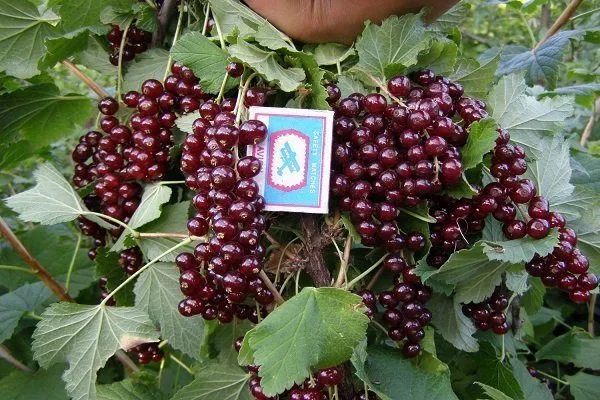
The berries of the Vixne currant are large and firm.
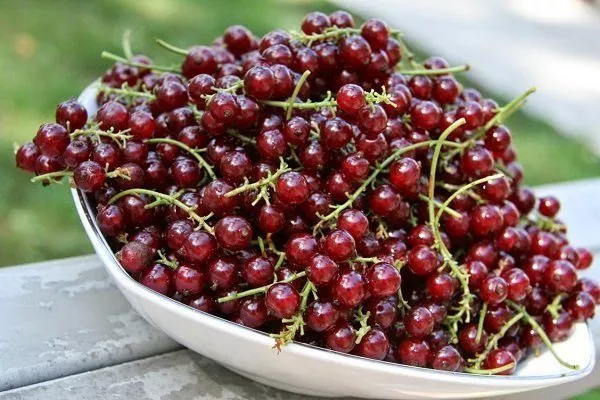
The Vixne currant contains few seeds.
Origin
The Viksne plant originated from a breeding base in Latvia. Breeders at this facility developed new varieties using experimental methods. Its ancestor, the Varshavich variety, is renowned for its vibrant, richly colored harvest. 1997 was the year Viksne was added to the Russian registry. The crop has since been cultivated in virtually all former CIS countries.
Description of the hybrid
The Vikse red currant is very popular among gardeners. It's very attractive and requires little care.
| Name | Disease resistance | Soil requirements | Ripening period |
|---|---|---|---|
| Bushes | High | Light, sandy loam | Average |
| Berries | Average | Moist, not waterlogged | Early |
Bushes
The branches are spreading, about 1.5 m long. The shoots are large, smooth, and gray-brown. The buds are long, small, and slightly deflected. The leaves have 5 lobes, with wavy, dark green edges. The surface is smooth, slightly pubescent beneath. The teeth are medium-sized, pea-shaped. The flowers are small, located on the large leaves.
Berries
The average weight is 0.8-0.9 g. The fruits are round in shape, with visible veins. They have a rich aroma and a sweet and sour taste. At a tasting exhibition, professionals rated the flavor at almost 5 stars. The pulp contains a small number of seeds, and the skin is thin but quite strong.
Pomegranates have a bright red hue, sometimes called cherry pomegranates. They contain pectin (2.5%) and vitamin C (approximately 35 mg per 100 g).
Fully ripened fruits do not dry out or rot; they can hang on the plant for quite a long time and will not lose their marketable appearance over time.
A substance such as pectin helps remove harmful substances from the body.
Varietal characteristics
This mid-early variety boasts excellent yields. It's resistant to viruses, heat, and cold, making it ideal for growing anywhere in the country.
Ripening time and yield
This shrub variety produces a high and consistent yield. If planted in September, a very small but tasty harvest (about 2 kg) can be obtained in July. The bush begins to bloom in late spring, and the berries ripen in midsummer.
The gardener will reap the largest harvest in the fifth or sixth year after planting. In good weather and favorable conditions, a harvest of approximately 10 kg of fruit is possible. The average yield is 6 kg.
From 1 hectare of land you can get about 16-18 tons of currants, which is a good indicator for this crop.
Application
Vixne has a unique set of uses. It can be eaten fresh, which is precisely why it's grown, and the berries are frozen or canned. Pectin is used to make jam and compote.
The beneficial properties of blackcurrants help quickly overcome high fever and weakness. The juice of the berries not only quenches thirst but also acts as an anti-inflammatory. The red fruits help circulate blood throughout the body, and Vixne is used as a preventative against heart attacks.
Transportability
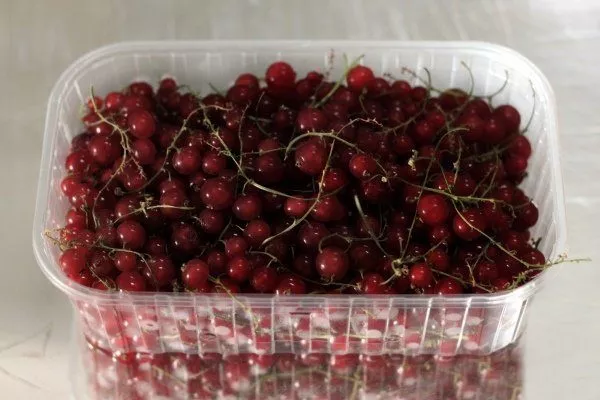
Vixne is an excellent variety for large-scale cultivation. The fruits have a durable skin, making them suitable for transportation. Furthermore, the berries hang on the currant bush for a long time without rotting.
Resistance to diseases and pests
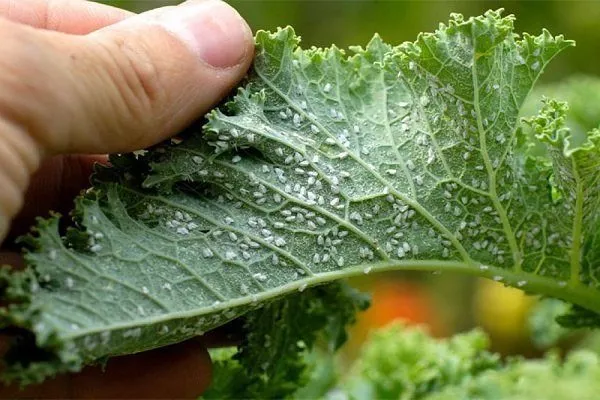
Currant bushes have a strong immune system and resist fungal diseases, but they are often attacked by aphids. To prevent these insects from even approaching the plant, weeds must be constantly removed, as they serve as breeding grounds for the pests.
Anthracnose is also harmful, its main symptom being reddening of the foliage. The variety is not particularly resistant to this disease. To prevent root rot, water the plant regularly and avoid planting in areas with a shallow water table.
Drought and frost resistance
Vixne is a cold-hardy variety. Wind and extreme cold won't significantly damage the bush, but they can lead to deterioration of the fruit buds. This won't affect the harvest, as they will return to full health in the spring.
The variety does not like drought and heat, so if it does not receive enough water during this period, the berries will become much smaller and fewer in number.
Advantages and disadvantages
The Vixne currant bush, like other crops, has its pros and cons, which must be taken into account when planting.
Advantages of the variety:
- survives low temperatures, winds and cold even without special shelter;
- relative drought resistance;
- tolerates unexpected changes in temperature and weather generally well;
- brings a high and tasty harvest;
- the fruits have a marketable appearance;
- transportable.
Disadvantages of the variety:
- does not tolerate aphid attacks well;
- the buds freeze and then take a long time to recover;
- During hot weather and without proper watering, the berries become smaller;
- Fresh harvest cannot be stored longer than 2 weeks.
Overripe and unripe fruits contain significantly fewer beneficial microelements.
Landing features
You can grow a productive plant only if you follow the planting recommendations.
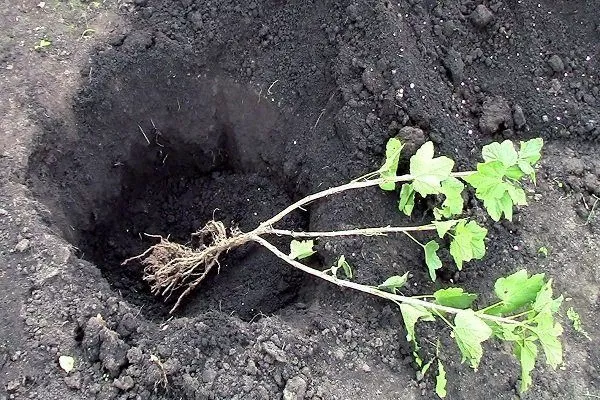
Planting dates
Vixne is best planted in the fall. Allow at least two months before the first frost to allow the cuttings time to take hold. The plant produces its first shoots in the spring.
You can plant the bush in March, but do so before the sap begins to flow. The plant will grow year-round. The first harvest will only be seen in the second year after planting. If the weather has already turned very cold in mid-autumn and the first frosts have arrived, plant the bush in March.
Selecting a seedling
Only purchase Vixne currant cuttings from reputable sellers. The seedlings should have a healthy root system and strong branches.
The bark may crack or peel—this is completely normal, and the seedling will thrive. Look for a lack of foliage and shoots; the best cutting is a two-year-old seedling with strong roots.
Site selection and preparation
Vixne takes root and produces an excellent harvest only if the site for planting the bush is carefully chosen.
Rules for choosing a place:
- Choose a sunny location, but protected from drafts. The bush can grow in some shade, but will not thrive in heavily shaded areas. The best location is near low buildings.
- Look for a place with moist soil, do not allow it to become waterlogged.
- Currant bushes thrive in light, sandy loam soils. Roots weaken in clayey and heavy soils.
- Make the planting area level or slightly elevated.
- 60 days before planting, clear the area of grass, roots of other plants and debris.
- Dig up the soil to allow moisture to be better absorbed and the roots to breathe.
- If you plant a seedling in the spring, then carry out all the work in the fall.
- ✓ Soil pH should be between 6.0-6.5 for optimal growth.
- ✓ The distance between bushes is at least 1.5 m to ensure sufficient ventilation and lighting.
Currants cannot grow in the same area for more than 15 years.
The planting process: a step-by-step guide
Before planting the seedling, it is necessary to inspect it and remove all dry, damaged areas.
Landing algorithm:
- Dig holes measuring 0.4 x 0.45 m. Maintain a distance of about 1.5 m between bushes.
- Fill the hole 2/3 full with a mixture of humus (1 part), peat (2 parts), superphosphate (250 g) and potassium fertilizer (60 g).
- Water the planting hole with 5 liters of water.
- Spread the roots of the cutting and tilt it slightly, place it in the hole.
- Fill with soil, deepen the root collar by 60 mm, thanks to this the plant will begin to grow more roots.
- Trample the soil around the bush and water it well with warm water.
- Root the shoots, leaving no more than five buds on each. This is approximately 0.2 m from the ground surface.
- Mulch the soilto prevent rapid evaporation of water.
For information on how to plant red currants in spring and fall, watch the video:
Care Features
Although the Vixne currant bush is undemanding in terms of care, it still requires minimal but high-quality care.
Watering
The plant needs water, especially during the fruiting season. It should be poured onto the trunk circle. The number of buckets required depends on the air temperature and the dryness of the soil.
Water twice every 10 days. Use about 2-4 buckets of water per plant, depending on the size of the plant and the soil moisture level. If the soil is still wet, you can skip watering.
Caring for the tree trunk circle
The soil around the bush's trunk requires regular maintenance. All grass must be weeded, as it clogs the soil and prevents the currant bush from developing properly. Grass also serves as a breeding ground for currant aphids.
After watering, loosen the soil and mulch it with leaves; this will help retain moisture longer. The root system isn't very deep, so be careful when working around the plant to avoid damaging the roots.
Top dressing
Vixen is fertilized twice: after flowering and two weeks before the harvest begins. During the growing season, which begins in May or June, nitrogen should be applied to promote the growth of green mass. Ammonium nitrate (30 g per plant) or urea (30 g per bush) are excellent options.
Helpful tips for spring feeding of currants Read on the pages of our website.
After flowering and during the fruit set period, add bird droppings (1:12) or mullein (1:5) at a rate of 2 buckets per bush. In the fall, add phosphorus and potassium during tilling. Wood ash, which contains a large amount of beneficial microelements, can also be used.
If the plant is large with massive leaves and an abundant harvest, then there is no need to apply fertilizer in the fall.
The best results are achieved with a combination of mineral and organic fertilizers applied to the bush. Avoid chlorine-containing substances, as currants are very sensitive to this component.
Trimming
To ensure rapid growth of currants, they are lightly pruned after planting, leaving about three buds on each shoot. Mature plants are left unpruned, as older shoots still bear fruit. Trim in spring You can use old, sick and dead branches, but do not touch the top.
Read about pruning in autumn next article.
For tips on pruning red currants and shaping the bush, watch the following video:
Reproduction
The plant reproduces in several ways:
- dividing the bush;
- cuttings;
- vertical layering;
- horizontal layering;
- seeds.
| Method | Time until the first harvest | Complexity |
|---|---|---|
| Cuttings | 2 years | Average |
| Layering | 3 years | Low |
| Seeds | 4 years | High |
To propagate by vertical layering, the shrub is pruned back heavily, almost to the soil surface. In midsummer, the young shoots are earthed up. In October, they are transplanted to the nursery. To obtain horizontal layering, the rooted shoots are left until early the following spring, then bent down and earthed up separately from the main plant.
Preparing for winter
Mature plants don't need covering, but young, newly planted seedlings will die without it. Plants are covered with fallen leaves.
Harvesting and storage
The currant bush is a high-yielding plant. A single bush yields approximately 6 kg of berries. Ripening time is mid-summer. The berries are harvested with the bunches intact, otherwise the crop is damaged. The fruits are used for large-scale processing; the fresh fruit can be stored for 12 days at temperatures of 1 to 2 degrees Celsius.
Diseases and pests
Currants are resistant to many diseases and pests. However, aphids are harmful to the plant. Symptoms include red blisters and growths. The insect lays eggs inside the leaf, and the hatched larvae begin to feed on the plant's sap, which ultimately kills the currant. Leaves affected by this pest are plucked and burned, and the bush is treated with folk remedies or specialized treatments.
How to get rid of aphids on currants, read in this article.
If glassworm appears on the plant, the currant bush is completely dug up and burned. Vixne is relatively resistant to anthracnose but has weak immunity to white scurf, cup rust, and septoria. These diseases can only be cured with copper-containing products.
Gardeners' reviews of the Vixne currant
The Vixne currant bush is not only easy to care for and plant, but also quite beautiful. During the fruiting season, the red berries make a beautiful addition to any garden, so gardeners often plant the plant in a prominent location.