
"Natalie" is the most popular berry variety in our country's countryside gardens. It boasts excellent yields, delicious berries, and resistance to various diseases. Most people who have chosen this variety confirm this.
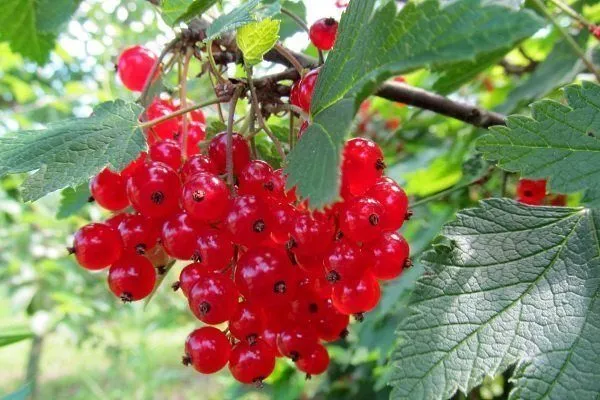
red currant variety "Natalie"
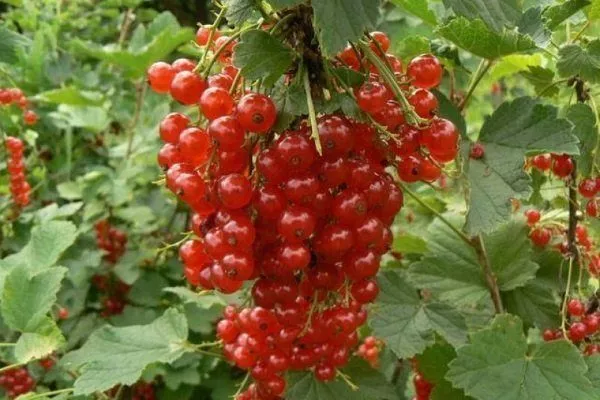
The advantages of the 'Natalie' variety include the impressive size of the berries and good taste
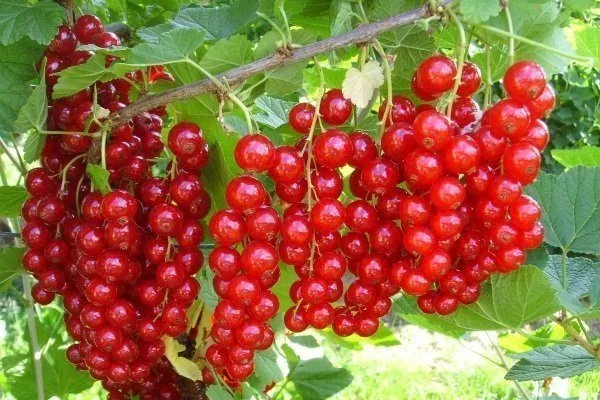
The 'Natalie' currant surpasses many varieties in sugar content in berries, yield and frost resistance
History of selection and region of breeding
This red currant variety was bred through interspecific crossing at the All-Russian Scientific Research Institute of Fruit Breeding and Cultivation (VSTISP) by V. M. Litvinova and N. K. Smolyaninova. In 1991, this variety was included in the State Register of Breeding Achievements. It is also recommended for planting in almost all regions of Russia.
Currants are naturally undemanding and don't require much care. Therefore, the "Natalie" variety can be grown in almost all regions of Russia, with the exception of agricultural enterprises and summer cottages in the Lower Volga and Northern regions. The variety is also not popular in the Russian Far East.
The best region for growing this type of currant is central Russia.
Main characteristics of the 'Natalie' variety
'Natalie' has a loosely spreading bush, but is medium-sized and fairly dense. Its upright green shoots are usually not very thick and pubescent. They are green with reddish tips, a distinctive feature of this currant variety. Woody shoots are brownish in color and also pubescent.
The leaves of 'Natalie' are five-lobed, medium-sized, hairless, slightly wrinkled, and leathery. They are green with a slight blue tint, and have a matte finish with a wavy edge. The petiole is also green, normal length and thickness, and hairless.
The 'Natalie' variety is distinguished by its large flowers with cup-shaped, dark-red sepals. This currant variety produces medium-sized clusters—up to 10 cm—with a dense, pubescent rachis.
Large, firm berries, weighing between 0.7 and 1 g. They are round and slightly elongated. They are characterized by a deep red color and contain a number of small seeds. All berries are uniform in appearance.
The variety has a dry picking pattern, but is not excessively dry. It is covered with a fairly dense skin, which allows for successful transportation of the berries.
The 'Natalie' variety of berries has a sweet and sour, yet overall very pleasant flavor. According to many tasters, the average flavor score is 8 out of 10.
The amount of sugar in this type of currant is 6.5% and 39 mg of glucose per 100 g of product.
Features of the variety
It's important to know the characteristics of a variety before you begin growing it. Below, you'll learn about currant ripening periods, yield, transportability, and other characteristics.
Ripening period
"Natalie" is a mid-season variety, meaning it takes approximately 125-135 days to fully ripen.
The best month for harvesting is mid-July. However, harvesting until early August is also possible, depending on growing conditions.
If the overall air temperature is too low, which is possible during a cold summer, this will lead to one problem with the berries. While the variety isn't particularly susceptible to frost, it does tolerate a lack of moisture with difficulty. This can affect the flavor of the berries and the health of the bush itself in the future.
Productivity
| Name | Yield (kg per bush) | Frost resistance (°C) | Disease resistance |
|---|---|---|---|
| Natalie | 3.6 | -25 | High |
| Gazelle | 2.0 | -20 | Average |
| Oryol Star | 2.3 | -22 | High |
'Natalie' is distinguished by its impressive and abundant yield. One bush can produce approximately 3.6 kg of berries. This is much more than other currant varieties. For example, 'Gazelle' and 'Orlovskaya Zvezda' yield 2 kg and 2.3 kg, respectively.
The video below shows the currant variety "Natalie":
The figures clearly show a significant advantage for Natalie in terms of the number of berries collected.
This high yield is due to the variety's self-fertility. This means that during pollination, the currant variety relies solely on pollen from its own flowers, without the need for external pollinators, such as bees.
The variety is essentially self-sufficient and capable of developing and growing without human intervention. However, to achieve the highest yield, it's best to maintain some external influences. The plant can thrive without care and fertilizer, but then the harvest results will be disappointing.
Thus, due to the unusual structure of the currant bush flower and the equally unusual pollination process, a good harvest can be collected even in less than favorable conditions and locations.
Drought and frost resistance
Moisture is a crucial component, without which the red currant variety "Natalie" is almost incapable of further development. Although the variety is considered drought-resistant, meaning it can easily withstand dry spells, it is very sensitive to water shortages during flowering.
When forming currant berries, one important factor to consider is adequate watering during ripening. This ultimately influences the size, flavor, and overall yield of the berries. While the "Natalie" variety can be considered drought-resistant, it is strongly recommended not to deprive it of moisture completely.
Regarding frost resistance, the variety is completely indifferent to cold temperatures and can withstand temperatures as low as -25°C. It also tolerates cold summer days without any problems.
Thus, the "Natalie" variety can be confidently described as drought- and frost-resistant. This is one of its main advantages over other varieties of these berries.
Resistance to diseases and pests
'Natalie' is considered the most robust and healthy red currant variety. No other variety offers such excellent resistance to plant pests and garden diseases.
The only reason 'Natalie' can be attacked by plant viruses is improper planting and ignoring proper growing and care techniques for red currants. These negative and harmful practices can weaken the bush's immunity and make it a target for garden diseases.
Transportability
Both bunches and individual berries can be transported, and they will retain their presentable appearance for a long time. The Natalie variety also easily handles long-distance transport without losing its flavor.
To ensure our currant variety doesn't lose its best qualities or spoil during transportation, it's recommended to transport the berries and bunches in small containers to preserve the layer underneath the berries themselves.
The main advantages and disadvantages of the variety
Having thoroughly analyzed the main characteristics of "Natalie", we can highlight the main advantages and possible disadvantages.
Advantages:
- Frost resistance – withstands temperatures from -25 to -30°C. This characteristic helps the variety easily cope with climatic and meteorological challenges.
- Long lifespan. This advantage refers to a long fruiting period. A healthy bush can produce a good harvest for 10 years.
- The berries remain firm for a long time, remaining undamaged for a considerable period of time after they are fully ripe and ready for picking.
- The taste of the berries is sweet and sour, but pleasant.
- Convenient and comfortable transportability.
- Long shelf life.
- Resistance to pests and plant diseases.
Benefits of red currants
Red currant, also known as common currant, is a small shrub belonging to the gooseberry family. It contains 39 kcal per 100 g, including 0.6 g protein, 0.2 g fat, and 11 g carbohydrates.
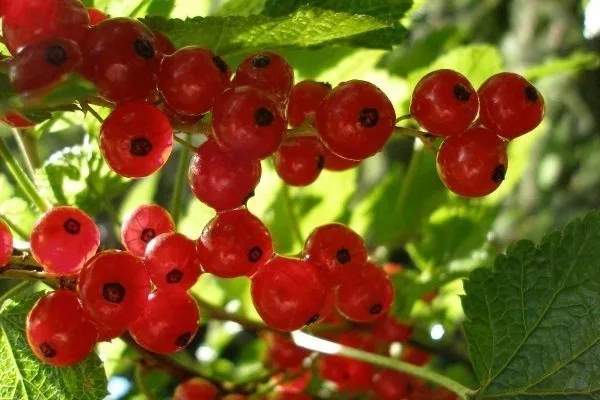
It contains a significant amount of provitamin A. Red currants are also rich in biotin and beta-carotene. They also contain organic and mineral substances, such as iron, calcium, magnesium, and sodium.
Thanks to these beneficial components, red currants help strengthen bones and improve vision. They also maintain healthy hair, soften and moisturize the skin, and stabilize the immune system.
The substances found in red currants are considered powerful antioxidants. They help combat premature aging and stimulate new cell division in the body. Thus, red currants have the ability to prolong youth.
Moreover, these already medicinal berries contain a unique component called oxycoumarin. It is responsible for blood clotting and serves as a preventative against cardiovascular diseases such as heart attacks.
Red currants are rich in pectin, which helps remove excess cholesterol from the body, thereby lowering its levels to an acceptable level and helping to avoid the unpleasant and serious diseases associated with it.
The dietary fiber found in red currants is extremely beneficial for those trying to lose weight. Due to their low calorie content, they can be safely added to your diet without fear of weight gain. Therefore, currants are a great addition to your diet when following a weight loss plan.
Natalie is used to make a variety of desserts and other table dishes. It's used to make compotes, jams, and jellies, and is also added to sauces and salads to add a piquant flavor. Beautiful clusters of red currants can be a beautiful addition to any holiday table.
Landing features
The Natalie currant variety has its own planting requirements. Read about all the nuances below.
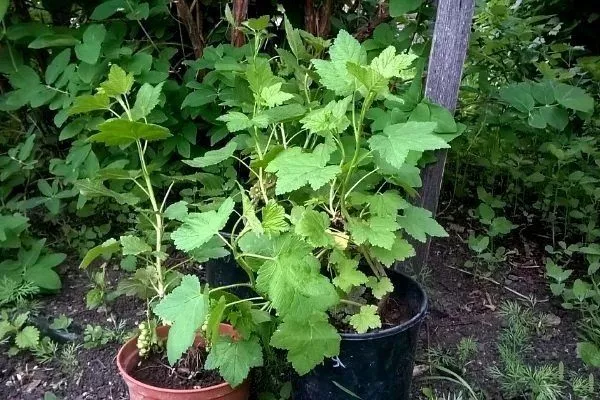
Selection of seedlings
If you've decided to plant 'Natalie' red currant bushes in your garden or yard, you'll find our tips on how to get the best results when purchasing young seedlings helpful.
When choosing them, be guided by the following data:
- The seedlings are strong and mature. They have 1-2 firm, straight shoots, approximately 25-45 cm long.
- There are several healthy and noticeable buds on the shoots
- Seedlings ready for planting consist of 3-6 coarse, skeletal roots, lightly yellow in color. Lateral roots should have a developed fibrous system—that is, a system lacking a main root and consisting primarily of adventitious roots.
- ✓ Check for the presence of a fibrous root system, which is critical for the plant’s rapid adaptation.
- ✓ Check for signs of disease on shoots and leaves.
It's best to buy seedlings from specialized nurseries and professional nurseries. This way, you'll be protected from fraud and assured that you've purchased the right variety. Furthermore, the likelihood of nursery-supplied seedlings being infected with nasty diseases will be minimized.
Landing time
The best time to plant 'Natalie' is late April and early May. However, it's also possible to plant it in late September for winter, as it's frost-hardy. However, it's important to understand that the seasons are variable, and it's best to consider other factors rather than the specific month.
The most important requirement is that the soil be warm enough. Planting currants is not recommended at temperatures below 14°C. Also, the prepared soil must be moistened. Avoid this if there has been recent precipitation. The soil structure should be loose and well-tilled.
Soil preparation
After purchasing a seedling, it is necessary to carefully prepare the planting site:
- At the very beginning, rid the soil of weeds and harmful roots.
- Then dig up the soil thoroughly and loosen it thoroughly.
- Next, fertilize the soil. A mixture of superphosphate, wood ash, and simple compost will work best. Spread the fertilizer a meter away from the intended planting site.
- Check the soil pH; the optimal level for currants is 6.0-6.5.
- Apply organic fertilizer a month before planting to improve the soil structure.
The most favorable soils for the Natalie variety are those with high water holding capacity and a relatively neutral pH. These soils contain the necessary balance of microorganisms for red currants to thrive. Examples of such soils include chernozem, clay soils, and sandy loam soils.
Propagation of currants
The best time for propagation is late August and early September. This is essential so you don't have to spend money on new seedlings and can grow them yourself. This way, you'll be sure to get what you want.
The easiest way to propagate the 'Natalie' variety is to select a few healthy shoots during pruning, remove all leaves, and cut them into 20-cm-long pieces. These should then be treated with a rooting stimulator, where they will root, planted in nutritious soil.
Step-by-step planting diagram
Before planting the seedling, dig planting holes. Each hole should be 25-35 cm in size and 50-60 cm in width.
The landing procedure is carried out as follows:
- Place the seedling into the hole and distribute the roots evenly.
- Tilt the seedling. This will promote the development of lateral roots and new buds.
- Fill the hole halfway with soil and compact the soil thoroughly.
- Fill half a bucket with water.
- Fill in the remaining soil.
- Water the bush with 10-14 liters of water.
- Fertilize the soil around the seedling. You can use manure and sawdust.
- Trim the seedling so that the length of the shoots does not exceed 14 cm.
Caring for red currants
Care for the Natalie currant variety must be high-quality and timely. Read about all the specifics below.
We recommend reading the article about How to care for currant bushes in autumn.
Watering
'Natalie' is easy to water and doesn't require much. In summer, water it about once a week, and during dry periods, increase watering to 2-3 times a week. This requires approximately 10 liters of water, at room temperature.
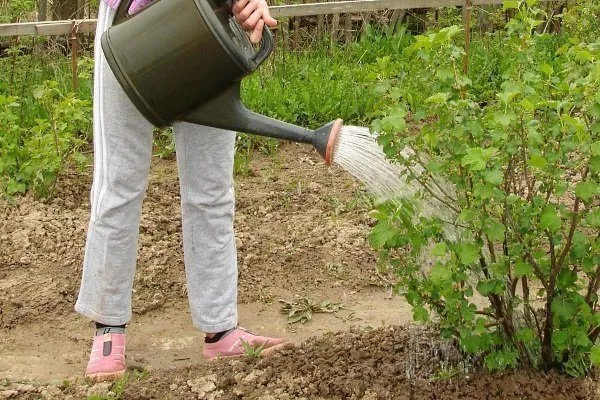
Watering 'Natalie' is especially important during the ripening period. Water it every other day during this period to ensure the berries retain their juicy, rich flavor.
Top dressing
After three years, 'Natalie' needs additional feeding. In the spring, fertilize the currant bushes with compost diluted with water. In the fall, it's recommended to use mineral fertilizers diluted with the soil in your garden.
It would be a good idea to regularly loosen the soil around the currants and remove weeds and other pests that adversely affect the microflora of the Natalie variety.
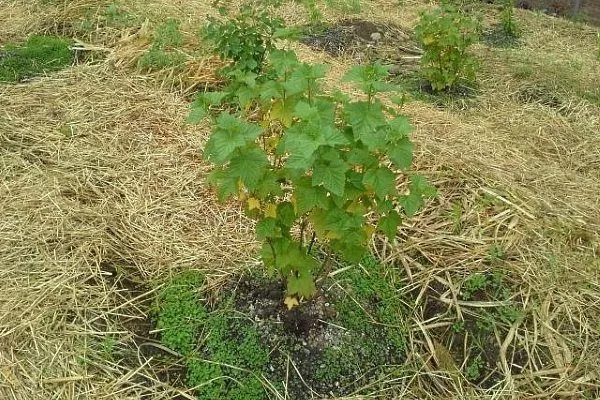
It is also considered necessary soil mulchingFor "Natalie," use bog silt or manure slurry. This will help retain water in the soil and increase the amount of nutrients needed for fertility and a good harvest. It will also insulate the root system and prevent weed growth.
Trimming
The 'Natalie' variety requires thorough pruning each season. This is due to its main drawback: the plant grows larger each year, interfering with its own fertility.
You should start in early spring, before the sap begins to flow inside the branches. Prune away old and dry branches that are unlikely to produce a good harvest. After pruning, treat the affected areas with activated charcoal.
Next, you need to trim the branches growing inward. This is necessary to prevent future sunlight from encountering obstacles on its way to the berries.
Preventative pruning is also necessary occasionally. Remove underdeveloped branches that are unlikely to produce any new growth. Don't spare broken or dry branches. Prune off any leaves that show signs of potential disease.
Harvesting and storage
As previously described, the first berries of the 'Natalie' variety appear as early as mid-July, and a single bush can yield an average of about 3.5 kg of berries. Therefore, it's time to start thinking about harvesting.
To avoid damaging the fruit buds, be extremely careful when picking the berries. First, lift the bunch slightly before picking.
It's also easy to tell when a currant bunch is ripe. At its peak, it separates from the branch very easily and effortlessly. Be careful not to damage the fruiting branch.
The best time to pick berries is dry, windless weather. Currants can be stored in containers and trays. Then, they should be packaged in glass jars. In this form, currants can be stored in the refrigerator for up to 4 weeks.
To preserve currants for a year, they must first be thoroughly washed and then dried. This process removes unwanted bacteria from the berries, which can accelerate the decay process. The currants are then packaged in bags and placed in the freezer.
Preparing for winter
The red currant variety "Natalie" is one of the most frost-hardy. But that doesn't mean you can neglect winter care.
To maintain the fertility of the currant plant and make wintering as easy as possible, cover the bush and the ground around it with humus or bog silt.
In addition to protecting the plant from the cold, it will also protect it from rodents and other pests that could damage young shoots. This can also provide additional nutrition for the bush.
Don't neglect mulching. This effort to improve your plant will pay off in the form of delicious berries and a strong plant with healthy shoots.
Diseases and pests
Although 'Natalie' is one of the healthiest currant varieties, it's not always immune to pests and diseases. We'll now discuss the main problems that can arise with the bush and their subsequent solutions:
- Powdery mildew. Your bush may be attacked by this disease in late summer. To combat it, treat the bush with Topaz after the plant has finished blooming and two weeks before harvesting.
- Anthracnose. To combat it, you'll need a ferrous sulfate solution. To make it, mix 300 g of the solution with 10 liters of water. If you've been pruning regularly, this disease will pass your bush by.
- Leaf gall aphid. This plant pest attacks currant bushes in large colonies, which can stunt stem growth and deform shoots. To eliminate aphids, spray the bush with a malathion solution and destroy the damaged foliage.
- Gooseberry sawfly. To combat this pest, treat your currant bush with Iskra DE. To prevent this, be sure to mulch.
Gardeners' reviews
The 'Natalie' red currant variety is very popular in the berry market. If you're planning or simply want to plant something in your garden, 'Natalie' is a must-have. And considering all its advantages, it's the right choice.