
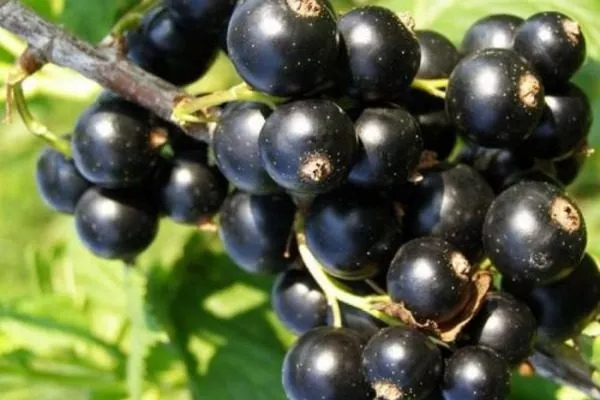
Katyusha currant is a productive variety with large, aromatic berries, a rich flavor, and versatility. The bushes are characterized by good winter hardiness, making them suitable for growing even in colder regions. This variety boasts uniform ripening of the fruit, making harvesting easy and ensuring a consistent crop.
How did the variety appear and where is it grown?
It was developed by specialists from the Belarusian Institute of Fruit Growing of the National Academy of Sciences under the guidance of breeders A. G. Voluznev, N. A. Zazulina, and G. P. Rainchikova. The Pilot and Paulinka varieties were used as parent varieties. Following successful testing, the currant was included in the State Register of Breeding Achievements of Russia.
The bush is frost-resistant and can be grown in a variety of climates. The variety is recommended for cultivation in the following locations:
- North Caucasus and Ural regions;
- Middle Volga region;
- Central zone, including Moscow region.
Features and specifications
Katyusha is a table variety with distinct economically valuable characteristics. It is successfully cultivated throughout almost the entire country due to its tolerance to climatic conditions. Experts emphasize the currant's adaptability and undemanding nature.
Appearance of the bush
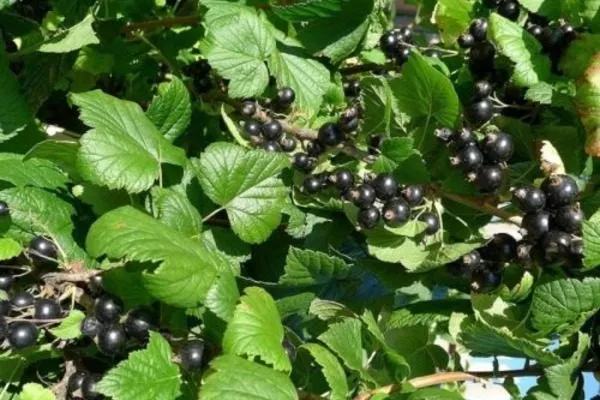
The plant is characterized by vigorous growth, a compact, slightly spreading crown and a medium degree of branching.
Main differences and features:
- Escapes – thin: in the first year they are green with a shiny surface, later they become woody, become grey-brown and retain their shine.
- Internodes – long, the surface of the shoots is smooth, without pubescence.
- Kidneys – Medium-sized, pinkish-purple in color, spindle-shaped with a pointed tip. They are arranged parallel to the shoot. The apical buds can be either free-flowing or tightly packed, cylindrical in shape, and surrounded by small additional buds.
- Leaves - Five-lobed, ranging from small to large, light green with a yellow tint, with a shiny and slightly wrinkled surface. The leaf blades are horizontal, with wavy edges and distinct notches between the lobes.
The middle and lateral lobes are approximately equal in length, all with acute apices. The leaf base is straight, with small but wide notches, and the margins are serrated. The petioles are colored, smooth, and pubescent.
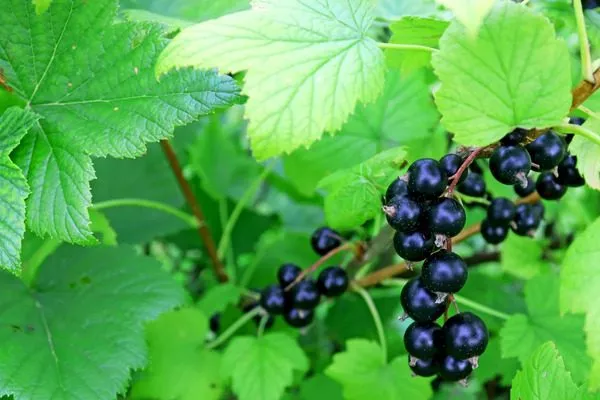
- Flowers – Medium-sized, deep red. The pistils are level with the stamens or slightly lower. The racemes are long, drooping, and loose.
Berries and their taste qualities
Katyusha attracts attention with its large fruits – on average, their weight reaches 1.4 g. Other characteristic features:
- coloring – deep black, with a distinct shine;
- form - elongated oval;
- skin – dense but not rough;
- seeds – the quantity is small, they are small in size;
- peduncles – medium length, easy to separate during harvesting.
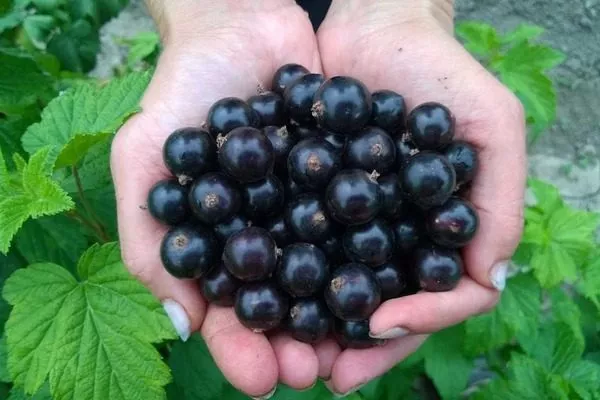
The variety has a harmonious taste – with a successful combination of acidity and sweetness, for which the berries received a high tasting score of 4.9 out of 5.
Chemically, the fruits are rich in various elements. They contain:
- sugar – 7.8%;
- acids – 2.1%;
- Vitamin C – more than 190 mg per 100 g;
- pectins – 1.4%;
- dry matter – about 15%.
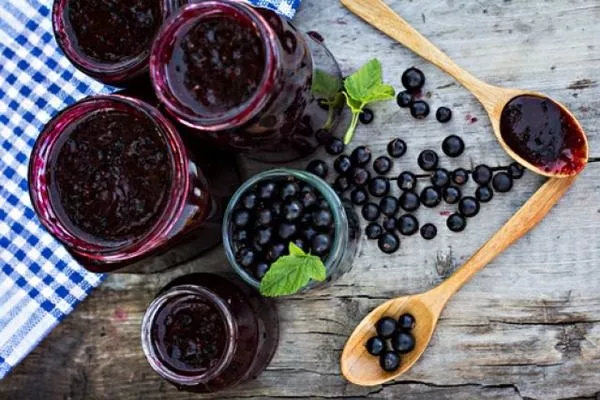
Katyusha currants are versatile: the berries are good fresh, frozen, and used in making jam, preserves, fruit drinks, jellies, and other winter preserves.
Ripening and yield
Belongs to the mid-late ripening variety - The period from the beginning of the growing season to harvest is approximately 215 days. The crop has shown positive results: with proper care, up to 11 tons of berries can be obtained from 1 hectare.
The fruits are widely used in cooking. Due to their rich biochemical composition, blackcurrant extract is also in demand in the pharmaceutical industry.
Harvesting, transportation and storage of berries
Pick the berries from the branches in dry weather to avoid the risk of mold developing during storage. The signal to harvest is a uniform black coloration of the berries, indicating full ripeness.
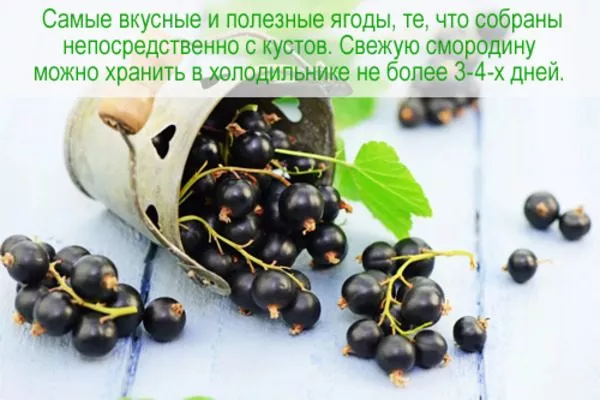
Fresh berries can be stored in the refrigerator for up to 4 days, after which they begin to lose their shape and appearance. For longer-lasting freshness, freeze them—their quality will not deteriorate in the freezer for up to six months. This variety is suitable for drying and long-distance transportation.
Resistance to frost, diseases and insects
Katyusha tolerates severe frosts without problems and is well adapted to the conditions of the Middle Volga and Ural regions. In regions with harsh winters, such as Siberia, freezing is possible, so winter protection is recommended, especially for young plants.
This variety lacks immunity to fungal diseases. Plants are vulnerable to the following infections:
- powdery mildew;
- anthracnose;
- columnar rust;
- gray rot, etc.
Landing features
To ensure a successful planting (which determines about half of the plant's future success), it's important to follow certain rules. Not only the bed in which the currants will grow, but also the planting period and the quality of the planting material play a key role. You can read about all the intricacies of planting and caring for black currants. Here.
Choosing a landing site
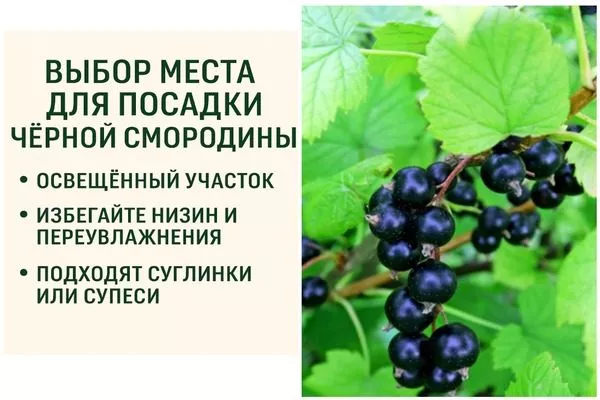
Lighting is a key factor in growing crops. But there are other important requirements:
- Currants require sunlight, but in moderation. Ideal conditions include bright morning sun and light shade during the hot afternoon hours, as too much heat can burn the foliage and damage the bush.
- Provide protection from winds. Drafts can damage currants, especially during the growing and fruiting seasons. Therefore, the best planting locations are near fences, walls, or other shelters that protect the bushes from cold blasts.
- The Katyusha variety also has strict soil requirements. First and foremost, the soil must be well-drained—stagnant water is detrimental to the plant. Heavy, fertile soil, rich in humus and possibly with some clay, is considered ideal.
If the area is dominated by light sandy soils, be sure to improve them with organic fertilizers and fertile soil mixture.
Selecting a boarding time
Choosing the right location alone is not enough to successfully plant currants – choosing the right time is equally important.
Key points:
- The procedure is most often performed in the fall, especially for bare-root seedlings. In this case, September and October are considered optimal: the plant has time to establish roots before the onset of persistent cold weather.
- If you purchased a container plant or are planning temporary storage, autumn planting is possible, but requires greater attention to weather conditions.
- When choosing the right time to plant, consider the air temperature and soil moisture. Severe cold can damage fragile roots, while waterlogged soil after rain increases the risk of rot. Ideally, the soil should be moist but not soggy, and the temperature should remain stable and above freezing.
Selecting a seedling
If you purchase planting material only from reputable nurseries or certified stores, quality issues are generally unavoidable. However, carefully inspect each plant before purchasing. Carefully check the root system—it shouldn't be damaged or dry.
The seedling should have at least three to four healthy shoots. If there are fewer, it's best not to purchase it. Pay attention to the presence and number of buds on the branches—these are what will ensure the successful development and growth of the currant bush in the future.
The landing process
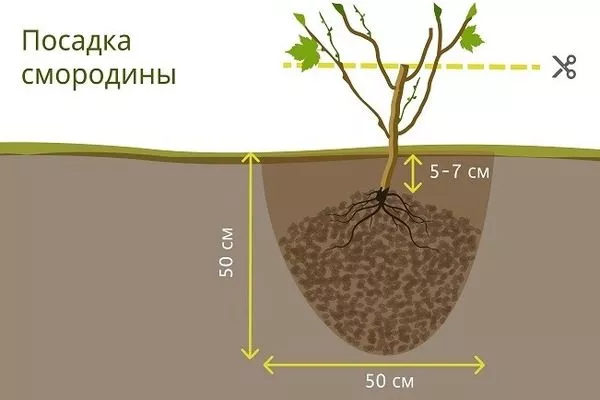
Begin preparing the planting hole approximately 2-3 weeks in advance, or ideally 4 weeks in advance. This will allow the soil to settle. Follow these steps:
- Dig a hole measuring 50 x 50 cm. Fill it with good-quality drainage material (avoid broken brick). Add organic fertilizer such as humus or manure. Add mineral complexes and microelements. Mix everything well to ensure even distribution throughout the root system.
- Fill the hole with 10 liters of water and wait about 30 minutes for the soil to settle.
- Place the seedling at an angle of approximately 45 degrees, planting it about 5 cm deep. Spread the roots over the fertilizer mound at the bottom of the hole. Fill with soil, compacting it thoroughly to eliminate air pockets.
- Water the seedling with 10 liters of water. Prune the shoots, leaving no more than two buds above the soil level—this will allow the plant to focus its energy on root development and growth. Mulch the soil around the bush (sawdust, straw, compost, or peat are best) to retain moisture and protect the roots.
Plant care
Proper care of a young bush will help it quickly begin bearing fruit and provide a long-lasting, high-quality harvest. It's important to follow simple agricultural practices.
Watering and fertilizing
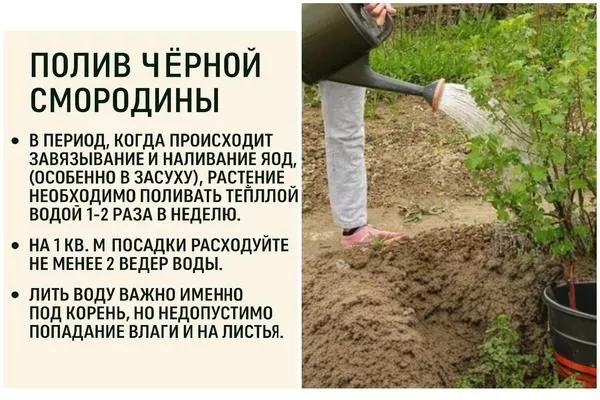
Water seedlings twice a week, then reduce the frequency to once a week. Water mature plants as needed, using 20-30 liters of water per plant.
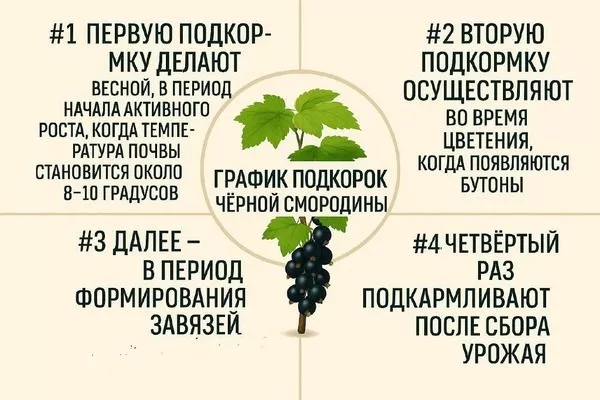
Starting in the spring after autumn planting, regularly feed the currants:
- in the spring Apply nitrogen fertilizers – urea or ammonium nitrate (read more about spring fertilizing of berry crops here);
- during bud formation add superphosphate and potassium sulfate;
- after harvest use the same composition of mineral fertilizers.
Alternate mineral substances with organic mixtures:
- bird droppings;
- green nettle decoction;
- liquid manure.
Trimming
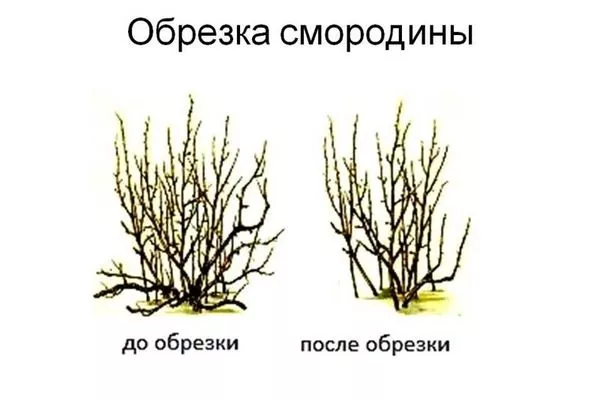
Proper pruning of the Katyusha currant bush significantly increases yield, improves the health of the bush, and promotes the formation of large berries. Perform this procedure in the spring; the optimal time is April.
If you were unable to prune in the spring, you can plan the procedure for the fall, making sure to carry it out after harvesting and before the first frost (read about the specifics of its implementation Here).
Prune branches just below the ground level, removing:
- shoots older than 5 years;
- diseased, dried out and broken elements;
- branches lying on the soil to prevent fungal infections.
To rejuvenate the bush, it is necessary to remove all old shoots, leaving approximately 15 branches of different ages to maintain normal fruiting.
Preparing for winter
Before the cold weather sets in, be sure to dig up the soil around the shrub. Apply a thick layer of mulch using:
- straw;
- sawdust;
- dry leaves;
- pine needles;
- spunbond.
Read more about the rules for preparing black currants for winter. Here.
Diseases and pests
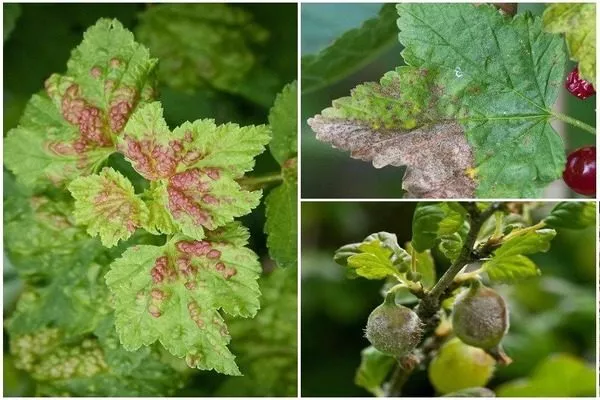
This variety is characterized by good disease resistance, but the risk of infection remains. To promptly identify the problem and effectively address it, it's helpful to know the main diseases and insects, as well as methods for controlling them.
Below is a table with this information:
| Name | Symptoms | Control measures |
| Gall aphid | Red swellings on leaves, twisting of shoots. | Spray during the budding phase with Nitrafen, a solution of laundry soap (30 g per 1 l) or tar soap (40 g per 1 l). |
| Glass-box | Delay in flowering of shoots. | Remove affected branches and treat the bush with an infusion of ash or wormwood. |
| White spot | Black dots with a white center on the leaves. | Before the buds open, apply copper sulfate or Nitrafen. |
| Anthracnose | The appearance of brown tubercles on the leaf blade. | Copper sulfate is effective. |
Regularly inspect the bushes for parasites and signs of disease, and promptly take the necessary measures to protect the currants.
Pros and cons
Katyusha has a number of important advantages and some features that are worth considering when growing.
This variety is ideal for gardeners who are willing to provide the plant with proper care and protection.
Reviews
The Katyusha currant combines flavor, productivity, and winter hardiness, making it an excellent choice even for novice gardeners. Although it requires regular care and pest control, this variety repays the effort with a bountiful harvest and high-quality berries.