
The Emerald Necklace currant is a sought-after variety, gaining popularity due to its high productivity, excellent frost resistance, and robust immunity. It is characterized by attractive berries, a pleasant dessert flavor, and versatility. With proper care, it can yield generous harvests.
Historical facts and botanical description
Developed at the I.V. Michurin All-Russian Research Institute of Horticulture, it was created by crossing the Odzhebin and Black Pearl varieties. The resulting plant produces light yellow berries with a slight greenish tint.
Peculiarities:
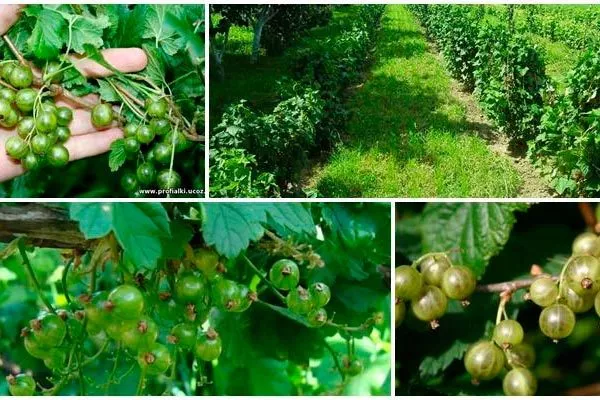
- Bush and root system. This variety is characterized by medium-sized, compact plants. Mature shoots are straight, thick, and gray with a golden hue. Flowers and berries cling firmly to the branches and do not fall off.

- Leaf blades. The leaves of this variety are smooth, with a shiny surface, rich green color and serrated edges.
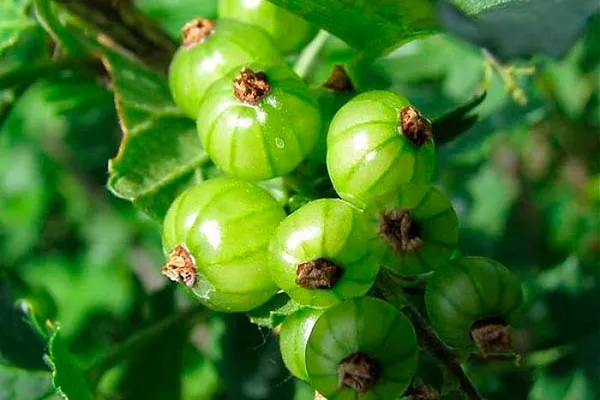
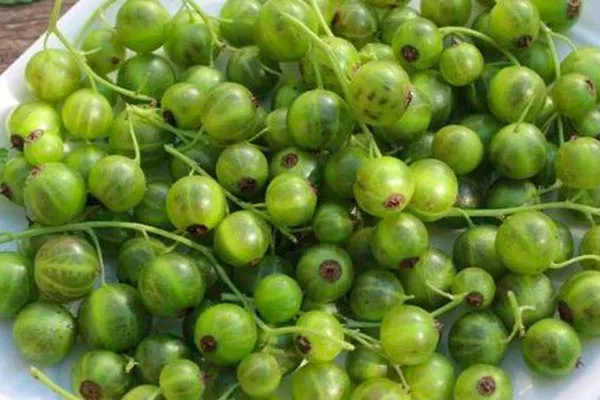
- Berries and their taste. The fruits are large, weighing up to 1.2 g, round in shape, and covered with a transparent, medium-thick skin, light yellow with green highlights. The tender, emerald-hued flesh contains a moderate number of seeds.
The flavor is refreshing, sweet and sour, reminiscent of traditional blackcurrant varieties. The berries received a 4.7 rating in tasting. They are versatile in use.
Characteristics
The Emerald Necklace currant is deservedly considered one of the best green-fruited varieties. It is popular with gardeners due to its unusual berry color, pleasant flavor, and ease of care, making it a popular choice in virtually any region.
Useful properties and uses
The berries are rich in vitamin C and contain vitamins P, K, and B9. This combination of nutrients makes the crop indispensable for vitamin deficiency, increased mental and physical stress, colds, and infectious diseases.
The fruits have a beneficial effect on the body:
- strengthen the immune system;
- maintain the health of the body;
- improve vision;
- reduce the risk of developing Alzheimer's disease and diabetes;
- normalize the functioning of the digestive system, liver and kidneys.
Currant leaves are also rich in vitamin C and contain phytoncides, tannins, essential oils, and trace elements such as magnesium, manganese, copper, and silver. Adding a few leaves to tea creates a fragrant and healthy drink, rich in natural vitamins and minerals.
The berries are versatile in use: they are eaten fresh, used to make jam, compotes, and preserves, added as a filling for baked goods, and used to decorate desserts.
Other characteristic features
Please pay special attention to the following:
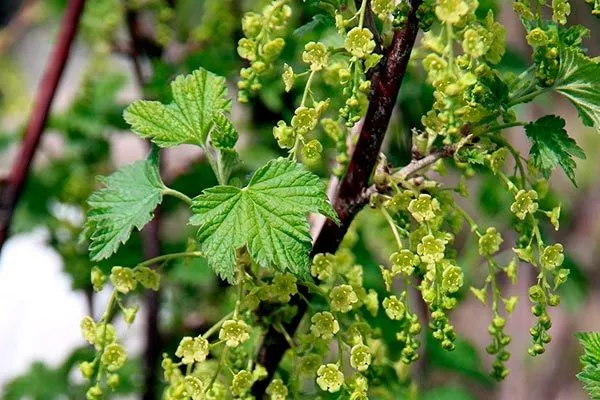
- Flowering and pollination. The plant blooms in May or June, depending on the region's climate. The small flowers are goblet-shaped, with beautiful sepals and a delicate purple hue. The racemes are dense and can reach 10 cm in length. The plant is self-pollinating.
- Fruit ripening periods. The variety has a mid-season ripening period. Harvesting begins in the second half of August.
- Productivity. The Emerald Necklace currant is characterized by good productivity: gardeners successfully harvest 9.6 tons of fruit from 1 hectare, and one bush produces up to 2.9 kg of healthy green berries.
- Resistance to sub-zero temperatures and drought. The plant is resistant to severe frosts, making it suitable for cultivation in harsh climates. However, it does not tolerate drought well, requiring regular and systematic watering.
- Immunity to diseases and pests. The variety has average resistance to fungal diseases, particularly anthracnose. However, the shrub is virtually immune to spider mites.
- Cultivation areas. Due to its good frost resistance, this variety is grown in regions with a temperate climate. Many gardeners in our country purchase Emerald Necklace seedlings for planting in their gardens.
Growing nuances
To successfully cultivate the crop and reap a bountiful harvest, it's important to carefully prepare for planting. It's important to follow the advice of experienced gardeners who know all the intricacies of planting seedlings.
Where and when to plant?
The Emerald Necklace variety prefers bright sunlight, so choose a well-lit location for planting. The shrub does not tolerate cold winds, which can cause the flowers to fall off.
Ideally, the site should be on the south side of the property, protected by a fence or building. Keep in mind that the chosen location should not have standing water in the soil.
Preparation of planting material
Before planting, prepare your currant seedlings properly. Follow these recommendations:
- Carefully examine the roots.
- Remove damaged and dried areas.
- Soak them in water for a few hours for better recovery.
- ✓ The presence of at least three healthy roots at least 15 cm long.
- ✓ No signs of disease on the bark and leaves.
- ✓ The shoots should be flexible, not dry.
Treat the root system with a growth stimulator to speed up the plant's adaptation after planting.
Landing rules
A few days before planting, apply fertilizer to the hole, then water it thoroughly. Form a mound of soil in the center of the hole. Then follow these instructions:
- Place the seedling in the hole at a slight angle, straightening the roots as needed.
- Cover with soil, gently shaking the seedling to fill the voids, and compact the soil in layers.
- Make a furrow around the planting circle and water the plant generously.
- To stimulate new growth, trim the top of the plant back to a couple of buds.
- Mulch the tree trunk circle with rotted manure or fallen leaves.
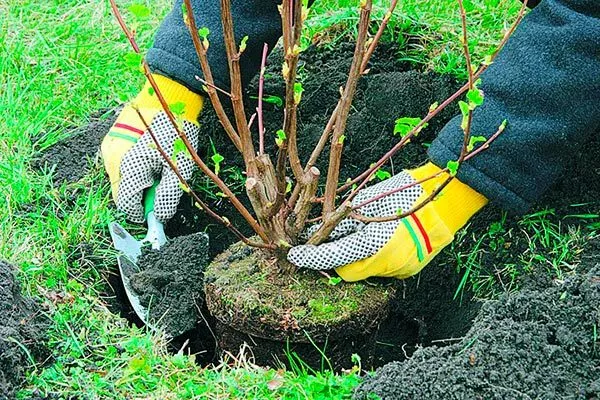
When planting several bushes in a garden or yard, maintain the following spacing: 1.5 to 2 m between rows, and about 100 cm between seedlings within a row. During the first two weeks, water the seedlings regularly, up to 3 times a week, to keep the soil moist.
Care tips
For normal currant growth and a bountiful harvest, it's important to provide proper and timely care. Follow simple agricultural practices to ensure high-quality berries.
Watering regime, loosening and mulching the soil
Currants are moisture-loving crops, especially during flowering, fruit set, and ripening. Provide ample water to the bushes after harvest.
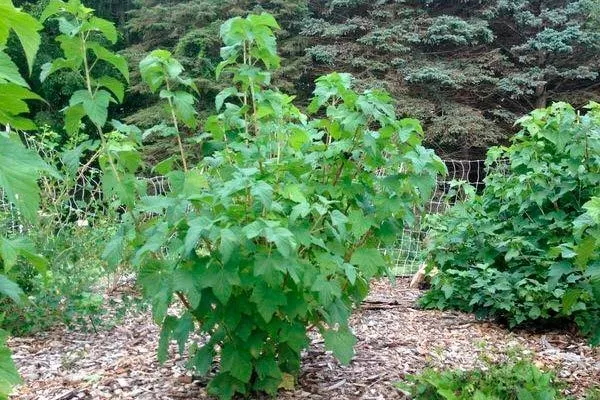
If there's no rain in the fall, periodically water the roots, as this is when buds for the next season are forming. Pour 10-20 liters of water under each plant to maintain optimal humidity.
After each watering, loosen the soil to provide the root system with oxygen and nutrients. At the same time, mulch the soil using dry leaves or sawdust. This helps prevent the soil from drying out and slows weed growth.
Fertilization
Fertilizing plays a key role in currant development and increasing yield. Apply the first fertilizer in early spring, using 20 g of saltpeter and 15 g of urea. During fruit set, apply organic fertilizers, such as a solution of cow manure, composted horse manure, or a solution of bird droppings.
After harvesting, use a mixture of 30 g of potassium sulfate, 70 g of double superphosphate, and 100 g of ash to strengthen the plant and prepare it for the next season. When cold weather sets in, mulch the soil with compost.
Pruning: formative, sanitary, rejuvenating
Currant pruning improves productivity and fruit quality, and also protects the bush from diseases and pests. The main fruits form on shoots that are 1-2 years old, so prune approximately 3 years after planting.
Remove old and weakened branches regularly, and perform pruning during the plant's dormant period—early spring or late fall. When pruning, avoid removing all the old branches at once to avoid stressing the shrub.
The cuts should be as low as possible to avoid the appearance of stumps, and the currant bush should contain no more than 15-20 shoots of different ages.
Preparing for the winter period
To protect plants from frost and increase the chances of a good harvest next season, it's important to take certain measures. A key step is to water thoroughly to ensure the soil is well-moistened before frost. Other procedures also play a key role:
- Pouring and hardening of bushes. Before bud break, water the plants and the soil beneath them with hot water, approximately 60 degrees Celsius. This will harden off the plants and kill any pests that may have overwintered in the bark and soil.
- Preventive seasonal treatments. Currants are highly resistant to pests and diseases. However, to prevent disease, treat your plants with Fitosporin.
- How to cover plantings for the winter. The crop is characterized by excellent frost resistance, as it was bred for successful cultivation in cold climates. Therefore, it does not require winter protection.
Methods of reproduction
You can increase the number of seedlings in your garden yourself at home. Gardeners recommend propagating the Emerald Necklace currant in several ways:
- Cuttings. When propagating by cuttings in the fall, prepare one-year-old shoots up to 20 cm long and at least 5 mm thick. Make the bottom cut at a 45° angle and the top cut straight. If you don't have a greenhouse, bury the cuttings in prepared trenches until spring.
- Horizontal layering. It's best to root the cuttings in early spring before buds appear. Bend the cuttings toward the ground, bury them in the furrows, and secure them with holders. When shoots 10 cm long emerge from the buds, mound them with soil, repeating this process every two weeks.
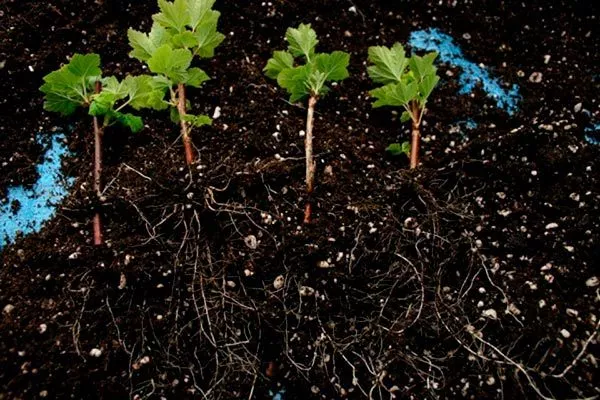
Each of these methods has its own characteristics. Choose the method that suits you best.
Diseases and pests of crops – how to combat them?
Despite the plant's strong immunity, currants can be susceptible to insect attacks and disease. This is often due to improper care. It's important to identify and address the problem promptly:
| Disease/Pest | Signs | Treatment |
| Anthracnose | The appearance of brown spots on leaves and berries, damage to shoots. | Treatment with fungicides Fitosporin or Hom. Removal and destruction of affected parts. |
| Powdery mildew | White coating on leaves and shoots, leaf blades become curved and dry out. | Spraying with sulfur or fungicides. Eliminating damaged areas and improving ventilation. |
| Rust | Orange-brown spots on leaves and shoots. | Use of fungicides Fitosporin or Hom, removal of infected parts of the plant. |
| Ticks | The leaves turn brown, curl up, and the bush grows poorly. | The use of acaricides Actellik and Fufanon, regular loosening of the soil to eliminate the habitat. |
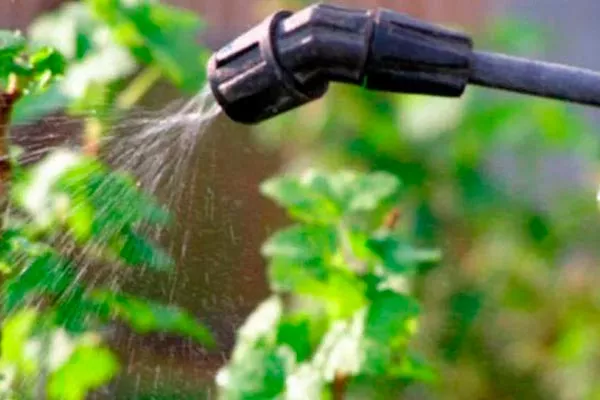
| Aphid | Leaves become deformed, shoots curl, and insect infestations are visible. | Treatment with insecticides Aktara and Confidor, use of folk remedies (solution of laundry soap). |
| Currant leaf midge | The leaves curl and dry out, and nests and larvae are visible on the shoots. | Spraying with Fufanon and Alatar insecticides, removing damaged parts and timely collection of leaves. |
| Whitefly | Small white insects fly when shaken, leaves turn yellow and dry out. | Use of insecticides Fitoverm and Admiral, use of traps to reduce the population. |
| Fusarium wilt | The leaves wither, turn yellow, and the bush stops growing. | Use of antifungal agents (e.g. Topsin). Improvement of growing conditions. |
Cleaning and storage
The Emerald Necklace variety ripens mid-late. Ripe fruits are ideal for fresh consumption, transportation, processing, and long-term storage. They also make delicious and flavorful homemade preserves.
The berries have a distinctive currant flavor, but a less pronounced aroma than blackcurrants. Store them in the refrigerator or cellar, using small plastic containers or bags. The key to prolonging freshness is low temperatures, dry air, and protection from light.
Pros and cons
Before planting a seedling, carefully study its key characteristics. This will help you avoid problems in the future. The Emerald Necklace variety has many advantages:
Some gardeners cite the need to select the right site and the small size of the berries as disadvantages of the crop. However, currants have more positive qualities than negative ones.
Similar varieties
| Name | Disease resistance | Ripening period | Size of berries |
|---|---|---|---|
| Verti | High | Average | 1-1.5 g |
| Venny | Average | Early | 1 g |
| Vilma | High | Average | 1.5 g |
In terms of fruit quality, the Russian variety "Emerald Necklace" can be compared to several foreign analogues. Key characteristics:
- Verti. A medium-sized bush, reaching 150 cm, with glossy green, decorative leaves. It produces numerous flowers that develop into light green, round berries weighing 1-1.5 g.
The skin is thin and translucent, giving the fruit an attractive appearance. The flesh is juicy and aromatic, making it suitable for fresh eating, desserts, and preserves. The yield is high—up to 3 kg. - Venny. A medium-sized plant, 1.3 m tall, moderately spreading, with large, light green leaves divided into five lobes with pointed tips. The flowers are goblet-shaped and a delicate red hue. The green berries almost blend in with the foliage.
- Vilma. A fairly popular variety among Russian gardeners. The bush is medium-height, with an oval crown. The leaves are large, green, with serrated edges. The flowers are pinkish and goblet-shaped. The berries are large, green, and excellent for fresh eating.
Reviews
The Emerald Necklace currant is an ideal choice for those seeking an easy-to-grow, high-yielding variety with good frost resistance and delicious berries. Thanks to its strong immunity, ease of care, and ability to retain fruit on the vine after ripening, this variety has earned the trust of many gardeners, even beginners.