
The Garnet currant has gained popularity among gardeners in our country thanks to its excellent productivity, exquisite flavor, and resistance to various diseases and pests. This variety attracts attention with its large berries and numerous positive qualities. It tolerates various climate conditions well and delivers a stable harvest, but requires proper care.
Historical facts
The variety was developed in 1912 in the United States by Albert Ernest Cannon. The Red Globe and Kulibinskaya varieties were crossed, resulting in a new variety with large, richly colored berries.
Appearance of the bush
This cultivar is a medium-sized variety. Plants reach up to 1.5 meters in height and have a spreading crown. The branches are covered with large, dark green leaves with a slightly silvery sheen.
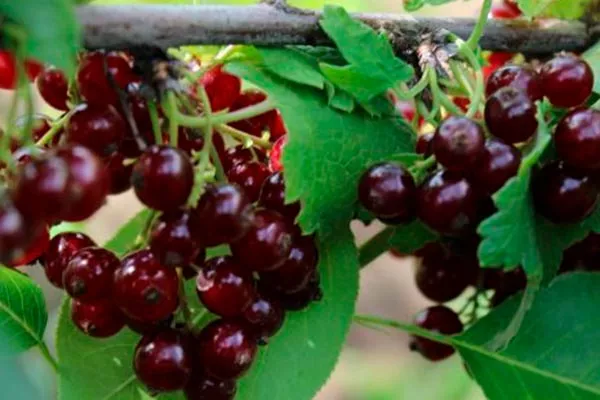
Flowering occurs in May-June and is accompanied by abundant pollen production.
Berries and their taste qualities
The fruits are dark red, round, and weigh up to 1.5 g. The skin is thin but strong, preventing them from falling off even when overripe. 100 g of the product contains 37 mg of vitamin C and up to 2.4% pectin.
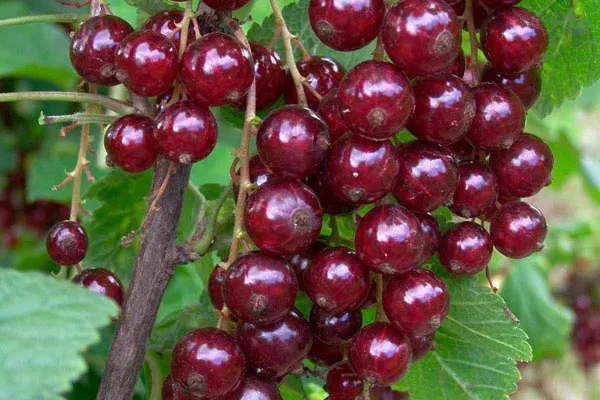
Currants have a sweet, slightly tart flavor, making them especially enjoyable fresh. Their aroma has appealing notes.
Beneficial properties
Garnet has many unique properties. It has a rich composition:
- Vitamin C – helps strengthen the immune system and helps the body fight infections.
- Pectin - normalizes metabolism, improves the functioning of the gastrointestinal tract and cleanses the body of toxins.
- Antioxidants – help neutralize free radicals, slow down the cellular aging process and reduce the risk of developing cardiovascular diseases.
Regular consumption of berries helps normalize blood pressure and support the cardiovascular system. They contain beneficial vitamins and minerals, such as potassium, magnesium, and iron, which support energy balance.
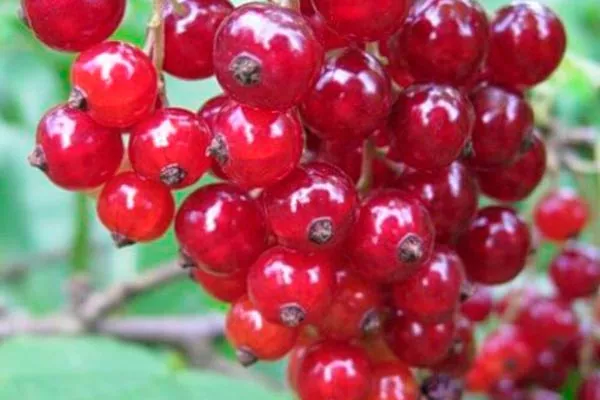
Low in calories and high in fiber, currants are an excellent choice for those watching their figure. Their vitamins and antioxidants help improve the condition of skin and hair, increasing their firmness and elasticity.
Usage
The fruits are widely used in cooking to prepare a variety of dishes and drinks. They are used to make preserves, compotes, juices, fruit drinks, and jams. They are also added to baked goods, salads, and ice cream.
In addition to its culinary uses, the pomegranate is an excellent ornamental plant. The bushes look stunning in flowerbeds and gardens, and the vibrant red berries create a picturesque accent and enrich any landscape.
Ripening time and yield of Garnet currant
This crop boasts high productivity rates—a single bush yields 8-10 kg. Fruiting begins in mid-July. During this period, harvest the currants by picking whole bunches to avoid damaging the skins.
Other characteristics
This variety is frost-resistant, making it suitable for cultivation in a wide range of climates. The plant easily tolerates low temperatures and requires no additional winter protection.
Garnet has excellent resistance to many diseases and pests. It tolerates adverse weather conditions, including droughts.
Planting currants
Proper cultivation is the key to healthy growth and a bountiful harvest. For successful cultivation, it's important to consider several key points.
Planting date
The optimal time for planting is considered to be autumn or early spring. In autumn, plant in September or early October to allow the seedlings to take root before the cold weather sets in. In spring, plan the planting for April, after the snow has melted and the soil has warmed.
Soil composition for planting
Garnet prefers loose, fertile, and well-drained soil. The optimal soil composition for planting includes a mixture of turf, humus, and sand.
Add compost and humus to enrich the soil with nutrients. The soil should be well-drained and aerated.
Size of the planting hole
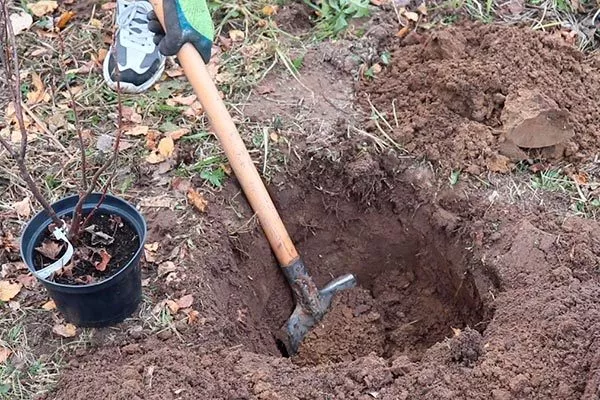
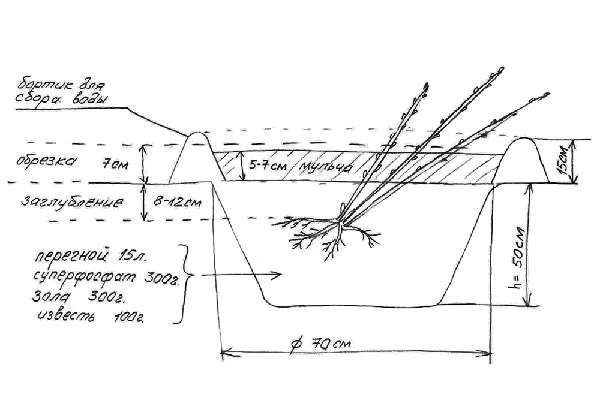
Dig a hole 50-60 cm in diameter and 40-50 cm deep. This size will allow the roots to receive sufficient nutrients and water.
Landing site
The plant thrives in well-lit locations protected from drafts. Avoid areas with close groundwater levels, as excess moisture can cause root rot.
Required soil
The soil should contain sufficient nutrients, be loose, and drain well. The optimal pH level is 5.5-6.5.
- ✓ Soil pH should be strictly within the range of 5.5-6.5. Deviations can lead to leaf chlorosis.
- ✓ The soil must contain at least 3% organic matter to ensure adequate nutrition.
If the soil is too heavy or not nutritious enough, add humus and sand when preparing the site.
Algorithm of actions
Planting currants isn't particularly difficult. Even novice gardeners can handle it.
Follow the instructions:
- Place the seedling so that the root collar is 3-5 cm above the soil level.
- Gradually fill the hole with soil, compacting it thoroughly so that there are no voids.
- Water the area thoroughly to ensure roots are in contact with the soil.
- Cover the soil with a layer of organic mulch (such as straw or humus) to retain moisture and protect against weeds.
Care activities
Caring for the crop doesn't require much time or expense, but proper care is essential for yield. Follow standard agricultural practices.
Watering
Provide the bushes with regular but moderate watering, especially in dry weather and during fruit formation. Water should penetrate to the roots to a depth of approximately 30-40 cm. Use settled, warm water to avoid stressing the plant.
In spring and summer, water currants 1-2 times a week; during fruit formation, double the amount and frequency. Reduce watering in the fall, but water thoroughly before frost to ensure successful overwintering.
Top dressing
Fertilize plants several times per season. Apply the first fertilizer in early to mid-May using a mineral fertilizer mixture of 20 g urea and 40 g nitroammophoska. This will provide the plants with the necessary nutrition to begin the growing season.
- At the beginning of the growing season, apply 20 g of urea and 40 g of nitroammophoska per bush.
- During flowering, add 150-200 g of wood ash around the bush.
- Before winter, add 20 g of potassium sulfate and 50 g of superphosphate to increase winter hardiness.
During fruit set and flowering, sprinkle 150-200 g of wood ash—it's rich in potassium and microelements essential for fruit development and plant strength. Before the onset of cold weather, apply 20 g of potassium sulfate and 50 g of superphosphate to increase winter hardiness.
Pruning currants
Prune before bud break to avoid damaging the plant during its active growth period. Follow these recommendations:
- Cut back all old, dried or damaged branches to a healthy stem to prevent the spread of diseases and pests and to improve ventilation and light transmission.
- Remove thin and weak young shoots so that they do not take resources from stronger and more viable branches.
- In the third year, leave no more than five shoots (suckers). Trim the remaining weak branches to the ground to avoid unnecessary competition for nutrients.
- Trim the tops of one-year-old shoots, leaving 2-3 buds from each branch on two- and three-year-old branches. This will increase yield.
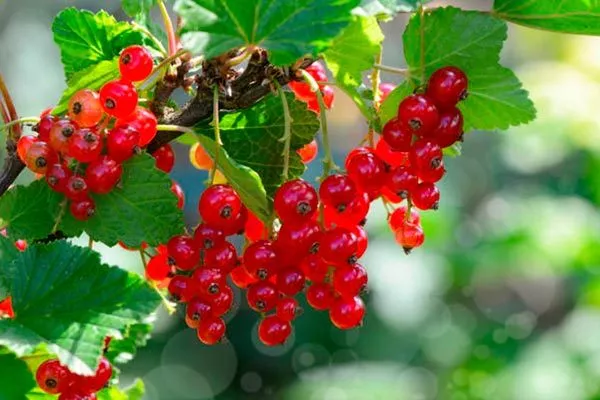
To rejuvenate the bush, prune branches older than five years to the root, leaving no stumps. Old branches lose their ability to bear fruit over time, so removing them allows for vigorous growth and the formation of new shoots.
Diseases and pests
The crop has a strong immune system if properly cared for. However, certain threats can affect its health. One of the most common diseases is anthracnose, which attacks leaves and fruits. Fungicides such as Hom or Topaz are effective against it.
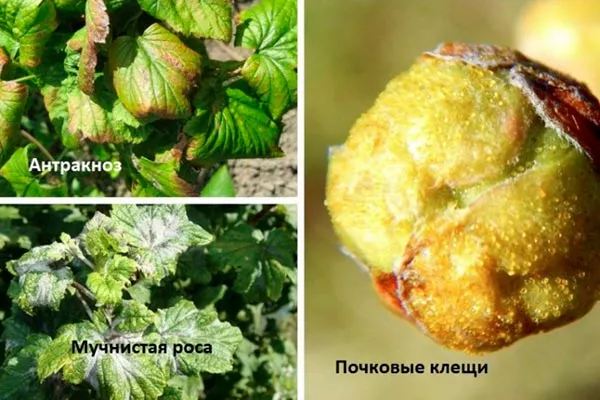
There's a risk of powdery mildew, which causes a white coating on the leaves. Bordeaux mixture or Skor can be used to combat this disease. Topsin or similar fungicides can help combat gray mold.
Among pests, moth caterpillars and leaf rollers are particularly dangerous, causing significant damage by eating leaves and fruits. Biological products based on Baktofit are an excellent alternative to chemical treatments.
Pros and cons
Before purchasing a currant seedling of the Garnet variety, weigh the pros and cons.
The Garnet currant has both undeniable advantages and some peculiarities that should be considered when growing it. Its resilience, productivity, and beautiful appearance make it an excellent choice for many gardeners, but timely care and attention to environmental conditions are essential.
Reviews
The Garnet currant is an ideal choice, combining many positive qualities: disease and pest resistance, pleasant flavor, and good productivity. This variety produces juicy, sweet fruits that are beneficial for the body. Proper care, timely planting, and adherence to agricultural practices will help you achieve an excellent harvest.