
Dutch currants are prized for the excellent taste and nutritional properties of their red fruits. They are easy to grow, tolerate drought and cold, and produce generous harvests with proper agricultural practices. This variety is rarely attacked by pests and is almost immune to diseases, but preventative spraying is important.
History of selection, description of bushes and berries
Little is known about the origins of this variety. According to its description, it belongs to Western European cultivars. Its name derives from the fact that the crop was brought to Russia from Holland. Who exactly bred it and how it arrived in the Netherlands remains unknown.
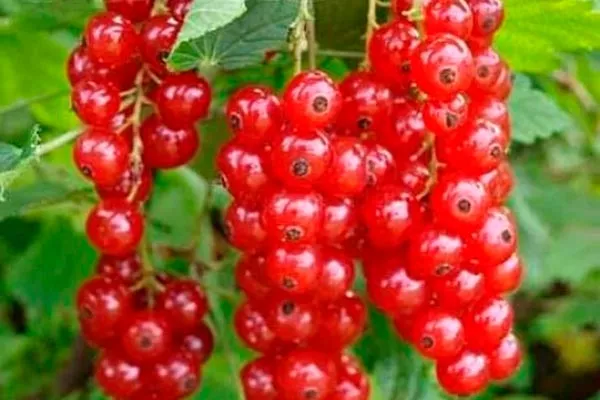
The bushes are characterized by vigorous growth and a robust structure, yet remain compact. Young shoots initially grow straight, then the plants become dense and slightly spreading, reaching a height of up to 1.5 m.
Distinguishing characteristics:
- The thick shoots are covered with medium-sized, wrinkled leaves with a glossy surface. They are colored dark green.
- Small, bell-shaped flowers. Fruiting clusters reach 7-9 cm in length.
- The berries are round, sometimes flattened or with an elongated base. The fruits are small, weighing between 0.6 and 1 g. They are translucent and bright red in color. They have noticeable light veins.
- The pulp is juicy, with a moderate amount of seeds.
Characteristics
This plant has gained popularity thanks to its excellent qualities, which make it prized by many gardeners. Before growing it, it's important to carefully study its characteristics, positive qualities, and planting and care recommendations.
Drought resistance, frost resistance
Its main distinguishing feature is its high winter hardiness. The plant easily survives harsh winters under a layer of snow, but can be damaged by spring frosts. Young seedlings require shelter, while mature bushes can withstand temperatures down to -45°C.
The crop is drought-resistant, but prolonged water stress negatively impacts yield and leads to smaller berries. Regular and moderate watering is essential.
Productivity and fruiting, shelf life of berries
This variety is renowned for its excellent productivity. Depending on soil type, weather conditions, and care, a single plant can yield between 4.5 and 9 kg. With inadequate care, yields drop to 3-4 kg.
Ripening occurs uniformly, allowing for a significant quantity of fruit to be harvested at one time. Due to the thin skin, the berries have a poor shelf life and are not suitable for long-distance transportation.
Pollination, flowering period and ripening time
The crop has a low self-pollination rate, so to ensure a consistent harvest, other varieties, preferably mid-season varieties, should be grown nearby. To further attract bees and other pollinators, plant garden flowers nearby.
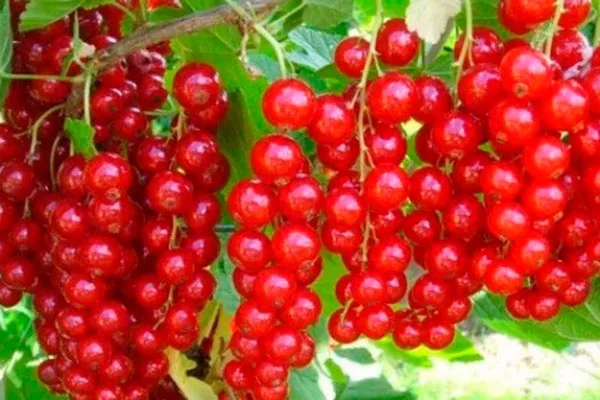
Dutch Red is a late-ripening variety. Flowering begins in the second half of June, and the first berries ripen a month later. The main wave of fruiting occurs in late July and the first ten days of August.
Application area and valuable properties
The flavor of currants depends on weather conditions. In abundant sunlight, the fruits become intensely sweet with a slight tartness, while in less sunny conditions, they become sweet and sour. The variety receives a tasting score of 3.5 points. Ripe berries separate easily from the stems, maintaining a dry peel.
The benefits and purpose of currants:
- The fruits are rich in ascorbic acid and natural sugars, making them ideal for making compotes, jams, fruit drinks, and juices.
- The berries are suitable for both fresh consumption and processing.
- Currants contain vitamin C, which strengthens the immune system, helps the body fight infections, and improves skin condition. They also contain B vitamins, vitamin K, and organic acids, which support cardiovascular health and improve metabolism.
- The fruits have antioxidant properties, protecting cells from damage, slowing the aging process, and strengthening blood vessels. The high potassium content helps normalize blood pressure and maintain kidney health.
- The berries are used to make preserves, jellies, compotes, sauces, and jellies. Their acidity makes them a perfect match for fruit. They are often added to salads, baked goods, and desserts.
Red currants are used to make juices and purees, which can be used as stand-alone drinks or added to cocktails and desserts.
Methods of reproduction
There are several popular methods for propagating pink currants. Choose the most suitable way to increase the number of seedlings in your garden:
- Cuttings. Use one-year-old cuttings taken from strong, healthy branches. Plant them in a prepared bed, moisten the soil regularly, loosen the soil, and once rooted, transplant them to their permanent location.
- Layers. Select flexible shoots, bend them to the ground, and secure them in pre-prepared holes with metal staples. Tie the tops of the shoots vertically to stakes. Replant the rooted shoots in the fall.
- Dividing the bush. This method is especially popular when replanting is required. After thoroughly watering, dig up the plant, divide the root system into several sections with a sharp knife, and replant. Divisions with young shoots take root best.
Propagation by seed is the most labor-intensive and time-consuming process. Only experienced gardeners can handle it.
Features of planting operations
Before you begin growing your crop, carefully review the recommendations for preparing and cultivating seedlings in open ground. The crop's development and growth depend on this.
Selecting a location and timing of planting
The plant thrives in any conditions, but to increase yield and extend the fruiting period, select a suitable planting site. Follow these guidelines:
- The culture grows best in sunny beds with at least 12 hours of light per day.
- A dry area with loose, soft soil is ideal. If necessary, prepare the soil beforehand: evenly distribute a mixture of manure and compost in equal parts over the surface of the soil before autumn tilling. Up to 60 kg of nutrient-rich fertilizer will be needed per square meter.
- The plant does not tolerate highly acidic soil. To reduce the acidity, add 200 g of quicklime per square meter.
- Currants do not like areas with strong winds and drafts.
The optimal time for cultivation is autumn. During this period, the bushes undergo natural stratification (cold treatment) and, with the arrival of the first warm days, begin to actively develop, significantly ahead of spring plantings.
Site preparation
To ensure the seedlings' full development and proper planting, it's important to prepare the beds for the event. Follow these recommendations:
- Dig the soil to a depth of 30-40 cm, remove weeds, roots and large stones.
- If the soil is acidic, add lime or dolomite flour in the fall to deoxidize it.
- Two weeks before planting, add organic fertilizers – humus or compost, at a rate of 10-15 kg per 1 sq. m, as well as superphosphate and potassium salt.
- To ensure good drainage, dilute heavy clay soil with sand.
- Level the area with a rake to remove any unevenness and mark out the planting holes.
- The day before planting, water the holes so that the soil settles and is sufficiently moist.
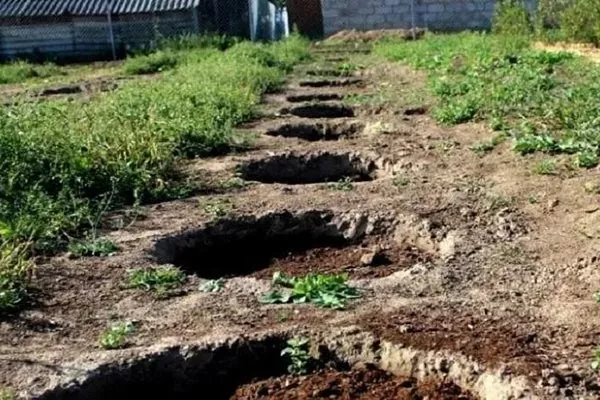
The soil for planting must be enriched with essential nutrients. Plants will receive this nourishment during the first two years of their life, which will influence their development and future yield.
Selection of seedlings
Purchase healthy plants without mechanical damage or signs of disease. Pay attention to the following criteria:
- Condition of the root system. A good seedling has a well-developed root system with numerous healthy roots and buds. If it only has one or two roots, or the roots appear damaged, dry, or brittle, refuse to buy it, even if the price is attractive.
- Root treatment. After pruning, the roots should be treated with ash or pitch. Failure to do so can result in death.
- Condition of shoots. If there are any leaves left on the bush, you can use them to determine what species the seedling is. For example, if rubbing a leaf releases a distinctive blackcurrant aroma, it could mean you're being sold a low-quality specimen.
The shoots should be thick, flexible, juicy, with a color ranging from green to slightly yellowish. - No signs of disease or damage. The branches should not show any signs of damage from pests or diseases.
- ✓ Check for at least 3 healthy shoots at least 25 cm long.
- ✓ Make sure that the plant has a well-developed fibrous root system.
Perennial plants have more than two shoots, 25 cm long, and a developed root system with many fibrous shoots.
Planting instructions
Avoid planting on hot days. Plan for overcast or cloudy weather without strong winds. The cultivation process is divided into several stages:
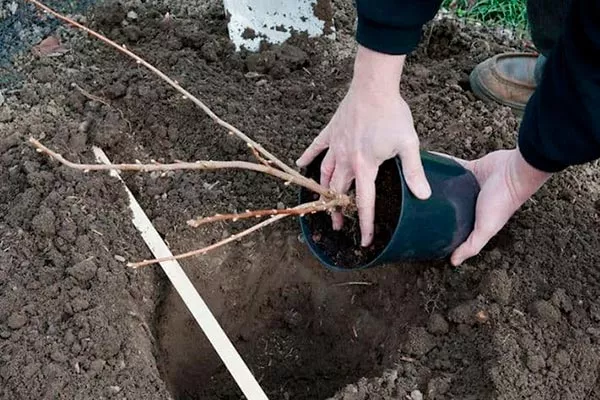
- Form a small mound in the center of the hole and place the seedling on it. Carefully spread the roots out, distributing them evenly throughout the entire circle.
- Fill the rhizome with loose soil, then gently compact the soil once the hole is filled.
- Water the bushes in small portions: 20-30 liters of water for each plant.
- After the moisture has been absorbed, mulch the tree trunk circle.
- Prune young branches, leaving 15 cm above ground level. This promotes better root development and successful establishment of the plant. In spring, the shoots will begin to grow vigorously, drawing nourishment from the roots.
If you plan to plant in the spring, prepare the site in the fall and apply nitrogen fertilizer before planting.
Caring for a seedling
Caring for currants plays a key role in ensuring their high yield and longevity. Proper agricultural practices allow the plant to fully develop and produce tasty, juicy berries. Without proper care, the crop can weaken and become vulnerable to diseases and pests.
Trimming
Pruning currant bushes involves two main stages: fall and spring. Follow these recommendations:
- In the fall, after the harvest and the leaves have fallen, begin sanitary pruning: remove damaged, diseased, and broken shoots. Shorten branches growing inward to ensure access to sunlight and good ventilation.
- In spring, carry out the main pruning aimed at shaping the crown. After winter, shorten the shoots by one bud on the outer side, giving the bush a spherical shape. Until the bush is five years old, add 3-4 new strong shoots annually to increase the number to 20.
- In the seventh year, perform rejuvenation pruning: remove old branches and leave only strong young shoots that will produce fruit next year. They should not touch the ground or cross.
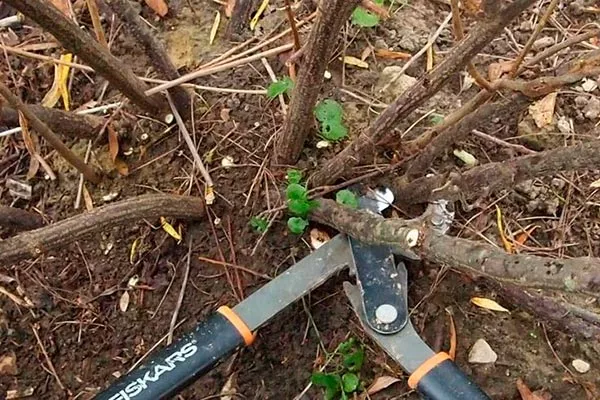
Perform sanitary pruning at any time of year, especially if the seedling is affected by disease. Removing damaged branches is permitted even in summer.
Watering
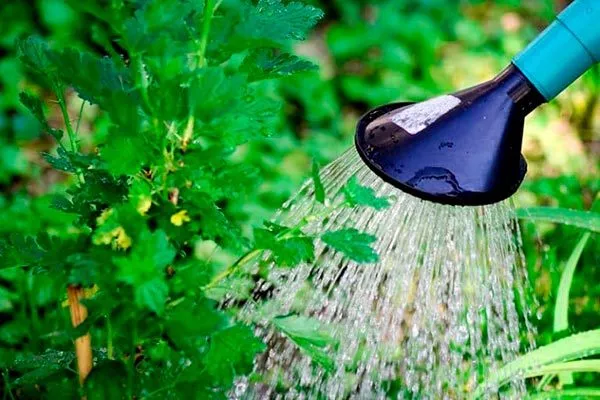
Ensure regular moisture to ensure a high yield. Apply water to the soil at key times:
- after flowering;
- while pouring berries;
- after harvesting.
One bush requires approximately 20-30 liters of water. Water at the roots to prevent leaf diseases. Use only warm, settled water, especially during the cold season. In the fall, during dry weather, perform a moisture-replenishing watering to protect the plant over the winter.
Top dressing
Fertilize the crop several times per season, taking into account its growth and fruiting stages. Follow this schedule:
- In early spring, before the buds open, apply nitrogen compounds, such as urea (30 g), to stimulate shoot growth.
- During the formation of ovaries (at the end of May or the beginning of June) Currants need phosphorus and potassium: use superphosphate (20-30 g) and potassium sulfate (15-20 g) per bush, diluted in water.
- After harvesting Fertilize with organic matter, for example, mullein infusion or compost (5-6 kg), to restore the plant's strength.
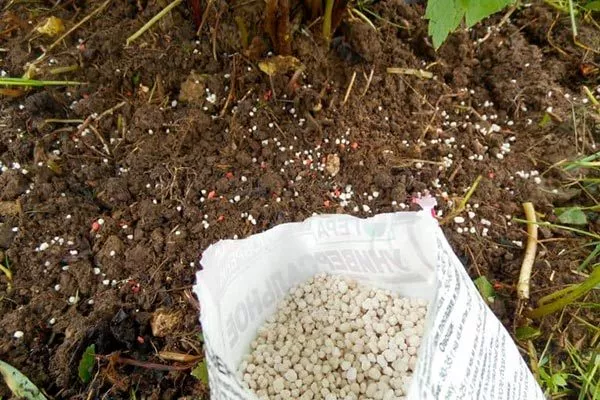
In the fall, a month before the onset of frost, carry out a moisture-recharging watering and add phosphorus-potassium substances (25-30 g of each) to prepare the crop for winter.
Shelter for the winter
Young seedlings planted in spring or autumn cannot survive the winter on their own, so cover them with old roofing felt or cloth, securing the edges of the covering material with pegs or sprinkling them with soil.
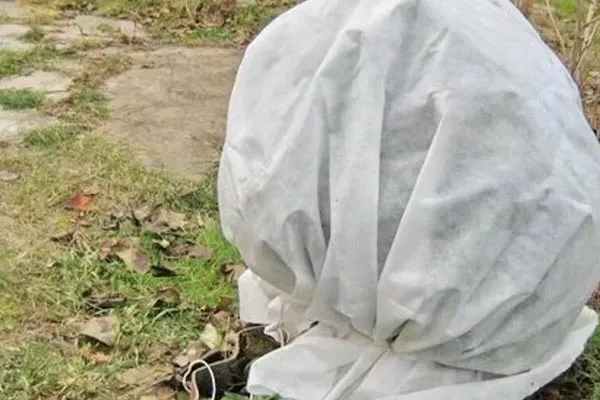
Plants that have suffered from diseases and lost their leaves in the summer cannot survive the winter without protection due to their weakened state. Bend the shoots and secure them with metal staples, cover them with roofing felt, and sprinkle the edges with soil.
Harvesting and preserving crops
The berries ripen at the same time, so choose a dry day for the event. Follow these recommendations:
- Harvest the fruit in small boxes or flat containers to avoid damaging the delicate skin.
- By the end of July, after harvesting, begin preserving. The fruits are ideal for making jam, preserves, or compotes—combined with other berries and fruits.
For long-term storage, freeze your harvest – store it in small plastic bags on the bottom shelf of the refrigerator.
Diseases and pests
Dutch red currants are characterized by strong immunity, unlike domestic varieties, but improper cultivation practices can lead to problems. This variety is susceptible to the following pests:
- garden berry sawflies;
- gall aphid;
- glass jars;
- spider mites and bud mites;
- gooseberry moths and caterpillars;
- fire moths;
- leaf rollers.
To control insects, use contact and systemic insecticides. The most effective products are:
- Fitosporin;
- Actellic;
- Vofotox;
- Karbofos;
- Phosphamide;
- Rovikurt;
- Metaphos;
- Aktara.
Monitor the condition of your plants and apply treatments strictly according to the instructions. Using these products will help preserve your harvest and save money by avoiding the need to frequently purchase expensive pesticides.
The variety is susceptible to most diseases typical of currants and gooseberries. Common diseases:
- gray mold;
- anthracnose;
- goblet rust;
- white spot;
- chlorosis;
- powdery mildew;
- striped mosaic;
- terry.
To combat diseases, use contact fungicide solutions: Abiga-Peak, Fundazol, Captan, Topsin-M, Khamitsin, and Kuprozan. Bordeaux mixture and colloidal sulfur solutions are also effective.
Treat all parts of the plant and the soil between rows. Be sure to remove affected shoots and leaves, burning them away from the site. If a plant is infected with a virus, it cannot be saved. Take preventative measures: remove affected plants and maintain moist and loose soil.
Pros and cons
The Dutch Red Currant is characterized by excellent frost resistance, allowing the bushes to easily survive harsh winters under snow cover. This quality makes the variety especially attractive to gardeners in regions with cold winters.
The variety has virtually no disadvantages, and problems usually arise only due to improper agricultural practices.
Reviews
Dutch redcurrant is suitable for both beginner and experienced gardeners. This variety is characterized by good frost resistance, self-fertility, and pest resistance. Seedlings thrive in any climate and require little maintenance, but proper cultivation practices determine yield.