
The Dutch Pink currant is noteworthy for its excellent taste, good productivity, and resistance to environmental conditions. This variety is ideal for both beginner and experienced gardeners, as it requires minimal care and produces a consistent harvest. It's important to understand the growing process, its advantages and disadvantages, and to implement appropriate agricultural practices.
History of origin
The only known origin of this variety is that it was created in the Netherlands. Besides pink currants, there are also the Dutch Red and Dutch White varieties.
Description of the bush
The plant is medium-sized, reaching a height of approximately 150 cm, with a sparse, slightly spreading crown and uncrowded stems. Other distinctive features:
- Escapes – strong, straight, thick, without pubescence, with a green color, on which small red spots are visible, which over time change to light brown.
- Leaves - 3- or 5-lobed, with a smooth green surface on the outside and light green, slightly whitish on the inside, with a little pubescence.
- Flowers – small, saucer-shaped, light green in color with pink and yellow inclusions.
Features of berries
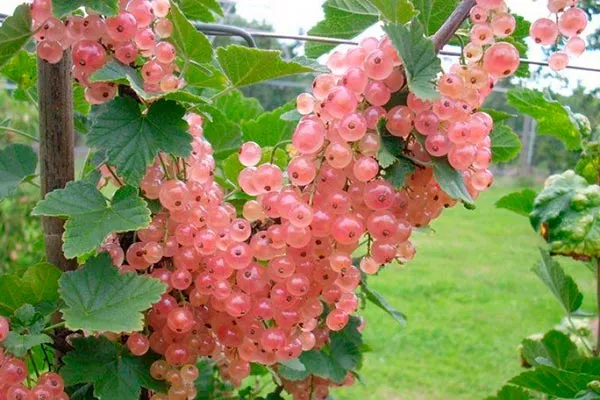
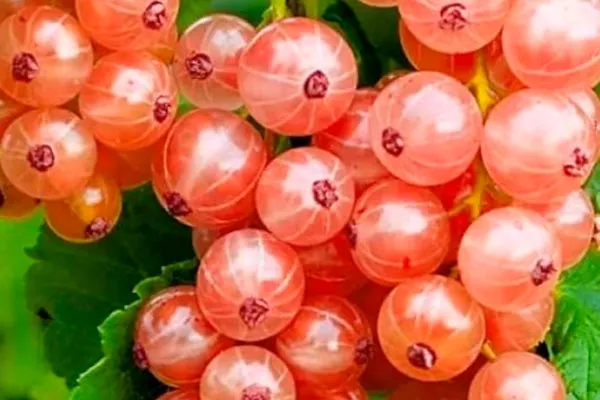
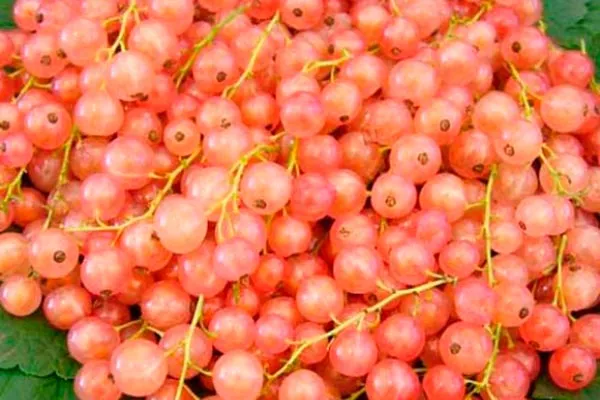
The harvested fruits are transported in small containers, as transporting them in larger containers can cause some specimens to crack. The variety's name derives from the pink color of the berries when ripe. They are medium-sized, weighing no more than 1 g, round, and have a thin, transparent skin.
Characteristics
Dutch rose is an easy-to-grow variety. It thrives in both full sun and light afternoon shade. Fertile soil with adequate moisture is ideal for fruiting. It adapts well to a variety of growing conditions and climates.
Drought resistance, frost resistance
The main characteristic of currants is their high winter hardiness. They easily survive harsh winters under snow, but can be damaged by frost damage during spring frosts when the snow melts. Therefore, in the spring, the bushes are covered with non-woven material.
Young seedlings are prepared for winter by hilling them high with snow or compost. Generally, winter shelter is not necessary, as currants can withstand temperatures as low as -45°C.
The crop requires regular watering, but, unlike black or white currants, it is more drought-resistant. However, prolonged moisture stress can lead to reduced yields and smaller fruit sizes.
Yield of the variety
With proper care and optimal growing conditions, a single bush can yield 6 to 9 kg of fruit. The fruit doesn't fall off, doesn't overheat in the sun, doesn't shrink, and stays on the shoots for a long time, decorating them with their beautiful clusters.
Taste qualities
It's sweet and sour, like all currant varieties, and has a light, unobtrusive aroma. Inside are small seeds and juicy pulp. The mashed fruits are easy to make into jelly.
Valuable properties of berries
They are highly valuable due to their excellent chemical composition. They contain many substances beneficial to the body:
- Potassium – up to 275 mg per 100 g, helps normalize heart function.
- Calcium – 36 mg per 100 g, strengthens the skeletal system.
- Phosphorus – 33 mg per 100 g, helps strengthen tooth enamel and is involved in metabolic processes.
- Vitamin A (retinol) – 33 mg per 100 g, is a powerful antioxidant.
- Vitamin C – 25 mg per 100 g, strengthens the immune system. Although its content is lower than in blackcurrants, the pink variety is in no way inferior to raspberries in this regard.
It contains other vitamins and microelements essential for the body. Its high pectin content, which removes heavy metal salts, makes this berry particularly beneficial.
Scope of application
Dutch currants are suitable for both fresh consumption and processing. They are ideal for making compotes, jellies, preserves, and jams. The berries have delicate skin, so transporting them requires special care.
Ripening and fruiting
This variety has a medium ripening period—the berries ripen almost simultaneously, in mid- to late July. The bushes begin to produce their first harvest in the second year after planting.
Pollination, flowering period
It's a self-pollinating species, so it doesn't require other pollinating varieties nearby to produce a harvest. This makes it ideal for growing in small gardens or when it's not possible to plant several currant varieties.
Storage and transportability
Characterized by an average shelf life, this variety requires careful handling during transportation. The berries have delicate, thin skin, making them more vulnerable to damage, especially during long-distance transport.
Location and soil requirements
For successful growth and development, the plant requires a sunny site protected from cold winds and drafts. The plant achieves maximum yield in fertile soil, so add organic and mineral fertilizers to poor soil.
Avoid planting seedlings in low-lying areas or flooded areas, as excess moisture can cause root rot and death. Before planting, enrich the soil with well-rotted manure or compost, and granulated potassium-phosphorus compounds.
Where can it be grown?
The Dutch Pink variety is easy to grow and adapts well to a variety of growing conditions and climates. It is successfully cultivated in most regions of Russia, including the Urals, Siberia, and the North Caucasus, as well as in Ukraine and Belarus.
Features of planting operations
Before beginning gardening, it's important for novice gardeners to familiarize themselves with the recommendations for preparing and cultivating seedlings in open ground. Let's look at these steps in more detail.
Choosing a location
The crop can grow and develop in a wide variety of conditions, but to increase productivity and extend the fruiting period, choose a site taking into account several rules:
- Place the bushes in sunny places with a minimum duration of light of at least 12 hours per day.
- Dry, loose, and soft soil is ideal for planting. If these conditions aren't available, prepare the soil first: mix equal parts manure and compost, then spread this mixture evenly over the soil before autumn tilling. Consumption per square meter: up to 60 kg.
- Currants don't grow well in highly acidic soils. To normalize the acidity, add about 200 grams of quicklime per square meter.
- The plant does not tolerate areas with strong winds and drafts.
Grow bushes along paths or fences for wind protection and ease of maintenance.
Planting dates
The optimal time for planting currants is autumn. At this time, it's easier to assess the quality of the seedlings based on the condition of their foliage and root system.
Site preparation
This is one of the key stages in successful currant cultivation. It provides the root system with nutrients and creates optimal conditions for lighting and ventilation of the bushes:
- Space the planting holes approximately 2.5 m apart. Each hole should be 40-45 cm in diameter and up to 50 cm deep. Carefully set the topsoil aside.
- Loosen the removed soil and mix it with an equal amount of humus or compost. Then add mineral fertilizers: 200-250 g of superphosphate, 40 g of potassium permanganate, and 300-400 g of sifted wood ash.
- In areas with damp soil, place a drainage layer (approximately 10 cm thick) at the bottom of the hole. Use broken brick, crushed stone, or other suitable material for this.
- Mix the resulting mixture thoroughly and fill the hole with it. Add about 30 liters of water to each hole and leave it for two weeks. This allows the soil to absorb the nutrients and compact.
- ✓ Soil pH should be between 6.0-6.5 for optimal nutrient absorption.
- ✓ The depth of groundwater is at least 1.5 m to prevent rotting of the root system.
Enriched soil provides young seedlings with the necessary nutrition during the first two years, which plays a decisive role in their growth and the establishment of future yields.
Selection of seedlings
If you can't grow your own planting material or divide a bush, purchase seedlings from nurseries or reputable sellers. Key selection criteria:
- The rhizome should be branched and have numerous buds. If the root system is weak, consisting of 1-2 roots, or the roots are dry, brittle, or damaged by disease, do not purchase.
- A quality seedling's roots will be treated with wood ash or garden pitch after pruning. If no treatment is applied, this indicates insufficient care on the part of the seller, and the roots may have dried out.
- The shoots should be firm, juicy, flexible, and free from damage or signs of disease. They are usually green with a slight yellowish tint.
- The seedlings must be clean, without signs of fungal infections or pests, so as not to bring them into the garden.
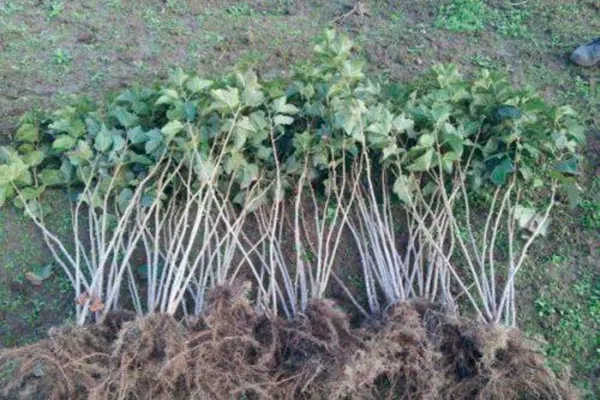
A one-year-old seedling usually has more than two shoots at least 25 cm long and a developed fibrous root system.
Planting instructions
Plant currants on a cloudy or overcast day without strong wind to reduce stress on the plants. Hot weather is not suitable for this procedure.
Follow the process step by step:
- Dig a hole deeper than the length of the seedling's root system. Place the excavated soil on plastic sheeting for easy storage.
- Form a small mound of soil at the bottom of the hole. Place the seedling on it, spreading the roots evenly in a circle.
- Fill with loose soil, compacting the soil with your foot after the hole is completely filled.
- Water the plant with 20-30 liters of water in small portions to ensure even soil moisture. After the water has been absorbed, apply a layer of mulch around the bush to retain moisture.
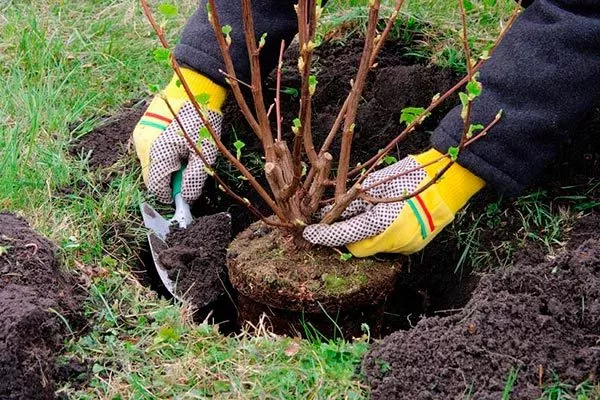
Prune young shoots to 15 cm above ground level. This promotes better rooting and plant development. In spring, the seedling will begin to grow vigorously thanks to its strong root system.
Caring for a seedling
Planting is an important step, but proper and timely plant care is equally crucial. This care promotes healthy development and increases future yields.
Trimming
There are two main types of pruning for the Dutch Pink currant. Let's take a closer look:
- Autumn pruningCarry out this procedure after fruiting and leaf fall. At this time, perform a sanitary pruning: remove all broken shoots, those damaged by disease or pests, as well as branches growing inward. The center of the bush should remain open to sunlight and well ventilated.
- Spring pruningThe main pruning is aimed at shaping the crown and removing damaged shoots after winter. After the first winter, shorten them by one bud on the outer side, and shape the bush into a compact ball.
Each year, add 3-4 strong shoots so that by the 5th year their number reaches 20. In the 7th year, carry out rejuvenation pruning, removing old branches and leaving young and strong shoots that will produce a harvest next year.
New shoots should not touch the ground or cross each other. Trim them by half and remove the rest, leaving 3-4 new shoots.
Carry out sanitary pruning at any time of the year, especially if the seedling is affected by disease.
Watering
Provide the plant with moderate moisture. Schedule the main watering for fall and early spring:
- Place a mound of earth around the bush, covering the diameter of the crown, raking the soil away from the seedling.
- Add the necessary mineral fertilizers and fill the hole with 50 liters of water.
- After the moisture has been absorbed, level the soil and cover the tree trunk circle with mulch.
Mulching helps reduce the frequency of watering. To prevent fungal diseases and aphids, you can install a drip irrigation system. This will ensure even soil moisture and prevent excess water evaporation.
Top dressing
During the first two years after planting, currants don't require additional fertilization, as they receive sufficient nutrients from the mineral mixture prepared at planting. From the third year onward, apply basic fertilizers in the spring and fall.
Approximate fertilizing calendar:
- Spring. Dissolve 100 g of dry chicken manure in 10 liters of water or add 70-80 g of ammonium nitrate under each bush.
- Summer. For foliar feeding, prepare a solution of boric acid (2.5 g), copper sulfate (2 g), ammonium molybdate (3 g), and zinc sulfate (3 g) per 10 liters of water. Apply to all parts of the plant.
In June, use a mixture of 1 liter of bird droppings or mullein per 10 liters of water. Make a ridge of soil and pour the solution into it, then fill with warm water. - In autumn. Add organic fertilizers (up to 20 kg per bush), superphosphate (100 g) and potassium sulfate (50 g) before winter watering.
Alternate organic and mineral fertilizers every 2-3 weeks. Apply 15 g of urea, 20 g of superphosphate, and 15 g of potassium sulfate under each plant.
Shelter for the winter
Dutch Pink is a frost-hardy currant variety that can tolerate low temperatures. However, in some cases, the bushes require winter protection:
- Young seedlings, If planted in spring or autumn, cover with old roofing felt or fabric, securing the edges with pegs or soil.
- Plants that have suffered diseases and those that have lost their leaves in the summer may be weakened and poorly prepared for winter. After covering, secure the shoots with metal staples and cover them with roofing felt, securing the edges with soil.
In severe frosts without snow cover, there is a risk of damage to fruit buds, which can lead to crop loss.
Harvesting and preserving crops
The berries ripen all at once, so choose a dry day for harvesting. Gather the berries in small boxes or flat containers to protect their delicate skins. After harvesting, at the end of July, begin preserving them, using them for jam, preserves, or compotes—mixed with other berries and fruits.
Winter is the time to enjoy fresh berries. Simply separate them into small bags and store them on the bottom shelf of the refrigerator. This way, you can enjoy delicious compotes for a long time and treat your family to currants any time of year.
Diseases and pests
Dutch roses have a strong immune system, but if not properly cared for, such as by improper watering or insufficient removal of diseased branches, the plants can become vulnerable. Nutrient deficiencies, overcrowding, or neglecting preventative measures can weaken the immune system.
Pests
The crop can be attacked by various insects: berry sawflies, gall aphids, glassworms, mites (spider and bud mites), gooseberry moths, caterpillars, moths, and leaf rollers. To control them, treat the plants with both contact and systemic insecticides.
Effective drugs:
- Actellic;
- Karbofos;
- Vofotox;
- Rovikurt;
- Phosphamide;
- Metaphos.
Preventative measures using Fitosporin or Fitoverm are helpful. Timely plant care and regular treatments at the first signs of damage will help maintain the health of the plants and prevent the need for expensive chemicals.
Diseases
Currants are susceptible to the following dangerous diseases: anthracnose, white spot, powdery mildew, terry leaf spot, stripe mosaic, chlorosis, nectria shoot wilt, cup rust, and gray mold. To combat these, use contact fungicide solutions:
- Abiga Peak;
- Cuprozan;
- Captain;
- Topsin-M;
- Fundazol;
- Hamicin;
- colloidal sulfur;
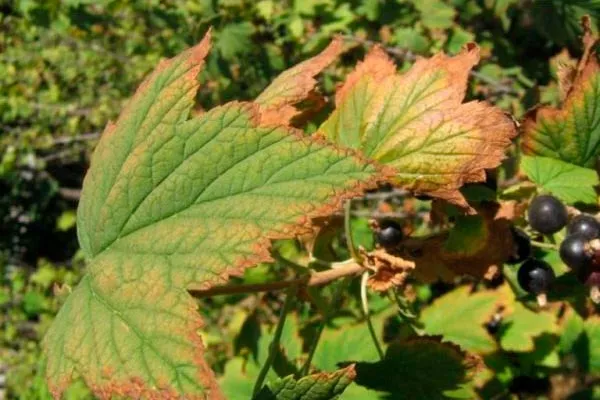
Follow the package instructions and treat all parts of the plant and the soil between rows. Remove affected shoots and leaves promptly, burning them away from the area.
Methods of reproduction
You can increase the number of bushes in your garden at home. Several methods are used to propagate pink currants:
- seminal;
- cuttings;
- layering;
- dividing the bush.
The simplest and most effective method is propagation by cuttings. Select one-year-old cuttings from strong, healthy branches and plant them in a prepared bed. Keep the soil moist and loosened regularly, and once rooted, transplant the cuttings to their permanent location.
To propagate by layering, select flexible shoots, bend them to the ground, and secure them in pre-dug holes with metal staples, tying the tops to stakes. In the fall, transplant the shoots to a new location.
If you need to replant your bushes, carefully dig them up after thoroughly watering them, divide the root system into several sections, and replant them in their new location. Seedlings with young shoots take root best.
Pros and cons
Before growing a crop, carefully review its advantages and disadvantages to avoid any potential difficulties. The main advantages of the Dutch Pink red currant variety are the following:
Disadvantages include average winter hardiness and possible susceptibility to diseases and pests if not properly cared for.
Reviews
Dutch pink currants are sought after for their low-maintenance characteristics and excellent berry flavor. This variety is characterized by good productivity, drought tolerance, and attractive bush appearance. This crop requires careful growing conditions to ensure bountiful harvests and high-quality fruit.