
The Dragon's Eye blackcurrant is an interesting variety with large, beautiful berries that have excellent presentation and flavor. This promising and productive variety will be a great addition to any garden.
Description of the plant
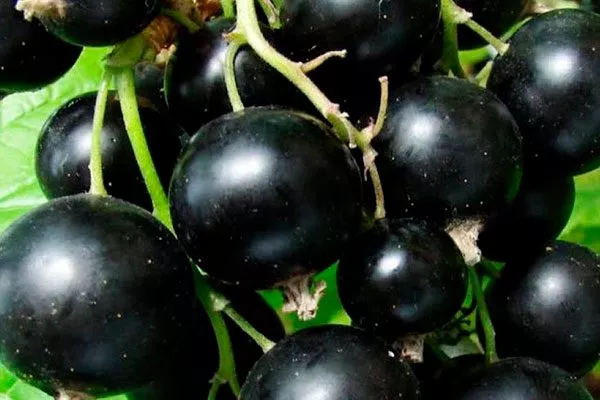
The bushes are medium-sized or tall, vigorous, and spread well, with medium-thick shoots. The foliage is medium, with dark green leaves of standard size and a slightly wrinkled surface. The clusters reach 15 cm in length, each bearing 20-25 berries.
Description of berries
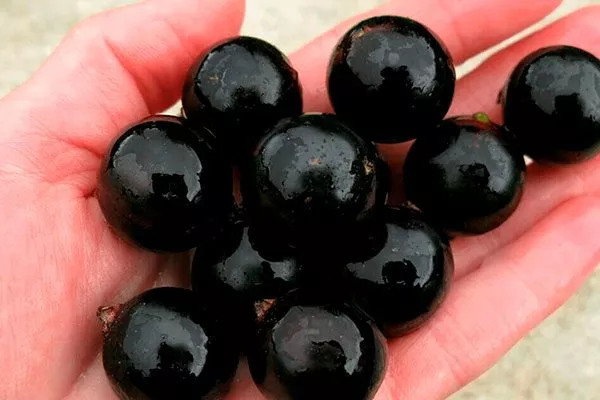
The berries of the Dragon's Eye currant are large and correspond to the ideal.
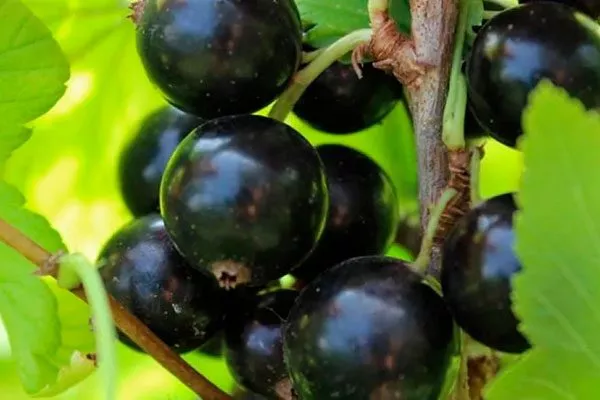
Main characteristics of berries:
- Color: black.
- Form: rounded.
- Weight: 1.5 g.
- Berry picking: dry.
Who bred the Dragon's Eye currant?
It's unknown who developed blackcurrant or when. There's no information about its origin. The only thing known is that the variety is the result of domestic selection and is approved for use in the Russian Federation.
The taste and purpose of berries
Dragon's Eye blackcurrant has a pleasant sweet and sour flavor. The berries are versatile. They are eaten fresh, widely used in cooking, and are used to make a variety of desserts, preserves, jellies, compotes, and kissels. Blackcurrants are also used as a filling for baked goods, wines, and sauces for meat dishes.
Blackcurrant leaves can be useful for preserving. They are added to marinades, adding a unique flavor and adding crunch to vegetables.
Blackcurrant leaves are also widely used in folk medicine—their decoction has a diuretic effect, while their tincture has an anti-inflammatory effect and serves as a preventative measure for cardiovascular diseases, gastritis, insomnia, and headaches.
Characteristics
Dragon's Eye has excellent agronomic characteristics, allowing it to be successfully grown in all regions of the country.
Productivity
It is characterized by high yields. Under favorable growing conditions and proper care, each bush can yield approximately 10-12 kg of ripe berries.
Ripening time
This is an early-ripening variety. The berries ripen in June, or in July in regions with a cold spring and short summer.
Frost and drought resistance
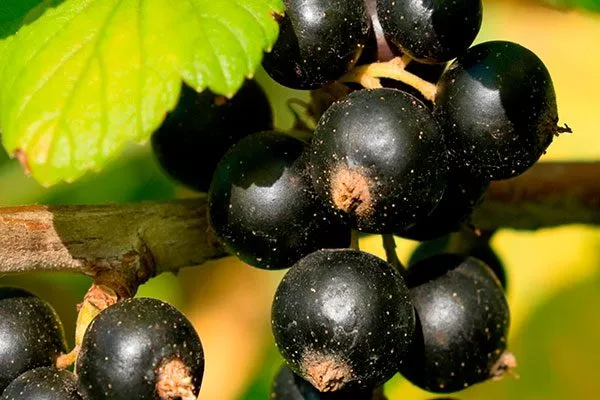
It has very good frost resistance. Its bushes can withstand recurrent frosts down to -6°C. Dragon's Eye currant also tolerates heat and drought well.
Immunity to diseases
It is resistant to most diseases affecting berry crops. However, under unfavorable conditions, the bushes can be affected by various fungal diseases, including powdery mildew.
Pros and cons
It's clear that the Dragon's Eye currant has earned its resounding and striking name for a reason—this variety has a host of qualities that bring it close to perfection.
Landing features
The success of growing black currants, their health, longevity and ability to bear fruit largely depend on how correctly the planting was carried out.
Planting dates
Dragon's Eye can be planted outdoors in spring or fall. Container-grown seedlings can also be planted in summer. The timing of planting depends primarily on the region's climate. In the south, it's recommended to plant currants in fall; in other climate zones, plant them in spring.
Currants are a cold-hardy crop, so they can be planted when the soil warms to 7…9°C at a spade-width depth. In the south, planting can begin as early as late March or early April; in autumn, currants are planted in September or October.
In Siberia and northern regions, planting begins after May 5th. In central regions, currants are planted from late April to early May. Don't delay planting in spring—they develop leaves very early. Fall planting should also be done quickly—the seedlings need time to establish themselves before the first frost.
Selection and preparation of seedlings
For planting, it is better to choose two-year-old seedlings; they take root better than others.
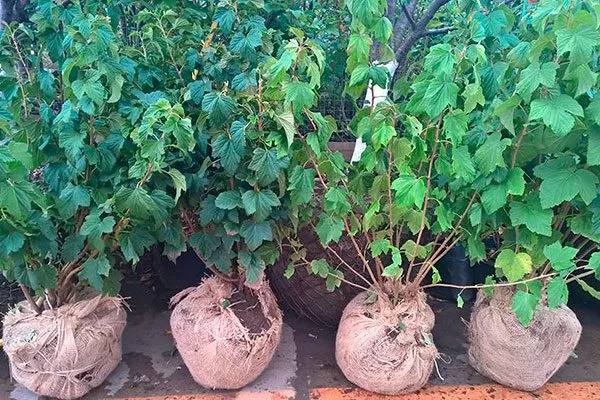
What to look for when choosing blackcurrant seedlings:
- There should be 2-3 main roots. They should be woody and 15-20 cm long. There should also be numerous thin fibrous rootlets.
- The seedling should have 1 or 2 shoots and be 35-40 cm long. Excessive height indicates the need for mineral fertilizers.
- The leaves are green, shiny, without signs of disease or spots.
- The stem is strong, smooth, without cracks, bends or other defects.
- ✓ Check for the presence of at least 3 main roots at least 15 cm long.
- ✓ Check for signs of disease on leaves and stems.
- ✓ Seedlings with 1-2 shoots 35-40 cm long are preferred.
It's recommended to purchase blackcurrant seedlings from specialized nurseries or reputable suppliers. Otherwise, you risk purchasing substandard planting material infested with pests and/or diseases.
Before planting, seedlings are rinsed with water and inspected. Diseased, moldy, and dry roots are trimmed back to healthy tissue. A couple of hours before planting, the root system is soaked in water or a rooting stimulant solution, such as Kornevin, Zircon, Epin, etc.
How to choose a site?
Currants should be planted in a flat or slightly sloping area. Planting in low-lying areas is acceptable, but the soil should be well-drained to prevent water stagnation. High groundwater levels (no more than 1 m) are also undesirable.
The location should be well-lit; it's best to plant currants on a south or southwest-facing site. The variety prefers sunny, warm spots, but can also grow in partial shade.
The bushes should be protected from drafts and cold, gusty winds. Currants are best planted along fences, rows of trees or dense shrubs, or near various outbuildings.
Preparing the planting hole
Blackcurrants prefer fertile, loose soil. In the fall, the plot is dug over, removing plant debris and weed roots. Organic and mineral fertilizers are added during the digging process.
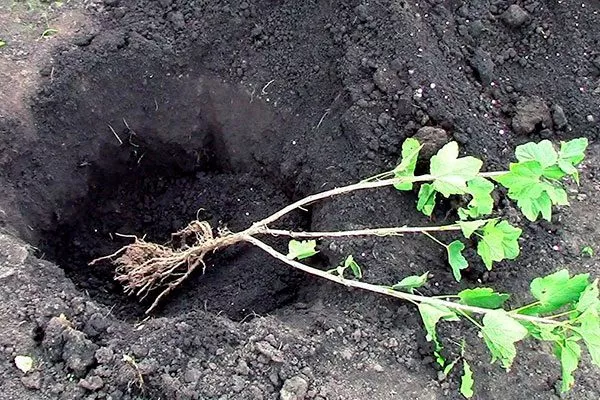
If necessary, adjust the acidity to maintain a pH of 6.0-6.5. In acidic soils, slaked lime or dolomite flour are added along with fertilizer. In slightly acidic soils, colloidal sulfur or iron sulfate are added.
Landing features:
- A hole measuring 80×80×80 cm is prepared for planting. The hole should be deep enough to comfortably accommodate the entire root system of the seedling.
- Between adjacent holes, intervals of 1-1.5 m are left, between adjacent rows - 2-2.5 m.
- If the site is in a low-lying area, a drainage layer is placed at the bottom of the hole. Crushed brick, expanded clay, pebbles, or gravel can be used as drainage material.
- The top layer of soil obtained by digging the hole is thoroughly mixed with superphosphate (40 g), wood ash (250 g) and compost (5 kg).
- The prepared soil mixture is poured into the hole, and a small amount of regular garden soil is added on top to prevent the roots from being burned by the fertilizer. Then, 10 liters of water are added to the hole.
Planting currants
It's recommended to plant blackcurrants in the morning or evening. Seedlings planted during the day have a harder time taking root due to exposure to the sun's scorching rays.
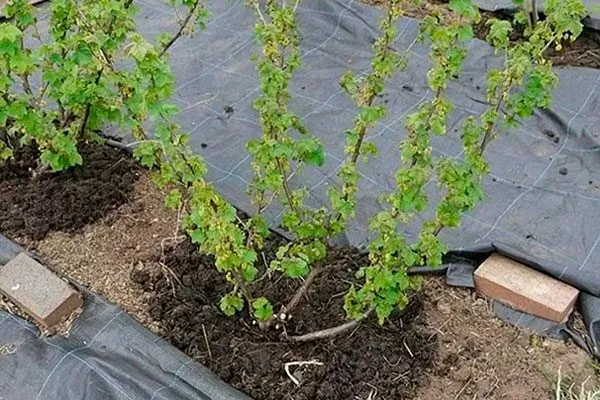
Landing features:
- The seedling is placed in the hole at a slight angle. It is placed on a mound of earth, which is constructed from the soil mixture previously added to the planting hole. The roots are carefully spread out; they should not bend sideways or upward.
- The roots are covered with soil, compacted, and watered with warm, settled water. Once the water has been absorbed, the area around the tree trunk is mulched.
- After planting, the root collar should be deepened by 7-10 cm.
Care Features
Dragon's Eye currant requires standard care. To ensure good yields and high-quality berries, regularly water and fertilize the currant bushes, loosen the soil, and spray them prophylactically.
Watering
Currants are moisture-loving, so the soil around the trunks should not dry out too much. In the spring, pour 10-30 liters of water under each bush, the amount depending on the plant's age (the older the plant, the more moisture it requires).
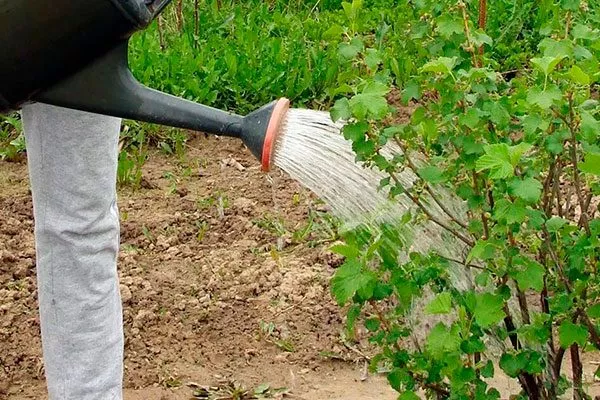
In summer, water the bushes based on weather conditions. If the weather is extremely hot, the intervals between waterings should not exceed one week. If the summer is normal, without drought, three waterings per season are sufficient: during shoot growth and fruit set, during berry ripening, and after harvest. Each bush requires 50-70 liters of water.
Bushes can be watered at the roots, but sprinkling is considered the optimal method of hydration. For irrigation, use settled and sun-warmed water, including rainwater. If the autumn is dry, another watering—a moisture-recharging one—is performed before winter.
Fertilizing
During the season, currant bushes are fed 4-5 times, depending on the condition of the bushes and the fertility of the soil.
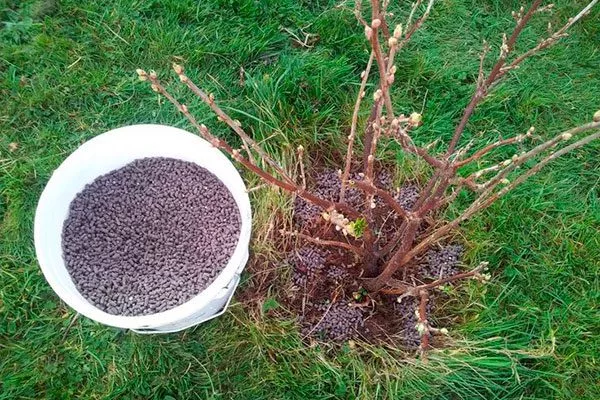
- Apply nitrogen fertilizer in spring to stimulate growth.
- After flowering, use complex fertilizers or organic matter.
- During the period of berry filling, use potassium-phosphorus compounds.
- After harvest, apply a nitrogen-free fertilizer to prepare for winter.
Approximate feeding regime:
- In the spring, when active growth begins and the soil warms to 8–10°C, nitrogen-containing fertilizers, such as urea, are applied to young bushes at a rate of 40–50 g per plant.
- After flowering, add complex fertilizers or organic matter.
- During the period of berry filling, bushes need potassium-phosphorus compounds.
- Once the harvest is complete, nitrogen-free fertilizers are applied. Autumn fertilization ensures a good harvest in the future.
Loosening and weeding
Loosen the soil around the tree trunks to a depth of 10 cm approximately every three weeks. If you mulch the root zone with organic loose materials (peat, grass clippings, compost, etc.), loosening will be necessary even less frequently.
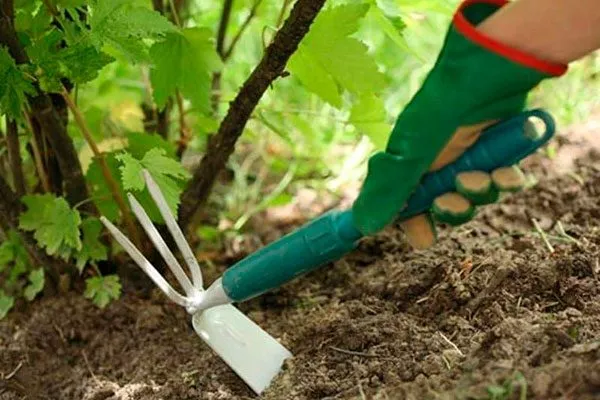
Weeding is carried out simultaneously with loosening, paying particular attention to removing couch grass—it must be pulled out along with the rhizomes. Loosening depth should not exceed 10 cm.
Disease prevention
The bushes are periodically inspected for disease symptoms and are given preventative spraying with biological preparations - Bitoxibacillin, Trichodermin, Fitoverm, Gamair, Fitosporin-B, etc.
When signs of powdery mildew, gray mold, cup rust, septoria and other diseases appear, currant bushes are sprayed with fungicides - Skor, Tilt, Bayleton, etc.
Pest control
The most dangerous pests for the Dragon's Eye currant are shoot aphids, spider mites, gall midges, glass flies, and geometer moths. If these are detected, treat the bushes with Aktara, Confidor, Iskra, Inta-Vir, and other insecticides.
To prevent pests, it's recommended to mulch the tree trunks with humus (10 cm thick) in early spring and pour boiling water over the bushes before the buds open. This helps kill pests that overwinter on the shoots.
Trimming
Pruning is done in the spring, before new shoots begin to grow. All damaged, frozen, dry, and weak branches are removed to encourage the bush to grow and produce more fruit.
Trimming order:
- First, all broken and dry branches are cut out.
- Then shoots growing too low to the ground are removed at the root.
- Next, small and weak shoots are cut off.
- The procedure is completed by cutting out the shoots that duplicate each other and grow towards the center of the bush.
Harvesting and storage
The berries begin to ripen in June, and the season lasts until mid-July. The berries are harvested when they turn a deep black and easily separate from the stem. Since ripening is uneven, the harvest is not collected all at once, but rather waits until a large number of berries are fully ripe. Avoid leaving them on the vine for too long, as they will fall off and burst in the rain.
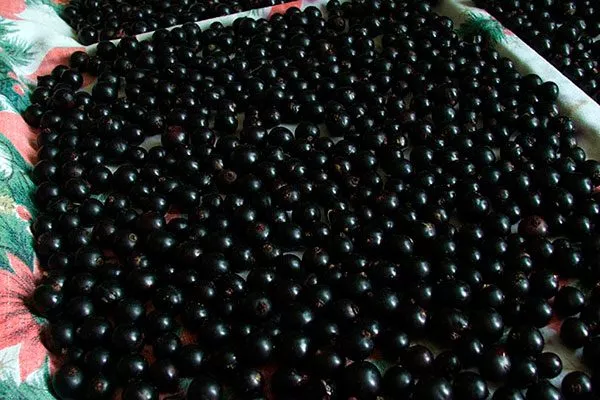
Ripe currants will keep for no more than 5 days if refrigerated. Stored indoors, they retain their marketability and appeal for only one day. They can be frozen and dried in the sun or a draft.
Reviews
The Dragon's Eye variety will undoubtedly appeal to blackcurrant lovers with its agronomic and commercial characteristics. Two to three large-fruited, high-yielding currant bushes in your garden will provide a reliable supply of fresh, vitamin-rich berries and raw materials for winter preserves.