
The Ermak currant is distinguished by its high productivity and enviable characteristics. This variety is sought after for its rich aroma and pleasant sweet-and-sour flavor profile, as well as its versatility. To ensure the maximum fruitful harvest, it is important to provide comprehensive care. This task is easily accomplished even by those just beginning to master the art of gardening.
History and zoning
The Ermak variety is the result of teamwork (A.E. Solovyova, T.A. Kukushkina, V.N. Sorokopudov) and the work of the Novosibirsk Zonal Horticultural Station of the Russian Academy of Agricultural Sciences. Approved for agricultural use in 2004, it has demonstrated its adaptability to a wide range of climatic conditions.
Cultivation areas and districts:
- Northern;
- Northwestern;
- Central;
- Volga-Vyatka;
- Central Black Earth;
- North Caucasian;
- Middle Volga;
- Lower Volga;
- Ural;
- West Siberian;
- East Siberian;
- Far Eastern.
Description of the bush and growth characteristics
The bush has a dense structure, its shoots are light green and grow vertically. A mature bush reaches 120 to 150 cm in height, with annual growth of approximately 25-30 cm.
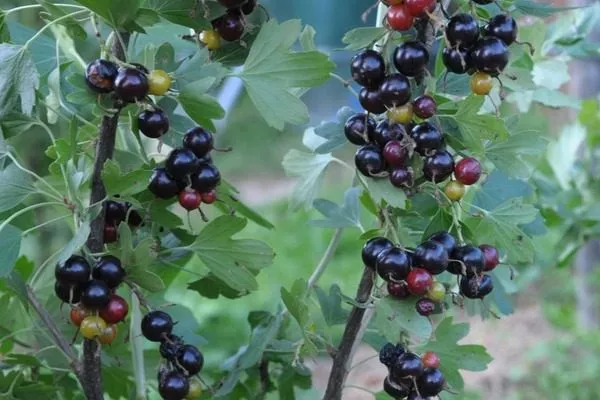
The bush's leaves are large, rich green, with a leathery, matte finish and a straight base. The leaf blade is smooth, hairless, and particularly rigid, making the bush attractive outside of the fruiting stage.
The crown of the bush is compact, which makes it suitable for narrow areas.
Berry characteristics and yield
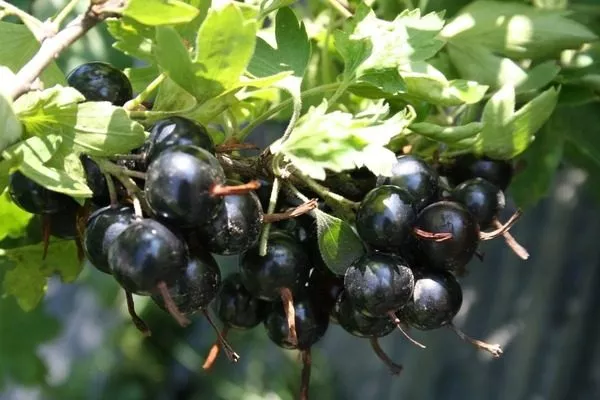
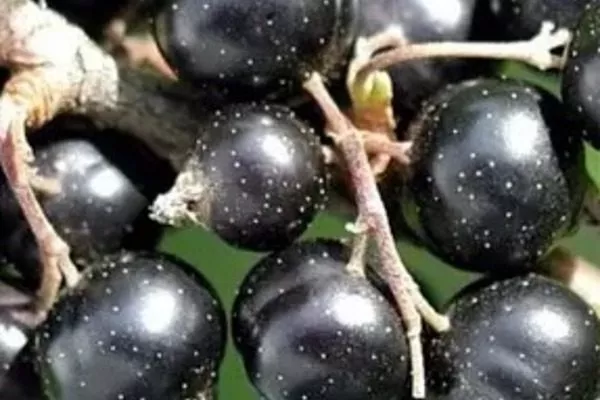
The berries are spherical, deep black, and covered with a thin but firm skin, making them easy to transport. Other varietal characteristics include:
- The pulp is firm, and the aroma and flavor are rated at 4.3 on a tasting scale. The berries contain 3.1% acid and 39 mg of vitamin C per 100 g, making them a valuable source of nutrients for fresh consumption and processing.
- The berries are versatile and suitable for use in a variety of culinary recipes: they can serve as a base for jams, compotes, jellies (they have high gelatinous properties), and can also be frozen.
- Ripening begins in mid-summer, in July. The berry yield is abundant—up to 150 centners per hectare—and even if harvesting is somewhat delayed, the fruit retains its quality.
Other characteristics of the variety
The plant blooms in May, producing inconspicuous flowers gathered in clusters. The fruit ripens mid-season, allowing for harvesting in the first half of summer. The variety begins bearing fruit within two to three years of planting.
Other characteristics:
- The variety is resistant to low temperatures (down to -35 degrees) and is protected from diseases and pests, as it has a strong immune system.
- The bush grows best in sunny areas with fertile, well-drained soil. If the soil is acidic, neutralize it first with dolomite flour or ash.
- Watering should be abundant - at least 3-5 liters of water under each bush per week, especially during dry periods.
- This variety is self-pollinating, allowing it to produce fruit without the need for other plants to fertilize it.
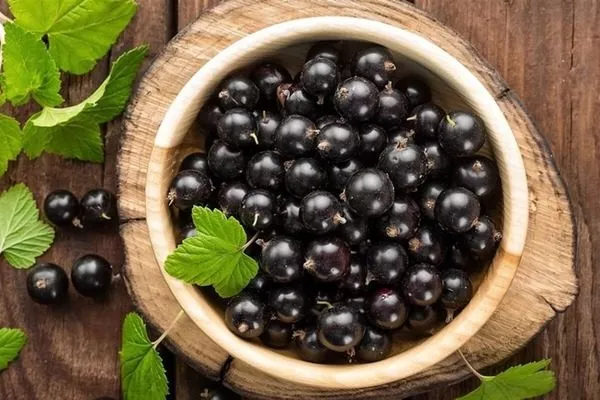
- Fully ripened berries are black, soft, and sweet, ready for harvesting. It's recommended to pick them in the morning, and for long-term storage, whole (with the tassels).
- Berries with dense skin and dry structure can be stored for up to 20-25 days at a temperature of +3 to +7 degrees.
Landing
Blackcurrants require high-quality soil with good fertility and structure. They cannot survive in acidic, flooded, or dry areas. Ideal soils for their growth include loam, black soil, podzolic soil, and sandy loam.
You can learn about all the nuances of planting and growing berry crops Here.
Choosing a location
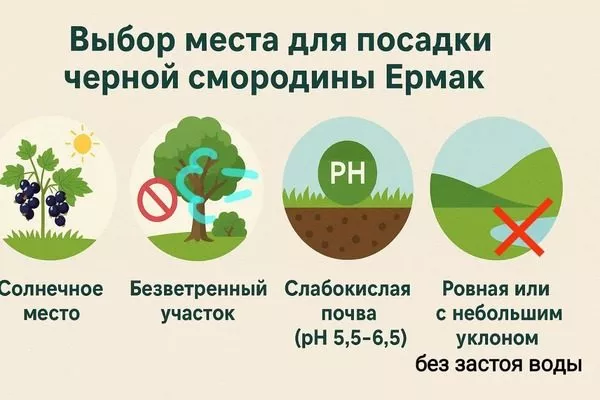
Ermak prefers bright, sunny areas. In the shade, it will grow more slowly, become diseased, and may not produce a harvest. This plant is undemanding regarding soil composition, but thrives in light, well-drained soils. It prefers a neutral pH but can tolerate slightly acidic soils.
Please note the following:
- A key aspect of growing this currant is that it does not tolerate even slight salinity in the substrate. Therefore, certain fertilizers are not recommended, such as slurry, bird droppings, concentrated mineral complexes, or thick ash infusions.
- Currants are at risk of disease if over-fertilized or exposed to large amounts of detergent. Therefore, they should be planted away from compost heaps and laundry areas.
- The variety should not be planted among dense plantings of fruit trees, which is often found in amateur gardens.
Preparation and planting
To successfully grow seedlings in acidic soils, it's necessary to neutralize the soil's acidity first. The optimal method is to add dolomite flour (1 kg per 3 square meters) two weeks before planting. This can be done in both the fall and spring, before bud break.
Main requirements and rules:
- For each plant, dig holes 150-200 cm apart. Dimensions:
- diameter: 40-50 cm;
- depth: 50-55 cm.
- On heavy clay soils, as well as on depleted sandy and peaty soils, a special mixture is used for planting, consisting of a fertile layer (half the volume) of soil, compost or rotted manure (a quarter of the volume) and river sand (slightly less than a quarter of the volume).
- When filling the holes, add one matchbox of double superphosphate and one of potassium sulfate to each. It's also helpful to add an additional 1-liter jar of wood ash under each plant.
- The key point when planting is to deepen the seedling into the ground 5-8 cm deeper than the level at which it previously grew in the nursery.
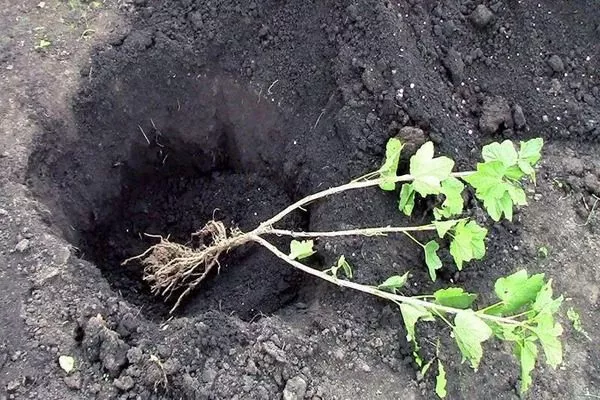
- After planting, the plants should be watered (2-2.5 liters of settled or rainwater per plant), and then trimmed to a height of 25-28 cm from the ground. This will help stimulate vigorous growth by encouraging new shoots to emerge from buds that were previously underground.
- Blackcurrants should be replanted every 10-15 years. When doing so, the bush should be removed carefully, taking care not to damage the small, sucking root shoots.
Care
Blackcurrants require careful attention to soil moisture and regular, but sparing, feeding. To ensure a bountiful harvest, the bushes need to be trimmed periodically. It's also important to loosen the soil to a depth of 5 cm after each watering. This improves root aeration and helps control weeds.
Main events and their features:
- Mulching. Gardeners often use this method to protect the soil: covering the tree trunk area with straw, grass, peat, wood chips, or nut shells. A 10-centimeter layer of mulch retains soil moisture, moderates temperature fluctuations, prevents weed growth, and encourages earthworms.
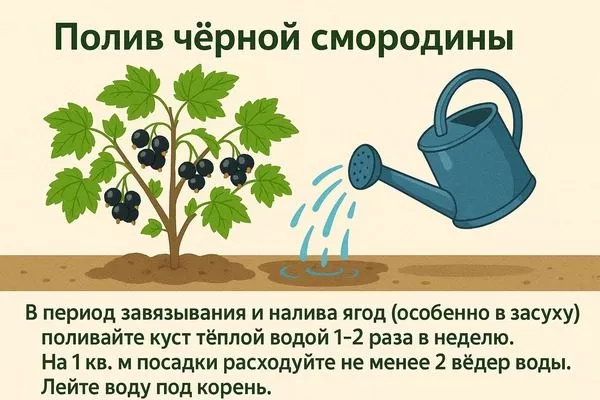
To prevent pests from accumulating under the mulch, it should be changed at least 2-3 times a year. - Watering. Maintain moderate soil moisture under currant bushes throughout the growing season. During budding and fruit formation, plants require moisture especially. During this period, water once a week, using 10-15 liters of water per bush.
-
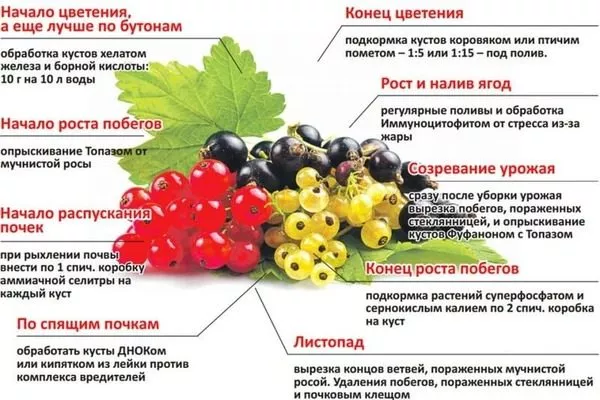
- Top dressing. Blackcurrants are recommended to be fertilized up to five times per season, alternating between organic mixtures (rotted manure, compost) and mineral complexes (ready-made mixtures, ash). These treatments should be carried out carefully and annually, using natural organic ingredients. Read on to learn how to fertilize bushes in the spring. Here.
In addition to the usual compositions, you can use solutions of rotted leaves and herbs, but without adding household and food waste.
- Top dressing. Blackcurrants are recommended to be fertilized up to five times per season, alternating between organic mixtures (rotted manure, compost) and mineral complexes (ready-made mixtures, ash). These treatments should be carried out carefully and annually, using natural organic ingredients. Read on to learn how to fertilize bushes in the spring. Here.
- Formation. Proper pruning of bushes prolongs their life and promotes a healthy and abundant harvest. Overcrowding can cause plants to become diseased, berries to shrink, and berries to fall prematurely.
Peculiarities:- The majority of fruit forms on branches aged three to five years. Branches older than seven years should be removed, as their fruiting capacity declines.
- Leave two or three one- and two-year-old branches, four three- to five-year-old branches, and two six- to seven-year-old branches. On average, there should be about 20 shoots on a bush.
- All stems to be removed should be cut at the base and immediately treated with garden pitch to prevent infection. Read about fall pruning guidelines. Here.
- Bush support. Sometimes it may be necessary to install supports or supporting structures. This is most often important during very heavy fruiting.
- Disease prevention. The main dangerous diseases for currants are powdery mildew, anthracnose, and terry leaf spot. To prevent these, it is recommended to spray the bushes with Bordeaux mixture three times during the season (in early spring, during budding, and after harvesting).
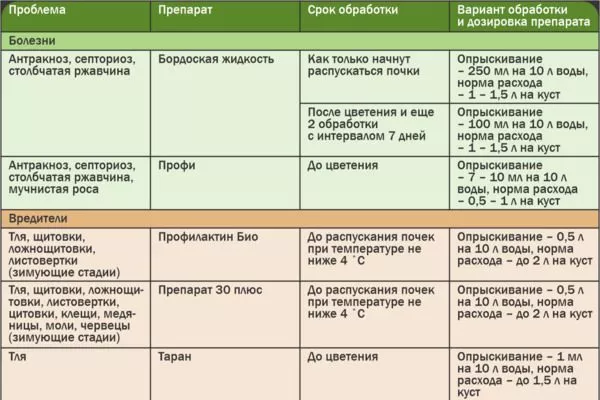
- Pest control. The main problems for currants are the leaf gall aphid, currant glassworm, bud moth and shoot gall midge:
- As a preventative measure, you can spray with the biological preparation Fitoverm, which is made from energetically active plants and can be used even during the period of fruit formation.
- In case of intense pest infestation, it is recommended to use a Fufanon solution containing the active ingredient Karbofos in a lower concentration.
- Preparing for winter. Currants are highly winter-hardy, so they don't require special cover. However, after autumn soil cultivation, a layer of leaf litter approximately 15 cm thick can be applied to the trunk area. You can learn more about preparing your crop for the cold season. Here.
Reproduction
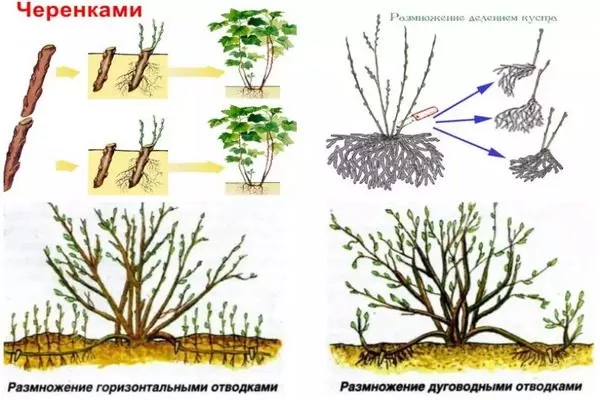
In private farmsteads, the most common methods used to propagate black currants are rooting cuttings and layering, which provide success rates of up to 90%:
- Method of cuttings. In June, green cuttings are taken from the bush, followed by semi-woody cuttings in August. These 10 to 20 cm long branches are rooted in light, moist soil. After a month, the seedlings will develop roots, after which preparations for transplanting to their permanent location can begin.
- Layering technique. In early summer, the young shoot is carefully bent to the ground and buried to a depth of 5 to 10 cm. After some time, roots appear on the rooted part, and new shoots emerge from the buds. At the end of the summer, the shoot with its roots is separated from the main bush.
Sometimes root division is used to grow new bushes, but this method does not always guarantee a successful result.
You will find more useful information about black currant propagation methods Here.
Why and when should you pour boiling water over it?
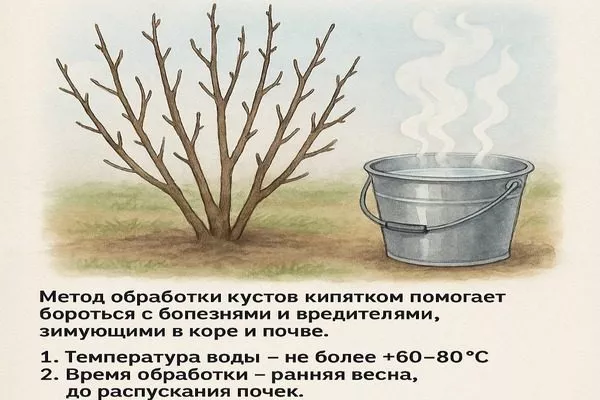
In the spring, before the buds begin to expand, it is recommended to treat the shoots. Using hot water helps kill powdery mildew spores and the eggs of insect pests such as spider mites and aphids.
Reviews
The Ermak blackcurrant is a low-maintenance variety capable of producing a good harvest even with minimal intervention. However, for this variety to fully realize its potential, it needs optimal growing conditions.