
The Fragrant currant combines excellent flavor, good productivity, and disease resistance. Even novice gardeners will find it easy to grow this shrub, which will delight you not only with high-quality berries but also with its ease of care. Proper care is essential.
Breeding history
Developed by crossing the Liya Plodorodnaya and Nadezhda varieties, this variety was developed by V. M. Litvinova, an employee of the Federal Scientific Center for Horticulture. It was officially approved for use in 1992.
Description of the variety
The Fragrant Currant is an ideal choice for those seeking a bountiful harvest without the hassle of care. This variety is renowned for its high yield, excellent berry flavor, and excellent varietal characteristics.
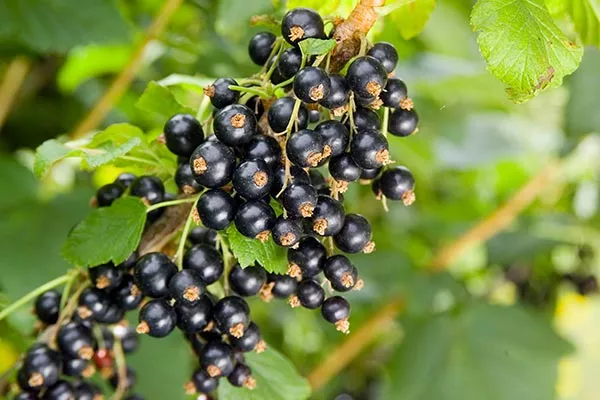
Appearance of the bush
The plant is characterized by a weak spreading and dense habit. Distinguishing characteristics:
- Escapes – Medium-thick, straight, green with a brownish tip, and pubescent. Woody shoots are brown.
- Leaves - Five-lobed, medium-sized, green in color, with light pubescence on the underside. They have a leathery texture and are slightly concave along the main veins.
- Flowers – medium size, cup-shaped.
- Sepals – pale yellow, free and directed upwards.

Berries and their taste qualities
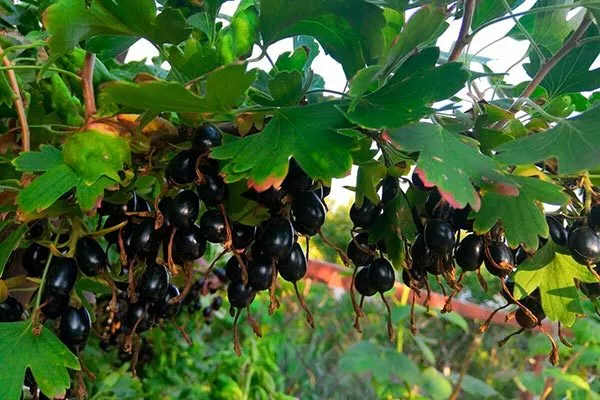
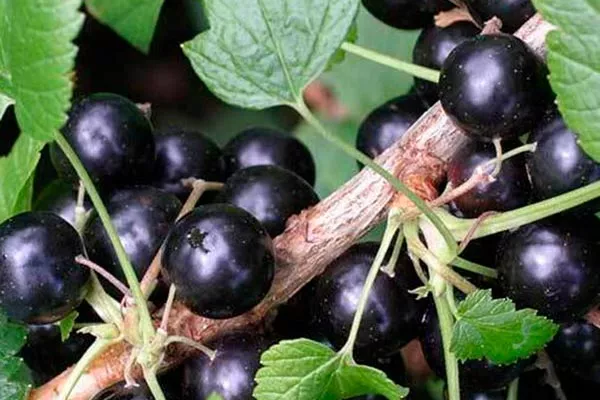
The fruits are black, round, with a dense, matte skin and an average weight of 1-1.4 g. They have a refreshing aroma, firm flesh, and a dry peel. The variety received a 4.2 rating on the tasting scale.
Characteristic features
The shrub is resilient to adverse growing conditions and requires little care. It thrives in a variety of climates, making it a popular choice for planting in various regions.
The berries have a refreshing flavor, firm texture, and pleasant aroma, making them ideal for eating fresh. They are also suitable for making jams, preserves, compotes, juices, marmalades, and other preserves.
The dense structure of the fruit allows it to retain its quality when frozen for long-term storage. It is used in baking, desserts, and as a garnish. Currants are rich in vitamins and antioxidants, making them beneficial for strengthening the immune system and improving health.
It's a self-fertile variety. There's no need to plant additional pollinators, as Dushistaya produces fruit without them.
The fruits begin to ripen in late June or early July. This variety is highly productive, with gardeners harvesting up to 3.4 kg from a single bush.
Landing features
To successfully grow the crop, it's important to consider certain recommendations. Follow these rules:
- The site should be well-lit and protected from strong winds. Avoid low-lying areas and areas with stagnant moisture, as this can lead to root rot.
- Currants prefer fertile loamy soils with a neutral or slightly acidic pH (5.5-6.5). A few weeks before planting, dig the beds, remove weeds, and add organic fertilizer (humus, compost).
- The optimal time is early fall (September-October) or early spring, before the sap begins to flow. Fall planting is preferable, as the plant has time to establish roots before winter.
- The distance between bushes should be 1.5-2 m to ensure normal growth and light access. Make planting holes 40-50 cm deep and about 50 cm wide.
- Place the seedling at a 45° angle to encourage new shoots. Spread the roots, cover with soil, compact, and water thoroughly (10-15 liters of water per plant).
- ✓ The groundwater level should not be higher than 1.5 m from the surface.
- ✓ The soil must have good drainage capacity, avoid areas with clay soil without prior improvement.
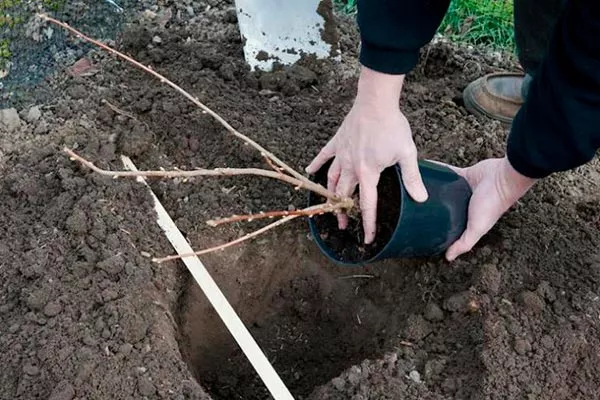
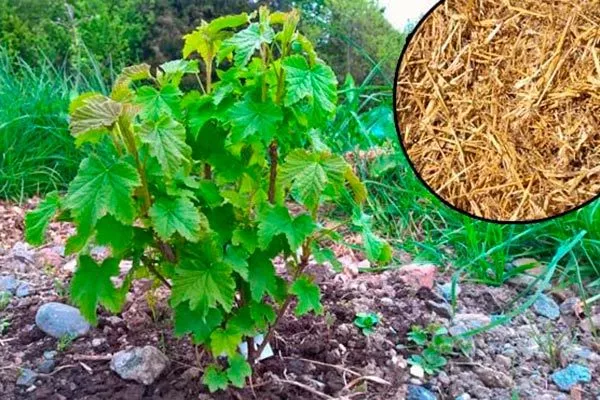
After planting, mulch the soil with peat, sawdust or humus to retain moisture.
Care and cultivation
The crop requires attention and care, so provide it with comprehensive care. Choose standard agricultural practices:
- Watering. Provide regular and abundant watering, especially during flowering, berry formation, and ripening. Apply water every 7-10 days, using 30-50 liters per bush. Keep the soil moist to a depth of 40-50 cm, avoiding drying out or waterlogging.
- Top dressing. In early spring, apply nitrogen fertilizers (ammonium nitrate, urea) to stimulate shoot growth. During flowering and fruit set, use potassium-phosphorus complexes or organic fertilizers (mullein infusion, wood ash).
In autumn, feed with superphosphate (30-40 g) and potassium sulfate (20-30 g) to prepare for winter. - Mulching. After watering, mulch the soil with peat, sawdust, humus, or straw to a depth of 5-7 cm. Mulch helps retain moisture, prevents weed growth, and improves soil structure.
- Loosening. Loosen the soil around the bushes 3-4 times per season to a depth of 5-8 cm to ensure air access to the roots. Combine loosening with weed removal.
Features of pruning
Prune your berry bushes in early spring, before they begin to actively grow. Remove all dead and damaged shoots, and shorten the remaining shoots by a third.
Prevention of diseases and pests
Take important steps to help prevent diseases and minimize pest exposure. Follow these recommendations:
- Observe crop rotation; do not plant currants in the same place for more than 3-4 years in a row.
- In the fall, remove all plant debris from the area to prevent the spread of fungal infections and pests.
- Pruning old and damaged shoots improves ventilation and light exposure, reducing the risk of diseases such as powdery mildew and septoria. Prune regularly to prevent plants from becoming too dense and ensure each shoot has access to air and light.
- To prevent powdery mildew, treat with copper solutions (Bordeaux mixture, copper sulfate) or systemic fungicides at the beginning of the growing season and after flowering.
- In case of fusarium, spray the bushes with fungicides and follow watering rules, avoiding over-watering the soil.
- The use of biological preparations (for example, Trichodermin) or folk remedies (infusions of garlic, onion peels) will help prevent the development of many fungal diseases.
- To control aphids, use insecticides or folk remedies such as a soap solution with garlic.
- When the first signs of damage by caterpillars appear, use Aktara or Karbofos.
- Mulching helps retain moisture and prevent the growth of weeds, which can be breeding grounds for pests and diseases.
Systematic care, adherence to agricultural standards, and timely prevention significantly reduce the risk of disease and pests, ensuring healthy plants and good yields.
Reproduction
There are several ways to propagate the Fragrant Currant. Each method has its own characteristics and advantages:
- Cuttings. In spring or fall, take semi-woody cuttings 15-20 cm long with several buds. Root them in water or plant them directly in prepared soil, planting them 5-7 cm deep.
To speed up the rooting process, use growth stimulants (such as Kornevin). The cuttings should be planted in shaded areas, and the soil should be moist and loose. - By layering. On a healthy, strong shoot, select the lower part of the branch and bend it toward the ground, covering it with soil, leaving the tip exposed. Water the area where the shoot meets the soil regularly and maintain moisture.
After a few months, the shoot will form roots, then separate it from the mother plant and transplant it to a permanent location. - Dividing the bush. This method is used when replanting or rejuvenating old plants. Dig them up and carefully divide them into several sections, each with roots and several shoots. Replant the sections in their new location, providing them with proper care, watering, and fertilizing.
- Sowing seeds. This isn't a popular method for producing productive bushes, as plants grown from seeds may not retain varietal characteristics. However, it can be used to develop new varieties or for experimental purposes.
Sow seeds in greenhouses or open ground after stratification (pre-cooling) to stimulate germination.
This method is more labor-intensive and requires a long time to obtain plants ready for fruiting.
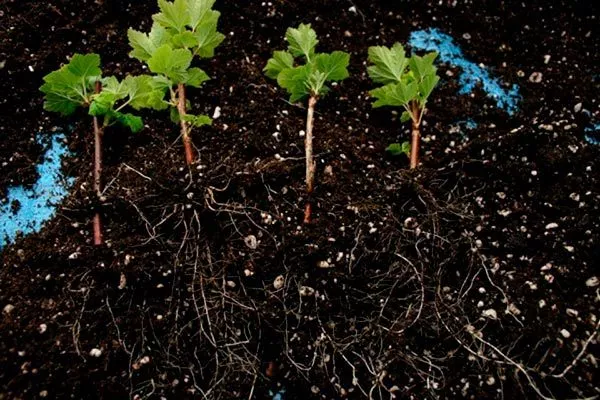
Each of these methods has its own characteristics, but the most effective and widespread is propagation by cuttings and layering, as these methods allow you to quickly obtain plants that retain all the qualities of the variety.
Positive and negative qualities
Before cultivating a crop, it's important to carefully study its characteristics. The Dushistaya variety has many advantages:
Among the disadvantages, some gardeners note the need for watering, the possibility of aphid infestation in dry years, the need for timely pruning, and sensitivity to waterlogged soil.
Reviews
The Dushistaya currant is one of the most popular varieties, gaining popularity thanks to its low maintenance, high productivity, and excellent berry flavor. This variety attracts attention not only with its excellent aroma but also with its consistent fruit production, making it an excellent choice for both amateur and experienced growers. Timely care is key.