
The Delikates currant is an early-ripening variety with a high yield and excellent berry flavor. It is frost-hardy, resistant to fungal diseases, and adapts to a variety of climates. The bushes are vigorous, and the berries are medium-large, juicy, with a rich sweet-and-sour flavor and firm skin. They store and transport well.
History and regions of cultivation
In 2000, an improved blackcurrant variety was developed at the Pavlovsk Experimental Station of the N. I. Vavilov All-Russian Research Institute of Plant Growing. The varieties Minai Shmyrev and Ojebyn were used in the breeding process. The plant underwent seven years of testing, and in 2007, it was officially added to the State Register.
The cultivar's creators are S. P. Khotsimskaya, O. A. Tikhonova, and E. V. Volodina. Today, Delikates is successfully cultivated in the Northern, Northwestern, and Far Eastern regions of Russia, as well as in the Central Federal District.
Description of the black currant variety Delikates
This crop is prized by gardeners for its high winter hardiness and resistance to fungal diseases. Furthermore, it adapts well to the climatic conditions of various regions of the country, making it a reliable choice for growing in harsh climates.
Bush
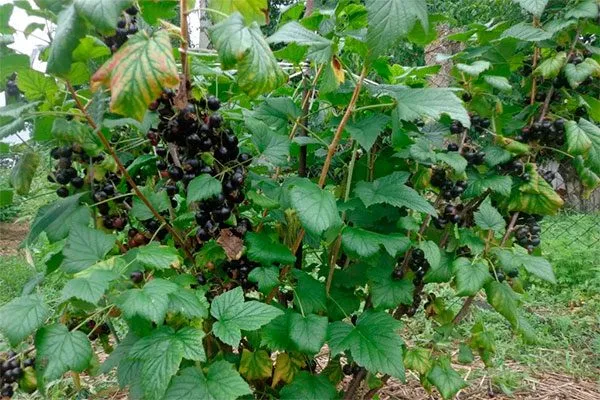
The plant is tall, reaching up to 1.5 m in height, with a medium spreading habit and a dense crown. Distinguishing characteristics:
- Young shoots are straight, thick, with a smooth, shiny green surface. A faint anthocyanin tint—reddish-purple—is visible at the base of the stem.
- Old, woody shoots are brownish-brown, shiny, slightly pubescent, tapering towards the top and have a characteristic geniculate shape.
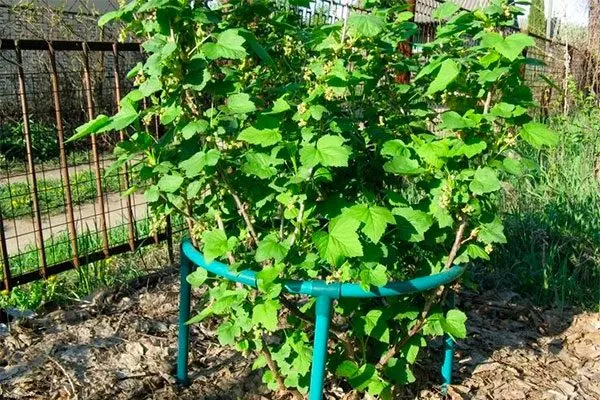
- The bush is characterized by massiveness, is resistant to gusty winds and does not require garter.
- The buds are solitary, oval-shaped, with a pointed tip, and a pinkish-lilac hue. The apical bud is larger than the others and ovoid in shape.
Leaves
Five-lobed, medium to large in size, dark green in color with a shiny, leathery surface. Other characteristic features:
- The leaf blade is wrinkled, slightly concave along the midrib. The main veins on both sides of the leaf are sparsely pubescent and usually uncolored, but some specimens may have a light anthocyanin coating from the base to the midrib.
- The central lobe is large, concave, and ovoid with a pointed apex. The lateral lobes are shorter, oval, and directed laterally. The basal lobes are weakly defined, with spreading veins. The leaf base is cordate, with a distinct notch.
- A characteristic feature of the variety is the funnel-shaped concavity of the middle lobe of the apical leaves, created by the raised edges of the lateral and basal lobes.
- The leaf teeth are short, distinct, with shallow “claws”.
- The petioles are green, of medium length and thickness, straight or slightly curved, and extend from the shoot at an angle of about 60 degrees.
Flowers
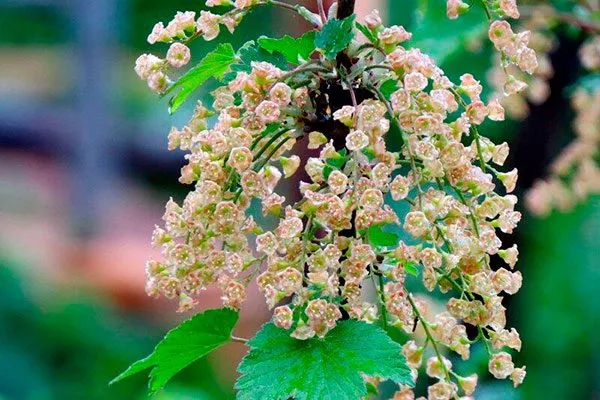
Small, goblet-shaped, pinkish in color. Key differences:
- The oval petals, with a light anthocyanin coating, are slightly tilted inward and touch each other.
- The stigma is located above the anthers, which improves pollination.
- The ovary is smooth, uncolored and remains open.
- The inflorescences form in racemes ranging from 4.5 to 6.8 cm in length, typically bearing 5-8 berries. The raceme's rachis is thin and green, with a short to medium-sized petiole.
- The peduncles are long, green, of medium thickness, slightly drooping.
Berries
The Delikates blackcurrant variety is medium-large, weighing 0.9-1 g and up to 1 cm in diameter. They are round or slightly oval, deep black in color, and have a shiny skin. They contain approximately 50 small seeds, which are virtually imperceptible to the taste.
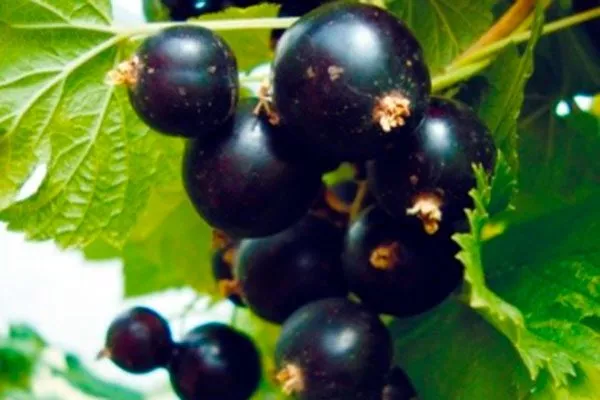
The berry's calyx is small, can be wide, deciduous or semi-decendent. The flavor is sweet and sour, with a pleasant aroma, and was rated 4.9 points by the tasting committee. The skin is thin and soft, but firm enough to retain its shape. The flesh is juicy.
According to the chemical composition, the berries contain on average:
- water – 83%;
- fiber - 4.8%;
- carbohydrates - 7.3%;
- proteins – 1%;
- fats – 0.4%.
The fruits have a high content of vitamin C – up to 180 mg per 100 g.
Characteristics
This delicacy is an early-maturing variety and is moderately self-fertile. It exhibits resistance to the main blackcurrant diseases, including powdery mildew and leaf spot, and also shows moderate resistance to bud mite.
Drought resistance, frost resistance
The Delikates currant is characterized by excellent frost resistance: without cover, the bushes can withstand temperatures down to -20°C, and with additional insulation, they can withstand frosts down to -35°C.
This makes the variety suitable for growing not only in the central part of the country but also in the harsh climates of Siberia and the Urals. The plants are resistant to recurrent spring frosts, reducing the risk of damage to flower buds.
The variety has limited drought tolerance; the bush requires regular and moderate watering. However, excess moisture is undesirable, as it can negatively impact the root system.
Variety yield and self-fertility
This is an early-ripening and highly productive variety. One mature bush can produce up to 12 kg of fruit, and the average yield per plantation reaches 196 centners per hectare. Fruiting begins in the second year after planting.
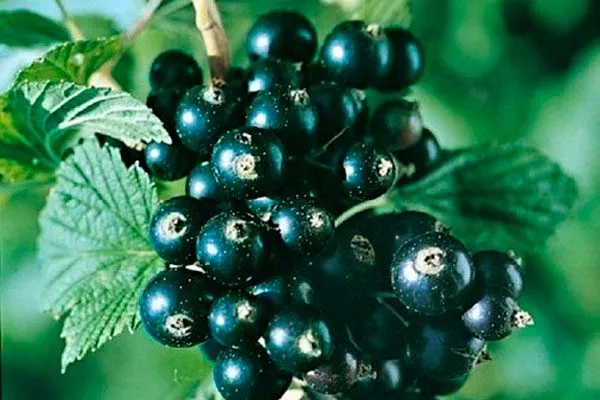
Ripe berries have a rich black color and have the following benefits:
- easily separated from the brushes;
- thanks to the dense skin, they do not wrinkle during transportation and retain their juiciness;
- they don’t become smaller even by the end of the season;
- resistant to shedding;
- not susceptible to sun baking.
Scope of application
The Delikates blackcurrant variety is popular with both gardeners and farmers due to its versatility and excellent shelf life. The berries are used to prepare:
- jam;
- jams;
- juices;
- compotes;
- jelly;
- smoothie;
- fillings for baking.
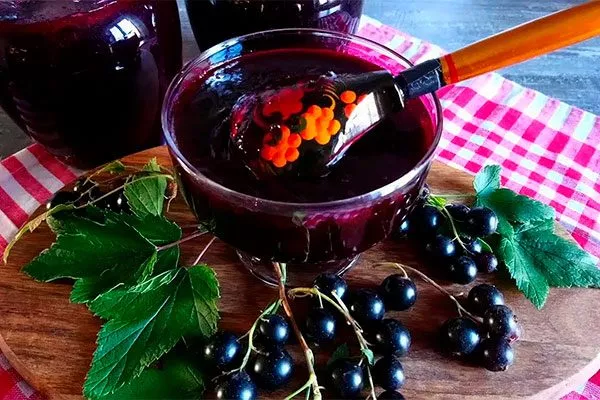
They are used to make homemade wines, liqueurs, and cordials. The fruits are suitable for eating fresh and canned. Currants of this variety can be dried and frozen—after defrosting, the berries retain their flavor and shape.
The harvest tolerates storage and transportation well. To prolong the shelf life of the berries, pick them dry and clean, then wash them carefully, dry them in a single layer, and store them in a cool place away from direct sunlight.
Methods of reproduction
You can increase the number of seedlings at home. There are several popular methods:
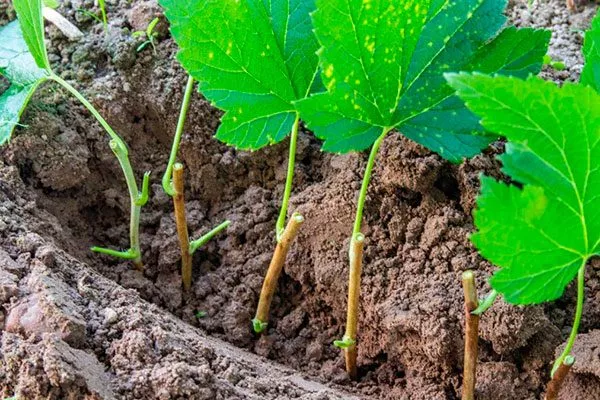
- Cuttings. In the fall, around October, cut healthy shoots 15-20 cm long from the bush and divide them into sections with 2-3 dormant buds on each section. Remove the leaves and plant the cuttings in prepared soil at a 60° angle. They usually root and begin growing quickly.

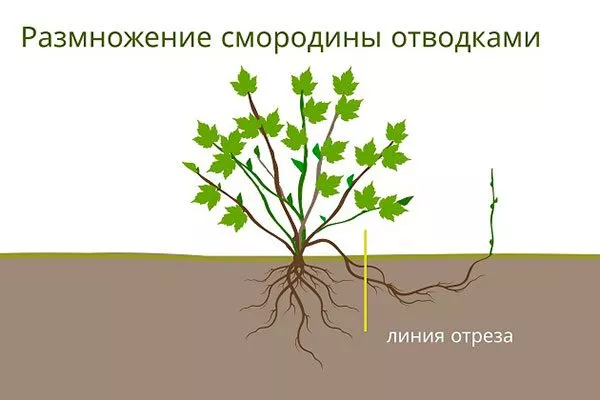
This procedure can be carried out in the spring, but if there is insufficient watering, the cuttings may not have time to develop roots and dry out. - By layering. One of the most reliable methods of propagation: In the fall or early spring, place strong one-year-old shoots from the outside of the bush in shallow (about 5 cm) trenches and secure with pins. Moisten the layers generously, and hill up the emerging shoots. In the fall, separate them and transplant them to their permanent location.
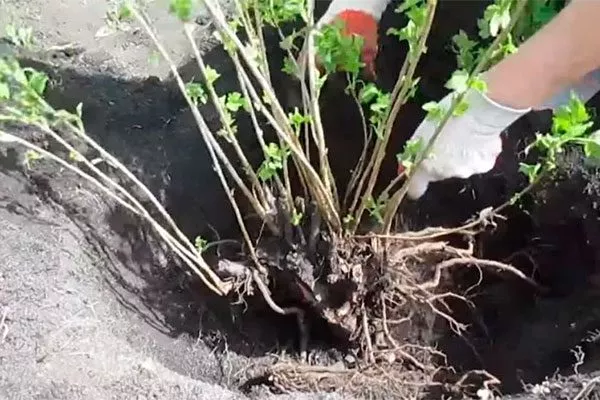
- By dividing the bush. This method is convenient when replanting or rejuvenating a plant. In the spring, hill up the mother plant, then add soil twice in the summer, monitoring the soil moisture. In September, dig up the plant and divide it into sections, which can be immediately replanted.
Planting and care
The optimal time to plant the Delikates blackcurrant variety is late fall or early spring, immediately after the snow melts. For planting material, select seedlings with 3-5 healthy shoots and a well-developed, light-colored root system.
Basic requirements:
- The planting site should be well-lit, with only light shade allowed. In shaded areas, the berries become smaller, turn brownish-red, become less sweet, and yield decreases.
- Prepare the soil well in advance by regularly removing weeds, digging, and adding fertilizer (compost or rotted manure). Light, loose, and fertile soils with low acidity are ideal: loamy, sandy, and slightly podzolized.
- If groundwater is close, place bushes on elevated areas or provide drainage to prevent moisture stagnation.
Landing algorithm:
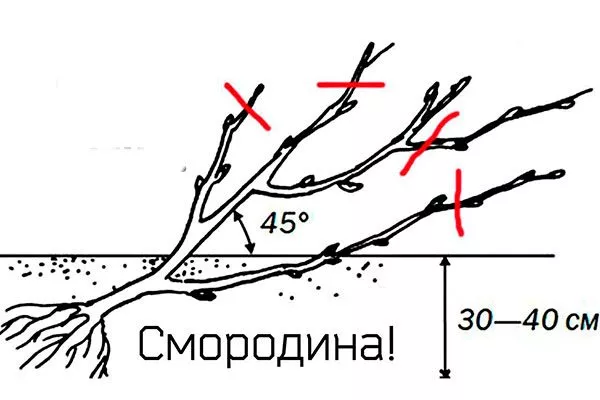
- Dig holes 40-60 cm in diameter and 30-40 cm deep, spaced 1.5-2 m apart between bushes and rows. Allow a radius of approximately 2 m for planting.
- Place a mixture of fertilizers at the bottom of the hole: 50 g of superphosphate, 20 g of potassium sulfate and 5-6 kg of humus, then water generously.
- Place the seedling at a 45° angle, cover with soil and compact.
- After planting, moisten the plant with 5-7 liters of warm water.
- Mulch the tree trunk circle with humus, peat or rotted manure.
Aftercare
To achieve a high yield and maintain the varietal qualities of the Delikates currant, proper care is required. Follow standard agricultural practices:
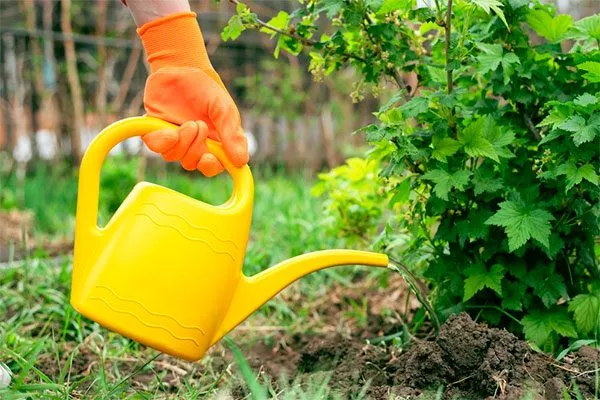
- Watering. Water the bushes at the roots regularly, every other day in hot and dry weather. Insufficient moisture inhibits plant development. Stop watering while the berries are ripening. The recommended amount is 10 liters of water per bush, morning and evening.
- Top dressing. Apply fertilizer (urea, superphosphate, potassium supplements) once a month. Dilute the mixture in water according to the instructions and water the bushes.
- Trimming. Perform shaping and rejuvenation pruning in early spring before bud break or in late fall after leaf fall. Throughout the season, remove diseased, old (over 5 years old), crooked branches, and shoots growing near the ground.
An optimally formed bush contains about 15 branches of different ages - approximately 3 one-year-old, two-year-old and older.
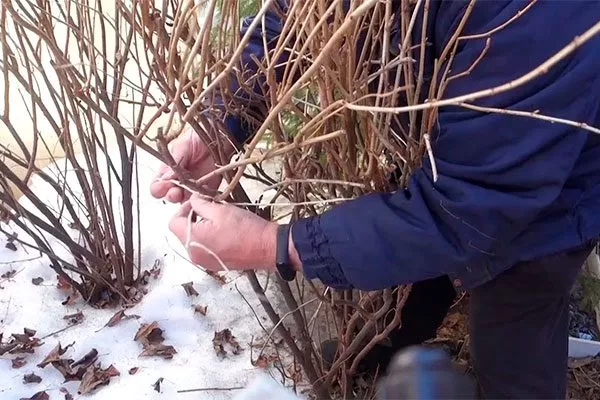
- Protection from rodents. To avoid damaging the bark, keep household waste and plant debris from accumulating around the area. In winter, after a snowfall, pack the snow around the bushes to make it more difficult for mice to create burrows. Hares generally don't harm currants.
- Garter. The bush is powerful and stable, there is no need to fix it.
- Preparing for winter. In the southern and central regions, clear the bushes of leaves in the fall, water and till the soil, and mulch the area around the trunk. You can read more about preparing currants for winter. Here.


Pests and diseases
Although Delikates blackcurrants are highly resistant to powdery mildew, spotting, and bud mites, it's important to regularly inspect branches and leaves. If signs of disease or pests are detected, remove affected areas immediately to prevent the infection from spreading to other parts of the bush.
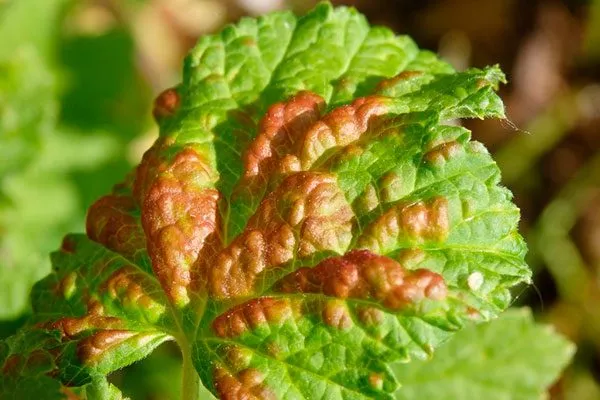
Treat the soil around the plants with antibacterial agents or natural remedies, such as garlic or onion infusion. To combat aphids, glassworms, bud mites, sawflies, and gall aphid use these medications:
- Fitoverm;
- Fufanon;
- Akarin.
If spotting, anthracnose and other diseases appear, spray the crown with fungicides or Bordeaux mixture at a concentration of 50 g per 5 liters of water.
Pros and cons
The crop has many advantages that have earned it the recognition of gardeners, but it also has some drawbacks. Only by considering both aspects can one gain a full understanding of the crop.
Reviews
The Delikates currant combines many advantages: stable yields, high resistance to disease and cold, and versatility. The berries are suitable for fresh consumption, canning, and processing. With proper care, this variety will become a reliable addition to your garden, providing delicious and healthy fruits for many years to come.