
Smolyaninova's Dar is an early-ripening blackcurrant variety prized for its large, sweet berries with excellent flavor and aroma. This bush is characterized by high yields, frost resistance, and good disease resistance. It requires little maintenance and is ideal for both home gardens and commercial production.
History of selection
This variety was created by Russian breeders A. I. Astakhov and L. I. Zuev. Development was conducted at the V. R. Williams Federal Research Center for Crops and Insemination, where the 4-15-90 and 42-7 hybrid varieties were used as parental forms.
The variety was added to the State Register in 2007 and recommended for cultivation in the Central Region. Today, the variety is considered promising for further breeding research.
Description of the currant variety Dar Smolyaninova
This variety is popular with gardeners due to its compact bushes, which don't take up much space, and its consistent productivity. The berries are high-quality, have an excellent flavor, and are suitable for all-purpose use.
Bush and root system
The plant is medium-sized, reaching a height of 1.5 m. It is quite wide and slightly spreading. Other distinctive characteristics:
- Escapes – Upright, medium-thick. Young branches are green and matte, becoming woody over time, acquiring a gray-brown hue.
- Foliage – Moderate, wrinkled, with a convex blade. The leaves are trilobate, with a medium-deep dissection and a finely serrated margin.
- Flowering – abundant, with short brushes having a sinuous axis.
- Buds – Pale purple, with reddish sepals. Each raceme produces up to ten buds.
The root system is fibrous, without a distinct central root, but with numerous lateral branches. The roots penetrate the soil to a depth of up to 40 cm.
Berries and their beneficial properties
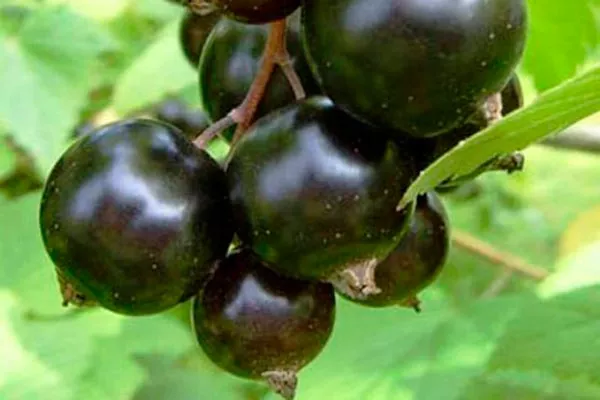
Each cluster produces up to eight loosely arranged fruits. They are large, weighing approximately 4 grams on average, with a regular round shape and a dry peel. They are blue-black in color, have a thin, matte skin, and contain juicy, firm flesh.
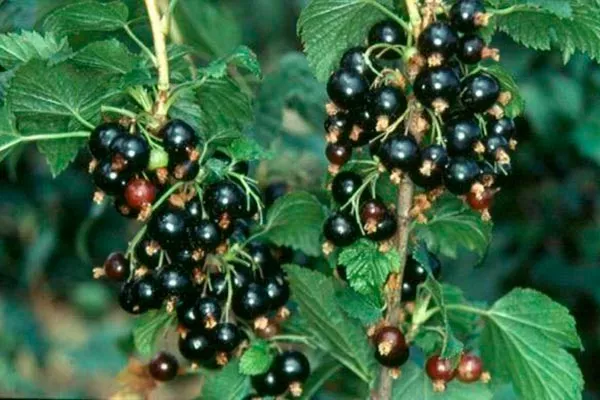
The berries are attached to a thin, green, medium-length stalk. When overripe, they become very soft and may fall off.
Characteristics of the variety
The black variety is the most popular of all the varieties of this crop. It has a vibrant aroma and a milder, less acidic flavor than red and white currants. The plant is easy to care for, making it popular among gardeners.
Taste qualities and scope of application
The berries have a high tasting score of 4.9. They are sweet with a subtle tartness. Despite their low acidity, they are rich in vitamin C, significantly exceeding the levels typical of citrus fruits.
The fruits are versatile: delicious fresh, suitable for freezing, and for preserving—they're used to make compotes, juices, jams, and preserves. Currant leaves are used in folk medicine, for pickling, and added to tea for flavor.
Ripening time and productivity
The Smolyaninova's Dar currant is an early-ripening hybrid. The berries ripen almost simultaneously, and harvesting begins in the first half of July.
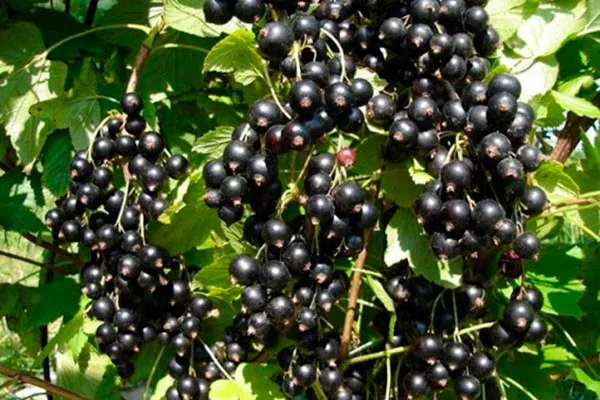
The variety is distinguished by its high yield: an average of up to 2 kg is harvested from one bush, and up to 133 centners per hectare. The maximum recorded yield is 2.6 kg per plant or 17.2 tons per hectare.
Flowering and self-fertility of currant Dar Smolyaninova
The shrub blooms in May, after which fruit begins to form. However, the number of fruits is usually smaller than the number of flowers, due to insufficient pollination. The expected yield can already be estimated after flowering.
The variety is self-fertile and does not require pollinators, although their presence has a positive effect on the size and quantity of the harvest.
Resistance to sub-zero temperatures and drought
The plant is characterized by high resistance to frost and drought. It requires no winter cover and tolerates spring frosts well, quickly recovering from the winter period.
In dry weather conditions, the hybrid requires regular watering, and to retain moisture, it is recommended to mulch the soil under the bushes.
Susceptibility to diseases and parasites
Currants have strong immunity to diseases such as powdery mildew, anthracnose, and septoria. The crop is rarely attacked by bud mites.
Harvesting and transportation of the crop, shelf life of berries
The Dar Smolyaninova currant variety is very easy to harvest: the fruits separate easily from the stem, and the entire bunch is cleaned without effort. Thanks to their thick skin, the berries are well-suited for transportation and long-term storage.
Under the right conditions, such as when stored in wicker baskets, currants can be stored in a cool place, such as a cellar or basement, for up to 2-3 months. The optimal temperature is up to +10°C. Frozen currants retain their quality until the following summer, especially when frozen.
Cultivation areas
Smolyaninova's Dar is adapted to the Central Black Earth Region and the Volga-Vyatka region. However, this doesn't stop experimental gardeners, always striving for new achievements, from growing it in other regions of the Central Russian Belt.
The crop is successfully cultivated throughout the country. This is especially relevant for beginners who have not yet gained experience and skills in caring for the shrub.
How to plant a variety in a plot?
To successfully grow this hybrid in your garden, it's important to follow several key rules, taking into account the characteristics and needs of blackcurrants. Further growth and development depend on proper management.
- ✓ The optimal soil acidity for the Smolyaninova's Dar currant is pH 6.0-6.5.
- ✓ The distance between bushes should be at least 1.5 m to ensure good ventilation and access to sunlight.
The best time to carry out work
The optimal time for planting seedlings is late September and early October. During this time, the roots have time to properly establish themselves in the soil, allowing the plants to thrive in the spring.
Selecting a seedling and planting location
Choose a sunny location, preferably protected from northerly winds. Experienced gardeners recommend planting along fences or paths.
Helpful tips:
- Currants grow well in any soil, except saline, marshy, and poorly permeable areas prone to flooding. In such cases, plant the bushes on elevated sites or create artificial mounds.
- If the soil is too light (sandy) or too heavy (clayey), pre-fertilize it with compost or humus. Slightly acidic soil is considered ideal for currants.
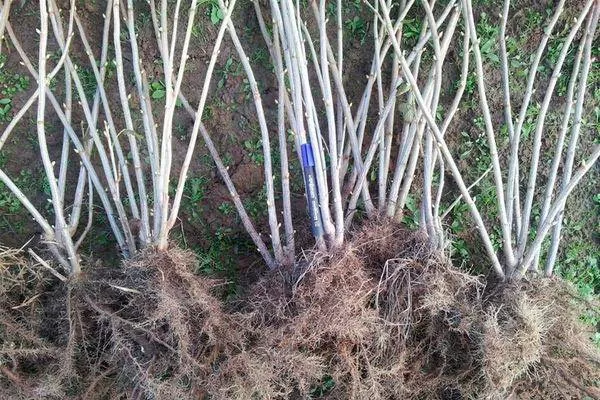
For planting, choose two-year-old seedlings that have undergone their first pruning to shape the bush. These plants should have well-developed root systems, and their leaves and shoots should be clean and healthy, free of disease.
Preparing the beds
When planting in the fall, prepare the plot in advance, and for spring planting, cultivate the soil in the fall. To do this, add nutrients to the soil per square meter:
- humus – 10 kg;
- wood ash – 1 kg;
- Superphosphate – 100–200 g.
Mix all ingredients thoroughly and dig in.
Currant planting technology
Planting a crop is easy if you follow a few key rules. Follow these steps:
- Pour 5 liters of water into the hole.
- Place the seedling in the hole at an angle of 45°, straighten the roots, sprinkle with soil and press down slightly.
- Moisten the plant again with 5 liters of water.
- Trim the shoots, leaving 2-3 buds on each.
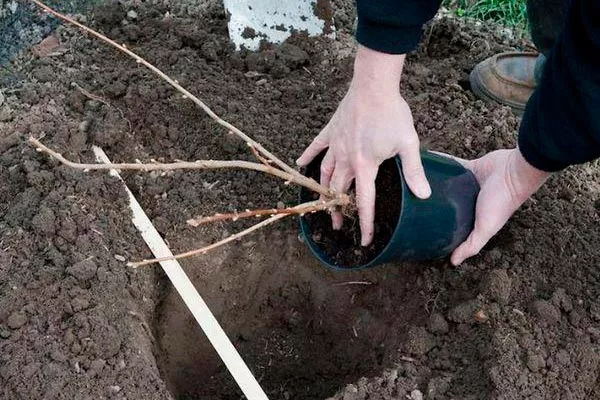
After planting, provide the seedling with proper care.
How to properly care for the crop?
The Dar Smolyaninova hybrid requires comprehensive care to achieve a high yield. Standard agricultural practices are essential for maintaining the plant's health, as the plant's immunity depends on them.
What and when to feed?
Apply the fertilizer evenly, distributing it over an area equal to the diameter of the bush's crown. You can sprinkle it on the surface before watering or lightly work it into the soil to a depth of about 5 cm.
In spring, feed currants twice:
- at the beginning of flowering;
- during the period of berry formation.
If all the necessary substances were added before planting, the plant does not need additional fertilizers in the first three years.
The first spring feeding includes:
- a solution of organic composition (for example, chicken droppings or rotted manure);
- complete mineral fertilizer;
- a mixture of organic and mineral substances.
To prepare a manure fertilizer, add 1 part cow manure and 25 g of urea or saltpeter to 10 liters of water. If using chicken manure, add 13-15 liters of water. You can replace organic fertilizer with nitroammophoska, adding 40 g per plant.
The second spring feeding provides the plant with essential micronutrients. To do this, use:
- wood ash (200 g per bush, followed by loosening and watering);
- a mixture of humus and potassium sulfate;
- mineral fertilizers with microelements (for example, Kemira or Yagodka).
Apply them to the soil or use them for foliar spraying. For treatment, prepare a solution: 10 g of fertilizer per 10 liters of water. A week after the first root feeding, apply the first foliar feeding using wood ash or boric acid infusions.
In the fall, apply phosphorus-potassium fertilizers. Apply the first application immediately after harvest, the second application a month later, and the third application in November, adding organic matter. The final application will take effect the following season.
How often should I water my shrub?
Currants require regular watering as they are moisture-loving crops. Water them 2-3 times a week. Insufficient moisture can lead to reduced yields and smaller berries. Use 30-40 liters of water per bush per watering.
Avoid overwatering to prevent root rot. Try to protect the leaves from drips to prevent sunburn.
Formative and rejuvenating pruning
Prune in early spring, before bud break: remove branches damaged by disease and mites, as well as broken and dried shoots. Rejuvenation pruning is necessary to prevent the bush from becoming overgrown.
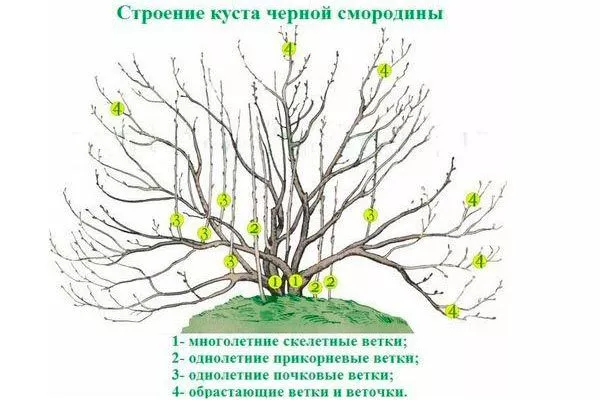
Formative pruning involves removing shoots older than three years. This is important because they produce less fruit: the first harvest accounts for 27% of the total over the lifespan, the second for 50%, and in subsequent years, only 13%. Don't be afraid to remove old branches, as they will no longer produce fruit. Proper pruning helps form a bush with 12 upright shoots.
Loosening and mulching the soil
Dig the soil regularly and apply a layer of mulch, using sawdust or compost. The layer should be about 5-10 cm thick. This helps retain moisture in the soil and protects it from overheating.
After each watering, loosen the soil and sprinkle with hay or sawdust. Remove weeds promptly, as they can become a source of disease or attract pests, which will negatively impact the plant's health.
Preventive treatments
To prevent currant diseases and pests, follow certain guidelines. Follow these recommendations:
- Purchase only healthy and strong seedlings.
- Inspect bushes regularly for signs of disease.
- Use chemical or biological control to kill disease vectors such as aphids and mites.
- At the end of winter, treat the plantings with boiling water to destroy pests and their larvae.
Maintain the correct dosage of fertilizers to avoid excess nitrogen, which can provoke viral diseases.
Frost protection
This variety tolerates winter cold well, but early frosts can damage the plant. To protect the bushes, cover them with non-woven fabric or use large paper bags.
For more secure cover, tie the branches into bundles and press them to the ground to prevent damage from strong winds. Cover with spruce branches, agrofibre, or mulch with a layer of dry leaves and peat. Remove the cover in early spring to prevent bud damage.
Methods of propagation of currants Dar Smolyaninova
You can increase the number of seedlings in your garden yourself. There are three methods for propagation at home:
- Cuttings. Select one-year-old shoots and cut them into 10-15 cm long cuttings. Root them in sandy or loose soil. Create a greenhouse effect (cover with plastic or glass).
Store the cuttings in a warm place, moistening the soil regularly. After a month, they will root, and then you can transplant them to their permanent location. - By layering. This method involves burying the lower shoots. To do this, select a flexible, healthy shoot, then bury part of it in the ground, leaving the tip above ground.
Secure the planting site without separating the shoot from the parent plant. Maintaining constant soil moisture is important. Layers usually take 1-2 months to root, after which they can be transplanted to a new location. - By dividing the rhizome. This method is usually used for older bushes that require rejuvenation. Carefully dig up the plant and divide it into several sections, including roots and shoots. Plant each section in prepared soil, providing care and water.
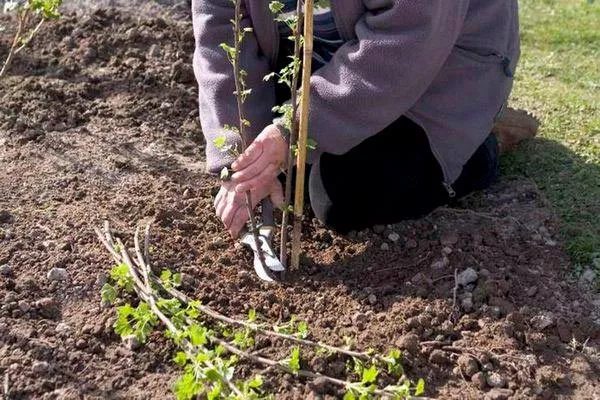
All these methods allow for the effective propagation of the Dar Smolyaninova hybrid and the production of healthy plants.
Collection and storage
Pick the berries in dry weather when they are fully ripe. They should be dark in color and easily detach from the cluster. Pick them by hand or with light tools to avoid damaging the bush.
To keep the fruit fresh, store it in the refrigerator, placing it in plastic or cardboard containers with holes for air circulation. You can freeze the berries for winter use. When freezing, it's best to portion them out so you can use them as needed.
Pros and cons
To avoid potential difficulties in the future, it's important to carefully consider the hybrid's advantages and disadvantages. This variety has numerous benefits:
Gardeners note several disadvantages:
The plant requires regular rejuvenation, which is a disadvantage for some.
Identical varieties
| Name | Ripening period | Disease resistance | Berry size |
|---|---|---|---|
| Bryansk agate | Early | Average | 1.8 g |
| Selechenskaya 2 | Early | Low | 2.0 g |
| Sevchanka currant | Early | High | 2.5 g |
Among other early varieties of currant, there are several similar cultivars. These include:
- Bryansk agateThe berries have a slightly tart flavor. The fruit cluster is long, and the fruit weighs up to 1.8 g.
- Selechenskaya 2The variety is suitable for industrial cultivation, but may be affected by aphids in dry summers.
- Currant Sevchanka. The characteristics are similar to the Dar Smolyaninova hybrid: the bunch contains 8-12 berries, but after rain, some specimens may crack.
Reviews
The Smolyaninova's Dar currant is a versatile variety that will delight you not only with its delicious berries but also with good productivity. The fruits retain their freshness for a long time and retain their marketable quality. To achieve maximum results, it is important to provide the plant with regular care and disease prevention.