
Dana currant is a popular variety that combines excellent flavor, disease and frost resistance, and ease of care. It's ideal for growing in both gardens and summer cottages, delighting with high-quality fruits. With proper cultivation practices, you can reap high-quality harvests year after year.
Origin
Developed by Russian breeders at the All-Russian Research Institute of Fruit Crop Selection under the leadership of O. D. Golyaeva, L. V. Bayanova, and M. A. Makarkina, the Dana currant was obtained by crossing the Rote Spätlese and Jonker van Tets varieties. After successfully passing trials, it was approved for commercial use in 2007.
Appearance of the bush
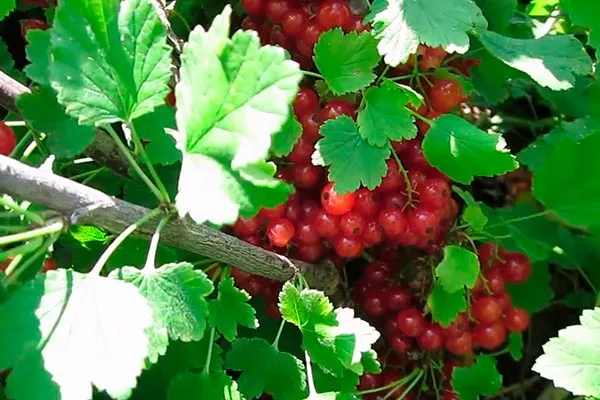
This vigorous, moderately spreading, and dense plant reaches 140-170 cm in height. Distinguishing characteristics:
- Escapes – straight and strong, have a greenish tint with a light anthocyanin tan, characteristic of this variety.
- Leaves - small, dense, matte, dark green in color.
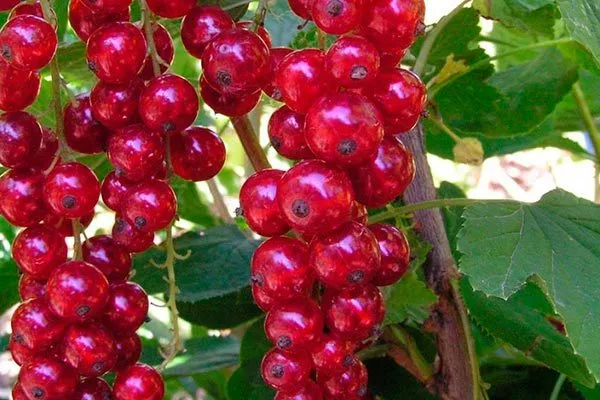
- Brushes – elongated and densely covered with berries (up to 20 pieces), with the petiole their length is 8-11 cm.
Berries and their taste qualities
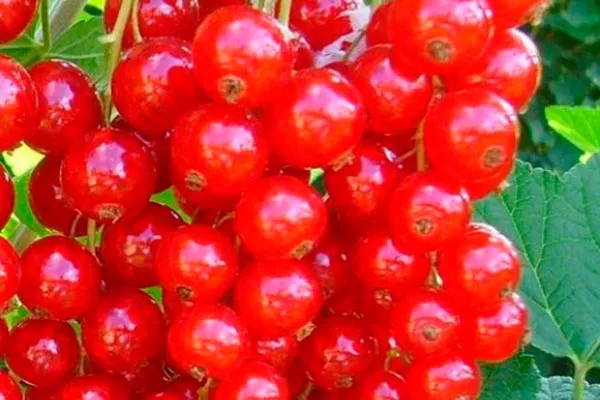
The fruits are light red. With proper care, they weigh 0.6-0.9 g and range in size from medium to large. They are round-oval in shape, with thin, delicate skin.
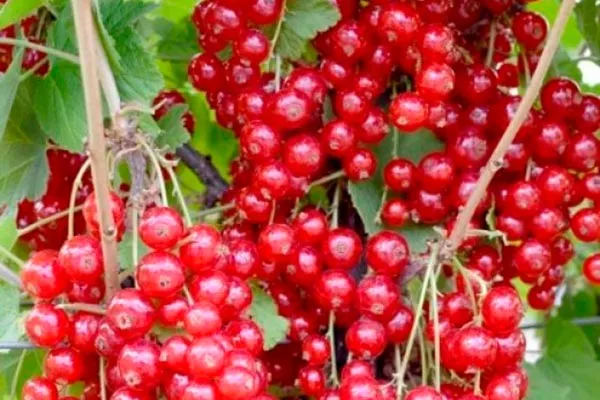
The flavor is sweet with a slight tartness, with a tasting score of 4.2 points. The berries are versatile and contain 2.5% acid, 7.5% sugar, and 46.8 mg% vitamin C.
Ripening period and yield
Dana currants are distinguished by their late ripening fruit. With proper care, the crop can achieve high yields – up to 227.5 centners per hectare.
Other characteristics of Dana currant
It is characterized by high drought and frost resistance, and good self-fertility. The plant has a strong immune system and is rarely susceptible to disease and insect attacks, provided all agricultural practices are followed.
Correct planting of Dana currants
Plant seedlings in fertile, well-drained soil with a pH of 5-6. Choose a sunny location to ensure the plant receives sufficient light and thrives.
- ✓ Seedlings must have a healthy root system without signs of rot or damage.
- ✓ The optimal age of a seedling for planting is 1-2 years.
- ✓ Presence of 3-5 well-developed shoots.
Follow the recommendations:
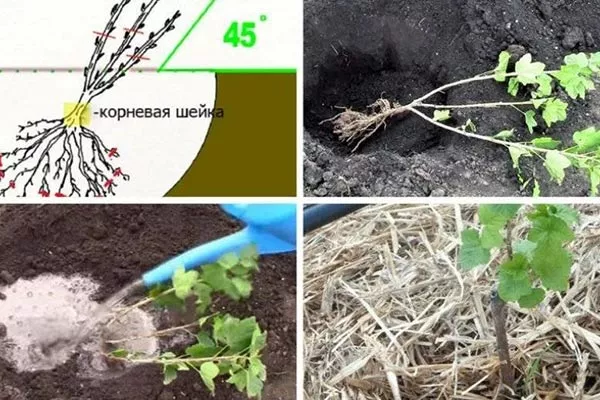
- Dig a hole measuring 40 x 40 cm and about 40 cm deep. Mix the topsoil with 10-20 kg of humus and add 100 g of superphosphate and 50 g of potassium sulfate (or similar fertilizer). Sprinkle some of the resulting mixture onto the bottom of the hole.
- Before planting, inspect the seedling's roots and trim off any damaged or dry areas. Soak the root system in water for 2-3 hours to moisten it.
- Place the plant in the center at an angle of approximately 45° to encourage additional roots and shoots. Position the seedling's roots and fill with the remaining soil, gradually compacting each layer to eliminate air pockets. The root collar should be buried 5-7 cm below ground level.
- Water the seedling generously (about 10 liters of water). This will help the roots better anchor in the soil and begin the rooting process.
- Mulch the soil with straw, sawdust, or peat to a depth of 5-7 cm. Mulch will retain moisture, prevent weed growth, and protect the roots from temperature fluctuations.
During the first year, maintain moderate soil moisture, water the bush regularly and loosen the soil around it.
Further cultivation
For optimal growth, Dana currants require constant attention and care. Follow standard agricultural practices:
- Watering. Water the bushes moderately, avoiding both drying out and overwatering. During dry periods, water once a week, using approximately 20-30 liters, especially during flowering, fruit formation, and ripening. Pre-winter watering is also important.
- Top dressing. In the spring, apply nitrogen fertilizer to stimulate growth. In the summer, use potassium-phosphorus fertilizers to improve fruiting. Wood ash is also effective. In the fall, fertilize with organic matter (humus or compost) to provide the plant with nutrients for the winter.
- Trimming. Prune in the spring before bud break or in the fall after the leaves have fallen. Remove damaged, weak, and old branches older than 5-6 years, leaving strong young shoots. Annual pruning promotes rejuvenation and increases yield.
- Loosening. Helps improve root aeration and promotes better penetration of water and nutrients into the soil. Loosen the soil regularly, especially after watering or rain, to prevent surface crusting.
This helps eliminate weeds that may compete with the plant for nutrients and water. Loosen the soil carefully, to a depth of no more than 5-7 cm, to avoid damaging the roots.
Mulching is another important gardening technique that helps retain soil moisture, prevent weed growth, and maintain optimal root temperatures. Use organic materials such as compost, straw, sawdust, or peat.
Diseases, pests
Despite a strong immune system, the crop can be susceptible to various problems. It's important to address these challenges early:
| Disease/Pest | Signs | Treatment |
| Powdery mildew | White, dusty coating on leaves, shoots and berries. | Use of fungicides (Topaz, Fundazol), removal of affected parts of the plant. |
| Septoria (white spot) | Light spots with a dark border on the leaves, yellowing and falling off. | Treatment with copper-containing preparations (for example, Bordeaux mixture), regular removal of damaged leaves. |
| Aphid | The appearance of small insects on the underside of the greenery, distortion of the shape of leaves and shoots. | Use of insecticides (Aktara, Karbofos), folk remedies (infusion of garlic or tobacco dust). |
| Spider mite | Small red or green dots on the leaves, the appearance of a thin web. | Treatment with acaricides (Fitoverm), spraying with water and soap. |
| Currant fly | It is a carrier of viral diseases and damages berries, which turn black and do not develop. | Setting up traps, treating with insecticides during the flowering period. |
| Noctuid caterpillars | Damage to leaves, holes, falling plant parts. | Use of insecticides (Decis, Karate), manual collection of caterpillars. |
Positive and negative qualities
Before planting a seedling in your garden, it's important to carefully consider its advantages and disadvantages. This will help you prepare for potential challenges down the road.
Despite numerous positive reviews, Dana currants do have some drawbacks. Gardeners note average yields, small berries, demanding growing conditions, and the need for preventative measures.
Reviews
Dana currant is an excellent choice for both beginner and experienced gardeners. Its high frost resistance, juicy berries, and disease resistance make this variety even more popular. With proper care and proper plant placement, you'll enjoy bountiful harvests throughout the season.
This season, I decided to slightly update my currant selection and couldn't decide on a variety. Thank you for the detailed description – you covered all the necessary aspects (taste, yield, growing regions, variety requirements, etc.). This helped me choose the Dana red currant!