
The Black Giant currant is a sought-after variety with large berries and excellent varietal characteristics. It is popular with both novice and experienced gardeners. This variety combines excellent flavor, strong immunity, frost resistance, and ease of care. The berries are often used for winter preserves and eaten fresh.
Description of the plant and fruits
This plant was developed by Russian breeders. It grows as a medium-sized bush with upright shoots, reaching a height of approximately 1.5 meters.
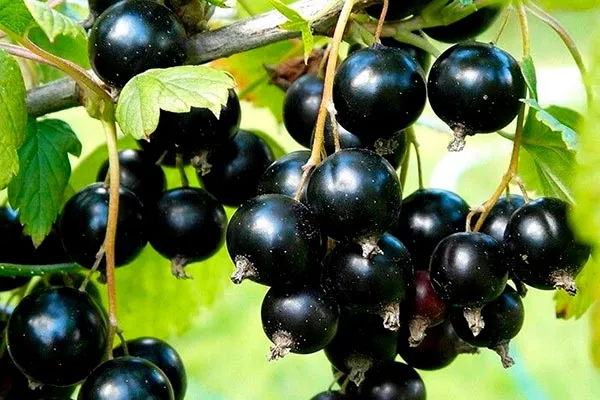
Main qualities:
- Leaves - dark green, five-lobed, with a wrinkled and bubbly surface.
- Flowers – small, white-pink, with a pleasant sweetish aroma.
- Berries - round in shape, weight varies from 3 to 8 g. A bunch can contain from 6 to 12 fruits.
- Aroma – moderate but pleasant, and inside there are large seeds.
Currant berries are used for various purposes:
- consumed fresh;
- prepare jam, jellies and confitures;
- used for preparing natural juices, fruit drinks and compotes, tinctures and liqueurs;
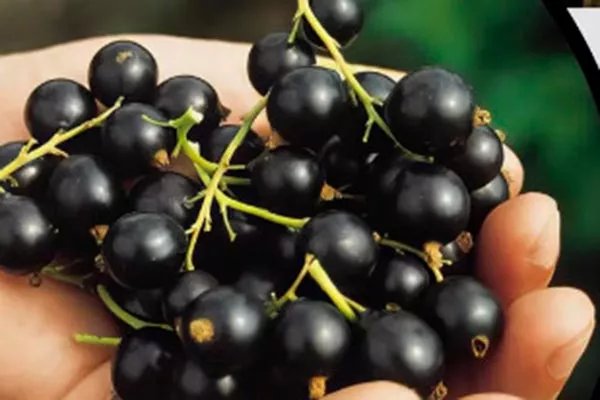
The fruits are sweet and aromatic, making them a popular ingredient in salads, desserts, and even snacks. They are also frozen for winter baking, added to porridge, or used to make winter drinks.
Characteristics of the variety
The berries ripen in mid- to late July, depending on the region's climate. This variety ripens all at once, making harvesting easier. One of the main advantages of the Black Giant currant is its high yield—up to 5-6 kg of berries per bush.
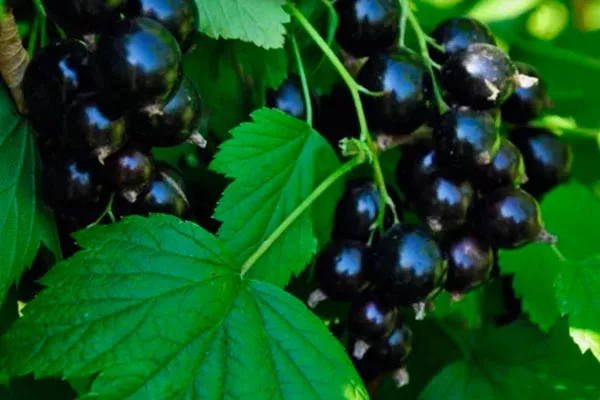
This cultivar is characterized by minimal fruit droppage, which helps maintain good productivity. It is frost- and drought-resistant and rarely susceptible to disease and pest attacks.
Planting and care features
Currants prefer sunny or partially shaded areas with loose, well-drained, and breathable soil. Plant them in areas protected from strong winds.
- ✓ The soil pH level should be strictly within 6.0-6.5 for optimal nutrient absorption.
- ✓ The groundwater depth must be at least 1.5 m to prevent root rot.
Follow these recommendations:
- Thoroughly dig the area and add organic fertilizer (such as compost or humus). The soil should be well-drained and have a neutral or slightly acidic pH.
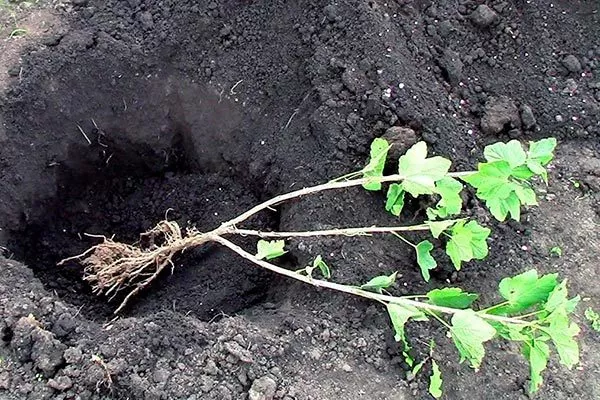
- Begin planting the seedlings in early spring or fall. Dig holes 40-50 cm in diameter and 30-40 cm deep, add organic and mineral nutrients, such as superphosphate, and mix thoroughly.
- Place the seedling in the hole, fill with soil, lightly compact it, and moisten it. If you plan to plant several plants at once, maintain a distance of 1.5-2 meters between them. The bushes should grow well and not shade each other.
- Provide the plant with regular watering, especially during dry periods. Apply water to the roots. The soil should remain moderately moist, but do not overwater.
- During the first two years, plants receive sufficient nutrients from the soil. Subsequently, apply nitrogen fertilizers in the spring to promote active growth, and potassium and phosphorus fertilizers in the fall to strengthen the roots and prepare for winter. Organic fertilizers, such as manure or compost, and mineral solutions with microelements are effective.
- In spring and fall, perform sanitary pruning, removing dead, diseased, or damaged branches. To improve air circulation and light exposure, thin out the bush by removing old and weak branches. Pruning stimulates new growth and improves fruiting.
- To prevent diseases and pests (powdery mildew, anthracnose, and bud mites), use biological products or folk remedies, such as garlic infusion or soap solution. Regularly inspect the bushes and treat them with fungicides or insecticides at the first sign of disease.
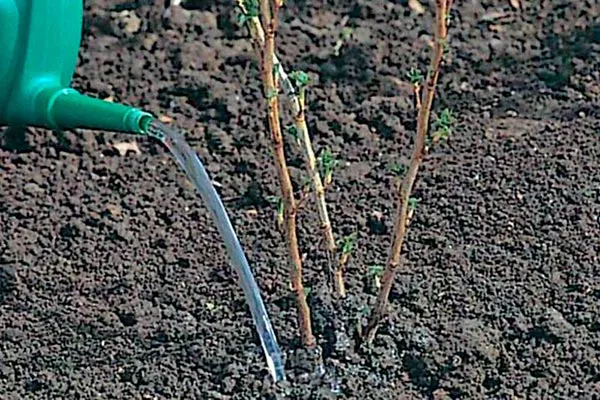
To maintain soil moisture and prevent weed growth, mulch the soil around the plants with a layer of compost, peat or tree bark.
Reviews
The Black Giant currant combines many positive characteristics. This variety is ideal for cultivation in a variety of climates and guarantees a stable and tasty harvest, provided important agricultural practices are followed.