
Black Boomer currants are disease-resistant and produce abundant harvests several times per season. These characteristics make them extremely attractive for cultivation in various regions of the country. With proper care and timely preventative measures, you can enjoy a delicious harvest every year.
History of selection
The variety was developed in the 1980s by crossing the Selechenskaya-II and Chudesnitsa varieties. It was developed by Ukrainian breeder Mikhail Uzenkov.
Description of the Black Boomer currant variety
This variety has been popular among gardeners in our country for many years. Its low maintenance and ease of cultivation make it a favorite choice even for beginners.
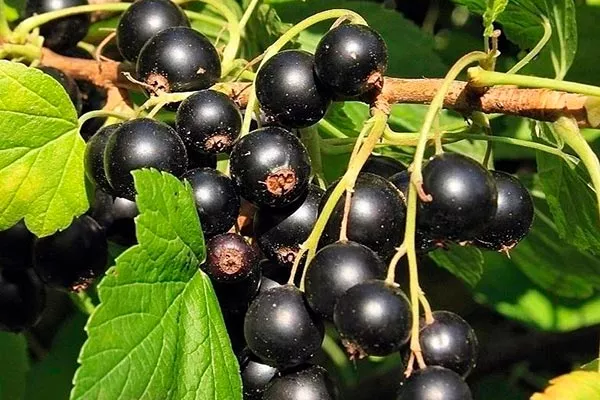
Peculiarities:
- Bush. The plant is vigorous, with numerous branches that are compactly arranged relative to one another. The shoots are covered with medium-sized, trilobate leaves colored dark green.
- Berries. The fruits are round, large, and weigh between 5 and 7 grams. The skin is thick and smooth, and the flesh is juicy, sweet, and aromatic. A cluster contains approximately 20-25 berries.
Characteristics of the variety
Black Boomer currant is a mid-season variety. It is resistant to adverse weather conditions, making it a reliable choice for a variety of climates.
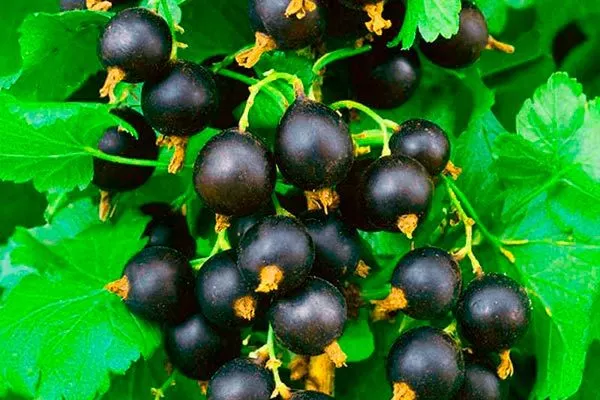
Characteristic features:
- Taste qualities. The flesh is dense, meaty, uniform, and a rich brown color. It has a pleasant aroma and a sweet, slightly tart flavor.
- Purpose of Black Boomer currant. The culture is versatile and suitable for various uses. It is recommended for strengthening the immune system and improving overall well-being.
- Cooking. The berries are eaten fresh and used to make fruit drinks, juices, and baked goods. They retain their beneficial properties when cooked, frozen, or canned. Fragrant currants make an excellent ingredient for jam, preserves, and marshmallows. They are also used to make delicious compotes.
- Frost resistance. The plant is winter-hardy, so it is successfully grown throughout almost all of Russia, with the exception of the northernmost regions. In areas with harsh and cold winters, it is recommended to protect plants from frost by covering them with matting or protective film.
- Disease resistance. Blackcurrants are rarely susceptible to viral diseases and other illnesses. During the off-season, bushes are treated with special biological or chemical agents to protect against pests and mites.
Medicinal properties
Currant varieties Black Boomer Valued not only for its large, sweet berries, but also for their rich chemical composition, which has a positive effect on health. They are a true treasure trove of vitamins:
- Vitamin C (up to 200 mg per 100 g) – a powerful antioxidant that strengthens the immune system.
- B vitamins (B1, B2, B6) – support the nervous system, improve metabolism.
- Vitamin E – beneficial for skin, hair and vision.
- Vitamin P (rutin) – strengthens blood vessels and reduces their permeability.
Contains the following microelements:
- Potassium – normalizes blood pressure and supports heart function.
- Iron - increases hemoglobin levels, preventing anemia.
- Phosphorus and calcium – strengthen teeth and bones.
- Magnesium – relieves muscle tension and improves mood.
The composition includes organic acids (citric, malic, and succinic), which maintain the acid-base balance. Pectin substances promote the elimination of toxins and heavy metals. Anthocyanins have antioxidant properties and slow cell aging. Phytoncides inhibit the growth of bacteria and viruses.
Use in folk medicine:
- A decoction of leaves helps with kidney and bladder diseases.
- Berry juice reduces fever, fights anemia and stimulates appetite.
- Currant leaf tea strengthens the immune system and tones the body.
Ripening time and yield
The berries ripen in early July. The harvest takes three weeks. The crop is characterized by excellent productivity: a single plant yields 5-7 kg, but with careful care, up to 10 kg can be obtained.
To obtain larger fruits, it is recommended to plant several other currant varieties near Black Boomer bushes. This promotes cross-pollination.
How to plant?
A month and a half before planting currants, amend the soil with organic fertilizers such as manure, peat, and compost. Dig the soil deeply to improve its structure and prepare it for planting. Then follow these recommendations:
- Clear the area of weeds, especially couch grass, which can compete with plants for nutrients.
- Space young seedlings 1.5-2 meters apart. Maintaining the recommended distance ensures adequate nutrition for the berry crop and ease of care.
- Prepare planting holes in advance. The holes should be 35-40 cm deep and 50-60 cm wide.
- ✓ Soil pH should be between 6.0-6.5 for optimal nutrient absorption.
- ✓ The soil must have good drainage to avoid water stagnation and root rot.
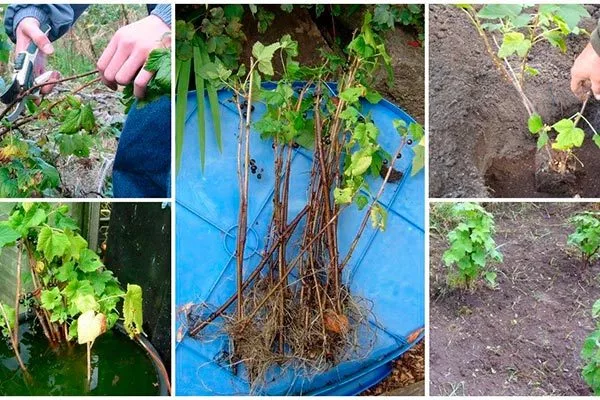
Step-by-step algorithm:
- Mix the excavated soil with 10 kg of compost, add 200-300 g of wood ash and 100 g of superphosphate. Use some of this mixture to fill the bottom of the hole.
- Pour 10-20 liters of water into the prepared hole so that the soil is well saturated with moisture.
- Place the seedling at a 45° angle to encourage new shoots to form. The root collar should be 5-7 cm below ground level.
- Cover the roots with the remaining soil mixture, gently compacting the soil with your hands to avoid air pockets.
- After planting, water the plant with 20 liters of water.
- Mulch the soil around the seedling with a 5-7 cm layer of humus, peat or dry grass to retain moisture and protect against weeds.
Shorten the branches of the bush, leaving 3-4 buds on each shoot so that the bush directs its energy to rooting.
Care instructions
Choosing the right planting time and soil quality are important, but currants require careful and consistent care throughout all stages of growth and development. The key is to follow standard agricultural practices.
Watering
Water the bushes with warm, settled water, preferably in the morning or evening to prevent moisture evaporation. Water should reach the roots, avoiding the leaves, to avoid the development of fungal diseases. To achieve this, make shallow furrows around the bushes or water into the tree trunks.
The frequency of watering depends on weather conditions and the plant's development phase:
- In spring, during the period of budding, The soil should be moderately moist. In dry weather, water once a week with 15 liters of water. If it rains, no additional watering is necessary.
- IN flowering period And berry formation (May-June) The plant's moisture requirements increase. Water every 5-7 days to prevent ovary drop and ensure fruit filling. Maintaining soil moisture is especially important on dry and hot days.
- After harvesting, in August-September, reduce the quantity.
Fertilizers
Fertilize the Black Boomer currant variety several times per season to ensure its full development and high yield. Follow this schedule:
- Early spring. In March-April, apply the first fertilizer. This is aimed at stimulating shoot growth and bud development. Apply nitrogen fertilizers: ammonium nitrate (20-30 g), mullein infusion (dilute with water 1:10), or chicken manure (1:15).
- Before flowering. In May, currants require additional feeding to promote bud and fruit set. During this period, use superphosphate (30 g), potassium sulfate (20 g), and wood ash (200-300 g).
- During berry formation. In June, fertilize the bushes with potassium and phosphorus compounds to improve fruit ripening. Potassium sulfate (20-30 g), ash (up to 300 g), and nettle infusion are good choices.
- After harvesting. In August-September, it's important to prepare currants for winter by strengthening their root system. To do this, apply superphosphate (30-40 g), potassium sulfate (20-30 g), and organic matter—rotted manure or compost (5-6 kg per bush). Apply the fertilizer into the furrows, then water thoroughly.
To improve fertilizer absorption, apply the fertilizer only after the soil has been moistened. A combination of mineral and organic matter will help achieve good results.
Winter shelter, harvesting and pruning
In the spring, remove diseased and damaged shoots, and perform the second pruning in late summer after the harvest. During this period, prune out old, dry, and damaged branches.
In southern regions, the plant doesn't require winter cover. In northern regions, where severe frosts are common, insulate the bushes with spruce branches, dry leaves, or special covering material.
Ripe fruits do not fall off, so harvest them within 7-14 days. Optimal harvesting conditions include dry, windless weather.
Diseases and pests
The plant has a strong immune system, but disease and insect attacks are still possible. When caring for shrubs, it's important to closely monitor their condition, as they can be susceptible to various problems:
| Disease/Pest | Signs | Treatment |
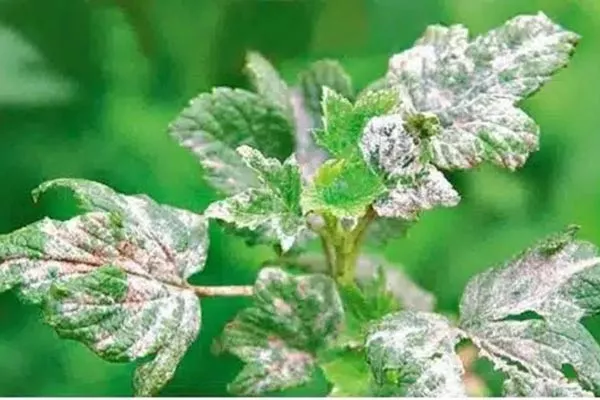
| Powdery mildew | A white coating on leaves, shoots, and berries. This leads to deformation and drying out. | Spraying with a fungicide solution (Topaz, HOM, Skor). Prevention: treatment with Bordeaux mixture at the beginning of the season. |
| Anthracnose | The leaves have brown spots that merge, causing them to fall off. | Treatment with Cuproxate or Bordeaux mixture. Removal of affected parts. |
| Goblet rust | Orange or red spots on leaves, deformation of shoots. | Using Bordeaux mixture or Ridomil Gold to control weeds. |
| Glass-box | The shoots wither, and larvae feeding on wood are found inside the stem. | Pruning affected branches down to healthy tissue. Applying insecticides (Aktara, Iskra). |
| Kidney mite | Enlargement and rounding of buds, their underdevelopment, leaves may be small and deformed. | Early spring spraying of bushes with boiling water or Thiovit Jet. Manual removal of affected buds. |
| Aphid | Curled leaves, presence of small green or black insects on the back of the leaf. | Treatment with garlic infusions, soap solution or insecticides (Fitoverm, Confidor). |
| Gall midge | The leaves turn red and become deformed, the berries become smaller. | Insecticides (Karate, Fufanon) are effective. Destruction of plant debris and weeds. |
| White spot | The appearance of light spots on the leaves, which then turn brown and dry out. | Use fungicides (Fundazol, Skor). Timely pruning and removal of fallen leaves. |
| Currant moth | The berries turn black and larvae are found inside them. | Manually harvest damaged fruit and loosen the soil under the plants in early spring. Use of Lepidocide. |
Pros and cons
To avoid potential difficulties in the future, it's important to carefully study the crop's characteristics and its drawbacks. Hybrid currants have many advantages:
Among the disadvantages of the crop, some gardeners note a loss of taste in extreme heat, possible shedding of berries during dry periods, and the grounding of branches under the weight of the fruit during abundant harvests.
Reviews
Black Boomer currant is an ideal choice for both beginner and experienced gardeners. This variety is easy to grow, requires minimal care, and is resistant to many diseases. It is characterized by good productivity and yields generous harvests, but requires careful attention to important agricultural practices.