
Pygmey is a frost-hardy, high-yielding blackcurrant variety. Renowned for its beneficial properties, the plant is easy to care for, and is considered an early-ripening variety with a strong immune system.
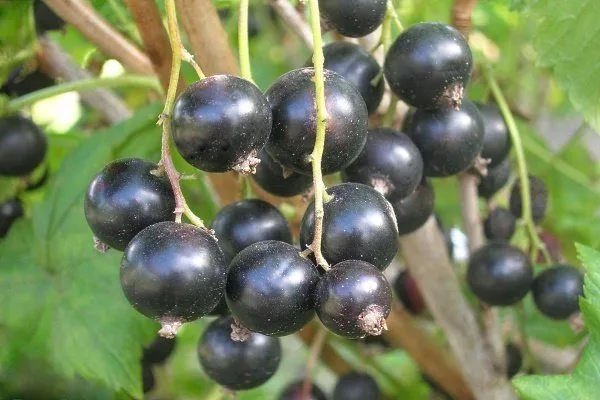
Blackcurrant Pygmy
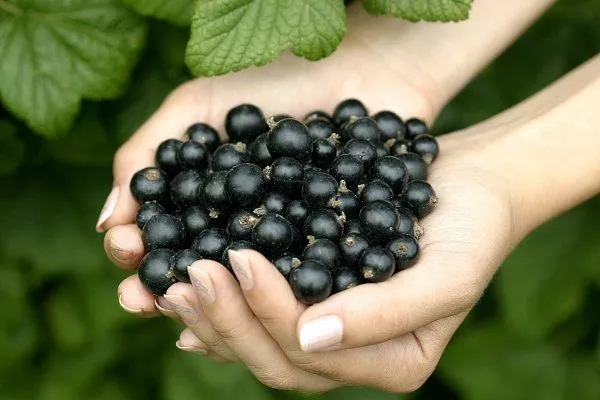
The advantages of the Pygmy variety have made it one of the most beloved and widespread among our country's gardeners.
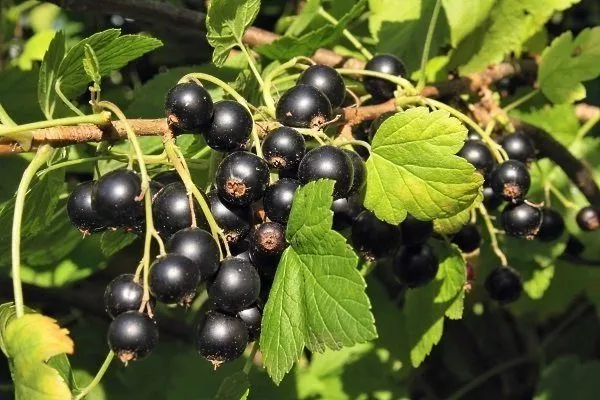
During variety testing, the berries of the Pygmy currant showed an average weight of 2 grams, but in practice they grow to 6 grams, and some up to 8 grams
Peculiarities
Berries can be picked from the bush as early as the first month of summer. The ripening period depends on environmental conditions. The colder the region, the longer it takes for the berries to ripen. In warm climates, the harvest ripens in 20 days; in cold climates, it takes 40 days.
Pygmey is a self-pollinating variety; excellent neighbors include Yadrenaya, Lucia, and Bagheera. It produces berries every year.
History of selection
The species originated at the South Ural Research Institute in the Chelyabinsk region. It is a hybrid of two currant varieties: Seyanets Golubka and Bredtorp. The breeding work was carried out by V.S. Ilyin. 1999 was the year of its inclusion in the Russian State Register.
Description of the black currant variety Pigmey
Pygmy is a mid-season currant. The plant reaches two meters in height. In addition to its impressive height, the currant is also quite large. The branches are broad, and the foliage is moderate. In its first year, the plant has pink shoots without any noticeable pubescence.
The leaves are dark, large, and the green surface is glossy. At the base of the leaflet is a small notch, shaped like a circle or triangle. The lateral blades face outward, and the central vein is at a right angle to the base of the leaflet. Straight teeth are visible on the leaflet.
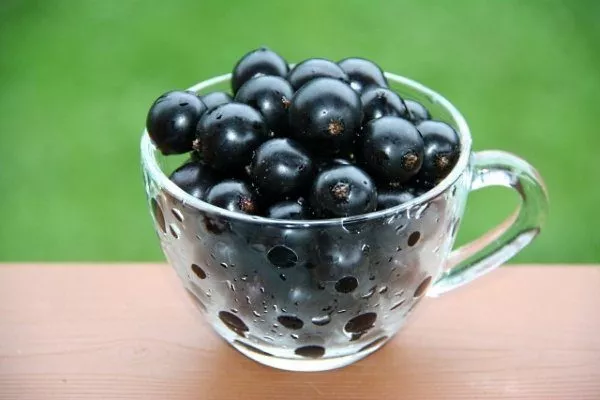
The flowers are small and light-colored. Up to 10 berries can be found on a single cluster. The fruits are firm, weighing between 2.5 and 6 grams each. The surface is glossy, a rich black hue, and the skin is thin. The pulp contains a small number of seeds, and the berries are sweet.
Drought and frost resistance
Experienced gardeners claim this currant variety thrives in any climate zone. The bush easily withstands drought, scorching sun, and excessive rain. These conditions do not harm the harvest. The bushes even survive frosty days. The maximum temperature the bush can withstand is 35 degrees below zero. This characteristic has allowed gardeners to grow the plant in Siberia, the Urals, and the Far East.
Ripening period and yield
This variety is a large one. A single plant can yield approximately 6 kilograms of berries, indicating Pigmey's high yield. During unfavorable years, yields can be halved. When grown commercially, 2.5 kg of berries are produced per square meter. This currant has a mid-season ripening period, and the berries ripen slowly.
Overripe fruit loses important vitamins and minerals, and its flavor becomes less pronounced. Berries should be picked on time.
Gardeners' reviews indicate that Pygmy fruits lack the plant's characteristic sourness. The fruits are tasty, juicy, and sweet. Sugar production occurs with sufficient sun and warmth. Pygmy tasters rate it highly. When fully ripe, the fruits do not fall off the plant.
For a review of the Pygmy blackcurrant, watch the video below:
Transportability
Pigmeya blackcurrants can be stored for about a month. The key is to create the right conditions for this—a temperature of around 14 degrees Celsius. The variety transports well; the berries are firm, and their skins prevent them from bursting during transport. However, care should be taken when transporting the currants. The containers should be secure and completely sealed.
Usage
Pygmy fruits are used to make various preserves. The fruits can also be eaten fresh. Due to their natural sweetness, additional sugar is not required.
Currants are stored at home for about three days; to extend their shelf life, they are frozen, dried, or canned. In this form, they last about six months.
Advantages and disadvantages of the variety
Why do homeowners love Pygmy so much?
Advantages of the variety:
- The appearance and taste of the fruit. The bush produces berries every year, and the currants do not become smaller over time.
- Resistance to the vagaries of nature. Currants tolerate drought, heat, heavy rains, and cold winters without harming their yield.
- Strong immunity. The shrub is resistant to many fungal diseases. Gardeners who grow Pygmy are unaware of anthracnose and powdery mildew.
- Self-pollination. Pollinating varieties will help Pygmy increase its yield, but the plant copes well without them.
- The versatility of berries and their health benefits. Currants are eaten fresh and often preserved. They contain a large number of macronutrients and micronutrients. Almost all vitamins are retained in the berries even after prolonged heat treatment.
- Easy to care for. Knowing simple currant care techniques will be enough. Even a novice gardener can grow Pygmy.
Disadvantages of Pygmy currant:
- Weak immunity to septoria. Regular preventative measures are necessary.
- The bush can be eaten by currant mites.
Growing
Growing Pygmy in the garden isn't difficult; you just need to know the basic rules. Be careful and cautious, as the plant's fruiting depends on your correct handling. Pygmy bushes require regular watering and care.
Selecting a seedling
Before purchasing a seedling, pay attention to the following indicators:
- Age. For planting in open ground, the seedling should be one or two years old.
- Root system: Flexible, free of rot and damaged parts.
- Branching. The denser the plant, the faster it will establish itself and the better it will grow.
- Sapling height: No more than 30 cm.
- Lack of greenery.
- ✓ Check for the presence of at least 3 main roots at least 15 cm long.
- ✓ Check for signs of disease on the bark and leaves.
Buy seedlings for planting from specialized stores; don't trust market vendors. It's easy to substitute the variety.
Prepare a stimulating mixture and soak the blackcurrant seedlings in it for two days. This will help the cuttings take root faster. To prevent pests and diseases, add potassium permanganate to the stimulating solution. Treat the plants with a clay slurry a couple of hours before planting.
Landing time
The optimal time for planting is autumn. The best time is the last days of September or early October. The cuttings have time to take root in the soil before the first frost. It's important to plan for about four weeks before the cold weather sets in. Depending on the climate, currants bloom for 40 days. Planting begins early in the spring, after the weather warms up. The key is to plant before the sap begins to flow.
Soil preparation
Pygmy currants don't require much light. A sunny, warm spot is preferable, but the plant also thrives in shady areas. Choose a location with some wind resistance. Air flow will help the plant fight fungal diseases faster, and the wind will also dry out the soil from melting snow.
The bush can tolerate a lot of moisture, but it shouldn't be planted close to groundwater. The plant won't thrive in such conditions. Heavy loamy, slightly acidic soils are an excellent choice for growing Pygmy. The taste of the berries directly depends on the planting site chosen.
Planting diagram
The main stages of planting:
- Prepare a hole (dimensions: 50 x 50 cm, depth 60 cm). The optimal distance between bushes is 1.2 m.
- Place the bush in the hole and straighten out the root system.
- The seedling should be positioned at an angle in the hole. Hold the Pygmy plant in this position and cover it with soil.
- The lower buds may be under the soil. About four buds should remain above the soil surface.
- Compact the top layer of soil.
- Water the bush.
- If the soil has been fertilized beforehand, then there is no need to add additional minerals.
Care Features
A gardener will only obtain a bountiful and healthy harvest if the currants are properly cared for. This includes regular watering, protection from insects and diseases, proper pruning, and fertilization.
Read our article about How to care for currant bushes in autumn.
Soil cultivation
The soil where currants grow and develop requires special care. Prevent weeds from appearing. Regularly cultivate the soil with a cultivator, hoe, or cultivator. Cultivation helps aerate the soil, enriching it with oxygen. Cultivated soil quickly absorbs air, promoting better root development.
Heavy and clayey soils, which tend to become compacted and weighed down, especially require this procedure. When loosening, the hoe should not be pushed deeper than 4 cm, as the bush's roots are not deep. The maximum depth for the root system is 10 cm. A sharp garden tool blade can cause irreparable damage to the roots.
The plant's root zone requires mulching. Use sawdust, humus, or fine tree bark. These natural materials decompose quickly and enrich the soil.
Watering
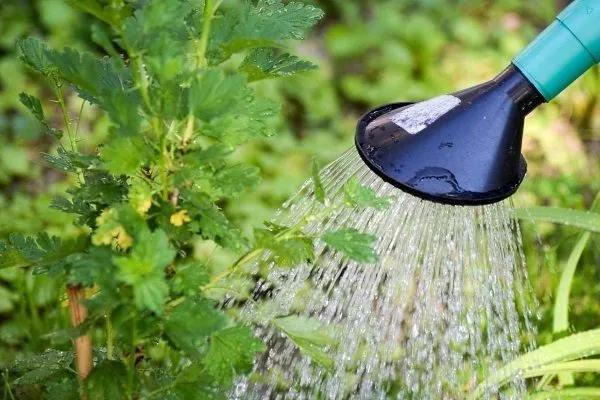
Pygmy is a drought-resistant black currant. However, this doesn't mean the bush doesn't require moisture. Drought causes severe damage during flowering, and a lack of moisture causes most flower stalks to fall off. Black currants require infrequent but abundant watering. In summer, bushes are watered approximately once every 14 days. Severe drought is an exception.
One currant bush needs 3-5 buckets of water (30-50 l).
You can reduce the frequency of watering by mulching; this natural material allows the soil to retain water longer. In the fall, often in October, a strong watering is applied to recharge the soil. This is the time to prepare the shrub for winter. This is done after all necessary fertilizers have been applied.
Top dressing
A tasty and healthy harvest is only achieved with proper and regular fertilization of blackcurrants. Nitrogen-rich fertilizers are especially beneficial for this type of bush. They strengthen branches, buds, and leaves, promoting their rapid development and growth. A healthy plant produces a bountiful harvest of juicy and nutritious berries.
Fertilizers can be organic or mineral. Let's look at several options for applying fertilizer to the Pygmy blackcurrant bush.
Top dressing No. 1
This is done in the fall (late September or early October). First, prepare half a bucket of manure. It must be well-rotted, otherwise the currant's root system will burn. Sprinkle 20 g of superphosphate and 20 g of potassium sulfate on top of the manure. Dig the soil so that all the fertilizer components reach the soil around the plant's trunk.
Top dressing No. 2
The time for application is early spring, when the buds should be breaking, but the procedure is performed before the bush blooms. Mix equal parts chicken manure and water in a bucket. Carefully combine the contents and leave in a sunny spot until the mixture ferments. After a week, the fertilizer is ready to use.
The required consistency is: 0.5 liters of concentrate per 5 liters of water. Stir the mixture and pour it under the currant bush. Be sure to adhere to the specified dosage. Overdosing with chicken manure causes nitrogen burn, which will kill the Pygmy's root system.
Top dressing No. 3
Use ammonium nitrate. This fertilizer is beneficial for young bushes; plants need it after flowering, and more mature bushes need it during fruit set.
Spread ammonium nitrate around the Pigmey tree to a 20-cm layer. This amount of fertilizer is enough for one currant bush. After applying the fertilizer, loosen the soil to help the soil absorb the nitrate faster.
Top dressing No. 4
Don't forget about mineral fertilizers; they are applied annually to bushes growing in heavy soils. Light and fertile soils require mineral fertilizers once every three years. This should be done in the fall.
- In spring, before the sap begins to flow, apply nitrogen fertilizer at a rate of 30 g per bush.
- After flowering, feed the bush with potassium-phosphorus fertilizers to improve the quality of the berries.
- In the fall, after harvesting, apply organic fertilizer to prepare for winter.
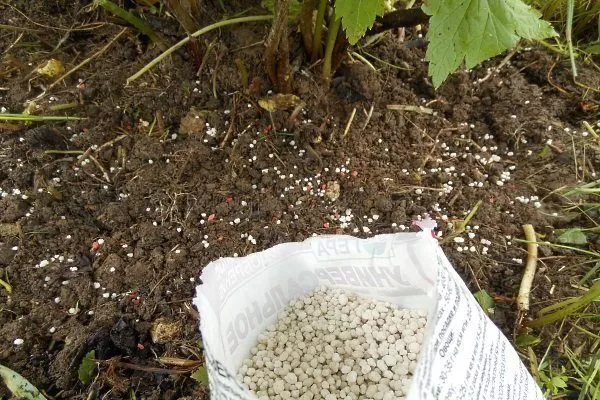
The mixture consists of 30 g of potassium and 40 g of phosphorus. Mix the ingredients carefully and sprinkle them under the bush. Mix it into the soil during autumn digging.
If the currants are over 4 years old, the amount of components should be doubled. Pay particular attention to the acidity; if it exceeds the norm, add 500 g of lime per square meter.
Trimming
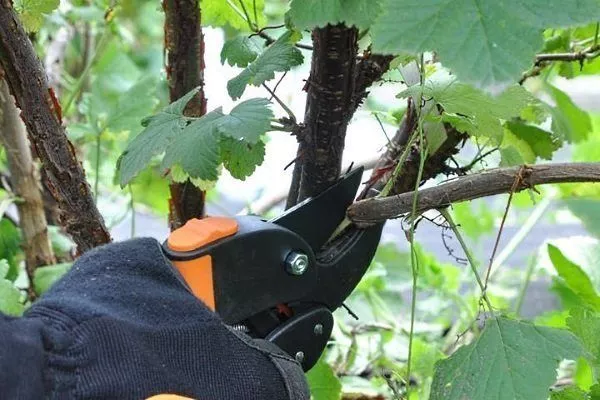
Pruning helps reduce the amount of foliage on the bush. Crowding leads to a reduction in berry production. Pruning is performed once a year in the spring before buds swell. It is necessary to trim off all dead, thick, and winter-damaged branches that clearly cause the bush to become overcrowded. If pruning is not performed, the plant will begin to bear berries on last year's side branches. This will lead to a significant loss of the currant crop.
How to prune depending on the year of the plant's life:
- First year. Trim all branches on the seedling, leaving 3 buds; they will serve as the basis for the growth of first-order branches.
- Second year. On the grown bush, leave 4 strong branches; they will serve as the basis for second-order branches.
- Third year. Leave 3 strong one-year shoots and 5 two-year shoots.
- Fourth year. The green mass of the plant should remain with 4 branches from each year.
- Subsequent years. Prune so that about 20 branches of varying ages remain on the bush. This technique will prevent the currant bush from becoming overgrown.
The Pygmy blackcurrant berry contains only 60 kcal per 100 g, so it can be consumed by anyone who eats properly.
Basic rules for pruning shrubs:
- Remove old damaged branches, they should be more than 5 years old.
- Prune weak and diseased branches. This procedure is called sanitary pruning.
- Remove all shoots whose growth points are directed towards the center of the bush.
- Remove lower branches that cannot support their own weight and are located on the ground.
Preparing for winter
The Pygmy blackcurrant bush is frost-hardy, but in some regions it should be protected from severe and cold winters. To achieve this, gardeners construct temporary barriers. Shields, wattle fences, and fences are excellent for protection. The plant's trunk circle is insulated with a layer of mulch, which provides excellent protection for the soil and the Pygmy's root system.
If desired, you can wrap the currants with agrofibre. This material will help protect the above-ground portion of the plant. The insulation prevents cold winds from reaching the plant, while still allowing air to pass through, which is essential for normal growth.
Harvesting
The bushes of this variety bloom for about 40 days. The berries begin to ripen in midsummer. The harvest period lasts approximately 1.5 months. In some regions, it can be as short as 1 month, depending on the climate in which the plant grows.
One bush can yield approximately 4-5 kg of fruit. The Pigmey blackcurrant variety is self-pollinating and produces a consistent harvest. A maximum yield from one bush is 5 kg. The berries are nutritious both fresh and consumed. They are used to make jam, preserves, and compotes. Currants retain their minerals and vitamins when frozen or dried. Fresh fruits can be stored in the refrigerator for up to one month.
Protection from diseases and pests
The main signs of disease in a plant are yellow spots, dark leaf blades with bumps, rotted branches and berries, a white coating, and an unpleasant odor. If you notice even one of these signs on your Pygmy, treat the bush with special fungicides. Insects can be removed manually or by chemical treatment.
Preventive measures against diseases and pests of black currant Pygmy:
- Thinning bushes, regular pruning of branches.
- Mulching the tree trunk soil and removing weeds.
- Garbage collection.
- Processing shrubs with folk remedies.
Gardeners' reviews of the Pygmy currant
The Pygmy blackcurrant is an excellent choice for growing as a shrub in the garden. With proper planting, it will provide joy for about 10 years, and with proper care, this lifespan can be doubled.