
The Binar blackcurrant variety has won the hearts of gardeners thanks to its numerous advantages. It is characterized by ease of cultivation, increased frost hardiness, and resistance to various diseases. Its berries are not only exquisite in flavor and rich in nutrients, but also have a long shelf life after harvest.
History of the variety's appearance
Binar is a mid-season variety bred at the Pavlovsk Experimental Station of the Vavilov All-Russian Research Institute of Plant Industry. It was created by crossing the Naryadnaya and Ojebyn varieties. The developers included E. V. Volodina, S. P. Khotsimskaya, O. A. Tikhonova, and T. V. Arsenyeva.
Since 1991, the variety has been registered in the State Register of Varieties, which are approved for cultivation in the Northern, Northwestern and Far Eastern regions.
The variety got its name from the distinctive flavor of its berries, which can be described as binary—both sweet and sour. But it's not just the flavor that makes it distinctive; it's also the unusual size of the fruit and its distinctive cluster shape.
External features of the plant and fruits
The bushes are vigorous, have a medium number of leaves, and rarely curl. Mature branches are brown and slightly hairy; they are thickened, straight or slightly curved, gradually tapering toward the top.
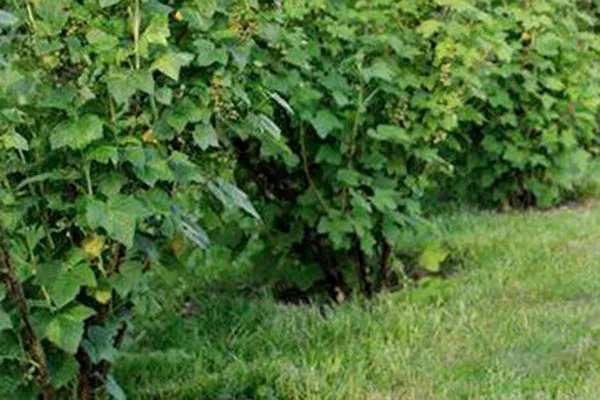
Young shoots are green or have an unevenly distributed pinkish-crimson tint, of medium thickness and pubescence.
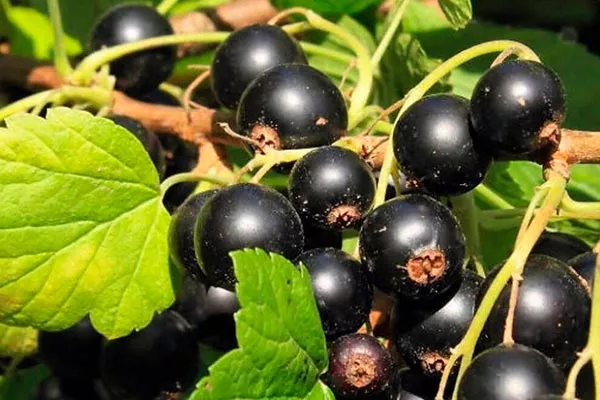
Other varietal characteristics:
- The leaves are medium-sized, five-lobed, with a matte, wrinkled, compacted surface, rich green in color.
- In May, the bushes are adorned with large, goblet-shaped flowers of a whitish-pink hue with an uneven anthocyanin coloration.
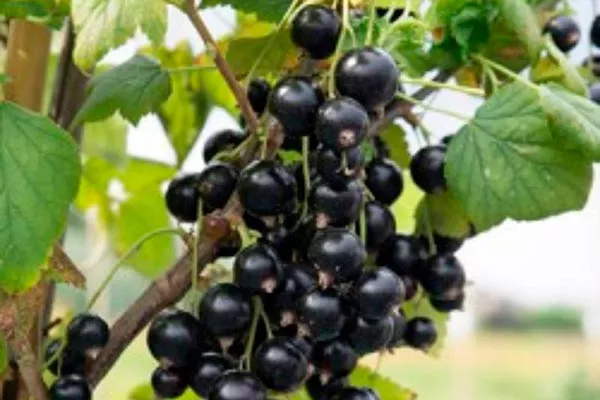
- The fruit clusters are short and medium-sized, long at the bottom, measuring 5-7 cm. Each cluster produces about 5-7 berries.
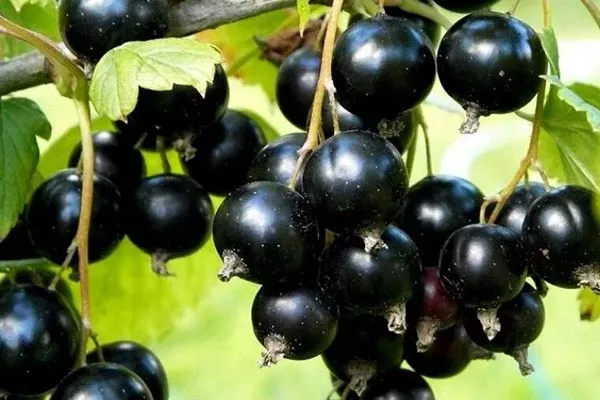
- The fruits of this variety are large. The average weight of a single berry can reach 1.2-1.7 g.
- The shape is round, even, often with a swelling at the stalk.
- The skin of the berries is shiny and strong.
- The flavor is bright, sweet and sour, with the acidity predominating. The berry aroma is strong.
- The ripe fruits are picked dry.
- The pulp is juicy with a large number of large seeds.
- Tasting score: 4.4 points.
- The fruits contain a large number of useful substances and microelements necessary for human health.
- ✓ Resistant to temperatures down to -35 degrees without additional cover.
- ✓ High content of vitamin C in unripe berries compared to ripe ones.
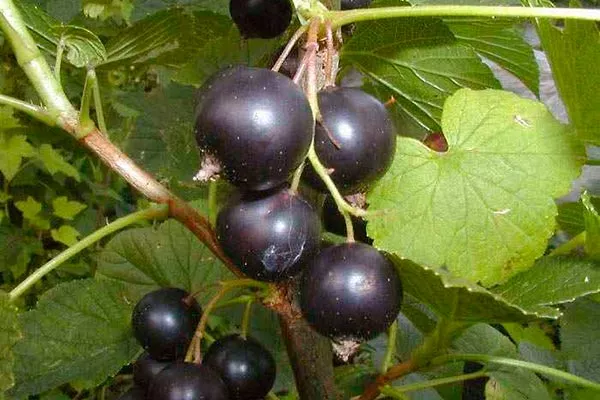
Culinary uses
Binar currants will delight you not only with their taste but also with their diverse beneficial properties. They contain large amounts of vitamins C, A, B, and PP, as well as important micronutrients, including iron, potassium, and calcium.
These berries contain:
- ascorbic acid (143 mg/100 g);
- sugar (3.3%);
- pectin (1%);
- P-substance (375 mg/100 g);
- acids (3.3%);
- dry matter (19.8%).
Binar currant can be used in cooking to create a variety of dishes:
- It is easy to make jam, compotes, juices and fruit drinks from it.
- Berries are great in baking recipes, including pies, cupcakes, and muffins.
- Currants are ideal for making sauces and marinades for meat dishes.
- The fruits perfectly complement other berries and fruits in salads and sweet desserts.
Characteristics
This currant variety is versatile and easily thrives in a variety of climates. Its particular suitability for gardening in the Far East, North, and Northwest regions is particularly noteworthy.
Other characteristic properties:
- Flowering and pollination. After the leaves emerge, large pink buds with uneven coloring, reminiscent of goblets, form on the shoots. The flower petals are curved inward, toward the pistil, which protrudes above the anthers.
When the flowers reach maturity, the petals open from the inside, tilted toward the pistil. Insects, attracted by the scent of the inflorescences, transfer pollen upon touching them, ensuring pollination. - Time of berry ripening. During the summer, the first berries begin to appear on the bushes, and the main harvest can be expected in August – this variety is characterized by an average ripening period.
- Fruitfulness. The Binar currant is famous for its early fruiting – you can expect the first harvest of berries as early as the second year after planting.
- Protection from cold and heat. The key advantage of the Binar currant is its increased ability to withstand winter frosts. This variety can tolerate lower temperatures than many other varieties (down to -35 degrees Celsius), and it has good drought tolerance.
- Diseases, insects. A distinctive feature of the Binar currant is its incredible resistance to pests and diseases. This variety is resistant to mycelial fungi, such as powdery mildew, and infections caused by various viruses.
This means that Binar does not require chemical processing, making it even more attractive to those who strive for healthy eating. - Productivity. With proper care, a single bush can yield 2 to 4 kg of berries. This variety is distinguished by its ability to withstand transportation and has excellent consumer qualities.
The nuances of growing black currant Binar
Growing this variety in your dacha or garden requires no special knowledge. The planting method is virtually identical to that for other varieties. However, there are some important nuances to consider.
- ✓ The optimal soil pH for Binar currants should be between 6.0 and 6.5. For more acidic soils, add lime or wood ash.
- ✓ The distance between bushes when planting should be at least 1.5 meters to ensure sufficient ventilation and lighting.
Place and timing of planting currants
Binar can be planted in spring or autumn. For gardens located in areas with extreme climate fluctuations, spring is recommended so the bush has time to take root well before the cold weather sets in.
It's best to plant currants when the ground has completely thawed, but before buds begin to appear on the bush. The air temperature should be between 1 and 6 degrees Celsius. The adaptation period usually takes about three weeks.
Key requirements:
- Blackcurrants prefer sunny locations. If grown in the shade, the yield will be lower and the berries will be more sour.
- Bushes can be planted on the south or southwest side of a fence or building.
- Choose loose, nutrient-rich soil, preferably loamy. In clay soil, the bushes grow slowly and produce insufficient fruit. Currants do not tolerate acidic soil, so it should be amended before planting.
- Currants require moist soil, but waterlogging or constant moisture can lead to root rot. To improve drainage, add coarse river sand when planting.
Seedling preparation and work procedure
To begin growing black currants in your garden, a gardener should follow these steps:
- Dig a hole approximately one and a half shovel deep and 30 to 50 cm in diameter, which corresponds to the size of the root system of the selected bush.
- Then add compost to the hole. Using pure manure is not recommended, as it can burn the roots.
- Fill the hole with water, volume 10-20 liters.
- Leave the planting area alone for a week to allow the substrate to soak.
- Before replanting the bush, prepare it as follows:
- Add clay and cow dung to a container with water, then immerse the plant roots;
- Carefully wrap the root system in plastic or other thick fabric to protect it from damage and place it in a dark place with a temperature no higher than +1 degree Celsius to slow down the processes occurring in the plant;
- store until planting time.
- Place a layer of fertile soil at the base of the hole, for which thoroughly mix the soil with compost (approximately 8-10 kg), ash dust (200-300 g) and superphosphate (180-200 g).
- Position the seedling at a 45-degree angle, burying the root collar at least 10 cm deep. This method stimulates the development of additional root shoots and the emergence of new shoots, which quickly grow into a vigorous bush.
- Carefully fill the hole with previously prepared nutrient soil and compact it thoroughly.
- Moisten generously with about 10 liters of water.
- To protect the soil from overheating and to retain moisture, cover with a layer of hay, straw or sawdust 8-10 cm thick.
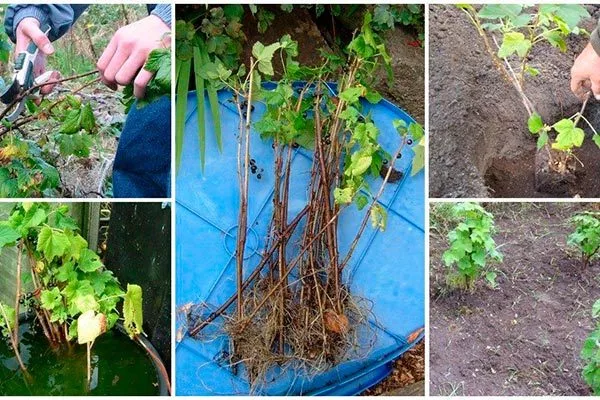
It's especially important to note that blackcurrants planted in such favorable conditions will quickly establish themselves, strengthen over the winter, and immediately begin to actively grow and bear fruit in the spring.
Further care
Care procedures for the Binar variety are also standard. However, there are a few things to consider.
Watering and fertilization regime
Although currants are drought-resistant, regular care and watering will ensure a bountiful harvest. It's recommended to water the plants once a week using a hose with a moderate stream of water, placing it in a longitudinal trench between the rows to avoid disturbing the soil structure.
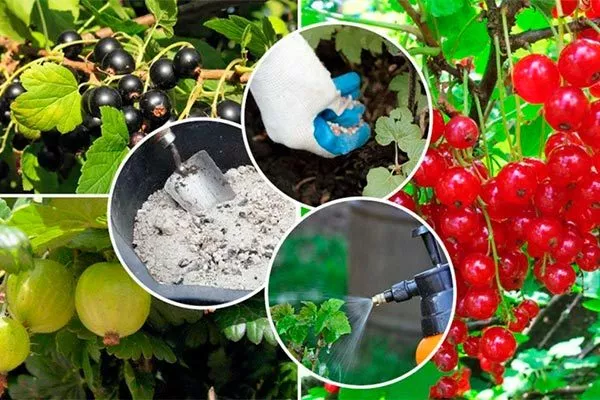
Optimizing currant productivity is possible with proper nutrition:
- In autumn, phosphorus-potassium compounds should be added to the bushes, while in spring, nitrogen mixtures should be added.
- Solutions of organic fertilizers from cow, horse, goat or rabbit manure, as well as from bird droppings, can be applied at any time of the year.
Loosening and mulching the soil
During the summer, it's important to prevent weeds from taking over your currant patch. Regularly loosen the soil around the bushes to ensure adequate air circulation and prevent a hard crust from forming on the surface.
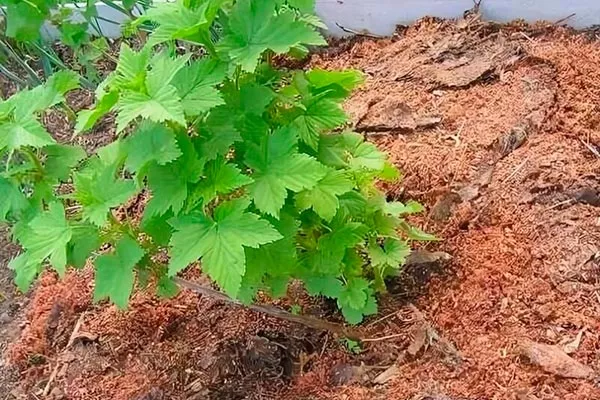
Using dry grass, peat, or straw for mulch will significantly reduce the need for frequent watering and loosening. This method will save the gardener time and effort.
Pruning: formative, sanitary, rejuvenating
Bush pruning is carried out in early spring and after the end of the growing season. A preliminary pruning plan covers a six-year period.
- Immediately after planting the bush, remove some of the shoots, leaving 2-3 buds on each.
- In the second year, select 3 to 5 main branches, shortening them to two buds, while removing the rest completely.
- In the third year, cut off the tops of last year's branches, leaving 2 to 4 buds.
- In the fourth year, repeat the procedure of the third year.
- In the fifth year, shorten the old branches to 2-4 buds, removing the tops of last year's shoots, and leave 3-5 young shoots, shortening them to two buds.
- In the sixth year, the same procedure is carried out as in the fifth.
As a result, within six years the skeleton of a bush with 15-20 main branches is formed.
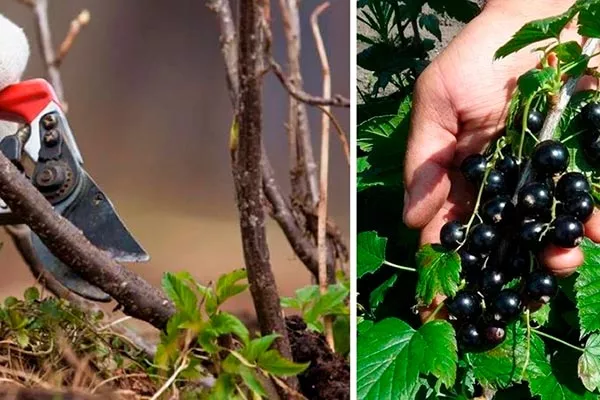
It's important to remember to perform annual spring pruning before the growing season begins. This allows you to remove damaged, frozen, diseased shoots, and those that are over six years old. Each cut should be treated with garden pitch.
Watering and hardening of bushes, wintering
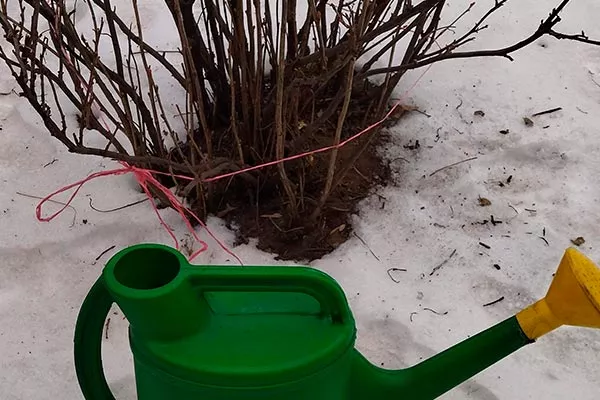
A method for strengthening the plant's immune system involves pouring boiling water over the root system. This is recommended in early spring, before the buds begin to open. Specifics of the technique:
- Pouring hot water from a watering can onto the roots, heated to 70-80 degrees, triggers a protective mechanism in plants.
- This is considered a method of strengthening their resistance to adverse conditions. Experience confirms the effectiveness of this method before bud break.
- Pouring additionally kills mites, and a full soaking with hot water protects the plant from fungal infections, terry and powdery mildew.
To protect currants from adverse conditions, special breathable materials are used. Polyethylene is not suitable for this purpose, as it can promote mold and rot growth on the plants.
Traditional methods are used to protect individual bushes from frost. These include wrapping the currants in cloth or burlap to retain heat.
Diseases, pests and prevention
Binary is known for its good resistance to problems such as powdery mildew, spider mites, and anthracnose, but it is susceptible to fungal infections including septoria and rust:
- Symptoms. With septoria, the leaves turn light yellow with brown spots, and with rust, the leaves become covered with orange growths.
- Prevention. For this, 1% Bordeaux mixture is used, with which the bushes are treated three times at intervals of two weeks, with about 1.5 liters of the product being sufficient for each bush.
- Struggle. To treat septoria and anthracnose, use Fitosporin-M. Mix 5 g of the product with 10 liters of water and spray the bushes at a rate of 1 liter of solution per 10 square meters of garden space. Three treatments, spaced two to three weeks apart, are required for a complete cure; for mild cases, two sprays are sufficient.
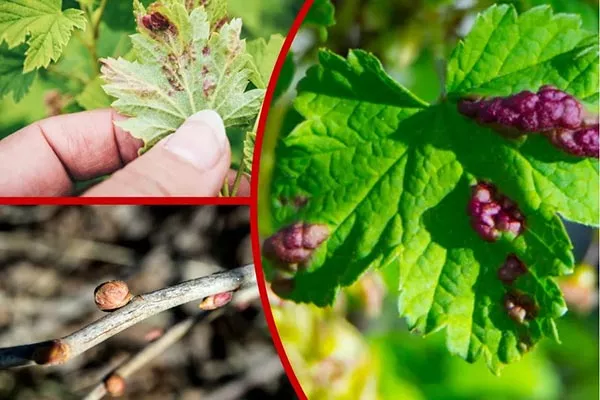
The following pests can attack the black currant variety Binar:
- aphid, which attaches itself to the inner surface of the leaves and feeds on their juice;
- spider mite, noticeable due to the web-like coating on the leaves;
- glass case – insects with black and yellowish stripes, resembling wasps, that lay eggs on branches.
To combat these pests, you can use insecticides such as Actellic. To prepare a solution, you need 1 ml per liter of water.
Spider mites and aphids can be controlled using:
- Intavir, for which you need to prepare a solution of one tablet per 10 liters of water and spray the plants before budding and after harvesting.
- Fitoverm, for which a solution of 2 ml per 1 ml of water is prepared and the bushes are treated twice with a two-week interval, while each bush will require 1-1.5 liters of solution.
Harvesting and storage
Harvesting occurs as the berries reach maturity. In most cases, this process takes one day, as the fruits ripen almost simultaneously. It is important to adhere to the harvesting time, as ripe berries are vulnerable to shattering, and when overripe, they lose their firmness and aroma.
The right approach to harvesting:
- It's recommended to do this early in the morning, when there's still dew on the ground, or late in the evening, when the sun's heat is less intense. In rainy or cloudy weather, picking time doesn't matter. However, berries picked on a sunny, hot day or during rain spoil more quickly.
- Gloves must be used for collection.
- Baskets or wooden boxes are ideal for transporting and storing berries, while the use of bags is strictly undesirable.
- Sorting of berries should take place at the place of collection, since ripe fruits do not tolerate being poured.
- Damaged berries only stay fresh for one day, so care must be taken when picking them from the bush.
- If the harvest needs to be transported over a significant distance, it is recommended to pick the berries before they are fully ripe, leaving the stems attached. Immediately after picking, they should be stored in a cool, shaded area.
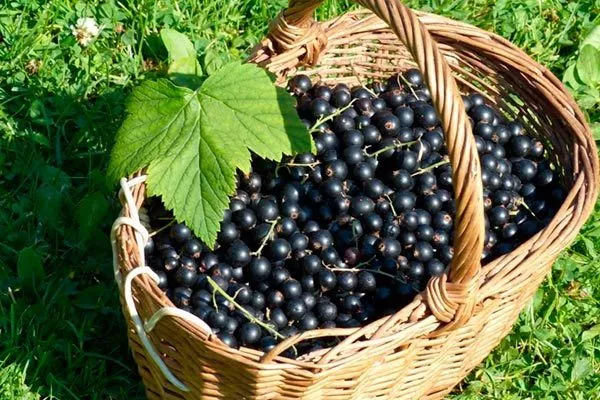
To maximize the preservation of berries' beneficial nutrients, it is recommended to consume or process them as quickly as possible. Storage precautions:
- In natural conditions with temperatures from 10 to 12 degrees, fresh currants can retain their quality for up to two weeks, but only if stored in a shaded and well-ventilated place.
- In the refrigerator, currants retain their qualities longer - at a temperature of 0 degrees, their shelf life increases to one month, and at lower temperatures - up to three months.
- If the berries are completely frozen, they can be stored for several years.
Methods of reproduction
This variety is propagated by several methods:
- By layering. In early spring, identify the strongest young shoots. Gently press them down to the soil surface and place them in specially dug furrows. Secure the shoots with metal staples and cover with a layer of soil.
During the summer months, the cuttings require regular watering, and in the fall they are separated from the parent plant and transplanted to a new location. - Using cuttings. During the warmer months, new plants are formed from basal shoots of annual bushes. The optimal size for cuttings is 10 mm in diameter and 20 cm in length. Place the cuttings in boxes filled with damp sand. By autumn, they will have rooted, after which they are ready for transplanting to their permanent location.
- By dividing the bush. When it's time to replant currants, their rhizomes can be divided into several sections to obtain new planting material. The root sections are treated with wood ash. Several healthy roots are left on each new section.
Pros and cons
Advantages of the black currant variety Binar:
Disadvantages of the Binar blackcurrant: a sour taste and a tendency to quickly fall off after ripening if the berries are not picked on time.
Reviews
The Binar currant is an ideal choice for gardening in your dacha or urban garden. This variety is renowned for its productivity, resistance to pathogens, and ability to tolerate low temperatures. By following basic recommendations, you can enjoy a bountiful harvest of delicious berries as early as the second year after planting.