
A new blackcurrant variety called Big Ben was developed in Scotland and is distinguished by its particularly sweet and plump berries. However, it lacks exceptional frost resistance (it is slightly above average), requiring special care and protective cover when growing even in central parts of the country.
History of selection
The process of creating this variety began at the Scottish Research Centre, where a complex hybridization of four unique blackcurrant species was carried out in 2008. The variety debuted on the market in 2013, making it one of the most modern representatives of blackcurrant in the world.
In the UK, Big Ben is particularly popular and has official suppliers, with the average price for a seedling ranging from 8 to 12 pounds sterling. It is currently unavailable to purchase berries of this variety in the CIS markets, as seedling supplies are limited to private gardeners.
Description of currant varieties
Big Ben currant is a perennial plant from the Gooseberry family, characterized by its upright shoots. This variety's description includes key characteristics: the bush's appearance, its size, and the color and shape of the berries, allowing for a better understanding of the crop's characteristics.
| Name | Frost resistance | Sugar content | Ripening period |
|---|---|---|---|
| Big Ben | Average | High | August |
| Ben Tiran | High | Average | July |
| Ben Connan | High | Average | July |
| Ebony | Low | Low | September |
| Selechenskaya-2 | High | High | August |
Bush
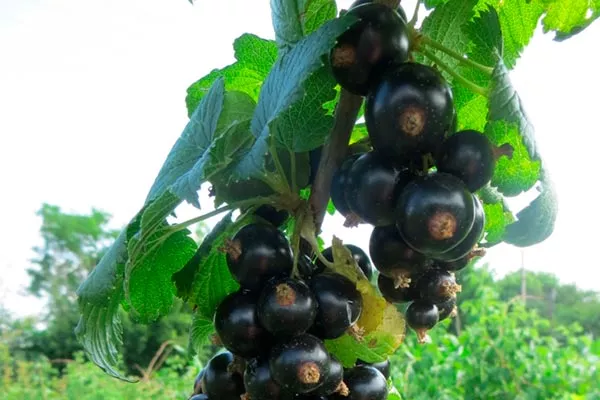
Big Ben forms bushes with vertical shoots reaching heights of up to 150 cm. But it also has other varietal characteristics:
- The leaves are characterized by wide lobes, a smooth texture on the outside, and a tendency to curl downward at the edges.
- Branches can also bend as they grow, resulting in a somewhat spreading crown that requires more space than other varieties. However, this makes berry picking easier.
- The shoots are strong and elastic, do not break even under the influence of the wind and are capable of supporting a significant harvest.
- The bushes grow at an incredible rate. Within two years, they reach the desired height, and by the third year, they begin to bear fruit.
- Productivity remains stable for 10-12 years.
- The flowering inflorescences are up to 10 mm in diameter, pink or purple in color, and form drooping racemes, 1-2 at each node. Flowering begins in May and June, and the harvest begins by midsummer.
- The brushes, reaching up to 8 cm in length, grow at a height of 10 to 15 cm above the soil surface.
Among the foreign varieties, Ben Tiran and Ben Connan, originating in Scotland, are noteworthy, as is Ebony, of English origin. Among the domestic varieties, Selechenskaya-2, developed at the Lupine Research Institute, ranks alongside Big Ben.
Fruit
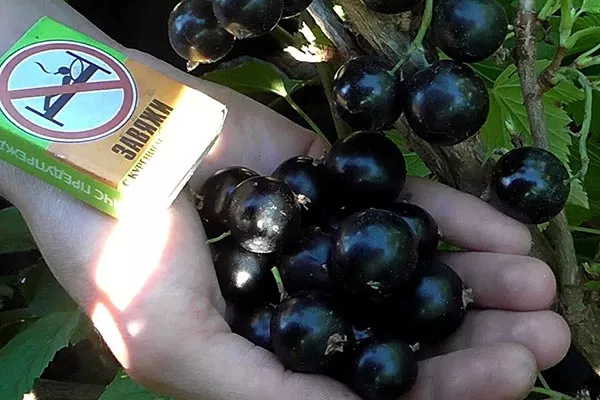
The berries are impressive in size – they weigh between 2-3 g, although sometimes there are specimens weighing up to 7 g if the growing conditions are properly met.
The berry coating is firm yet light, ensuring a pleasant bite. The peel is dry, allowing the berries to remain intact and not crumble.
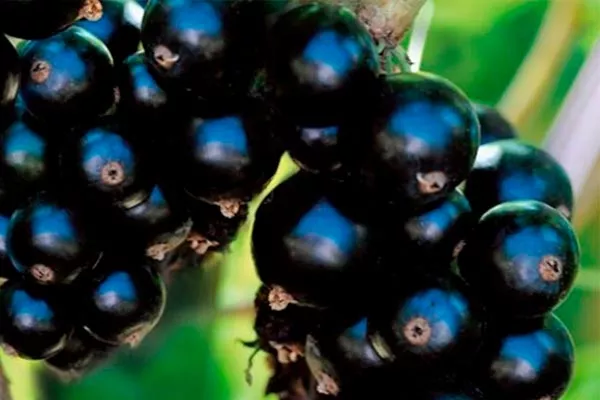
- ✓ Big Ben berries contain up to 13% sugar, which is one of the highest levels among black currants.
- ✓ Bushes begin to bear fruit in the third year, reaching maximum productivity by the fifth year.
Characteristic features of the variety
One of the key characteristics of the Big Ben currant variety for gardeners is its fruiting, aromatic berries, and ability to tolerate mild frosts. This variety, with Scottish roots, prefers a temperate climate, making it ideal for cultivation in central and central Russia.
Taste qualities
Big Ben is distinguished by its berries with dry skins, but they do not store well due to their high sugar content, which is 13 points on the Brix scale.
The sweetness in the pulp significantly prevails over the sourness, but overall the taste is characterized as dessert-like.
Application
Products made with this variety are versatile: the berries retain their flavor well when frozen and are suitable for canning. However, they taste best when freshly picked, as evidenced by the impeccable rating from tasters—4.9 out of 5.
Ripening time and fruiting
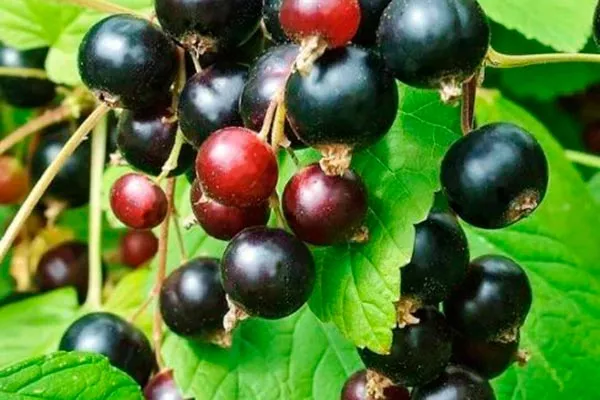
The bush blooms in May and June, and harvesting traditionally occurs in August. In western Russia, the first fruits appear after June 20-25, while in central Russia, they are ready for harvest between the 25th and 30th of the same month.
Productivity
A young bush can produce up to 5 kg of fruit, while a mature bush can yield up to 12 kg. To achieve these results, blackcurrants need to be grown in a mild climate, such as in the south or in the Black Earth Region, and provided with careful care, including regular watering and fertilization.
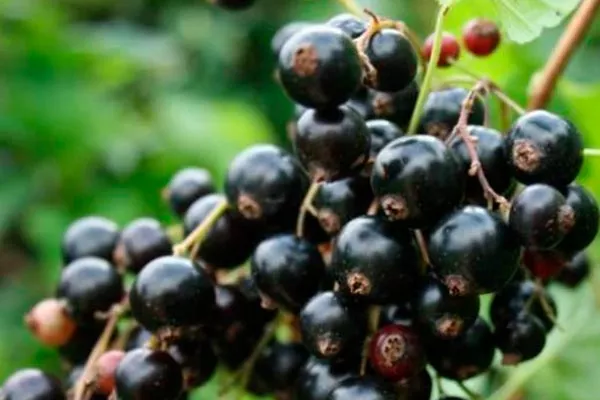
For successful productivity and development of the Big Ben bush variety, it is necessary to select a suitable location - loose and fertile soils are preferable.
- ✓ To protect against frost, it is necessary to use agrofibre with a density of at least 50 g/m², especially in the central and northern regions.
- ✓ The optimal soil pH for Big Ben is 6.0-6.5; if it deviates, adjustments are required using dolomite flour or sulfur.
Winter hardiness
Scotland and the United Kingdom, where the eponymous Big Ben clock is located, fall into hardiness zones 7-9, so this blackcurrant variety can withstand temperatures from -6°C to -17°C. In much of Russia, where the climate is harsher, special care may be needed for outdoor cultivation.
Regarding drought tolerance, this bush has a well-developed root system and can tolerate drought with some success. However, this doesn't eliminate the need for regular watering. After all, berries are up to 85% water, and without sufficient moisture, they may not reach their optimal size.
Pollinators of Big Ben currant
Big Ben is self-pollinating and produces a bountiful harvest when grown alone. To extend the fruiting period and, consequently, increase yield, the variety's creator suggests pairing it with Ben Tirran currant bushes. However, finding this variety can be difficult, as seedlings are available for purchase in the UK and several neighboring countries.
Landing features
Big Ben is an excellent choice for gardens in temperate climates. This currant variety is perfectly adapted to winter cold and spring warmth. It easily tolerates adverse conditions, making it suitable for planting anywhere in the garden. The key is to provide the currant with the conditions it needs to thrive.
Deadlines
Gardeners can plant currants at any time of year. For best results, choose periods with moist soil and no frost, such as March or early October. Planting later, such as mid-spring or fall, requires careful care and regular watering.
Avoid planting currant bushes in damp areas or frozen ground. Big Ben seedlings are available for sale from November to March, allowing you to plan planting for spring. Fruit bush roots thrive in moderate temperatures, so the ideal time is when the air temperature stabilizes at 5 to 10°C.
Choosing a suitable location
Big Ben prefers loose, nutrient-rich, well-drained soil with a neutral to slightly acidic pH. A well-drained location is ideal.
The plant can adapt to denser soil. It must be provided with constant access to sunlight to ensure a productive harvest and provide energy for the growth and development of the fruit.
Selection and preparation of seedlings
A healthy seedling should have the following qualities:
- a well-developed root system, including several large roots and many small fibrous shoots;
- be equipped with several erect shoots of a light gray shade;
- with live kidneys;
- with healthy and undamaged bark.
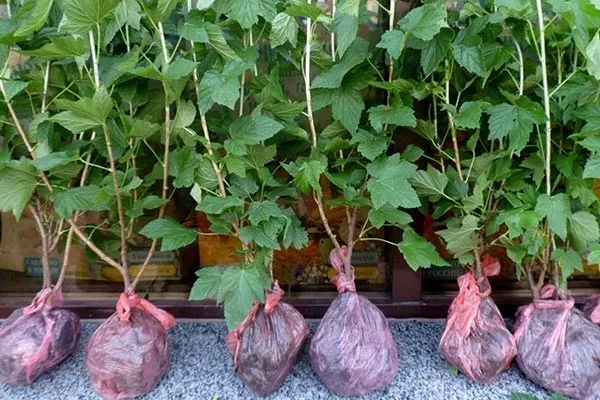
A seedling from the nursery will arrive in a pot and won't require any special treatment—you can simply transplant it to its permanent location without disturbing the soil. Sometimes plants are shipped loose, in a plastic bag. This shipping method is cheaper but less convenient, as the plant risks damage during transit.
Landing algorithm
Research shows that using peat or other organic fertilizers can be detrimental to young plants, contrary to popular belief. However, some experts argue that organic mixtures are more in keeping with the natural characteristics of currants than synthetic inorganic ones.
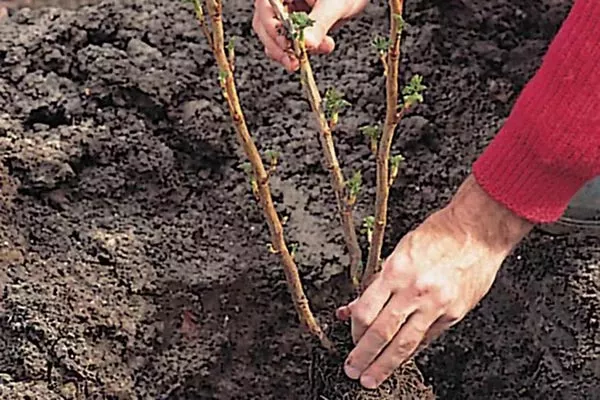
Step-by-step process of planting currants:
- Prepare the planting site, remove all weeds and debris.
- Dig a hole 5-8 cm in diameter larger than the root system of the seedling.
- Fill the hole with water from a bucket.
- Place the seedling in the center of the hole.
- Fill the soil so that the planting level is a few millimeters lower than in the container to stimulate the bush to form new stems from the growth buds that will be underground.
This contributes to increased productivity and increases the bush’s resistance to adverse weather conditions and strong winds.
What and how can be planted nearby?
The distance between the bush and the nearest tree should be approximately 10 meters, so that the tall plant does not block the bush's sunlight. However, it is recommended to grow blackcurrants separately, as they can reduce the yield of many fruit trees.
Neighborhood Basics for Big Ben:
- Currants are a great complement to gooseberries, as they have similar growing conditions.
- Raspberries are not a suitable neighbor because their root system penetrates deeper and spreads more widely, which prevents currants from receiving the necessary nutrients.
- Phytoncides found in some spices can repel insects. For example, onion or garlic bulbs planted between rows can help repel spider mites. Phytoncides found in marigolds repel wireworms and some sap-sucking insects.
- Currants combine well with calendula, yarrow, nasturtiums, chamomile and other flowers or herbs that can be grown alongside them.
Care
The Big Ben variety doesn't require much care, but it does require a suitable planting site. Basic care guidelines for this variety include:
- Watering should be regular, depending on how dry the soil is. If the bush is growing in an open area, watering it once a week is sufficient, while if it's in partial shade, watering twice a week is necessary. Specific features:
- At the beginning of the growing season, watering is done every week, and then as needed, using up to 30 liters of liquid per adult bush.
- It's important to maintain a balance between too little and too much moisture to ensure large, flavorful fruits. This variety is quite drought-resistant, but if moisture is insufficient, the fruits may be small and less appetizing.
- Regular fertilization is necessary to maintain health:
- in spring, before the sap starts to flow, add substances containing nitrogen;
- In summer, during budding and fruit ripening, the bush needs minerals and other nutrients - phosphorus and potassium preparations are suitable, which should be applied two weeks before bud break and during flowering;
- In the fall, before wintering, currants need potassium with added phosphorus; the ideal time for this is the first half of October after harvesting.
- Loosening and weeding procedures are mandatory as needed.
- Bush training is key to increasing the yield of the Big Ben variety. Avoid overcrowding, as this can lead to reduced yield and increased acidity in the berries.
When forming a bush, you should leave 7-10 young shoots and remove those that have already yielded fruit. - Mulching the bush with organic materials such as straw will help protect the root system from overheating and prevent the soil from drying out, which will reduce water consumption.
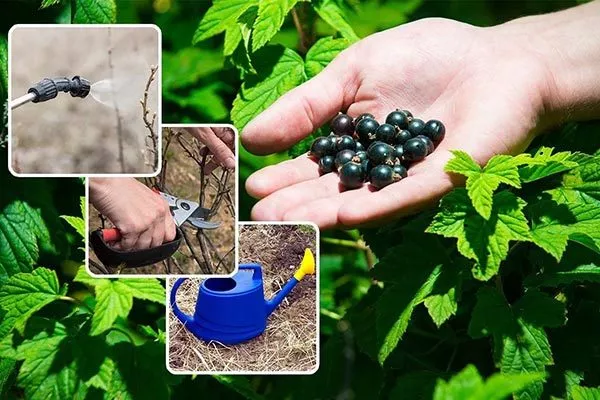
Due to the heavy weight of ripe berries, it is recommended to tie up the bushes. A simple trellis at a low height can be used for this purpose.
Preparing for winter
In the fall, the garden is cleared of dried leaves and weeds. After this, a pre-winter fertilizer is applied. This can include 10-12 kg of compost, which should be evenly distributed around the trunk area, reaching down to the root system. The entire area is then watered and the soil is leveled. Fertilizer can also be added while tilling the soil.
Inorganic fertilizer for autumn feeding can consist of:
- potassium sulfate – 35-45 g;
- Superphosphate – 80-100 g.
Other events:
- To protect against diseases before winter dormancy, bushes are treated with Bordeaux mixture. If spraying is done before leaf fall, the concentration of the mixture should be 1%; if after leaf fall, the concentration should be 3%.
- To ensure a supply of moisture for the bushes, autumn watering is necessary, with the norm being 50-55 liters of water per bush.
- Big Ben isn't considered a winter-hardy variety—its fruit buds can freeze at temperatures below -17°C. Therefore, in regions with harsher winters, it's recommended to bend the bushes to the ground and cover them with a layer of mulch after the first frost.
Methods of reproduction
This variety is most often propagated by cuttings, but if space allows, layering can also be used.
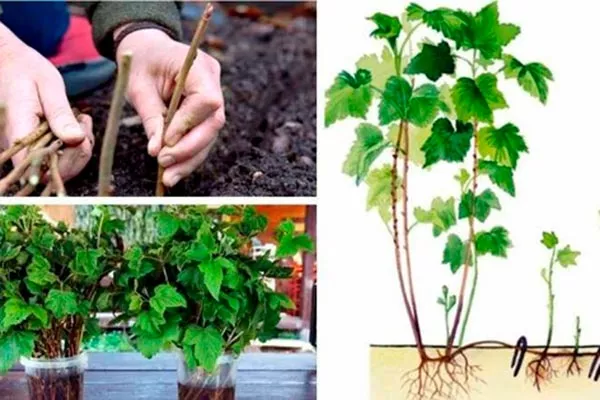
The reproduction process looks like this:
- Select one of the strong shoots of the current year.
- Trim it at the root using a sterile tool.
- Cut the shoot into individual pieces 30 cm long, making each cut just above the buds at a 45 degree angle.
- Prepare a container with a soil mixture consisting of sand and compost.
- Place the prepared cuttings in the soil, spacing them approximately 20 cm apart. Pack them firmly around the soil and water.
- Place the container in a location with adequate sunlight and continue to mist the soil when it becomes dry.
In the spring, the rooted cuttings will be ready for transplanting to a permanent location. Propagation by layering is carried out in the standard manner for this crop.
Diseases and pests
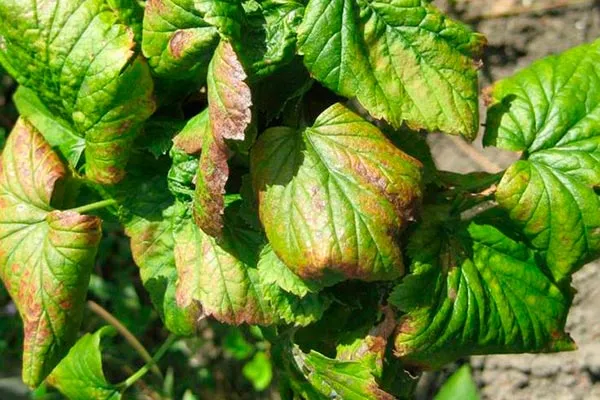
Typically, healthy and vigorous Big Ben bushes can resist diseases and pests, maintaining a high fruit production rate. However, gardeners should take preventative measures to prevent widespread pest and disease infestations in their gardens:
- Birds are the garden's main enemy. Numerous devices have been developed to repel them, but they only provide temporary protection. Therefore, it's best to use specialized netting that prevents birds from accessing the berries.
- Aphids are small insects that feed on plant sap, causing the plant to become depleted. To get rid of these pests, simply spray the plant with a solution of insecticidal soap. The concentration of the soap in the solution doesn't matter much.
- Currant bushes are often infested with bud mites, which cause damage by laying eggs in the buds. To control them, treat the plants with a 1% colloidal sulfur solution.
- If plants are wilting and the cause is unclear, and watering was adequate, the grape weevil may be the culprit. The larvae of this pest feed on buds and young shoots, roots, and other soft tissue. It is recommended to destroy infested bushes by burning or treating the soil with boiling water.
The use of insecticides in the early stages is acceptable. - Scale insects are serious pests because their chitinous shells are impervious to insecticides. To eliminate them, they must be manually removed from branches in May using a special brush. Insecticides are effective only on eggs and young insects.
- Most fungal diseases occur in high humidity. To prevent them, treat bushes with Bordeaux mixture before bud break, after flowering, and during harvest.
- Temporarily removing weeds and dead vegetation from the garden reduces the risk of disease spread, as fungi prefer to settle on dying wood.
Harvesting and storage
Big Ben is characterized by synchronous ripening of the fruit, allowing for harvesting by cutting the entire bunch. For optimal berry picking, choose a clear, dry day to minimize the risk of mold and prolong the shelf life.
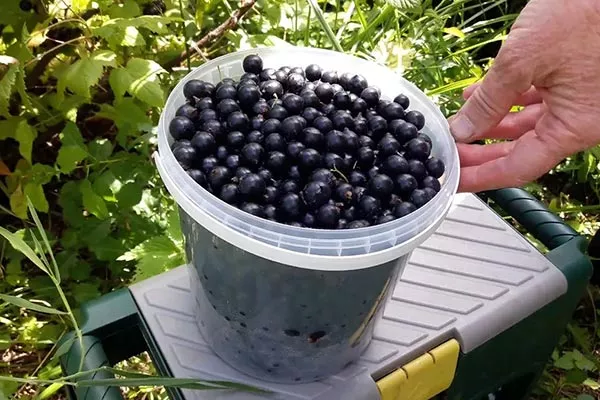
Berries should be stored in the refrigerator for 4 to 7 days, and frozen in the freezer, the shelf life can be up to six months.
Pros and cons
Big Ben is a variety that impresses with its qualities. It is distinguished by good productivity, resulting in incredibly tasty and sweet berries.
Benefits of the Big Ben variety include:
The disadvantages of the variety include:
- unsuitability for cultivation in very cold climates;
- the need to tie up long shoots.
Reviews
Big Ben currants are distinguished by their particularly sweet and large berries, making them ideal for home gardens and for sale. Special care is required, especially when it comes to staking and winter protection. Big Ben currants have adapted well to the Scottish climate, so they are planted in areas from Krasnodar to Vladivostok.