
Belarusian Sweet is rightfully considered one of the best blackcurrants for growing in garden plots and homesteads. Excellent productivity, low maintenance, frost resistance, and superb flavor make this variety an excellent choice for any garden. Proper care ensures a strong immune system and bountiful harvests.
The history of the selection of the Belarusian sweet currant
Bred by A.G. Voluznev, a specialist at the Scientific and Practical Development Department of the Institute of Fruit Growing. Natural varieties 2-6D and DV were used in the breeding process, which gave the plant frost resistance and endurance.
In 1979, the crop was added to the State Register, after which it began to be actively grown throughout almost the entire country, with the exception of Western Siberia.
Botanical information and characteristics of the variety
Before planting, it's recommended to research the plant's distinctive characteristics. This will allow you to evaluate the appropriateness of your choice of variety and ensure it receives appropriate care.
Bush and root system
The plant is vigorous, reaching 1.2 m in height, with medium-spreading shoots. It has a rounded shape and straight stems. New basal shoots appear each year, which begin branching after one year and begin bearing fruit after three years.
The bush's skeleton is formed from branches that lose productivity over time. After eight years, old shoots are pruned, and bushes older than 15 years are completely replaced. The root system is located superficially, at a depth of about 30 cm, but a mature plant can extend its roots up to 2 m.
Leaf blades
The branches are covered with light green, trilobate leaves with a large central lobe. They have a matte, wrinkled surface and wavy edges. The petioles are long, with a characteristic red-purple hue.
- ✓ The self-fertility rate is 72%, which ensures a high degree of fruit set without the need to plant additional pollinator varieties.
- ✓ The root system is located superficially, at a depth of about 30 cm, but can grow up to 2 m, which requires special attention when loosening the soil.
Flowers, flowering and pollination
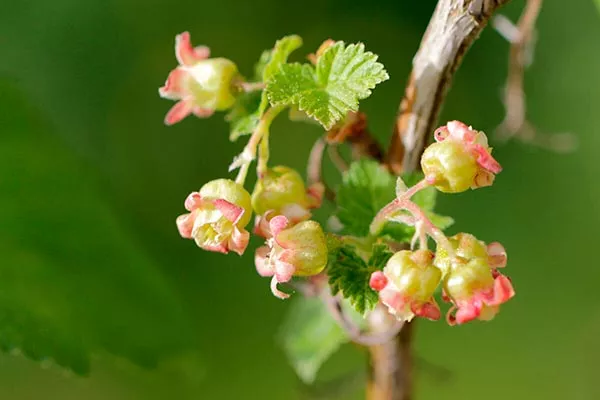
The flowers are a pale yellow-green, bell-shaped, and comprised of five oval petals. Blooming occurs gradually, beginning at the base and ending at the tip of the cluster. Self-fertility is 72%, ensuring good pollination and a high fruit set rate.
Kidneys
The Belarusian Sweet currant has thin, elongated, medium-sized buds with a pointed tip and a pinkish-gray hue. They are located at different points along the stem and are divided into three types.
Dormant buds serve as reserves, ensuring the plant's survival in extreme conditions. Growth buds are responsible for the formation of new basal shoots, while flowering buds ensure fruiting.
Brushes and berries
The clusters reach 7 cm in length and contain 6 to 9 berries, which are attached to medium-length stalks. The fruits are round, aromatic, with shiny, thick skin, and vary in size, with the first ones being larger than the next. They weigh up to 3 g, each containing approximately 37 seeds.
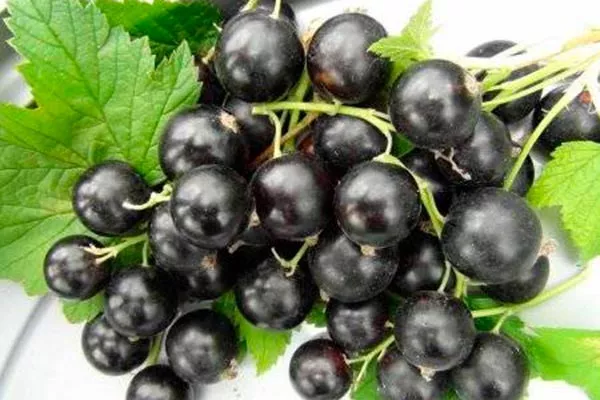
As the berries ripen, they change color: initially green, then brown, and finally, when fully ripe, dark purple. It's recommended to harvest the fruit on time, as overripe fruits tend to fall off.
Chemical composition of berries:
- Sugars – 7.5%.
- Dry matter – 15.3%.
- Titratable acidity – 1.8%.
- Vitamin C – 239.0 mg/100 g.
- Pectin substances in raw mass – 1.3%.
Due to the high content of ascorbic acid, the fruits have a sweet and sour taste.
Fruit ripening time and yield
The harvest ripens gradually, with the berries remaining on the bush for a long time before eventually falling off. This is a mid-season variety. The first fruits ripen in mid-July, and fruiting begins the following year after planting.
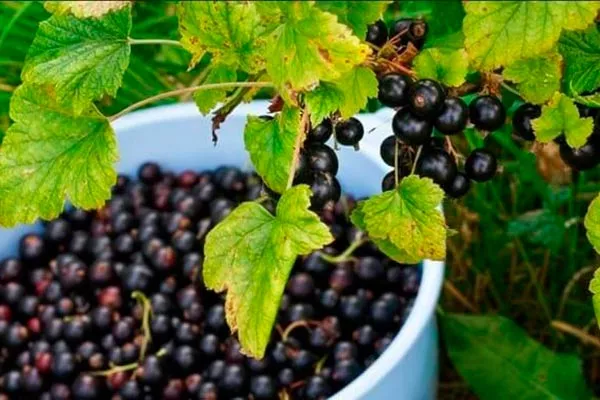
A single bush can yield up to 5 kg of berries. Productivity gradually increases over the first 4-5 years, stabilizes, and reaches its peak in the 6-8th year of the plant's life.
Scope of application of berries
This variety has versatile uses. All its parts (leaves, shoots, and buds) have beneficial uses.
The plant is used:
- for medical purposes;
- for making vitamin tea, kvass and as a spice when pickling cucumbers and tomatoes;
- for making juice, compotes and homemade alcoholic beverages;
- for making jam, marmalade and pastille;
- as an excellent raw material for baking and pies.
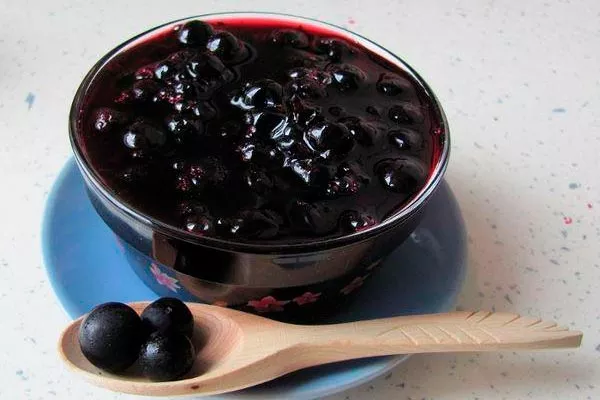
The black berries of the Belorusskaya Sladkaya variety freeze well, preserving all their beneficial properties and vitamins. They are harvested without extracting juice, so they can be stored in the refrigerator for up to a week. The dense fruits retain their marketable appearance and do not leak during transportation.
Beneficial properties
The average sugar content in 100 g of berries is 7.3 g. Beneficial properties and chemical composition:
- Vitamin C: It's found in large quantities—239 mg per 100 g of berries. This is significantly more than most other fruits and berries. Ascorbic acid is found not only in the fruit but also in other parts of the plant—buds, leaves, and branches.
- Pectin substances: The content is almost 1.5%. These substances cleanse the intestines, strengthen the immune system, and promote the elimination of toxins from the body.
- Anthocyanins: have powerful antioxidant properties, improve vision, and are oncoprotectors.
- Tannins: give the berries a specific spicy taste and help normalize intestinal function.
- Essential oils and phytoncides: are found in various parts of the plant. They have strong anti-inflammatory properties and create a unique aroma.
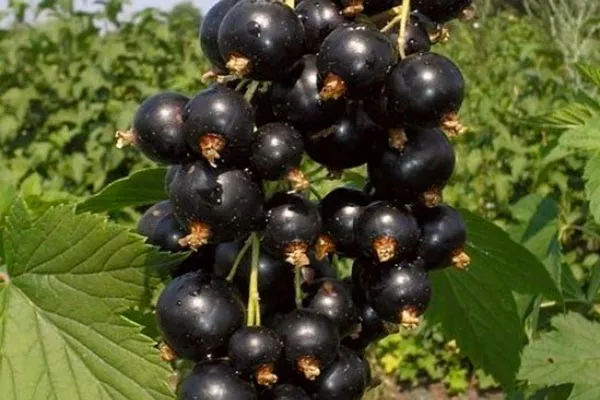
Belarusian Sweet is one of the most popular. Its high vitamin and nutrient content, excellent taste, and ease of cultivation make it one of the most sought-after blackcurrant varieties.
Resistance to subzero temperatures and drought
The plant tolerates short-term drought well. If the root system is insulated, the bushes will survive the winter successfully. However, spring frosts pose a risk to the first flowers, as they can damage them.
Immunity to diseases and pests
The bushes are virtually immune to fungal infections such as powdery mildew and anthracnose. They rarely suffer from bud mites, but the main threat is aphids, which are a major pest.
How to plant a variety in a plot?
To ensure a bountiful harvest, it's important to provide currants with proper care. Particular attention should be paid to proper planting techniques.
Deadlines
Currants are best planted either in early spring, before the sap begins to flow, or in autumn. Experienced gardeners prefer the latter, especially in September or mid-October.
Selecting and preparing a site
Properly selecting a planting site plays a key role in the successful cultivation of the crop. Site and soil requirements are as follows:
- Illumination. Ideally, the plot should be in full sun all day. However, partial shade is also acceptable—it won't significantly affect yield.
- Humidity and drainage. The bed should be well-watered, but not stagnant in the spring. Groundwater levels should not be too high.
- Wind protection. Plantings must be protected from strong winds.
- Soil composition. Currants prefer a neutral or near-neutral pH. If planting in acidic soil, add lime to normalize the pH.
Loam or sandy loam with a high humus content produces the best results. Other soil types will require improvement to achieve optimal conditions.
Preparing the seedling
For successful crop growth and development, it's important to select planting material. It must meet the following requirements:
- Age of seedlings. Plants aged 1-2 years have the best survival rate.
- Absence of defects. The bushes must be healthy, without damage, signs of disease or traces of parasites.
- Root condition. They should have woody fragments 15-20 cm long.
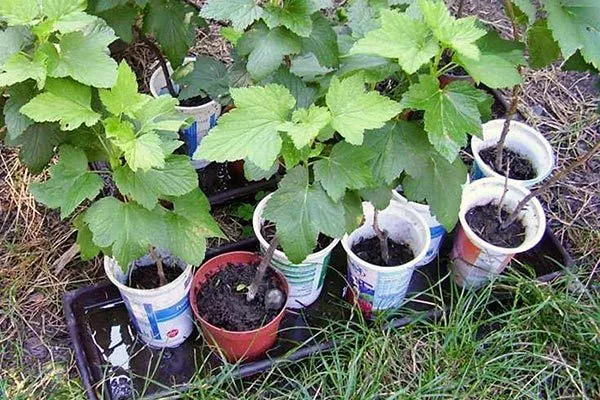
Work order
To ensure the seedling takes root and thrives, follow these guidelines:
- Dig a hole measuring 50×50×50 cm. Ensure a distance of at least 1.5 m between bushes and 2-2.5 m between rows.
- Lay down a drainage layer at least 10 cm thick. Fill the hole halfway with a mixture of wood ash and rotted manure. Moisten with water to settle the soil.
- Place the seedling in the center of the hole, tilting it at a 45-degree angle. Press the root collar 5 cm deeper.
- Sprinkle with the remaining soil, compact it, and water. Mulch the bed to retain moisture.
- ✓ The seedling planting depth should be such that the root collar is buried 5-7 cm below the soil level to stimulate the growth of additional roots.
- ✓ The distance between bushes should be at least 1.5 m, and between rows - 2-2.5 m to provide sufficient space for growth and ventilation.
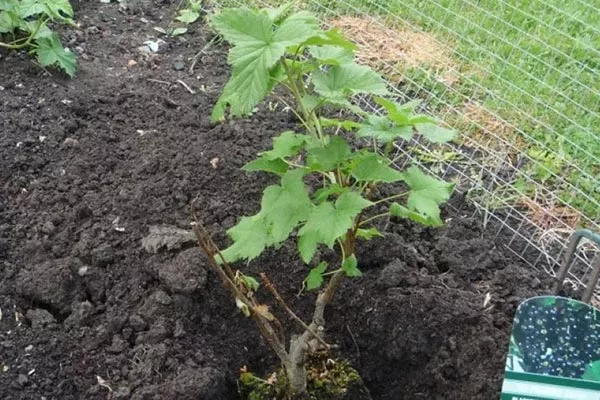
Prune the seedling, leaving 4-5 buds. This will encourage stronger shoots.
Further care of currants
To successfully grow a crop, it's essential to provide it with high-quality and comprehensive care. This care must be comprehensive and include several important aspects.
Watering mode
After the snow melts, begin watering the bush as needed, especially if the soil becomes dry. Avoid overwatering. Stop watering two weeks before harvest, as excess moisture can cause the berries to crack.
Loosening and mulching the soil
The soil under currant bushes should always be kept clean. If mulch is used, renew it periodically to maintain optimal growing conditions. Regularly loosen the surrounding soil—this promotes better oxygenation of the roots and improves nutrient availability.
Fertilization
During flowering, feed the bushes with nitrogen-rich fertilizers to stimulate growth and development. As the berries ripen, use complex fertilizers to maintain yield. After harvesting, apply potassium and phosphorus-based fertilizers to strengthen the plants and prepare them for the next season.
Organic matter also has a positive effect on crop development and helps improve soil condition.
Pruning: formative, sanitary, rejuvenating
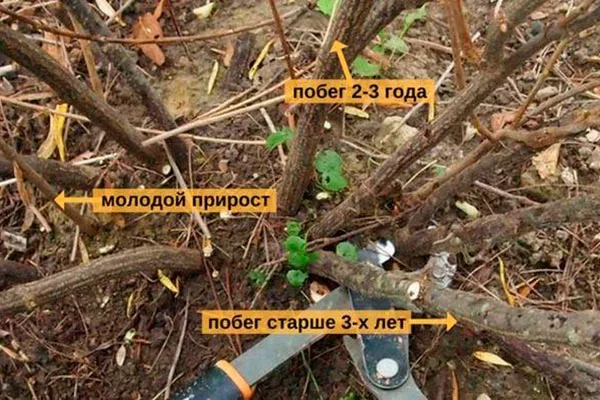
To ensure a bountiful harvest, renew and thin the bushes regularly. Perform the first pruning immediately after planting, and the second a year later, leaving the four strongest shoots. In the third or fourth year, leave three to six of the strongest shoots to maintain health and productivity.
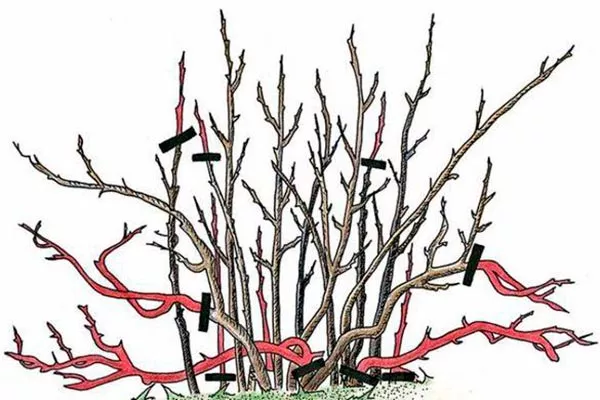
For better branching, shorten shoots by a third after harvest. The Belorusskaya Sladkaya currant variety is considered a long-lived crop, producing its maximum yield from shoots at six years of age. Therefore, prune 2-3 years later, depending on the bush's condition.
Pouring and hardening of bushes
To combat parasites and pests that overwinter in the bark and soil beneath the bush, water the plant with warm water in the spring before the buds open. The water temperature should be around 60 degrees Celsius.
Preventive seasonal treatments
The Belorusskaya Sladkaya variety isn't particularly resistant to diseases and pests, so preventative measures are essential. Early in the spring, treat the blackcurrant bushes with hot water and potassium permanganate and spray with specialized preparations.
To combat aphids, dusting plants with dry wood ash and garlic infusion is effective. Burn shoots showing signs of disease or damage to prevent the spread of infection.
The culture may be susceptible to the following diseases:
- powdery mildew;
- anthracnose;
- rust;
- septoria;
- terry;
- striped mosaic.
For treatment and prevention of diseases, use the following preparations:
- Fitosporin;
- Topsin-M;
- Topaz;
- Fundazol;
- Previcur;
- Ridomil;
- 1% solution of copper sulfate.
Use all chemicals strictly according to the instructions and only before berry set to avoid harming the crop and causing toxicity. Before flowering, treat with copper-containing fungicides, and repeat the procedure in wet weather.
To prevent the appearance of columnar rust, do not plant sedge near currant bushes, as this is where the pathogens that cause the disease overwinter.
Before the onset of cold weather in the fall, protect the plant's root system by adding a layer of humus or compost around the trunk.
Methods of reproduction
You can increase the number of seedlings in your garden yourself. The Belorusskaya Sweet currant variety can be propagated in the following ways:
- Cuttings. In early spring, take cuttings and place them in a jar of water. Once roots appear and the temperature rises above freezing, transplant the cuttings to their permanent location.
- By layering. Bend a currant branch to the ground at any time, pin it down with a staple, and cover it with soil. Over time, the shoot will root. In the fall, separate the rooted seedling from the mother bush and replant.
- Seeds. This method is considered more time-consuming. It's best to purchase seed from specialized stores.
Choose the method that best suits you. Cuttings are considered the most effective and widespread method.
Recommendations from experienced gardeners
To successfully grow currants, it's important to follow certain rules. Experts recommend choosing high-quality planting material, planting in a timely manner, ensuring regular watering, and fertilizing the crop promptly to ensure its full development.
Pros and cons
Before planting a crop in the ground, it is important to carefully study its characteristics, advantages and disadvantages.
Similar varieties
| Name | Ripening period | Disease resistance | Berry size |
|---|---|---|---|
| Gift of Smolyaninova | early | high | large |
| Summer resident | average | average | average |
| Dobrynya | average | high | large |
| Jonker Van Tets | mid-early | average | average |
| Ilya Muromets | average | high | large |
| Bayana | late | average | average |
There are several varieties that have similar characteristics to the variety described here. These include the following:
- Gift of Smolyaninova. The berries are large and attractive. When ripe, they are a rich black color, perfectly rounded, and arranged in a moderately or widely spaced cluster, alternately on both sides.
The fruit gradually decreases in size from the base of the bunch to its tip. The average weight ranges from 2.8 to 4.5 g. Ripening begins relatively early compared to other blackcurrant varieties—around early July. - Summer resident. The fruits are large and richly colored, almost black. Their shape ranges from round to oval, with an average weight of approximately 2.3 g. The skin is thin but elastic, making them resistant to cracking, which only occurs occasionally.
The flavor harmoniously combines tartness and sweetness. When grown on a plantation, up to 89 centners of fruit can be obtained per hectare. The average yield per bush is approximately 1.4 kg of berries, confirming the variety's high productivity. - Dobrynya. The large berries are round (although sometimes oval). They are a rich black color with a beautiful, noticeable sheen and weigh between 2.6 and 6 grams. The skin is strong and flexible, resistant to cracking.
The berries are easy to pick from the bunch, dry and uncrushed. The pulp is juicy, and the seeds are small and few in number, making them particularly enjoyable to eat. During the growing season, a single Dobrynya plant yields 1.6 to 2.4 kg of fruit. - Jonker Van Tets. The medium-sized fruits (weight 0.68-0.7 g) are round or slightly pear-shaped and bright red. The skin is smooth and firm, and the flesh is juicy and sweet with a pleasant, refreshing tartness. Each berry contains 4-5 large seeds.
This shrub is distinguished by its mid-early fruiting period: the harvest ripens in mid-July and ends in early August, although the ripening process is extended. The variety demonstrates good yields: 16 tons per hectare when grown in plantations and approximately 6.5 kg per bush. - Ilya Muromets. The berries are deep black and large, weighing between 1.8 and 3.5 grams. They are round in shape and have a pleasant, tart flavor. Their dense, glossy skin conceals juicy flesh, and the aroma is rich and typically blackcurrant-like.
Productivity is considered high: one bush can yield 4 to 5 kg of fruit per season, making this variety an excellent choice for gardeners seeking a stable and abundant harvest. - Bayana. The berries are characterized by an unusual light hue and medium size—they average 0.5 to 0.7 g in weight, although some can reach 1 g. The fruit is round in shape and has a thin skin. One of its main advantages is its taste—sweet and sour with distinct dessert notes.
The berries have a delicate, typical currant aroma. This is a late-ripening variety. One bush yields an average of 2-2.5 kg, although under favorable conditions and proper care, this figure can reach 3 kg.
All of these varieties are similar to the Belarusian Sweet currant in their key characteristics. Choosing one of these varieties depends on specific growing conditions and personal preference. Growing several varieties can significantly improve productivity.
Reviews
The Belarusian Sweet Currant is one of the most popular and beloved berry crops among gardeners. This high-yielding, easy-to-grow, and frost-resistant variety boasts excellent flavor, resistance to various weather conditions, and ease of care. Its berries delight not only with their pleasant aroma and sweet taste but also with their culinary versatility. Proper care is essential.