
Belka is one of the most popular white currant varieties, attracting gardeners with its low maintenance and excellent berry flavor. It combines not only good yields but also disease resistance, making it an excellent choice for a variety of regions. It's important to carefully study the crop's characteristics and provide it with proper care.
History of selection
The variety was created at the All-Russian Research Institute of Fruit Crops by crossing Red Lake and Chulkovskaya. The resulting plant has been undergoing state testing since 1996. Although the completion date has not yet been determined, the variety demonstrates high potential.
Plant characteristics
The Belka currant is a white currant variety favored by many gardeners across the country. Belka has numerous positive qualities, making it one of the most sought-after varieties on the market.
Appearance of the bush
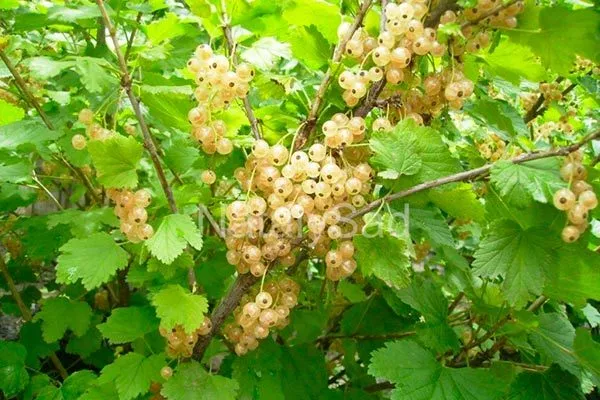
The plant is medium-sized, dense, slightly spreading, reaching a height of 1-1.5 m. Distinguishing features:
- Straight shoots of medium thickness have a light brownish tint.
- The leaves are large and medium-sized, leathery, shiny, dark green, with pronounced wrinkling.
- The leaf blade is slightly folded along the main veins.
- The wide lobes are noticeably pointed, the middle lobe is longer than the lateral ones, the teeth are large and sharp.
- The base of the leaf is characterized by a small wide notch.
- The brushes are of medium size, density and length, thin, with a petiole up to 10 cm long.
Berries and their taste qualities
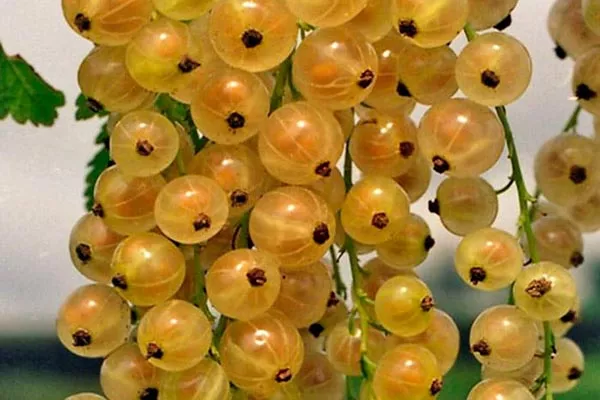
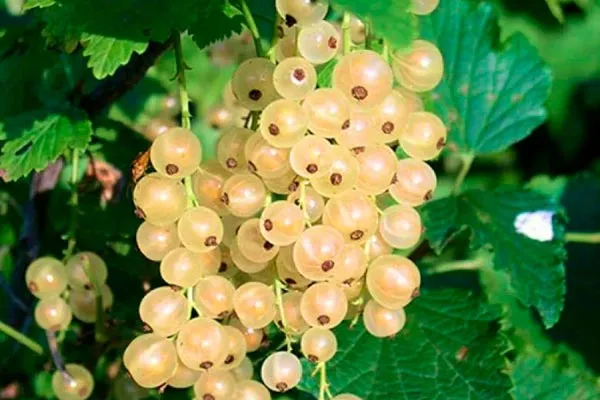
The fruits are white with a slight yellowish tint. They are medium-sized, weighing between 0.42 and 1 g. The berries are round, slightly flattened.
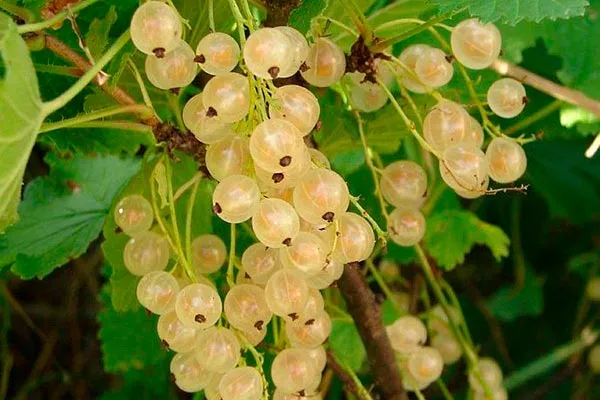
They have a sweet and sour taste, are juicy, have excellent gelling properties, and are rich in vitamins. They receive an average tasting score of 4.2.
Beneficial properties
Currants are a treasure trove of vitamins and nutrients. They are rich in vitamin C, which strengthens the immune system, helps the body fight viruses and infections, and improves the condition of skin and hair.
Vitamin K, found in blackcurrants, promotes normal blood clotting, preventing bleeding, while vitamin A supports healthy eyes and skin. The berry has anti-inflammatory properties, helping to combat colds, coughs, and respiratory infections.
Thanks to their antioxidant content, blackcurrants protect cells from free radicals, lower cholesterol, and strengthen the cardiovascular system. The fruits have a diuretic effect, cleansing the kidneys and bladder, improving digestion, and boosting metabolism.
Uses of currants in cooking
Fresh berries are a great addition to fruit salads and desserts, adding vibrant color and a refreshing flavor. What can you make with the fruit?
- Jam. This is a popular winter preparation that goes well with bread, pancakes and toast.
- Sauce. Suitable for salad dressings or meat marinades, giving dishes a sweet and sour accent.
- Pies. This is a classic homemade treat where the tartness of the berries harmonizes with the soft dough.
- Compote. A delicious and healthy drink that refreshes and delights at any time of year.
Currants are used to make jellies, marmalades, and other dishes. They not only enrich the diet with vitamins and antioxidants but also delight with their rich flavor.
Immunity
The Belka currant is highly resistant to adverse conditions and common diseases. This variety exhibits good resistance to fungal infections, including powdery mildew and anthracnose.
Thanks to its natural resilience, it requires minimal use of chemicals, making it an ideal choice for environmentally friendly cultivation. The plant's immunity helps ensure a stable harvest even in high humidity and variable climates.
To maintain the health of the bush, promptly remove damaged leaves and carry out preventative treatments with biological preparations or folk remedies, such as an infusion of onion peels or ash solutions.
Pollinators
The Belka currant is a partially self-fertile variety, allowing it to produce fruit without the need for pollinators. To increase yield, plant it near other white or red currant varieties, which will act as cross-pollinators.
Pollination occurs through insects—honeybees and bumblebees. To attract them, you can plant honey plants nearby, such as phacelia, clover, or mint. This will not only improve pollination but also increase the overall harvest.
Flowering and ripening period
The crop is characterized by medium flowering and ripening times. Currants bloom in May, when stable warm weather sets in, and the blooming period lasts for approximately 10-14 days.
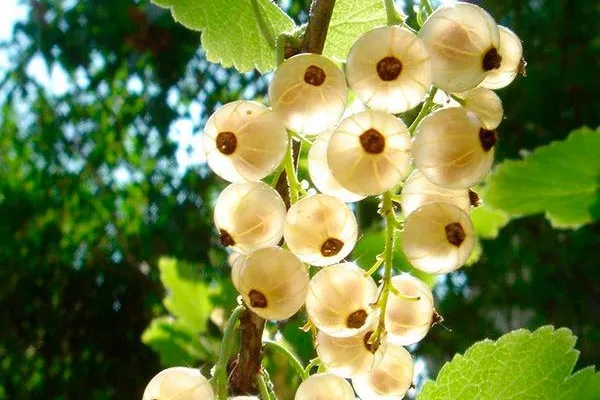
The berries ripen in July, depending on the climate of the growing region. The yield is consistent, and the fruits ripen evenly, making them easy to harvest.
Productivity
Currant yields will be moderate but stable, provided extreme weather conditions are avoided. Average productivity is 12.4 tons per hectare, with a maximum yield of 31.5 tons per hectare. With a standard planting pattern, this equates to 1.8 kg or 4.5 kg per bush, depending on the yield level.
Landing
The Belka currant is a promising variety, attracting gardeners with its resilience and excellent berry flavor. To ensure a bountiful and consistent harvest, it's important to choose the right seedlings, prepare the planting site, and properly carry out the planting process.
Selecting a seedling
When choosing planting material, focus on its health and quality. It's best to purchase seedlings from specialized nurseries or reputable sellers. Pay attention to the root system—it should be developed, free of damage and signs of disease.
- ✓ Check for at least 3 healthy roots at least 15 cm long.
- ✓ Make sure there are no signs of disease on the shoots (spots, plaque).
Young seedlings with 2-3 well-developed shoots and strong roots will ensure better establishment and subsequent growth. Choose plants with a closed root system, as they adapt to new conditions more quickly.
Selecting a location and preparation
The plant prefers sunny sites with well-drained, fertile soil. For best growth, choose a location that receives at least 5-6 hours of sunlight per day. Sites with stagnant water or highly acidic soil are unsuitable, as this can lead to disease and reduced yield.
Before planting, prepare the soil: dig it to a depth of 20-30 cm and add organic fertilizers such as humus or compost. Add lime if the soil is too acidic.
Keep in mind that Belka currants prefer neutral or slightly acidic soil (pH 6-7). Ensure protection from winds, as the plant may not thrive in windy areas.
Landing algorithm
Dig planting holes 40-50 cm in diameter and about 30 cm deep. Space the seedlings about 1.5-2 m apart to ensure they don't shade each other and have enough room to grow.
Follow the recommendations:
- Before planting, carefully inspect the seedling's roots and trim off any damaged or dried out areas. If the seedling is bare-root, soak the roots in water or a weak solution of potassium permanganate for 2-3 hours.
- Form a mound of prepared soil in the center of the hole and place the seedling, spreading the roots out. Fill the hole with soil, gently tamping it down to avoid air pockets. The root collar will be level with the ground or slightly above.
- After planting, water the plant generously with warm, settled water. This will help establish the roots in the soil and improve their contact with the ground.
- To retain moisture and prevent weed growth, mulch the tree trunk area with a layer of organic material (hay, straw, compost).
With proper planting, the crop will quickly adapt to its new location and begin to actively develop, delighting you with tasty and healthy berries.
Caring for currants
This variety doesn't require any special care, but to obtain a high-quality and consistent harvest, several important agricultural practices must be followed. Regular care includes standard agricultural practices.
Watering
This is one of the key aspects of plant care. Ensure regular watering, especially during the period of active growth and berry formation. Use warm, sun-settled water to avoid shocking the plants.
Water the bushes in the morning or evening, avoiding contact with the leaves, which can lead to the development of fungal diseases. Water according to weather conditions: 1-2 times a week during dry summers, and as needed during rainy seasons. After watering, lightly weed and loosen the soil.
Pruning and shaping the bush
These are important procedures for maintaining plant health and improving yield. Prune branches annually, primarily in early spring or fall when the plant is dormant. Remove old, damaged, and diseased branches, as well as those growing inward, shading the bush.
Prune weak and thin shoots to encourage stronger, healthier growth. Train the bush into a cluster with several main branches, leaving 3-5 strong shoots on each. This will improve air circulation, prevent disease, and allow the berries to receive more light.
Top dressing
The Belka currant responds well to fertilizers that promote active growth and fruiting. Fertilize according to the plant's needs and its developmental stage:
- In the spring After the snow melts, apply nitrogen fertilizers (ammonium nitrate or chicken manure) to stimulate the growth of young shoots. Use complex formulations with microelements.
- In summerDuring the active fruiting period, fertilize with potassium and phosphorus fertilizers to improve berry quality and yield. Organic matter, such as compost or ash, complements mineral components well.
- In the fall Apply potassium fertilizer to prepare the plant for winter and improve frost resistance. Use well-rotted manure to improve the soil structure.
Alternate fertilizers with organic fertilizers and do not exceed the dosage to avoid chemical overload.
How to propagate white currant?
You can increase the number of seedlings in your garden yourself. There are two easiest methods for propagating white currants:
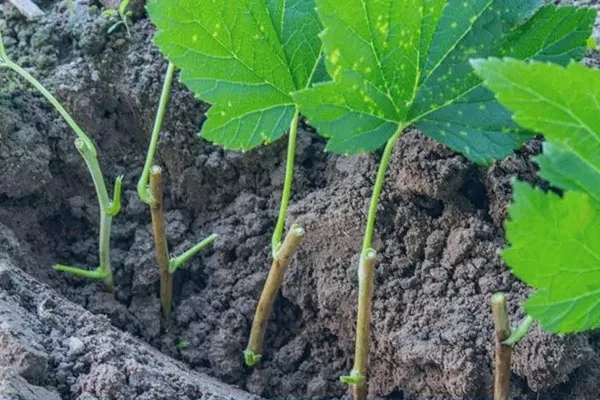
- Cuttings. They can be either semi-woody (harvest them in February-March) or green (cut in summer or early fall). Cuttings 10-15 cm long should contain 5-7 buds. Root the cuttings in sand, loose soil, or moss.
After rooting, leave the cuttings to grow in a nursery for 2 years, then transplant them to a permanent location.

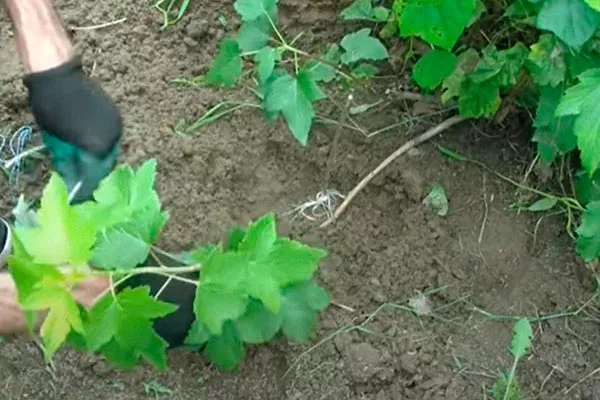
- Horizontal layering. In the spring, while loosening the soil around the bush, dig trenches 10-12 cm deep into which you'll place and pin down well-developed one- or two-year-old shoots. Cover them with soil, leaving the tops above the surface.
As the shoots grow, mound them with moist, loose soil to half their height. Keep the soil moist, and in the fall, separate the cuttings from the mother plant and transplant them to their permanent location or to a nursery for further growth if the shoot is weak.
Choose the most suitable method for you to grow additional bushes in your garden.
Preparing for winter
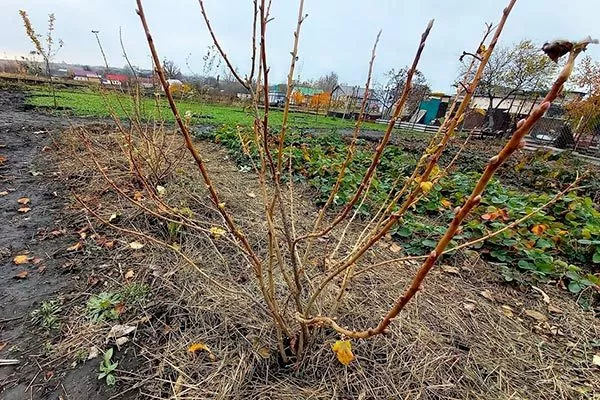
In the fall, carefully prune the bushes, removing old and damaged shoots to prevent them from freezing. Prune the branches, leaving 3-4 strong shoots on each bush. Then, earth up the bushes, raising the root collar by 10-15 cm. This will prevent root damage during severe frosts.
Harvesting and storing currants
Harvest when the berries are fully ripe, usually in late June or early July. Pick carefully to avoid damaging the bush or causing the remaining berries to fall off. White currants don't store as long as red or black currants, so it's important to harvest them properly and process or store them immediately.
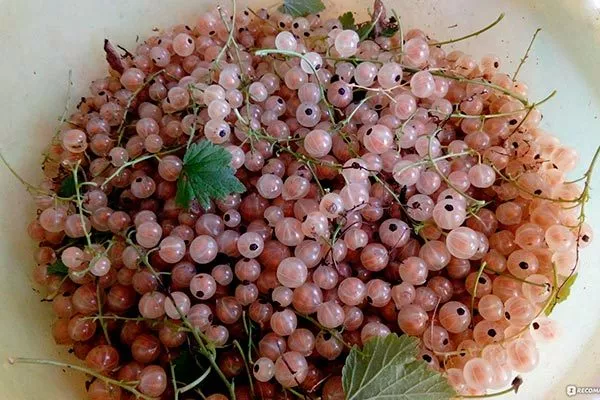
Freeze them and use them to make jams, preserves, or compotes. Dry the currants to preserve all their nutrients and use the berries to make infusions and tea.
Prevention of diseases and pests
In the fall, treat the bushes with a copper sulfate solution or Bordeaux mixture to prevent fungal diseases such as powdery mildew and anthracnose. Prune dead and damaged branches to prevent disease development.
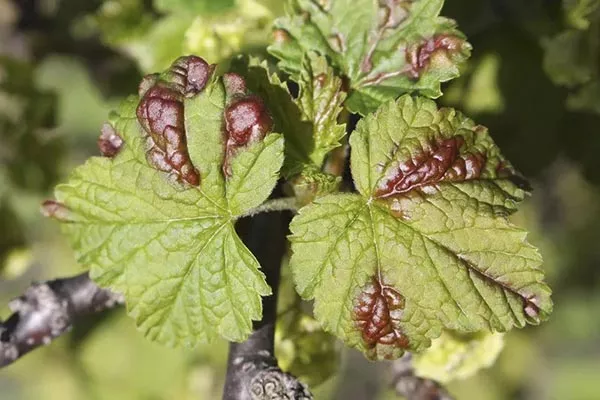
During the spring and summer, use organic products, such as garlic infusion or ash, to control pests such as aphids and spider mites. Regular weeding and removal of weeds around the bushes will help reduce pest populations and reduce the risk of infestation.
Positive and negative qualities
This self-fertile variety is compact and neat. It boasts high yields, beginning to bear fruit in the second or third year after planting, and continues to produce fruit annually. It also has other advantages:
Disadvantages of the variety: currants have low pest resistance and are demanding of soil. Fertile loamy or sandy loam soils with good moisture retention are essential for successful growth.
Reviews
The Belka currant is an ideal choice for those who appreciate productive, resilient, and easy-to-care-for plants. Its berries boast not only a pleasant taste but also a high vitamin content, and its consistent fruiting makes it indispensable for gardeners seeking a high-quality harvest every year. It deservedly occupies a place in the gardens of both amateur and professional gardeners.